

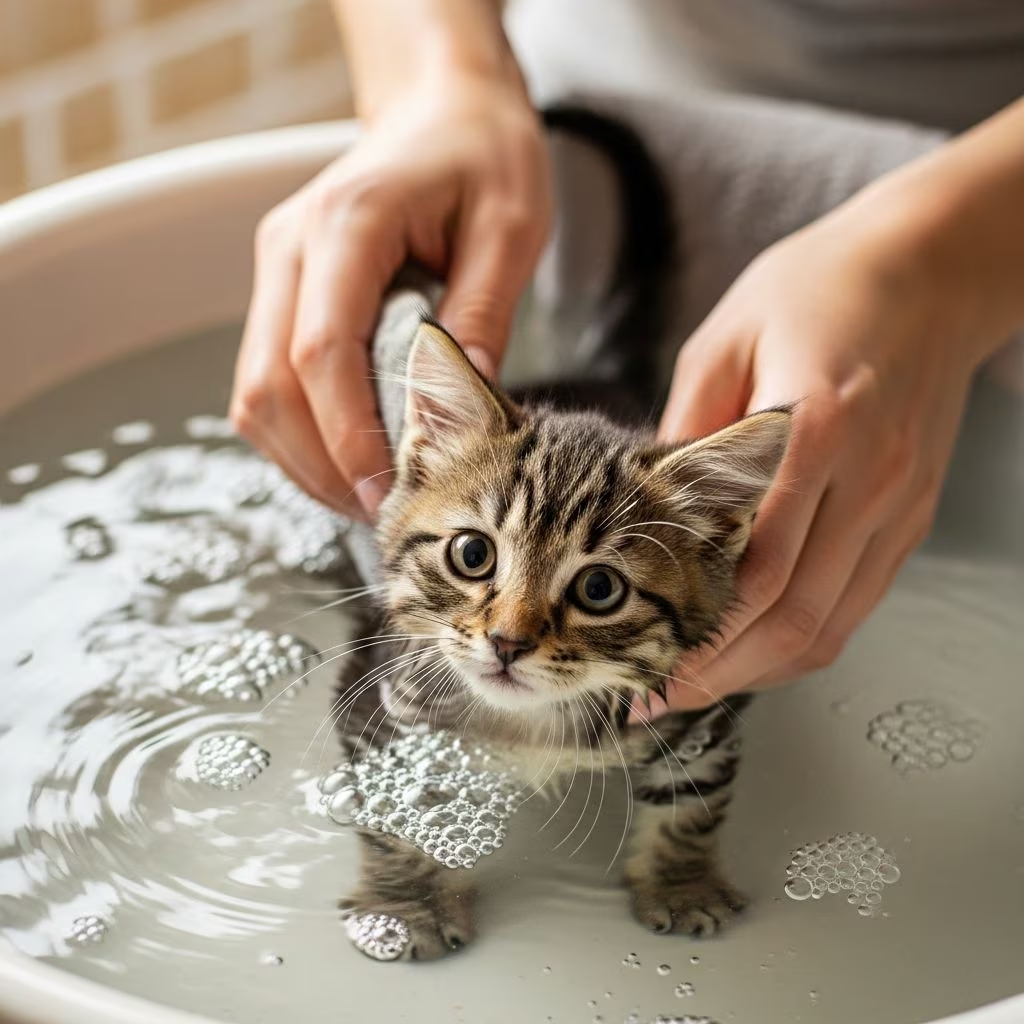
Bathing a kitten can be a necessary part of cat care, especially for orphaned kittens, those with fleas, or dirty fur from accidents. Most cats self-groom effectively, but young kittens under 4 months may need occasional baths if they can’t clean themselves properly. Always prioritize your kitten’s comfort to avoid stress, chills, or negative associations with water. This guide provides a complete, step-by-step process based on veterinary-recommended practices to ensure safety and ease.
Do Kittens Need Baths?
Kittens generally do not require frequent baths because they are fastidious groomers from a young age, using their rough tongues to clean fur effectively. However, baths become essential in specific situations: orphaned or rescued kittens without a mother to lick them clean, those infested with fleas or parasites, kittens soiled with feces, urine, food, or sticky substances, or those with medical conditions like skin infections requiring medicated shampoos. Overbathing can strip natural oils from their sensitive skin, leading to dryness, irritation, or exacerbated allergies, so limit full baths to every 4-6 weeks unless advised by a vet. Opt for spot cleaning or dry shampoos for minor messes to preserve their coat’s health.
For feral or shelter kittens, baths help remove dirt and pests while acclimating them to human handling. Always consult a veterinarian first if your kitten shows signs of skin issues, excessive scratching, or hair loss, as these may indicate underlying health problems rather than just dirt.
Supplies You’ll Need
Gathering all supplies beforehand minimizes stress and keeps the process quick—aim for under 10 minutes. Use only kitten-safe, fragrance-free products to avoid irritating their delicate skin and eyes. Here’s a comprehensive list:
- Lukewarm water: Filled in a sink, basin, or tub to 2-4 inches deep, just covering elbows and ankles (about kitten’s knees).
- Rubber mat or towel: Prevents slipping on the basin bottom for secure footing.
- Kitten-specific shampoo: Dilute per instructions; tearless and mild formulas are ideal (e.g., veterinary-approved brands).
- Cotton balls or soft washcloth: For gently cleaning face, eyes, and ears without soap.
- Cup or handheld sprayer: For wetting, shampooing, and rinsing precisely.
- Multiple soft towels: Pre-warmed in a dryer for drying; at least 3-4 for thorough patting.
- Hairdryer (optional): Low-heat setting for complete drying, especially in cool rooms.
- Treats and toys: High-value rewards to create positive associations.
- Helper (optional but recommended): Holds the kitten securely while you wash.
Prepare a warm room (around 80°F or 27°C) with a heating pad or space heater on low to prevent chilling post-bath. Trim nails beforehand to avoid scratches.
Getting Your Kitten Ready for a Bath
Preparation is key to a stress-free bath. Kittens often fear water due to unfamiliar sounds and sensations, so gradual desensitization builds confidence over 3-7 days.
- Acclimate to sounds: Run water nearby while offering treats, associating the noise with positivity.
- Introduce wet touch: Wipe with a damp, warm washcloth daily, starting from paws and working up, praising and treating throughout.
- Groom first: Brush fur to remove mats and loose hair; trim nails to protect yourself.
- Handle comfortably: Ensure your kitten enjoys being held; if not, practice gentle restraint with scruffing (back of neck) and support under chest.
- Timing matters: Bathe when calm, not hungry or playful; have a helper if possible.
Positive reinforcement with treats reserved for bath time turns dread into delight. If your kitten panics during prep, stop and retry later—forcing it creates lifelong aversion.
Step-by-Step Guide: How to Bathe Your Kitten
Follow these steps for a safe, effective bath. Stay calm, speak soothingly, and keep sessions short.
- Fill the basin: Add 2-4 inches of lukewarm water (test with elbow: comfortably warm, around 95°F or 35°C). Place rubber mat inside.
- Position kitten: Gently lower by scruff and belly support, back to you to minimize scratches. Let them stand and explore for 1-2 minutes; distract with toys or treats.
- Wet the fur: Use cup or sprayer to soak from neck to tail, avoiding head. Massage water in gently.
- Apply shampoo: Dilute kitten shampoo, lather from neck down (avoid face, ears, genitals). Massage thoroughly for 1 minute to kill fleas/dirt.
- Clean face separately: Wipe eyes, nose, ears with damp cotton ball—no soap. Gently pat dry immediately.
- Rinse completely: Pour warm water or use sprayer until suds-free; residue causes itching.
- Lift out: Wrap in pre-warmed towel while still in basin to contain mess.
Throughout, use one hand to secure and the other to wash. For squirmy kittens, a helper holds steady.
How to Dry Your Kitten After a Bath
Kittens chill quickly due to small size and wet fur, risking hypothermia. Dry thoroughly before playtime.
- Towel dry first: Gently pat (no rubbing) from head to tail, squeezing excess water. Use 2-3 towels.
- Hairdryer method: Set to low/warm (not hot), 12 inches away. Move constantly, reward tolerance. Most kittens enjoy the warmth.
- Air dry in warm spot: If dryer-averse, use fan or warm room with heating pad (low, supervised).
- Monitor: Ensure skin feels dry; shivering means continue drying.
Post-bath, keep in a draft-free, warm area. Brush fur once dry to prevent mats.
Tips for Bathing a Kitten Without Stress or Scratches
Minimize trauma to foster lifelong grooming tolerance.
- Speak softly, offer praise/treats continuously.
- Use scruff hold for security; never force submersion.
- Bathe in sink for control; enlist help.
- End positively: Play and feed immediately after.
- For scratches: Trim nails pre-bath, wear gloves if needed.
- Spot baths for rears: Quick clean without full immersion.
If uncooperative, postpone—no bath beats a traumatic one.
Frequently Asked Questions
Can you bathe a 2-month-old kitten?
Yes, but only if necessary (e.g., dirty/orphaned). Use extreme caution with warmth and drying; prefer spot cleans.
How often should you bathe a kitten?
Rarely—every 4-6 weeks max, or as vet-directed. Most need none until adulthood.
What shampoo is safe for kittens?
Kitten-specific, fragrance-free, tearless formulas diluted properly. Human or dog shampoos irritate.
My kitten hates baths—what now?
Desensitize gradually with wipes/sounds. Use dry shampoo or vet for fleas. Consider professional grooming.
Can I use a hairdryer on my kitten?
Yes, low/warm setting, supervised. Many kittens appreciate it.
References
- How To Bathe a Kitten — PetMD. 2023. https://www.petmd.com/cat/general-health/how-to-bathe-a-kitten
- How to Bathe a Kitten: Step-By-Step Instructions — Purina US. 2023. https://www.purina.com/articles/cat/kitten/health/how-to-bathe-a-kitten
- April Newsletter: How to Bathe Your Kitten — Cooperstown Veterinary Clinic. 2023. https://cooperstownveterinaryclinic.com/articles/general/991167-april-newsletter-how-to-bathe-your-kitten
- How to Bathe an Orphaned Kitten — YouTube (Veterinary Video). 2023. https://www.youtube.com/watch?v=qqxzUan3AP8



