

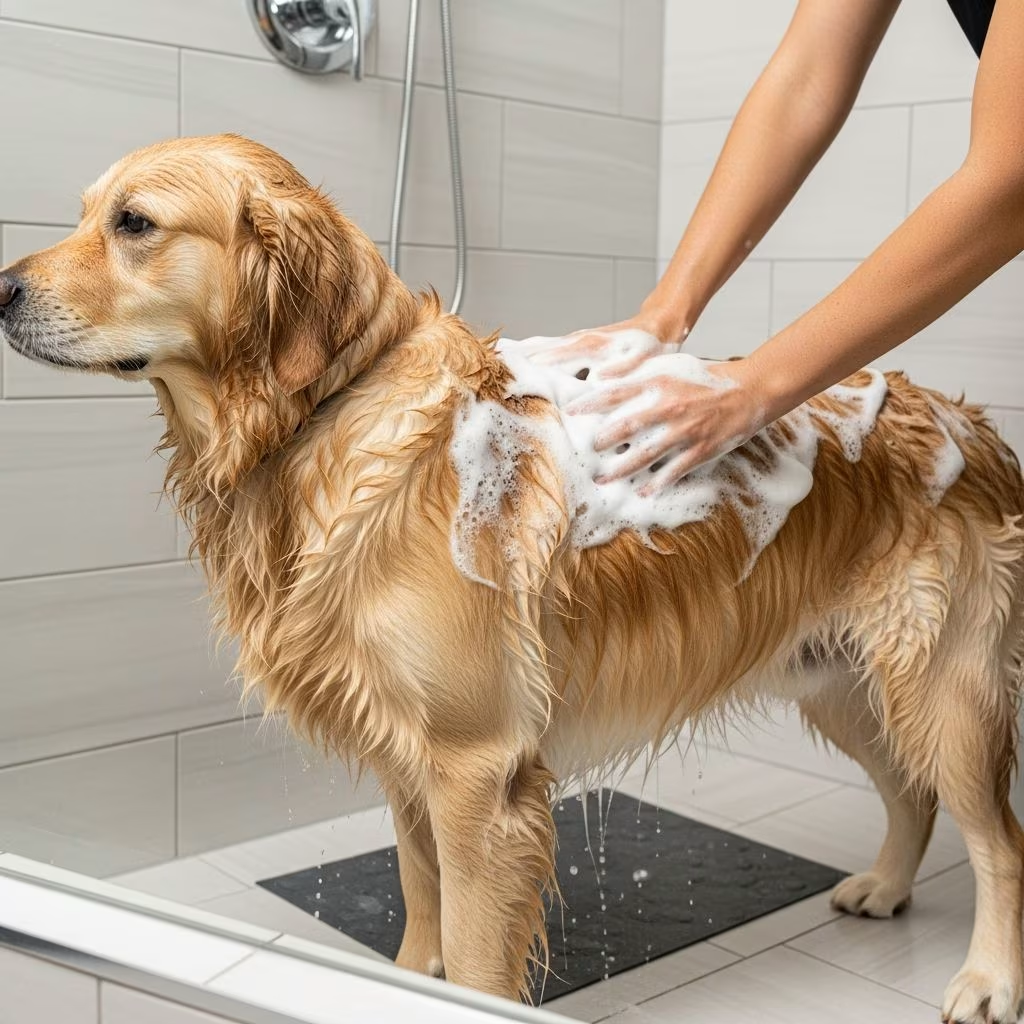
How to Bathe Dogs with Medicated Shampoo: A Complete Guide
Medicated shampoos are specially formulated treatments prescribed by veterinarians to address specific skin conditions in dogs. Unlike over-the-counter grooming shampoos, medicated formulations contain active ingredients designed to treat underlying dermatological issues rather than simply clean the coat. Proper bathing technique is essential to ensure the medication is effective and your dog receives maximum benefit from treatment.
Why Your Veterinarian May Prescribe Medicated Shampoo
Your veterinarian may recommend medicated shampoo for several reasons, each requiring a tailored treatment approach. Understanding why your dog needs medicated shampoo helps you follow the prescribed regimen consistently and monitor for improvement.
Bacterial Skin Infections
Bacterial skin infections are common in dogs and can range from mild to severe. Mild bacterial infections may be treated solely with an antibacterial shampoo, while more severe infections often require a combination of antibacterial shampoo and oral antibiotics. These antibacterial formulations contain active ingredients that combat bacterial growth and reduce inflammation associated with the infection.
Yeast Infections
Yeast infections of the skin are particularly common in dogs, especially in warm, moist areas like the paws, armpits, and groin. These infections are typically treated with antifungal shampoos that contain ingredients specifically designed to eliminate fungal organisms and prevent their recurrence. Antifungal agents such as ketoconazole are commonly used in these formulations.
Skin Allergies and Inflammation
Even in the absence of infection, medicated shampoo can be highly beneficial in treating skin allergies. These therapeutic shampoos often contain ingredients that alleviate skin inflammation and itching while helping to reduce potential allergens on the skin and coat. Anti-inflammatory compounds work to soothe irritated skin and provide relief from discomfort caused by allergic reactions.
Selecting the Right Location for Bathing
Choosing an appropriate bathing location sets the stage for a successful medicated bath. The ideal location should be comfortable, warm, and have easy access to warm water and drainage.
Indoor Bathing Options
Many dog owners bathe their pets in a bathtub, which is a practical choice for medium to large dogs. However, other indoor options are available depending on your dog’s size:
- Bathroom bathtubs for medium to large dogs
- Kitchen or utility room sinks for small dogs
- Specialized pet bathing stations in commercial grooming facilities
Outdoor Bathing Options
Large dogs can be bathed outdoors during warm weather if you have an area that drains well. This option reduces mess inside your home and allows for easier rinsing with a garden hose. Ensure the outdoor area is sheltered and warm enough to keep your dog comfortable during and after the bath.
Commercial Pet Wash Facilities
Many communities offer commercial pet wash facilities where you can rent the use of a bathing station for a set period. These tubs are specifically designed for bathing pets comfortably and conveniently. Most facilities provide towels, grooming supplies, and other helpful items, making them an excellent option if you prefer not to bathe your dog at home or lack the necessary facilities.
Essential Setup Requirements
Regardless of your chosen location, ensure the bathing area has the following:
- Comfortable warm temperature
- Reliable access to lukewarm water
- Clean, dry towels placed within arm’s reach
- Adequate drainage to prevent water pooling
- Non-slip surfaces to prevent injury
Water Delivery Methods
The method you use to deliver water significantly impacts the bathing experience and effectiveness of the medicated shampoo. If possible, bathe your dog using a spray nozzle or hose attachment to make rinsing easier and the entire bathing process less stressful. The spray function allows for thorough rinsing and more precise application of water to specific areas.
If you do not have a hose attachment available, use a large cup or bowl to collect water from the faucet to pour water over your dog. While this method requires more effort, it remains effective when done carefully and thoroughly.
Step-by-Step Instructions for Bathing Your Dog with Medicated Shampoo
Step 1: Pre-Bath Preparation and Cleaning
Before applying medicated shampoo, prepare your dog for the bath. If your dog is visibly dirty with debris, bathe her with an over-the-counter shampoo first to remove dirt and debris. This pre-bathing step is important because medicated shampoos typically do not contain soaps or detergents and may not thoroughly clean visibly dirty dogs. The cleansing shampoo prepares the coat for optimal absorption of the medicated formula. Always consult your veterinarian if you have concerns about using a pre-wash shampoo with your dog’s specific skin condition.
Step 2: Thoroughly Wet the Coat
Medicated shampoo should be applied to a clean, wet coat, so start by thoroughly rinsing your dog with lukewarm water. Use water that is comfortably warm but not hot, as excessive heat can irritate the skin. Ensure the entire coat is saturated with water from the neck down to the tail and paws. This thorough wetting allows the medicated shampoo to penetrate the coat effectively.
Step 3: Apply Medicated Shampoo Strategically
Once your dog is clean and thoroughly wet, work the medicated shampoo into the coat starting with the areas that are most severely affected. In many cases, these problem areas include:
- The paws and between the toe pads
- The armpits
- The groin area
- The area around the rectum
After thoroughly rubbing the shampoo into these affected areas, massage the shampoo into the coat across the rest of her body. Use gentle, circular motions to ensure the medicated formula reaches the skin beneath the coat.
Step 4: Allow Proper Contact Time
Once the shampoo has been thoroughly worked into your dog’s coat, set a timer for the prescribed contact time. In most cases, this is 10 minutes, though your veterinarian may prescribe a different duration depending on the specific medicated shampoo and your dog’s condition. During this waiting period, keep your dog calm and comfortable. Some owners find it helpful to keep their dog in the bathtub or washing station to prevent them from shaking and spreading soapy water throughout the house.
Step 5: Thorough Rinsing
When the timer goes off, it is time to rinse thoroughly. Ensure you rinse all the shampoo from all areas of your dog’s body. This rinsing process will take several minutes and is critically important. Residual shampoo left on the skin can cause irritation or reduce the effectiveness of the treatment. Pay special attention to the areas where shampoo tends to accumulate, such as between the toes, under the tail, and in skin folds. Continue rinsing until the water runs clear and you no longer see any soap suds.
Step 6: Apply Leave-In Conditioner (if prescribed)
If your veterinarian prescribed a leave-in conditioner, apply it now after the final rinse. These conditioning products can help restore moisture to the skin and may enhance the overall therapeutic benefits of the medicated bath.
Step 7: Dry Your Dog Thoroughly
After bathing, dry your dog with a towel and keep her in a warm area until she is completely dry. Thorough drying prevents the development of moisture-related skin issues and helps your dog maintain body heat. You may use a pet-safe hair dryer on a low setting if your dog tolerates it, but always ensure the temperature is not too hot.
Bathing Frequency and Schedule
The frequency of medicated baths depends on the specific skin condition being treated. Establishing and maintaining a consistent bathing schedule is essential for effective treatment.
In many cases, medicated baths are recommended on a weekly basis. However, your veterinarian may recommend bathing more or less frequently, depending on the details of your dog’s particular skin condition. Some conditions may require twice-weekly baths initially, while others may only need bi-weekly or monthly treatment once the condition improves. Always follow your veterinarian’s specific recommendations for your dog.
What to Expect After Medicated Baths
Timeline for Improvement
Typically, skin conditions should improve within the first few weeks of using a medicated shampoo. Your veterinarian can give you a better idea of what to expect with your dog’s particular skin condition. Keeping a log of your dog’s skin condition before and after treatment can help you track improvement and communicate effectively with your veterinarian.
Normal Post-Bath Observations
You may notice that your dog’s skin appears a bit red immediately after a bath. This typically does not indicate a reaction to the shampoo; instead, it reflects an increase in skin circulation that often occurs after bathing. This redness usually subsides within an hour or two.
When to Contact Your Veterinarian
If your dog’s skin appears to be consistently worsening with bathing, please contact your veterinarian immediately. While uncommon, allergic reactions to medicated shampoo can occur. Signs of an allergic reaction include:
- Excessive redness or swelling
- Severe itching or scratching
- Hives or rash development
- Signs of systemic reactions such as vomiting or diarrhea
Important Reminders About Dog Shampoo Selection
Never Use Human Shampoo
Dogs should only be bathed with shampoo formulated specifically for use on dogs. Dogs have different skin thickness and pH (acidity) levels than human skin. Human shampoo, including baby shampoo, is far too harsh for their skin and can disrupt the natural pH balance, worsening skin conditions. Always select a product specifically formulated for canine use.
Choosing Quality Medicated Formulations
Your veterinarian will select the most appropriate medicated shampoo for your dog’s specific skin condition from the wide variety available. These prescription formulations contain active ingredients specifically chosen to address your dog’s particular dermatological issue, whether bacterial, fungal, allergenic, or inflammatory in nature.
Frequently Asked Questions
Q: Can I use a regular dog shampoo instead of medicated shampoo?
A: No. Medicated shampoos are prescribed specifically for your dog’s skin condition and contain active therapeutic ingredients. Regular shampoos lack these medications and will not effectively treat bacterial infections, yeast infections, or severe allergies. Always use the shampoo prescribed by your veterinarian.
Q: How long does it typically take to see improvement?
A: Most dogs show improvement in their skin condition within the first few weeks of consistent medicated baths. However, the timeline depends on the specific condition and severity. Follow your veterinarian’s recommendations and maintain consistency with the prescribed bathing schedule.
Q: What if my dog has a reaction to the medicated shampoo?
A: While allergic reactions are uncommon, they can occur. If you notice excessive redness, swelling, severe itching, or other concerning symptoms after bathing, contact your veterinarian immediately. They can prescribe an alternative medicated shampoo if necessary.
Q: Can I bathe my dog more frequently than prescribed?
A: No. Over-bathing can dry out your dog’s skin and potentially worsen the condition. Always follow your veterinarian’s specific recommendations regarding bathing frequency. If you feel your dog needs more frequent treatment, consult your veterinarian before adjusting the schedule.
Q: Is it necessary to use a leave-in conditioner after medicated baths?
A: Leave-in conditioners can be beneficial, especially if your dog’s skin tends to be dry. If your veterinarian prescribes a leave-in conditioner, apply it according to their directions. For dogs without prescribed conditioners, discuss with your veterinarian whether a conditioning product would benefit your dog’s specific condition.
Q: What should I do if my dog won’t cooperate during bathing?
A: Start by introducing your dog to bathing gradually using positive reinforcement such as treats and praise. Use lukewarm water and gentle massage techniques to make the experience more enjoyable and relaxing. Some owners find that using commercial pet wash facilities reduces stress for both pet and owner.
References
- How to Bathe Dogs with Medicated Shampoo — VCA Animal Hospitals. 2025. https://vcahospitals.com/know-your-pet/how-to-bathe-dogs-with-medicated-shampoo
- Grooming and Coat Care for Your Dog — VCA Animal Hospitals. 2025. https://vcahospitals.com/know-your-pet/grooming-and-coat-care-for-your-dog
- Personal Care Products and Your Pet — VCA Animal Hospitals. 2025. https://vcahospitals.com/know-your-pet/personal-care-products-and-your-pet
- How To Choose The Right Dog & Cat Shampoo — VCA Animal Hospitals. 2025. https://vcahospitals.com/shop/home/dermatology/pet-skin-care/tailor-your-pet-s-shampoo-to-their-skin-care-needs



