

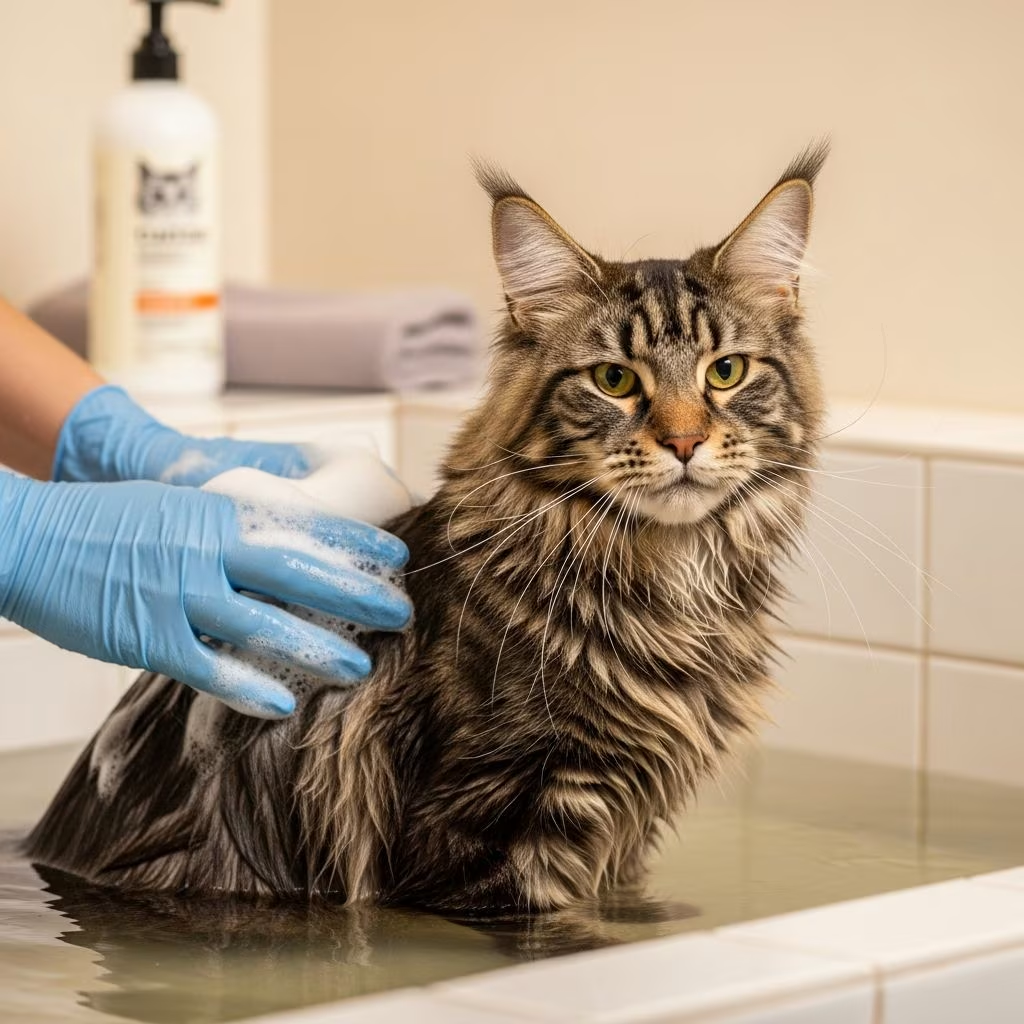
How to Bathe Cats with Medicated Shampoo
Bathing a cat can be challenging, but when your veterinarian prescribes a medicated shampoo for a specific skin condition, it becomes an essential part of your cat’s treatment plan. Understanding the proper techniques and best practices will help you bathe your feline companion effectively while minimizing stress for both you and your pet. This comprehensive guide covers everything you need to know about bathing your cat with medicated shampoo, from preparation through post-bath care.
Why Does Your Cat Need a Medicated Shampoo?
Medicated shampoos are prescription products formulated to treat specific skin conditions in cats. Unlike over-the-counter shampoos advertised as general-purpose products, medicated shampoos are carefully selected by your veterinarian based on your cat’s particular dermatological needs. Understanding why your cat needs this specialized treatment can help you approach the bathing process with confidence.
Common Reasons for Medicated Shampoo Prescription
Veterinarians prescribe medicated shampoos for several specific skin conditions:
– Bacterial skin infections: Mild bacterial infections may be treated exclusively with an antibacterial shampoo, while more severe infections typically require a combination approach using antibacterial shampoo along with oral antibiotics. The medicated shampoo helps eliminate surface bacteria and reduce inflammation.- Yeast infections of the skin: Fungal infections, particularly yeast overgrowth, are effectively treated with antifungal shampoos. These specialized formulations contain ingredients that target and eliminate yeast while preventing recurrence.- Skin allergies: Even when no active infection is present, medicated shampoos can provide significant relief for cats suffering from skin allergies. These formulations contain soothing ingredients that alleviate skin inflammation and itching while helping to reduce potential allergens on the skin and coat.
Your veterinarian will evaluate your cat’s specific condition and select the most appropriate medicated shampoo from the wide variety available. Each formula is designed to address particular skin issues, making professional guidance essential for effective treatment.
Choosing the Right Location for Bathing
The bathing environment plays a crucial role in making the experience less stressful for your cat. Selecting an appropriate location with the right equipment and amenities will contribute significantly to a successful bathing session.
Ideal Bathing Spaces
Cats can be bathed in several convenient locations within your home:
– Bathroom bathtub: Provides ample space and easy access to water.- Sink: Suitable for smaller cats and offers convenient water access.- Laundry tub: Often provides good height and drainage options.- Pet wash facilities: Commercial pet wash facilities with dedicated bathing stations are specially designed for pet comfort and convenience. Many facilities provide towels and helpful items, making this an excellent option if you prefer professional bathing equipment.
Essential Setup Considerations
Regardless of where you bathe your cat, ensure the following conditions are met:
– The area is comfortably warm and comfortable for your cat- You have access to warm water (lukewarm is ideal for bathing)- Clean, dry towels are placed within arm’s reach for easy access when the bath is finished- If possible, use a spray nozzle or hose attachment to make rinsing easier and less stressful for your cat- If you don’t have a hose attachment, prepare a large cup or bowl to collect water from the faucet for pouring over your cat
Step-by-Step Bathing Process
Proper bathing technique ensures that the medicated shampoo works effectively while keeping your cat safe and comfortable. Follow these steps for optimal results.
Step 1: Pre-Bath Preparation
Before applying any medicated shampoo, prepare your cat properly. If your cat is visibly dirty or has debris in the coat, bathe her first with a regular over-the-counter shampoo to remove dirt and debris. This initial cleansing is important because medicated shampoos do not typically contain soaps or detergents and may not thoroughly clean dirty cats. If you have concerns about using an over-the-counter shampoo in combination with your cat’s skin condition, consult your veterinarian for guidance.
Step 2: Thoroughly Rinse with Lukewarm Water
Medicated shampoo must be applied to a clean, wet coat. Begin by thoroughly rinsing your cat with lukewarm water. The water temperature is important for two reasons: it provides comfort to your cat and allows shampoos to work more effectively. Ensure the water is not too hot or too cold, as extreme temperatures can cause discomfort and stress.
Step 3: Apply Medicated Shampoo
Once your cat is clean and wet, begin working the medicated shampoo into the coat. Start with the areas that are most severely affected by the skin condition. These areas typically include:
– The paws- The armpits- The groin area- The area around the rectum
After thoroughly rubbing the shampoo into these problem areas, begin massaging the shampoo into the coat across the rest of your cat’s body. Make sure to work the product throughout the entire coat for consistent treatment.
Step 4: Allow Contact Time
Once the shampoo has been thoroughly worked into your cat’s coat, set a timer for 10 minutes, or follow the specific contact time prescribed by your veterinarian. The contact time allows the active ingredients in the medicated shampoo to work effectively on the skin. Do not rinse before the timer goes off, as this will reduce the shampoo’s effectiveness. During this time, you can gently hold or comfort your cat to keep her calm.
Step 5: Thorough Rinsing
When the timer goes off, it is time to rinse thoroughly. Ensure you rinse all the shampoo from every area of your cat’s body. This process will take several minutes, and it is critically important not to leave residual shampoo on the skin. Leftover shampoo can cause irritation or reduce the treatment’s effectiveness. Use the spray nozzle or cup to thoroughly remove all product, paying special attention to areas where shampoo tends to accumulate.
Step 6: Apply Leave-In Conditioner (If Prescribed)
If your veterinarian prescribed a leave-in conditioner, apply it now after rinsing the medicated shampoo. This additional product can help protect and soothe the skin.
Step 7: Drying and Aftercare
After bathing, dry your cat thoroughly with a towel and keep her in a warm area until she is completely dry. Proper drying prevents chilling and discomfort. Ensure your cat has access to a warm, draft-free space during the drying process.
Bathing Frequency and Treatment Timeline
The frequency of medicated baths depends on the specific skin condition being treated. In many cases, weekly medicated baths are recommended. However, your veterinarian may recommend bathing more frequently or less frequently based on the details of your cat’s particular skin condition. Follow your veterinarian’s specific recommendations for your cat’s treatment plan.
Typically, skin conditions should improve within the first few weeks of using a medicated shampoo. Your veterinarian can provide a better idea of what to expect with your cat’s specific condition and provide guidance on adjusting the treatment plan as needed.
Important Shampoo Selection Guidelines
Using the correct shampoo is essential for your cat’s skin health and safety. Never deviate from your veterinarian’s recommendations without professional guidance.
Why Cat-Specific Shampoos Matter
Cats should only be bathed with a shampoo specifically formulated for use on cats. Their skin has a different thickness and pH (acidity) level than human skin, making human shampoos, including baby shampoo, far too harsh for feline skin. Similarly, never use dog shampoo on cats, as it may be formulated differently and potentially cause irritation or toxicity when ingested during grooming.
For routine bathing between medicated treatments, a hypoallergenic shampoo without added perfumes is the best choice. Always ask your veterinarian which shampoo is best for your cat’s specific needs.
What to Expect After Bathing
Understanding normal post-bath reactions helps you distinguish between expected responses and potential problems requiring veterinary attention.
Normal Post-Bath Observations
You may notice that your cat’s skin appears slightly red immediately after a bath. This typically does not indicate a reaction to the shampoo; instead, it reflects an increase in skin circulation that often occurs after bathing. This redness usually subsides within a short time as circulation normalizes.
Signs of Concern
Contact your veterinarian if you observe concerning symptoms. While uncommon, allergic reactions to medicated shampoo can occur. If your cat’s skin appears to be consistently worsening with bathing, or if you notice signs of severe irritation, excessive scratching, or other adverse reactions, contact your veterinarian immediately. These symptoms may indicate that the current medicated shampoo is not appropriate for your cat’s condition.
Frequently Asked Questions
Q: How often should I bathe my cat with medicated shampoo?
A: The bathing frequency depends on your cat’s specific skin condition. Many veterinarians recommend weekly medicated baths, but your veterinarian may adjust this schedule based on your cat’s particular needs. Always follow your veterinarian’s specific recommendations.
Q: Can I use human shampoo on my cat?
A: No. Cats have delicate skin with a different pH than humans. Human shampoo, including baby shampoo, is too harsh for feline skin and can cause irritation. Always use cat-specific shampoos as recommended by your veterinarian.
Q: Why does my cat need to be rinsed before applying medicated shampoo?
A: Medicated shampoo must be applied to a clean, wet coat for optimal effectiveness. If dirt and debris remain on the skin, the medicated ingredients cannot work properly. Rinsing removes these barriers and allows the shampoo to treat the underlying skin condition.
Q: What should I do if my cat has a reaction to the medicated shampoo?
A: While allergic reactions are uncommon, they can occur. If you notice worsening skin condition, severe irritation, excessive itching, or other concerning symptoms, contact your veterinarian immediately. They may recommend an alternative medicated shampoo.
Q: How long does medicated shampoo need to stay on my cat’s skin?
A: Typically, medicated shampoo should remain on the coat for 10 minutes, though your veterinarian may prescribe a different contact time. Set a timer to ensure proper contact time, as this allows the active ingredients to work effectively.
Q: Can I bathe my cat at home or should I use a professional facility?
A: You can bathe your cat at home using a bathtub, sink, or laundry tub. However, commercial pet wash facilities with dedicated bathing stations are also available and may be more convenient. Choose whichever option works best for you and your cat.
Q: Is it normal for my cat’s skin to be red after bathing?
A: Yes, slight redness immediately after bathing is normal and typically indicates increased skin circulation from the warm water. This should subside quickly. However, if redness persists or worsens, contact your veterinarian.
Q: Can I use a regular shampoo before medicated shampoo?
A: Yes, if your cat is visibly dirty, you can bathe her with a regular over-the-counter cat shampoo first to remove dirt and debris, then follow with the medicated shampoo. Consult your veterinarian if you have concerns about this approach for your cat’s specific condition.
References
- How to Bathe Cats with Medicated Shampoo — VCA Animal Hospitals. https://vcahospitals.com/know-your-pet/how-to-bathe-cats-with-medicated-shampoo
- Grooming and Coat Care for Your Cat — VCA Animal Hospitals. https://vcahospitals.com/know-your-pet/grooming-and-coat-care-for-your-cat
- Coat and Skin Appearance in the Healthy Cat — VCA Animal Hospitals. https://vcahospitals.com/know-your-pet/coat-and-skin-appearance-in-the-healthy-cat
- Personal Care Products and Your Pet — VCA Animal Hospitals. https://vcahospitals.com/know-your-pet/personal-care-products-and-your-pet
- How To Choose The Right Dog & Cat Shampoo — VCA Animal Hospitals. https://vcahospitals.com/shop/home/dermatology/pet-skin-care/tailor-your-pet-s-shampoo-to-their-skin-care-needs



