

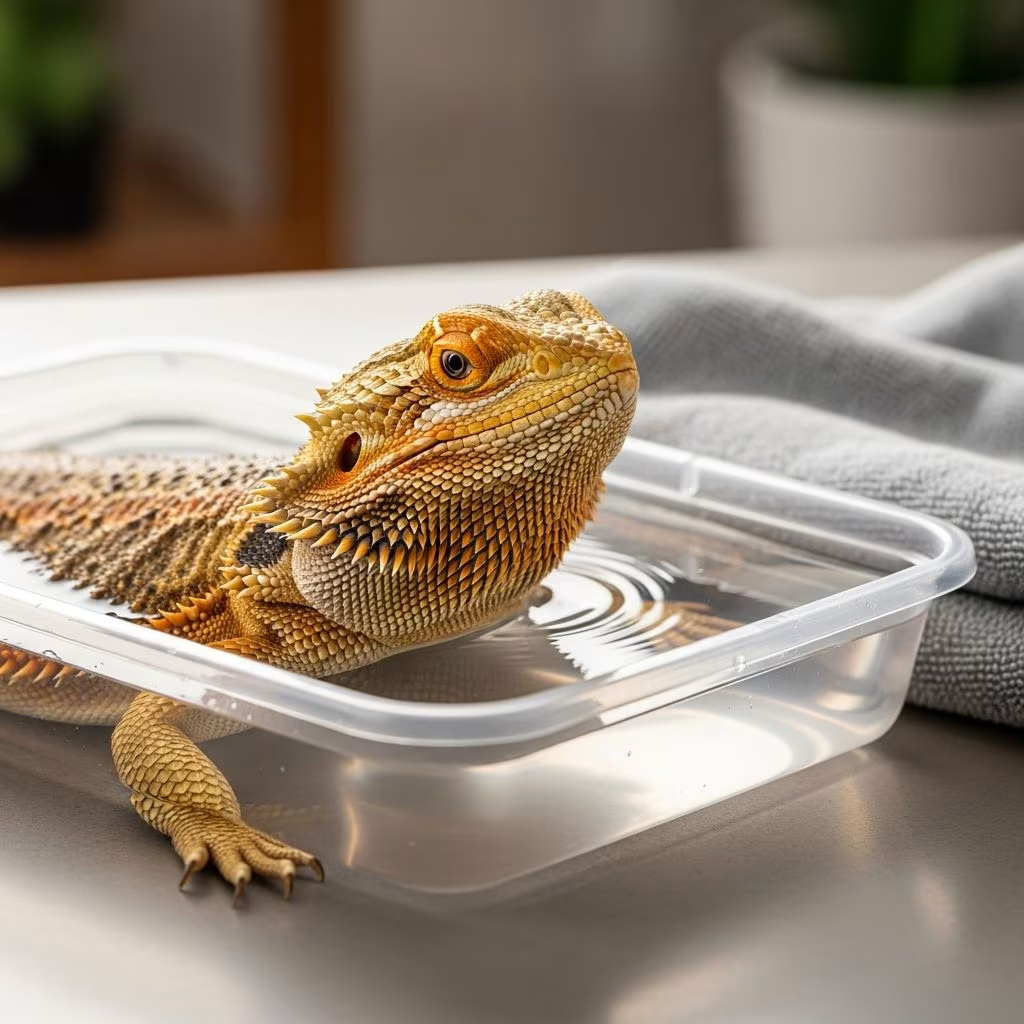
How to Bathe a Bearded Dragon: Complete Care Guide
Bathing your bearded dragon is an essential part of responsible reptile care that offers numerous benefits beyond just keeping your pet clean. Regular baths provide hydration, aid in shedding, and help alleviate constipation while creating valuable bonding opportunities between you and your scaly companion. While some bearded dragons enthusiastically embrace bath time and others require patience, understanding the proper techniques ensures a safe and comfortable experience for your pet.
Why Bathing Your Bearded Dragon Matters
Understanding the importance of regular baths helps motivate consistent care routines. Bearded dragons benefit from baths in multiple ways that contribute to their overall health and wellbeing.
Hydration Benefits
One of the most significant advantages of regular bathing is improved hydration. Many bearded dragons refuse to drink from traditional water dishes but readily absorb water through their skin during baths. This is particularly important since bearded dragons naturally come from arid desert environments where they’ve evolved to obtain much of their moisture from their food and occasional rainfall. By providing regular bath opportunities, you’re mimicking their natural hydration patterns and ensuring they receive adequate water intake to maintain optimal health.
Relief from Shedding
Bearded dragons shed their skin regularly throughout their lives, and this process can cause significant discomfort. Warm baths soften the skin and help loosen dead skin cells, making the shedding process more manageable and less stressful. The warm water helps open pores and facilitates natural skin renewal. However, it’s crucial to never forcefully pull away shedding skin, as this can cause serious harm to your dragon. Instead, allow the skin to shed naturally while gently rubbing it with a soft brush in the direction of the scales.
Constipation Relief
Constipation is a common health issue in bearded dragons that can cause significant discomfort and digestive problems. Warm baths stimulate bowel movements and provide relief from constipation. The warm water relaxes the muscles and often encourages your dragon to defecate naturally. Many owners report that their dragons frequently have bowel movements during or immediately after bath time.
Bonding Opportunity
Bath time provides an excellent opportunity to bond with your bearded dragon in a calm, controlled environment. If your dragon isn’t overly stressed, you can use this time to gently interact, observe their behavior, and build trust. This regular interaction strengthens your relationship and helps your dragon become more accustomed to handling.
Essential Supplies and Preparation
Before you begin bathing your bearded dragon, gather all necessary supplies to ensure a smooth, safe experience without interruptions.
Required Equipment and Materials
Having everything prepared before bringing your dragon to the bath prevents unnecessary stress and delays:
– Shallow container, bin, or bathroom sink (choose based on your dragon’s size and comfort level)- Soft towel for drying- Soft-bristled toothbrush for gentle cleaning- Mug or cup for pouring water- Small rock or platform for climbing- Thermometer to monitor water temperature- White vinegar and water solution for disinfection- Optional: bath toys for entertainment
Water Temperature Guidelines
Proper water temperature is critical for your bearded dragon’s safety and comfort. The ideal temperature range is 85 to 95 degrees Fahrenheit (29 to 35 degrees Celsius). Water that’s too cold can cause your dragon’s body temperature to drop dangerously, while water that’s too hot can cause burns. Always test the water with your elbow or a thermometer before introducing your dragon to ensure it’s lukewarm and comfortable.
Water Depth Considerations
Water depth is a critical safety factor that varies based on your dragon’s age and size. For juvenile bearded dragons, use between one-half inch and one inch of water. Adult bearded dragons can safely bathe in one to three inches of water. The water should never be higher than your dragon’s knees or belly, and they should never have to struggle to keep their head above water. If your dragon appears to be working to stay afloat, remove some water immediately.
Step-by-Step Bathing Instructions
Follow these systematic steps to ensure a safe and effective bathing experience for your bearded dragon.
Step 1: Prepare and Fill the Container
Begin by selecting an appropriate container. Many owners prefer using their bathroom or kitchen sink for convenience, while others use shallow plastic bins or tubs. Fill the chosen container with lukewarm water to the appropriate depth for your dragon’s size. Never use soap, detergents, or chemicals in the water. Plain lukewarm water is all your dragon needs.
Step 2: Verify Temperature and Depth
Before introducing your dragon, double-check that the water temperature falls within the ideal 85 to 95-degree Fahrenheit range. Confirm the water depth is appropriate and safe. These final checks prevent complications and ensure your dragon’s comfort.
Step 3: Gently Place Your Dragon in the Water
Calmly and slowly lower your bearded dragon into the water, allowing them time to adjust. Speak in a calm voice and move deliberately to minimize stress. Support their body properly and never drop them into the water.
Step 4: Supervise Continuously
Never leave your bearded dragon unattended during a bath. Bearded dragons can drown surprisingly quickly, especially if water is too deep or they panic. Maintain constant supervision and keep your hands nearby to provide support and reassurance.
Step 5: Allow Soaking Time
Let your dragon soak in the warm water for 10 to 20 minutes. During this time, they can move around, explore, and absorb water through their skin. If the water becomes visibly dirty during soaking, replace it with fresh warm water to maintain hygiene.
Step 6: Gentle Cleaning
Using a soft-bristled toothbrush or your hand, gently pour water over your dragon’s body to rinse away any debris. Work in the direction of their scales. Avoid the eyes, nose, and cloaca, as these sensitive areas require extra caution. Never scrub aggressively or use harsh motions that could stress or injure your dragon.
Step 7: Thorough Drying
When bath time is complete, gently remove your dragon from the water and immediately wrap them in a soft, dry towel. Pat them dry carefully without rubbing, as this can irritate their skin, especially if they’re shedding. Get them as dry as possible, as moisture left on their skin can cause their body temperature to drop dangerously.
Step 8: Basking and Warming
Since bearded dragons are cold-blooded and rely on external heat sources to regulate body temperature, immediately place your dragon back in their enclosure under their basking light. This allows them to warm up and return to their normal body temperature. Ensure their basking spot is at the appropriate temperature for your specific dragon species.
Step 9: Clean and Disinfect the Container
After the bath, clean and disinfect the container or sink to maintain optimal hygiene. Rinse with a solution of water and white vinegar to eliminate bacteria while protecting your dragon from harsh chemical residues. You can also pre-wash the container before the next bath for extra safety.
Bath Duration and Frequency
Bath time can range from 5 to 30 minutes depending on your individual dragon’s tolerance level and preferences. Some bearded dragons love extended soaking sessions, while others become stressed quickly. If your dragon enjoys longer baths, replace the water if it becomes too cold during the soak to maintain proper temperature.
Most experts recommend bathing your bearded dragon one to two times per week. This frequency provides adequate hydration and shedding relief without causing excessive stress or disruption to their routine.
Tips for Reluctant Bathers
Not all bearded dragons take to bath time immediately. If your dragon shows signs of stress or resistance, these strategies may help.
Start Slowly and Stay Calm
If the water isn’t too cold or too high, your dragon may simply need time to adjust to bath time. Begin with very shallow water and maintain a calm, gentle demeanor throughout the process. Your relaxed attitude will help your dragon feel more secure.
Use a Smaller Container
If your dragon seems intimidated by a large sink or bathtub, try using a smaller receptacle with shorter walls. The reduced space may help your dragon feel less threatened and more secure during the bath.
Try Daily Misting
If your dragon is extremely stressed during baths and won’t calm down, consider misting them daily as an alternative hydration method. While not ideal, daily misting can boost hydration and provide some cleaning benefits between weekly baths. This approach reduces stress while still providing meaningful care.
Incorporate Bath Toys
If your dragon is calm enough during bath time, offer a bath toy or two to help them relax and enjoy the experience. Small floating toys or safe objects can provide entertainment and distraction.
Important Precautions and Common Mistakes
Avoiding common bathing errors helps ensure your dragon’s safety and comfort.
Never Pull Shedding Skin
One of the most critical rules is never forcefully remove shedding skin, as this can seriously harm your bearded dragon. Instead, allow the skin to fall off naturally. You can gently rub shedding areas with a soft brush in the direction of the scales to encourage natural shedding.
Avoid Water in Eyes and Nose
Be extremely careful not to get water in your dragon’s eyes, nose, or cloaca. These sensitive areas require extra protection. If water accidentally enters these areas, gently wipe with a soft cloth.
Don’t Use Chemicals or Soap
Never use soap, detergents, or chemical cleaners in your dragon’s bath water. Plain lukewarm water is all that’s needed and is safest for your pet’s skin.
Prevent Drowning
Always maintain constant supervision and ensure water depth is appropriate for your dragon’s size. Never leave your dragon unattended, even for a moment.
Note About Normal Bathroom Behavior
Don’t worry if your bearded dragon defecates in the bath—this is completely normal behavior. Simply replace the water so your dragon isn’t bathing in dirty water, then continue the bath as normal.
Outdoor Bathing Considerations
Bathing your bearded dragon outdoors is possible but requires careful consideration. Only bathe your dragon outside on very hot days. If the outdoor temperature is cool, your dragon can become dangerously cold during or after the bath, making it very difficult for them to return to normal body temperature. The benefits of outdoor bathing don’t outweigh the risks unless conditions are optimal.
Frequently Asked Questions
Q: How often should I bathe my bearded dragon?
A: Most experts recommend bathing your bearded dragon one to two times per week to provide adequate hydration and shedding relief while maintaining a healthy routine.
Q: What is the ideal water temperature for bearded dragon baths?
A: The ideal water temperature is between 85 and 95 degrees Fahrenheit (29 to 35 degrees Celsius). Always use a thermometer to verify temperature before bathing your dragon.
Q: How long should a bath last?
A: Bath duration typically ranges from 10 to 20 minutes for optimal soaking time. However, total bath time can range from 5 to 30 minutes depending on your dragon’s tolerance and preferences.
Q: What should I do if my bearded dragon hates baths?
A: Try using a smaller container, maintaining very shallow water, staying calm and gentle, or implementing daily misting as an alternative. Never force your dragon into excessive stress, but do continue offering baths regularly so they can adjust.
Q: Is it normal for bearded dragons to poop in the bath?
A: Yes, this is completely normal behavior. Simply replace the water and continue the bath. Many bearded dragons defecate during or after warm baths due to the relaxing effect of warm water.
Q: Can I use soap or chemicals in the bath water?
A: No, never use soap, detergents, or chemical cleaners. Plain lukewarm water is all your dragon needs and is safest for their sensitive skin.
Q: What water depth is safe for bathing bearded dragons?
A: For juveniles, use one-half to one inch of water. For adults, use one to three inches. Water should never be higher than your dragon’s belly, and they should never struggle to keep their head above water.
References
- Your Bearded Dragon Bath Guide: How to Bathe a Bearded Dragon in 7 Easy Steps — Dragon’s Diet. 2025. https://dragonsdiet.com/blogs/dragon-care/your-bearded-dragon-bath-guide
- How To Bath Your Bearded Dragon Properly — YouTube. 2025. https://www.youtube.com/watch?v=Icba62Z8A6Q
- The BEST Way to Give Your Bearded Dragon a Bath — Big Al’s Online. 2025. https://www.youtube.com/watch?v=iBfZColV7CY
- Bearded Dragon Basics — Clarington Animal Hospital. 2025-06-15. https://claringtonvet.ca/2025/06/15/from-the-desert-to-the-den-bearded-dragon-basics/
- The Ultimate Bearded Dragon Care Guide — ReptiFiles. 2025. https://reptifiles.com/bearded-dragon-care/
- How to Bathe Your Pet Reptile — Zilla. 2025. https://www.zillarules.com/articles/how-to-bathe-your-pet-reptile



