

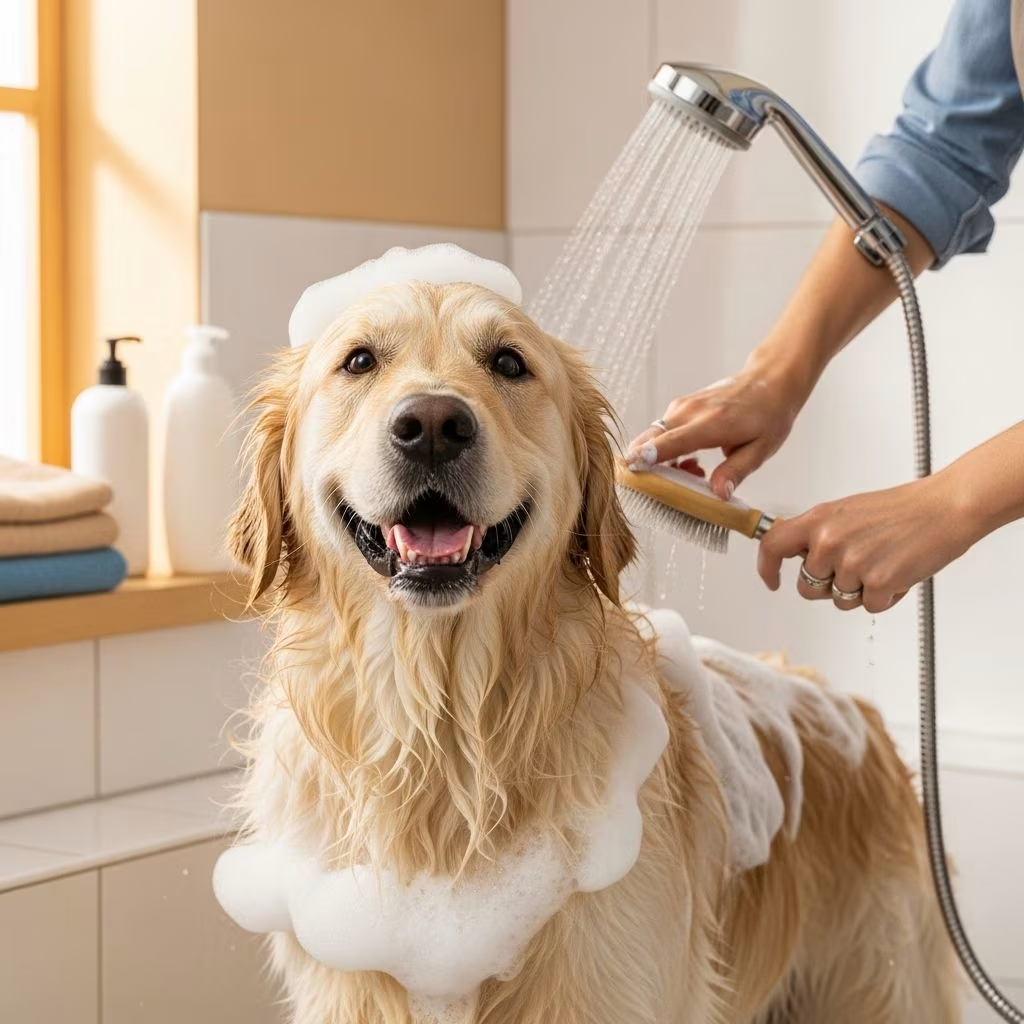
How to Bathe a Dog: Step-by-Step Tips from a Professional Groomer
Bathing your dog at home doesn’t have to be stressful or complicated. With the right preparation, techniques, and mindset, you can create a positive bathing experience that keeps your furry friend clean, healthy, and happy. Professional groomers have perfected the art of dog bathing over years of experience, and their insights can help transform bath time from a dreaded chore into an enjoyable routine for both you and your pet.
Whether you’re a first-time dog owner or someone looking to improve your current bathing routine, understanding the proper steps and techniques can make a significant difference in how your dog responds to being bathed. This comprehensive guide will walk you through everything you need to know about bathing your dog safely and effectively.
Preparation: Setting Yourself Up for Success
The key to a successful dog bath starts long before water touches your pet’s coat. Proper preparation ensures that you have everything you need within arm’s reach and that your dog is mentally and physically ready for the experience.
Gather Your Supplies
Before you bring your dog anywhere near water, assemble all necessary supplies in your bathing area. Having everything ready prevents you from leaving your dog unattended to fetch forgotten items. Essential supplies include:
– Dog-specific shampoo appropriate for your dog’s coat type and skin condition- Conditioner (optional but recommended for long-haired or dry-coated dogs)- Soft washcloths and sponges for gentle cleaning- Multiple absorbent towels for drying- A rubber mat to prevent slipping and provide security- A cup, pitcher, or handheld shower head for rinsing- Treats for positive reinforcement- A brush for pre-bathing and detangling
Having these items organized and within reach makes the bathing process smoother and allows you to focus on your dog rather than scrambling for supplies.
Choose the Right Location
The bathing location you select should be comfortable, safe, and practical. Many people use their bathtubs or showers, though some prefer outdoor locations during warm weather or use large dog-specific bathing stations. Whatever location you choose, ensure it has adequate drainage and is free from hazards. Place a non-slip mat on the bottom to prevent your dog from sliding, which can cause anxiety and injury. The mat provides crucial stability and helps your dog feel secure throughout the bathing process.
Prepare Your Dog Mentally
If your dog is new to bathing or anxious about the process, take time to desensitize them to the bathing area and equipment. Introduce them to towels, buckets, shampoo containers, and hoses one item at a time. Let them explore the empty tub with treats as rewards. Once they’re comfortable in the dry space, turn the water on for just a few seconds at a time. This gradual introduction can take several sessions but pays dividends in reducing bath-time stress.
Pre-Bath Steps
Before water ever touches your dog, several important preparatory steps should be completed to ensure the best bathing experience and protect your dog’s health.
Tire Out Your Dog
A dog with excess energy is more likely to squirm, shake, and be difficult during bath time. Before bathing, take your dog for a good walk or play session. Physical activity helps burn off excess energy and makes your dog calmer and more cooperative during the bath. A tired dog is significantly easier to bathe and less likely to resist or misbehave.
Brush Your Dog Thoroughly
Brushing your dog before bathing removes excess dirt, debris, and loose fur. More importantly, it eliminates mats and tangles that can trap water against the skin, potentially causing irritation or infection. Matted hair holds moisture, prevents shampoo from reaching the skin, and becomes worse when wet. Spend adequate time brushing to remove any tangles before introducing water. Pay special attention to areas prone to matting, such as behind the ears, under the armpits, and around the tail.
Check Water Temperature
The ideal water temperature for bathing dogs is lukewarm to warm, but never hot. Use your elbow or wrist to test the temperature, just as you would for a baby. Water that’s too hot can burn your dog’s sensitive skin and cause discomfort, while water that’s too cold can shock their system and increase anxiety. Maintaining a comfortable temperature is especially important for dogs nervous about baths, as it helps create a positive association with the experience.
The Bathing Process: Step-by-Step Technique
Now that you’re fully prepared, it’s time to begin the actual bathing process. Following these professional techniques will ensure thorough cleaning while maintaining your dog’s comfort and safety.
Gently Ease Your Dog Into the Water
Don’t force your dog directly into the water. Instead, let them approach the tub at their own pace and step in gradually. You might place them in the empty tub first, then slowly introduce water. Start by wetting their paws to help them acclimate to the sensation gradually. Use gentle water pressure to avoid startling them. Speak in a calm, reassuring tone throughout the process and offer treats frequently to maintain positive associations with bathing.
Wet Your Dog’s Body Systematically
Once your dog is acclimated to the water, systematically wet their entire coat. Begin at the back of their body and work toward the head, starting from the neck and moving down to the tail. Use a cup or pitcher to pour warm water gently over their body, or use a handheld shower at low pressure. Always avoid the face, eyes, and ears during this initial wetting. Make sure to saturate their underside, legs, paws, and any areas with longer or thicker fur where water doesn’t penetrate easily. Move slowly and deliberately to keep your dog calm and prevent startling them.
Apply Dog Shampoo
Before applying shampoo, check the bottle’s instructions to see if the product needs dilution. Some shampoos are concentrated and should be mixed with water before application. Apply an appropriate amount of shampoo to your dog’s coat, starting from the neck and working backward toward the tail. Be particularly careful around sensitive areas like the face and ears, using minimal shampoo in these zones to prevent irritation.
Massage the shampoo into your dog’s coat with gentle, circular motions. This process does more than just clean; it also helps relax your dog through the soothing massage and allows shampoo to penetrate the undercoat where dirt and oil accumulate. Don’t forget easily overlooked areas like paws, between toes, and the underbelly. A gentle back massage during this phase not only ensures thorough cleaning but also helps your dog view bath time as a positive, relaxing experience.
Rinse Thoroughly
Proper rinsing is one of the most critical steps in the bathing process. Leftover shampoo residue is one of the primary causes of dry, itchy skin and dandruff in dogs. Fill your cup or pitcher with clean, warm water and methodically rinse your dog’s entire body. Use your fingers to work through the coat as you rinse, ensuring you remove all suds and soap residue. Pay special attention to areas where shampoo tends to hide, such as under the legs, around the collar area, between toes, in the armpits, and in the underbelly. Continue rinsing until the water runs completely clear and you can run your hands through your dog’s coat without feeling any slippery residue.
Apply Conditioner (Optional)
For dogs with long hair or dry skin, applying conditioner after shampooing can provide significant benefits. Conditioner helps restore moisture to the coat, reduces tangling, and improves overall coat health. If using conditioner, apply it similarly to the shampoo, massaging it gently throughout the coat. Allow the conditioner to sit for about five minutes to allow the product to do its job. During this time, continue massaging and providing reassurance to your dog. Afterward, rinse the conditioner completely, ensuring no residue remains, as leftover conditioner can make the coat greasy and attract dirt.
Drying Your Dog
Proper drying is just as important as proper bathing. Moisture left in your dog’s coat can lead to skin issues, matting, and odor.
Towel Dry First
Place one towel on the floor and wrap your dog in a second large, absorbent towel. Gently but vigorously rub your dog dry, paying special attention to areas that retain moisture like the ears, armpits, and between toes. Pat rather than rub harshly to avoid tangles and discomfort. Remove as much water as possible with towels, as this significantly speeds up the complete drying process. Professional groomers often use absorbent towels specifically designed to draw moisture from the coat quickly and efficiently.
Use a Hair Dryer (If Your Dog Is Comfortable)
For a completely dry coat, use a low-heat hair dryer on the lowest setting if your dog is comfortable with it. Maintain a safe distance of at least 12 inches from your dog’s body and never direct the dryer toward sensitive areas like the face and ears. Move the dryer continuously to prevent overheating any one spot. Allow your dog to acclimate to the dryer’s sound before getting close with it. Some dogs never become comfortable with hair dryers, and that’s perfectly acceptable—thorough towel drying alone is often sufficient.
Post-Bath Care
After drying, check your dog’s ears carefully. If water entered the ears during bathing, gently clean the outer ear with a soft, dry cloth. Excess moisture in the ears can lead to infections. If you notice signs of water in the middle or inner ear (shaking head, scratching ears repeatedly), contact your veterinarian. Some owners use specially formulated dog ear cleaner after baths to prevent infections in water-prone ears.
Important Tips for a Stress-Free Bath
Beyond the basic steps, several professional techniques can significantly improve the bathing experience for your dog:
– Maintain a calm, patient demeanor throughout the process—dogs sense anxiety and will mirror your stress- Use a consistent, gentle tone of voice and offer continuous praise and encouragement- Provide treats frequently during all stages to create positive associations- Never punish your dog for being nervous or reluctant during baths- Keep the first baths short; build up to longer sessions as your dog becomes more comfortable- Have a helper present for additional support and safety if your dog is particularly anxious or large- Avoid getting water or shampoo in your dog’s eyes, nose, and mouth- Use only dog-specific shampoo, never human shampoo, which can disrupt your dog’s skin pH balance
Choosing the Right Shampoo and Conditioner
Not all shampoos are created equal. Selecting the right product for your dog’s specific needs is crucial for maintaining healthy skin and coat. Consider your dog’s coat type—short, long, curly, or double-coated—and any existing skin conditions. Dogs with sensitive skin benefit from hypoallergenic formulas. If your dog has skin allergies or dermatitis, consult your veterinarian for product recommendations. Always perform a patch test on a small area before using a new shampoo to ensure your dog doesn’t have adverse reactions.
How Often Should You Bathe Your Dog?
The bathing frequency depends on your dog’s breed, coat type, activity level, and skin condition. Most dogs benefit from bathing every 4-12 weeks. Dogs with oily coats, those who spend significant time outdoors, or those with skin conditions may need more frequent baths. Conversely, dogs with dry skin or certain coat types may need less frequent bathing. Overbathing can strip natural oils from the coat and cause dryness, so avoid bathing more often than necessary. Your veterinarian can recommend an ideal bathing schedule for your specific dog.
Common Mistakes to Avoid
Understanding what not to do is as important as knowing what to do. Common bathing mistakes include using water that’s too hot or too cold, failing to rinse thoroughly, not brushing before bathing, and using human shampoo. Additionally, rushing the process, skipping the pre-bath preparation, and neglecting post-bath ear care are frequent errors that compromise the benefits of bathing. Avoid submerging your dog’s head underwater, and never spray directly into their ears or nose. These mistakes can create negative associations with bathing and potentially harm your dog.
Frequently Asked Questions
Q: What should I do if my dog hates baths?
A: Start with short, positive experiences in the bathing area without water. Gradually introduce water to their paws only. Use high-value treats, maintain a calm demeanor, and consider using a grooming table rather than a tub. Some dogs simply need more time and patience to adjust. If anxiety persists, discuss options with your veterinarian.
Q: Can I use human shampoo on my dog?
A: No. Dogs have different skin pH than humans, and human shampoo can disrupt their skin’s natural balance, causing irritation, dryness, and itching. Always use dog-specific shampoo formulated for canine skin.
Q: How do I prevent water from getting in my dog’s ears?
A: Use cotton balls placed loosely in your dog’s ears to block water, or use a shower cap designed for dogs. Be careful when wetting around the head and avoid direct water spray near the ears. Always check ears after bathing and dry them thoroughly.
Q: Should I bathe my dog before or after brushing?
A: Always brush before bathing. This removes mats, tangles, and loose fur that would trap water and potentially cause skin issues when wet.
Q: What’s the best water temperature for dog baths?
A: Lukewarm to warm water is ideal. Test the temperature with your elbow or wrist before bathing. It should feel comfortably warm, never hot.
Q: How long should a dog bath take?
A: A typical dog bath takes 15-30 minutes depending on your dog’s size and coat type. Don’t rush the process, especially during rinsing, which is crucial for preventing skin issues.
Q: Can I use a regular towel to dry my dog?
A: While regular towels work, microfiber or absorbent towels specifically designed for pets are more effective at removing moisture quickly. These specialized towels can significantly speed up the drying process.
References
- The Ultimate Guide on How to Bathe Your Dog — Wahl USA. 2024. https://wahlusa.com/how-to/pet-grooming-guides/dog-care/bathing
- How to Bathe a Dog: Step-By-Step Tips — Purina US. 2024. https://www.purina.com/articles/dog/health/routine-care/how-to-bathe-a-dog
- How to bathe your dog: A complete guide — Vet Radar. 2024. https://www.vetradar.com/blog/how-to-bathe-your-dog-a-complete-guide
- How to Bathe a Dog Safely: Stress-Free Guide — PetsCare.com. 2024. https://www.petscare.com/news/post/how-to-bathe-dog-safely
- Guide To Dog Cleaning And Grooming — RSPCA Pet Insurance. 2024. https://www.rspcapetinsurance.org.au/pet-care/dog-care/dog-grooming-guide



