

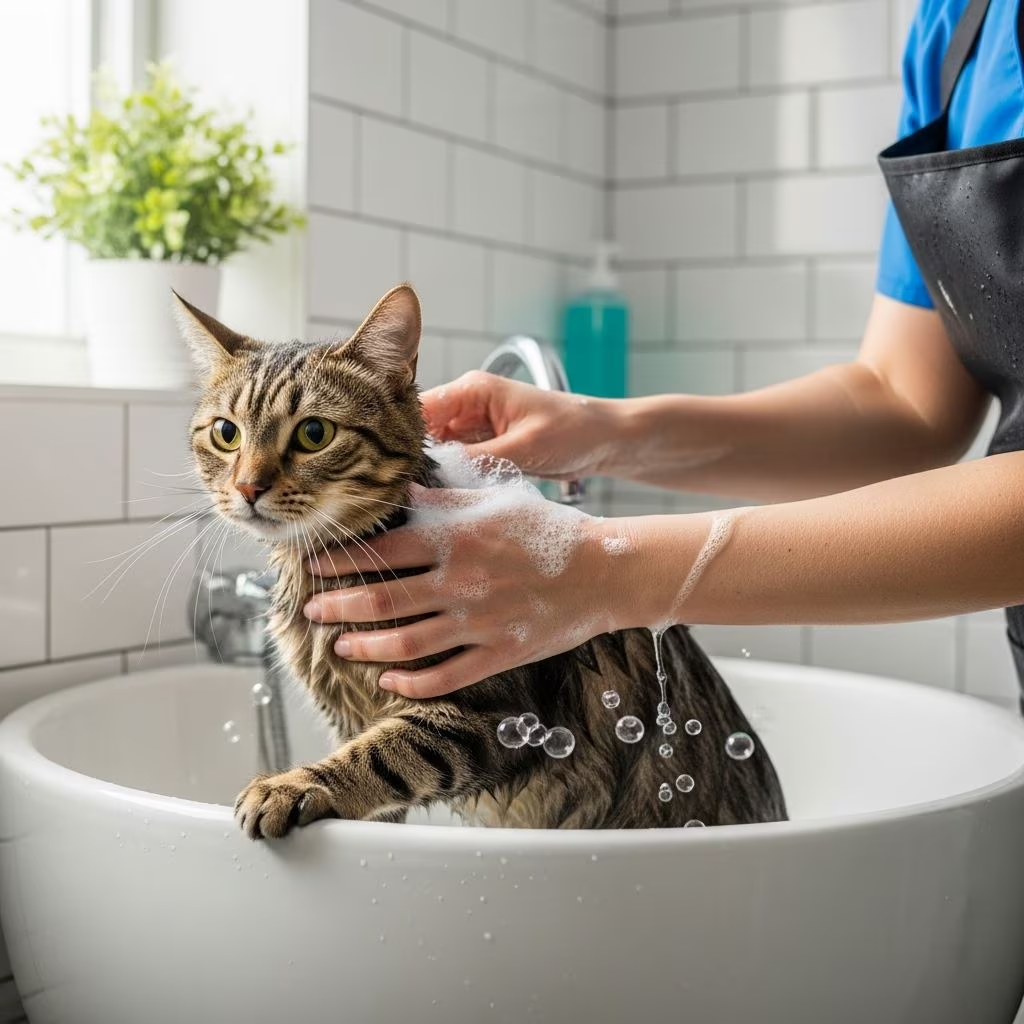
How to Bathe a Cat: Step-by-Step Tips From a Professional Groomer
Bathing a cat can be a daunting task for many pet owners, as most cats have a well-deserved reputation for disliking water. However, with the right preparation, techniques, and mindset, you can successfully bathe your feline friend while keeping both of you calm and safe. Professional groomers have developed proven methods to make the bathing experience less stressful for cats and more manageable for their owners. This comprehensive guide will walk you through every step of the process, from preparation to drying, while incorporating expert tips to help your cat feel secure and comfortable.
Why Bathe Your Cat?
While cats are naturally excellent self-groomers, there are several situations where a bath becomes necessary. Elderly cats may no longer groom themselves effectively, cats with long coats may develop mats and tangles that require professional cleaning, and outdoor or indoor-outdoor cats may accumulate dirt, oils, or odors that need to be washed away. Additionally, cats with skin conditions or allergies may benefit from medicated baths prescribed by a veterinarian. However, if your cat maintains a healthy coat and doesn’t have specific health concerns, you may never need to bathe your cat at all—most cats keep themselves perfectly clean through their natural grooming habits.
Preparation: The Foundation for Success
The most critical aspect of bathing your cat successfully is thorough preparation. Gathering all necessary supplies beforehand ensures the process moves quickly and smoothly, reducing stress for your pet.
Essential Supplies You’ll Need
Before you even think about water, assemble the following items within arm’s reach of your bathing area:
- Cat-specific shampoo (never use human shampoo, which can irritate feline skin)
- A non-slip mat for the sink or tub bottom
- Towels (multiple, for drying and cleanup)
- A cup or spray nozzle for wetting and rinsing
- A washcloth for cleaning the face and ears
- Cotton balls or artificial tears for eye protection
- Treats to reward good behavior
- Optional: a second person to assist with holding your cat
Pre-Bath Cat Preparation
Before introducing your cat to water, take these important preparatory steps. First, brush your cat thoroughly to remove any mats, tangles, or loose hair. This not only makes the bathing process more effective but also prevents matted fur from becoming worse when wet. Next, trim your cat’s nails a day or two before the bath—this reduces the likelihood of accidental scratches during the process, protecting both you and your cat.
Choose the right time for the bath. Schedule it when your cat is calm and mellow, ideally after playtime or a meal when they’re more relaxed. Avoid bathing your cat when they’re energized or anxious, as this will only intensify their stress and resistance.
Testing Water Temperature
Water temperature is crucial for your cat’s comfort and safety. Test the water with your wrist—it should feel pleasantly warm, similar to the temperature you’d use for a baby. Never use hot water, as cats are sensitive to heat and can become overheated quickly since they don’t cool down the way humans do. Lukewarm water is ideal; it’s comfortable enough to keep your cat calm without posing any risk.
Introducing Your Cat to Water Gradually
If your cat isn’t accustomed to baths, spend time acclimating them to water before the actual bathing day. Begin with gentle exposure: wet a washcloth and let your cat feel it, offer treats while running water nearby so they associate the sound with rewards, and speak in calm, soothing tones throughout these introductions. Some cats respond well to dripping sessions where you simply let water drip onto their back, or short play sessions near running water. Building positive associations with water over several days or weeks can dramatically improve the bathing experience.
Step 1: Wet Your Cat From the Ears Back
Now that you’re ready to begin, start by filling the sink or tub with just a few inches of lukewarm water—enough to wet your cat without submerging them. Gently place your cat on the non-slip mat to give them secure footing and prevent slipping or falling, which would increase their anxiety.
Using a sprayer, pitcher, or even your cupped hand, begin wetting your cat from behind their ears down to their tail. Work methodically, ensuring you wet their back, sides, and underside. If you need to wet the underside, you may gently lift your cat slightly with one hand under their front legs while using your other hand to pour water. Avoid the face and ears during this stage—you’ll address those separately. Take your time and speak softly to keep your cat calm throughout.
Step 2: Apply Shampoo and Lather
Once your cat is thoroughly wet, apply shampoo according to the instructions on the bottle. Some shampoos require dilution before use, so always read the label carefully. Apply the shampoo starting at the neck and work your way down to the tail, paying special attention to areas that tend to get dirtier or oilier, such as the genital area, under the legs, and around the tail base.
Massage the shampoo gently into your cat’s coat, working it down to the skin. Use a firm but gentle touch—this feels more pleasant to your cat than light, ticklish motions. If you have assistance, one person can hold the cat gently while the other applies and works in the shampoo. Be extremely careful to avoid getting any shampoo in your cat’s eyes, nose, or mouth. If your cat is particularly anxious, you can have a second person soothe and reassure them while you work.
Step 3: Rinse (And Rinse Again!)
Thorough rinsing is absolutely essential. Use clean, lukewarm water from your spray nozzle or cup to rinse away all the shampoo from your cat’s coat. Continue rinsing until the water runs completely clear with no trace of soap remaining. Residual shampoo left on your cat’s skin can cause irritation, dryness, and itching, so this step is not one to rush through.
For cats with particularly dirty or oily fur, you may apply shampoo a second time and repeat the lathering and rinsing process. If you’re using a conditioner, apply it now according to product instructions and rinse thoroughly as well. Professional groomers often emphasize that over-rinsing is better than under-rinsing—additional water won’t hurt, but leftover shampoo residue will.
Step 4: Wipe Your Cat’s Face and Clean Their Ears
With the body bathing complete, it’s time to address the face and ears with extra care. Use a damp washcloth with plain water or very diluted shampoo to gently wipe your cat’s face. Work from the inner corner of the eyes outward, using a clean section of the washcloth for each eye. This technique prevents spreading any bacteria or irritants. Be especially gentle around the eyes, nose, and mouth.
To clean the ears, use a damp corner of your washcloth to gently wipe the outer ear. Never insert anything into the ear canal—stick to cleaning the visible parts only. If you placed cotton in your cat’s ears at the beginning (a recommended precaution), gently remove it now. Some cats may have wax or debris in their ears that you can wipe away with a damp cloth, but if you notice anything unusual, leave it for your veterinarian to address.
Step 5: Dry Your Cat Thoroughly
After rinsing is complete, gently lift your cat from the water and immediately wrap them in a pre-warmed, dry towel. The faster you get your wet cat wrapped up, the calmer they’ll typically remain. Rub gently but thoroughly to absorb as much water as possible. Change to a fresh, dry towel as needed to continue the drying process.
While some pet owners use blow dryers, most cats find the noise and sensation alarming, so towel drying is usually the preferred method. If you do use a blow dryer, use the lowest heat and noise setting, keep it at a safe distance from your cat, and allow your cat to acclimate to it gradually. Never point it directly at your cat’s face or ears. For long-haired cats, you may need to spend extra time drying to prevent the coat from remaining damp, which can lead to matting and discomfort.
Expert Tips to Reduce Stress and Build Trust
Use Positive Reinforcement Throughout
Offer treats and praise throughout the entire bathing process. Your cat is more likely to remain calm and cooperative if they associate the bath with rewards. Keep high-value treats—foods your cat especially loves—reserved for bath time to make the experience even more enticing.
Keep the Bath Brief and Efficient
The longer the bathing process takes, the more stressed your cat becomes. Work efficiently but gently, focusing on the areas that actually need cleaning rather than spending unnecessary time on already-clean parts. A quick, purposeful bath is far less stressful than a prolonged one.
Maintain a Calm Demeanor
Cats are incredibly perceptive and will pick up on your anxiety or frustration. Approach the bath with patience and confidence, speaking in a calm, soothing voice throughout. Your composed energy will help keep your cat calmer as well.
Prevent Scratches with Preparation
Beyond trimming nails beforehand, you can wrap your cat in a large towel before lifting them into the bathing area. This gentle restraint provides security and prevents most scratching. Thick gloves offer additional protection if needed. Having a second person to gently hold and soothe your cat while you wash can also minimize defensive scratching.
Minimize the Sound of Running Water
Many cats panic at the sound of running water from a faucet. By filling the sink or tub ahead of time and using a cup or hand-held sprayer instead of running water directly from the tap, you can significantly reduce your cat’s anxiety. The sound of water pouring from a cup is much less startling than a rushing faucet.
How to Bathe a Cat That Hates Water
Some cats have particularly strong aversions to water. For these feline friends, take an even more gradual approach. Over several weeks, work up to longer bathing sessions by starting with just dripping water onto the back and gradually increasing exposure. Build positive associations by offering treats whenever your cat is near water, and celebrate small victories like tolerating a wet washcloth or a few drops of water.
You might also try desensitization techniques, such as playing water sounds at low volume during regular playtime, or allowing your cat to watch water activities from a safe distance. Some cats eventually become more tolerant of baths with consistent, patient exposure, while others may never fully adjust—and that’s perfectly acceptable.
Frequently Asked Questions About Cat Bathing
Is It OK to Never Bathe a Cat?
Yes, absolutely. Most cats are exceptional self-groomers and keep themselves perfectly clean through their natural grooming habits. If your cat has a healthy coat, isn’t elderly or infirm, and doesn’t have specific health conditions, you may never need to bathe them. The decision to bathe should be based on your cat’s individual needs rather than a rigid schedule.
How Often Should You Bathe a Cat?
There’s no one-size-fits-all answer. Healthy indoor cats rarely need baths, while outdoor cats or those with skin conditions may require bathing more frequently. Consult with your veterinarian about the appropriate bathing frequency for your specific cat’s situation.
Can I Use Human Shampoo on My Cat?
No. Human shampoos have different pH levels and ingredients that can irritate feline skin and coat. Always use a shampoo specifically formulated for cats. If your cat has a skin condition, ask your veterinarian to recommend an appropriate medicated shampoo.
What If My Cat Has Mats Before Bathing?
Brush out mats before bathing if possible. Getting a wet cat with mats can make the situation worse, as mats tighten when wet. If mats are severe or close to the skin, consult a professional groomer rather than attempting removal yourself.
Should I Put Cotton in My Cat’s Ears?
Yes, gently placing cotton in your cat’s ears can prevent water from entering the ear canal, which reduces discomfort and infection risk. Remove the cotton carefully after the bath.
Conclusion
Bathing your cat doesn’t have to be a chaotic struggle. With proper preparation, the right techniques, and a patient, calm approach, you can make the experience manageable and even relatively pleasant for both you and your feline companion. Remember that the key is preparation—gather your supplies, introduce your cat to water gradually if they’re unfamiliar with it, maintain a soothing demeanor, and work efficiently. By following the professional grooming tips outlined in this guide, you’ll be well-equipped to handle your cat’s bathing needs with confidence and care, ensuring your furry friend stays clean, healthy, and as stress-free as possible throughout the process.
References
- Vet Guide 2025: How to Safely Bathe Your Cat — AskAVet. 2025. https://askavet.com/blogs/news/vet-guide-2025-how-to-safely-bathe-your-cat
- How to Bathe a Cat Safely: Step-by-Step Guide & Tips — Welltayl. 2024. https://welltayl.com/blogs/news/how-to-bathe-cat
- How to Bathe a Cat & How Often You Should Do It — Falls Road Veterinary Clinic, Baltimore. 2024. https://www.fallsroad.com/site/tips-resources-blog-baltimore-vet/2024/03/15/how-bathe-cat
- Cat Grooming Tips — ASPCA. 2024. https://www.aspca.org/pet-care/cat-care/cat-grooming-tips
- How Often Should You Bathe a Cat? A Comprehensive Guide for Cat Owners — Birds Be Safe. 2024. https://www.birdsbesafe.com/blogs/news/how-often-should-you-bathe-a-cat-a-comprehensive-guide-for-cat-owners



