

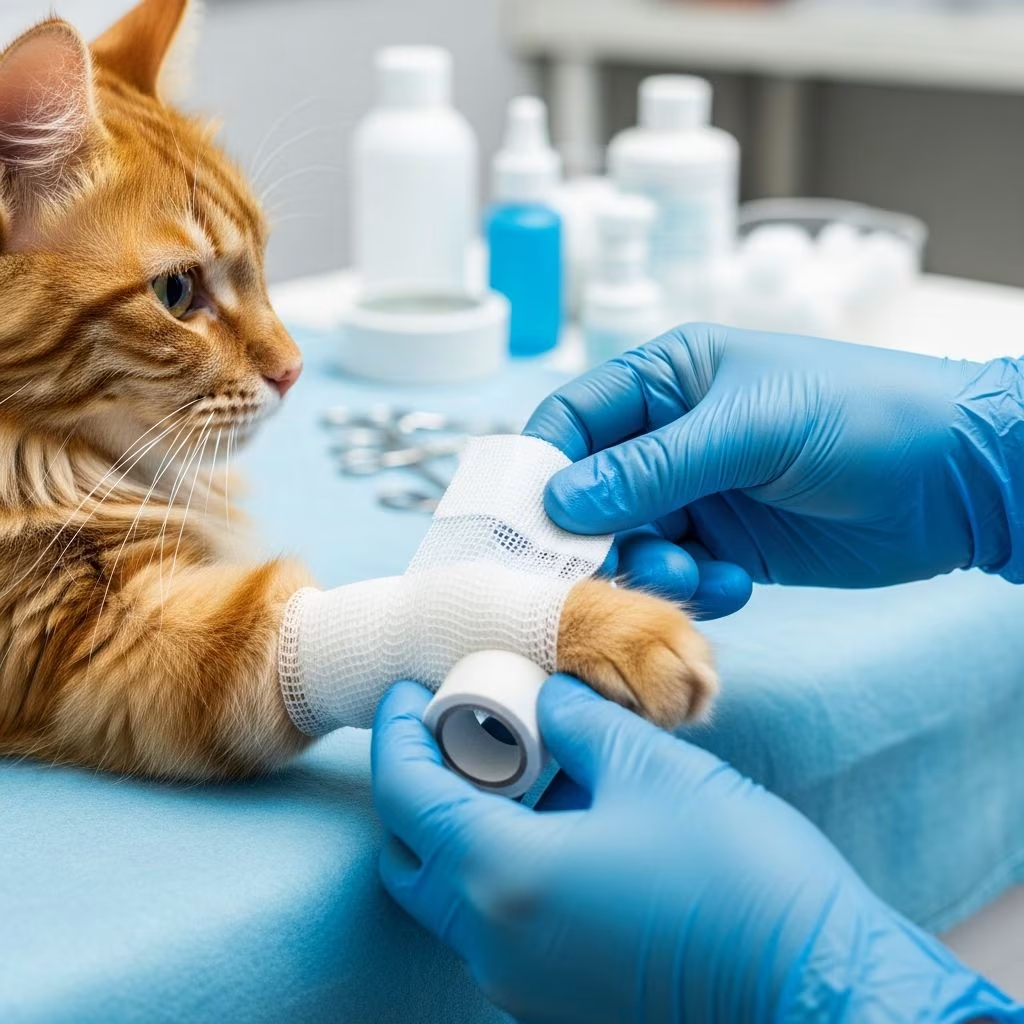
Bandaging a cat’s paw is a crucial first aid skill for pet owners facing common injuries like cuts, punctures, or post-surgical wounds. Proper technique protects the wound, reduces pain, and prevents infection while allowing mobility. This guide provides **4 vet-approved tips** drawn from professional veterinary practices, ensuring safe application at home.
Why Bandage a Cat’s Paw?
Cats frequently injure their paws from stepping on sharp objects, fights, or accidents, leading to cuts on pads, broken nails, or abrasions. A well-applied bandage shields the wound from dirt and licking, absorbs exudate, and supports healing. Without it, cats may exacerbate injuries by walking on them, risking infection or delayed recovery. Veterinary sources emphasize bandaging as a temporary measure until professional care is available.
Key benefits include:
- Protection from environmental contaminants and self-trauma.
- Compression to control minor bleeding.
- Immobilization for sprains or fractures.
- Moisture management to prevent maceration.
Materials You’ll Need to Bandage a Cat’s Paw
Gather these essentials before starting to ensure a sterile, secure bandage. Use pet-specific or medical-grade supplies for best results.
- Non-stick sterile pads or gauze: For the primary wound contact layer (e.g., Telfa pads).
- Cotton padding or cast padding: Provides cushioning and absorbs moisture.
- Conforming gauze bandage: Secondary layer for shape conformity (e.g., Kling gauze).
- Elastic cohesive bandage (vet wrap): Tertiary layer for security without sticking to fur.
- Medical tape or adhesive tape: Secures ends without circling the limb fully.
- Cleaning supplies: Sterile saline (0.9%), chlorhexidine solution, gloves.
- Scissors: Blunt-tipped for safety.
Optional: Cotton strings or dental floss between toes to prevent moisture buildup, and extra padding for joints.
How to Bandage a Cat Paw: Vet-Approved Step-by-Step Guide
Follow these **4 key tips** for effective bandaging. Always work in a calm environment, ideally with help to restrain the cat gently. Clean paws first to minimize infection risk.
Tip 1: Clean and Prepare the Wound
Clip fur around the wound (not over it) to expose edges. Lavage with sterile saline or dilute chlorhexidine to remove debris, then dry thoroughly with gauze. Apply antibiotic ointment if vet-recommended. Place a non-stick pad over the wound, larger than the injury for full coverage, including weight-bearing surfaces.
- Avoid alcohol or hydrogen peroxide, as they sting and delay healing.
- For bleeding wounds, apply direct pressure first for 5 minutes.
Tip 2: Apply the Primary and Secondary Layers
Start padding at the toes. Place cotton or cast padding over the primary pad, extending up the leg. Use a figure-eight or up-and-down pattern: Run padding down the paw over toes, back up the underside, then wrap diagonally around, overlapping 50% each turn. Continue to just above the wound or ankle (carpus) for stability.
Next, add conforming gauze over padding using the same pattern. Tighten gently in one direction only to avoid wrinkles or pressure sores. Ensure toes are included but not overly compressed.
Tip 3: Secure with the Tertiary Layer
Wrap vet wrap or elastic bandage over the gauze, starting from toes and spiraling upward with even tension. Overlap 50%, ending above the secondary layer. Secure ends with tape strips lengthwise (stirrups), avoiding circumferential wraps that could act as tourniquets. The bandage should allow 2 fingers’ insertion for circulation check.
For cats, keep it lightweight to encourage walking without slipping. Taper for narrow areas like tails if needed.
Tip 4: Check Fit and Monitor
Test: Toes should be visible for color/temperature checks (pink, warm). Cat should bear weight comfortably; no slipping or chewing. Change every 24-48 hours or if soiled/wet.
Common Mistakes to Avoid When Bandaging a Cat Paw
Improper bandaging can worsen injuries. Steer clear of these pitfalls backed by veterinary guidelines.
| Mistake | Why Avoid | Fix |
|---|---|---|
| Too tight/loose | Cuts circulation (cold toes, swelling) or slips off | 2-finger rule; even tension |
| Excluding toes | Moisture traps, slippage | Include all toes with cotton separators |
| Wrinkled padding | Pressure sores | Smooth layers, 50% overlap |
| Circumferential tape | Tourniquet effect | Stirrup tapes only |
| Infrequent changes | Infection from moisture | Daily checks/changes |
How Often Should You Change a Cat Paw Bandage?
Inspect every 4-6 hours initially. Change daily or if wet, bloody, chewed, or foul-smelling. Wet bandages breed bacteria; dry ones macerate skin. Vets recommend professional rechecks every 2-3 days for persistent wounds. Stop bandaging once healed to avoid dependency.
When to Take Your Cat to the Vet for a Paw Injury
Home bandaging is temporary (24-72 hours max). Seek vet care for:
- Deep punctures, exposed bone/tendon.
- Heavy bleeding not stopping in 10 minutes.
- Swelling, pus, fever, limping >24 hours.
- Broken nails or suspected fractures.
- Diabetes/immunocompromised cats.
Professionals may use advanced techniques like modified Robert Jones or tie-over bandages.
Frequently Asked Questions
Can I bandage my cat’s paw by myself?
Yes, with two people ideally—one holds the cat calmly. Single-person: Use a towel wrap for restraint.
How long can I leave a bandage on my cat’s paw?
24-48 hours max before changing; remove after 3-5 days if healing well. Consult vet.
What if my cat chews the bandage off?
Apply an e-collar. Re-bandage and monitor; persistent chewing signals pain—see vet.
Is it okay if my cat’s toes turn cold under the bandage?
No—remove immediately, loosen, and check circulation. Cold toes mean too tight.
Can I use human bandages on my cat?
Prefer pet/vet supplies; human ones may irritate or stick to fur.
References
- Pet Bandaging Techniques: 7 Essential Methods for Home Care — ThePetVet. 2023. https://thepetvet.com/pet-bandaging-techniques/
- Wound Bandaging Techniques for Small Animals — Today’s Veterinary Nurse. 2022-10-01. https://todaysveterinarynurse.com/wound-management/wound-bandaging-techniques-for-small-animals/
- How to Bandage a Cat’s Paw — Agria Pet Insurance. 2024. https://www.agria.ie/guides-and-advice/how-to-bandage-a-cats-paw/
- Bandaging — Charlie The Vet. 2023. https://www.charliethevet.com/pages/bandaging
- The Art of Bandaging — AAHA Trends Magazine. 2023-05-01. https://www.aaha.org/trends-magazine/may-2023/gs-art-of-bandaging/



