

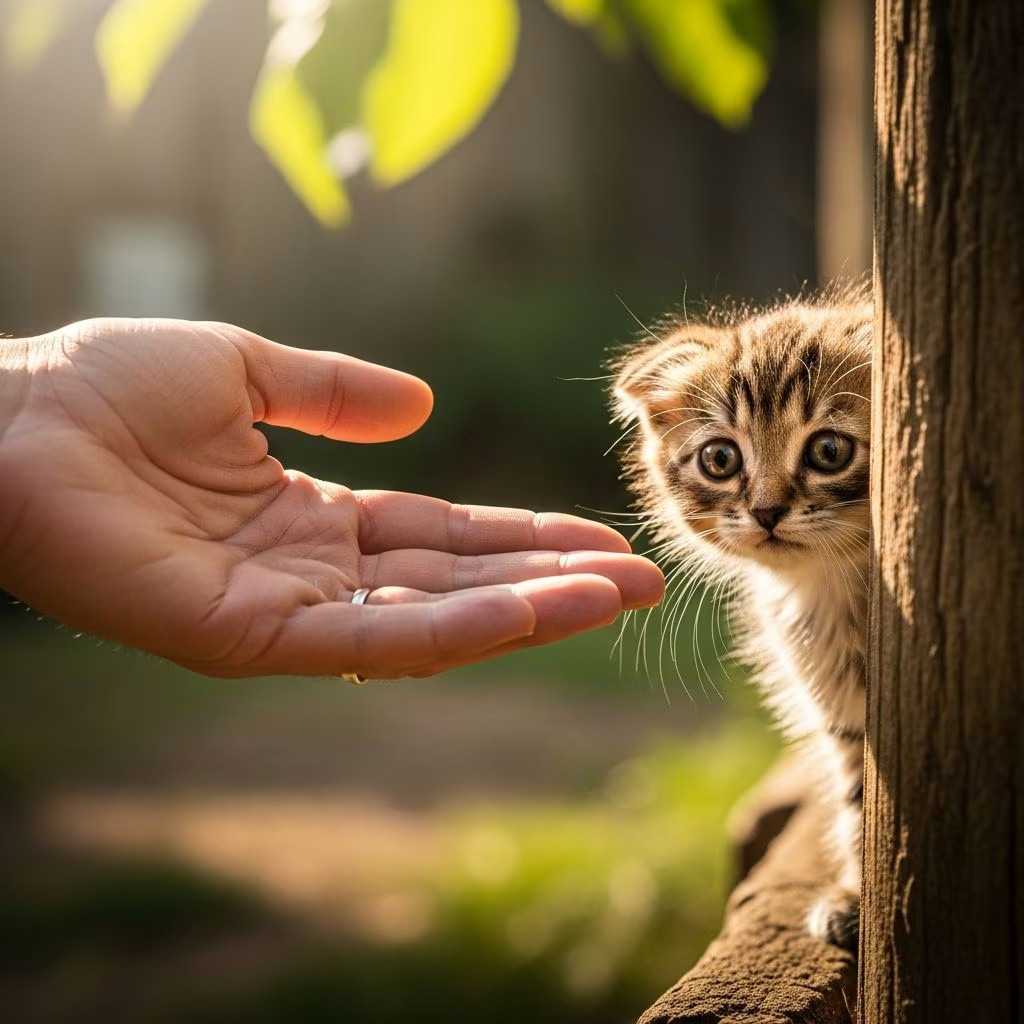
Bringing a scared kitten into your home can be both rewarding and challenging. Whether your kitten came from a shelter, rescue, or was born in a stressful environment, helping them overcome their fear requires patience, consistency, and understanding. The key to successfully socializing a fearful kitten is recognizing that trust cannot be forced—it must be earned through calm interactions, positive experiences, and respect for their boundaries.
Understanding Scared Kitten Behavior
Before you approach a scared kitten, it’s important to understand why they’re fearful. Kittens may be scared due to lack of early socialization, traumatic experiences, or simply being in an unfamiliar environment. Cats are highly sensitive to the emotions of people around them, so if you’re nervous or anxious about their behavior, they will likely become more afraid. Your calm demeanor is one of the most powerful tools you have when working with a frightened kitten.
Common signs of a scared kitten include hiding, hissing, pinned-back ears, a tucked tail, dilated pupils, and refusing to eat. Understanding these signals helps you recognize when your kitten needs more space and when they’re ready for gentle interaction.
Create a Safe Space for Your Kitten
The first step in helping a scared kitten is establishing a dedicated safe room where they can decompress without overwhelming stimuli. This space should be:
- A low-traffic area of your home, ideally a bathroom or small bedroom
- Equipped with their own food and water bowls, placed away from the litter box
- Furnished with a clean litter box in a quiet corner
- Containing a crate or hiding spot where they can retreat
- Free from loud noises, excessive foot traffic, and other animals
Consider setting up a large dog crate within this room as an additional safe zone. You can prop open the crate door so the kitten can enter and exit freely, giving them a familiar, enclosed space when they feel overwhelmed. Cover the crate partially with a blanket to create a den-like atmosphere that many scared kittens find comforting.
The initial adjustment period is crucial. Allow your kitten 24-48 hours to decompress before attempting any handling or interaction. During this time, focus on maintaining their basic care by refilling food and water bowls, cleaning the litter box, and moving slowly while speaking softly. This establishes that you are a non-threatening presence associated with meeting their needs.
The Importance of Patience and Consistency
Building trust with a scared kitten requires patience and consistent behavior. This means managing your expectations about how quickly your kitten will warm up to you. Some kittens may show trust within days, while others may take weeks or even months. The timeline depends on their past experiences and individual temperament.
Consistency matters in every interaction. Use the same calm, soft voice each time you enter their space. Move slowly and deliberately. Avoid sudden movements or loud noises. By maintaining predictable, gentle behavior, your kitten learns that you are safe and reliable.
Spending Time Without Forcing Interaction
One of the most effective ways to help a scared kitten acclimate to your presence is to spend time in their room without demanding interaction. Sit quietly on the floor and engage in calm activities like reading a book, watching television at low volume, or using your phone. The kitten will gradually begin to associate you with safety and comfort.
Do not attempt to pet, pick up, or call to a scared kitten if they’re avoiding you. Instead, let them approach you on their own terms. When they do venture closer, offer your hand slowly for them to sniff. This allows them to investigate you at their pace and build confidence in your presence.
During these sessions, you can offer slow blinks, which in “cat language” signals that you mean no harm. If the kitten blinks slowly back, this is a positive sign that they’re beginning to feel safe with you.
Using Treats to Build Positive Associations
Food is a powerful motivator for kittens and can be used strategically to build trust. High-value treats create positive associations with your presence. Here are two effective treat-training exercises:
Treat Drop Exercise
- Gather high-value treats in a bowl or treat pouch
- Slowly and quietly enter your kitten’s safe space
- Speak in a quiet, calm, and soothing voice
- Avoid direct eye contact or staring, which can feel threatening
- Drop or place treats near the kitten, then retreat
- This teaches the kitten that your presence predicts positive outcomes
Treat Retreat Exercise
- Gather high-value treats (non-squeezable varieties work best)
- Enter the space slowly and speak softly
- Place a treat on the ground and then leave the room
- Let the kitten eat the treat without your presence
- Gradually, over multiple sessions, place the treat closer to where you’re sitting
- Eventually, the kitten may eat treats directly from your hand
The goal of these exercises is to help your kitten associate you with the positive experience of receiving tasty food. Remember not to leave toys or treats behind when you exit the room, as the goal is to maintain the connection between your presence and good experiences.
Introducing Gentle Physical Contact
Once your kitten shows signs of comfort in your presence—such as less ear pinning, a more relaxed tail position, and slow blinks—you can begin introducing gentle physical contact. This should be done gradually and with constant attention to their comfort level.
Starting with Touch
Begin petting around the face, chin, and behind the ears, which are typically the most tolerated areas for scared kittens. These facial areas contain scent glands and are generally less sensitive than the body. Use gentle, slow strokes and watch carefully for signs of stress.
If your kitten recoils, runs away, flattens their ears, or swishes their tail sharply, stop immediately and respect their boundary. End the session on a positive note by offering a treat. This teaches them that they can opt out of contact without negative consequences.
If the kitten is accepting petting but still nervous, you can use an alternative approach: pet them gently with a soft paintbrush or toothbrush instead of your hand. This provides tactile stimulation while maintaining some distance, which may feel less threatening. Gradually transition to gentle hand petting as they become more comfortable.
Gradually Building to Holding
As your kitten becomes increasingly comfortable with petting, you can work toward gently holding them. One effective technique is the “burrito method”—swaddling the kitten in a soft blanket or towel. Here’s how:
- Gently place a blanket or towel over the kitten’s body
- Slide one end under them and secure the other end
- Fold the bottom of the towel up, creating a burrito-like wrap
- Speak softly and offer canned food or treats while holding them
- Do not release the kitten until they show relaxation signals
Signs of relaxation include soft, slow eye blinks, eating offered food, purring, or general muscle relaxation. Releasing the kitten when they’re displaying these positive behaviors—rather than when they’re struggling—minimizes the reinforcement of escape behaviors and builds confidence.
Playing as a Bonding Tool
Play is an excellent way to bond with a scared kitten while keeping some distance. Wand toys are particularly effective because they activate the kitten’s natural prey drive and allow you to control the distance between yourself and the kitten, reducing stress.
How to Use Wand Toys Effectively
- Start with slow, small movements that mimic mice or birds
- Alternate between wiggling the toy on the floor and in the air
- Vary your movements to find what interests your kitten most
- Frequently start and stop the movements—constant, rapid motions can overwhelm the kitten
- As confidence builds, the kitten will venture out from hiding to engage
- Reward each play session with a tasty treat
Do not throw toys directly at your kitten or leave them scattered in the room as a permanent fixture. Instead, introduce toys during interactive sessions and remove them when you leave. This maintains the connection between your presence and positive experiences.
Expanding Beyond the Safe Room
Once your kitten is displaying relaxed body language, choosing to approach you voluntarily, and accepting gentle handling without a towel wrap, they may be ready to explore more of your home. When expanding their territory:
- Start by opening access to one additional room
- They may initially hide as new spaces and smells feel overwhelming—this is normal
- Continue spending time with them and offering treats and play sessions
- Wait until they show consistent relaxed body language before further expansion
- Gradually introduce new enrichment items like cat scratchers and towers
Things to Avoid When Approaching a Scared Kitten
Never force interaction by cornering, grabbing, or restraining your kitten. Forced interactions often reinforce fearful behavior and can damage trust. Additional things to avoid include:
- Making sustained direct eye contact or staring
- Using high-pitched voices or sudden loud noises
- Moving quickly or making sudden movements
- Yelling, hitting, or using any form of punishment
- Picking up the kitten before they’re ready
- Overwhelming them with multiple people or animals at once
Remember, punishment will reinforce fear and may lead to aggressive behavior. Focus entirely on positive reinforcement and respect for boundaries.
Recognizing Signs of Progress
As your scared kitten builds trust, watch for these positive signs:
- Ears returning to an upright, forward position
- Tail relaxing and moving away from the body
- Approaching you voluntarily for food or attention
- Slow blinking and half-closed eyes
- Purring during petting sessions
- Playing with toys or exploring the environment
- Rubbing against your legs or hands (marking you as safe)
- Relaxed body posture with unclenched muscles
Frequently Asked Questions
Q: How long does it take for a scared kitten to trust you?
A: The timeline varies by kitten, but typically ranges from a few weeks to several months. Some kittens show trust within days, while others may take much longer. Consistency and patience are more important than speed.
Q: Should I force a scared kitten to be held?
A: No, never force interaction. Let the kitten approach you and show interest first. Forced handling reinforces fear and damages trust.
Q: What are the best treats for a scared kitten?
A: High-value treats work best—canned food, cooked chicken, or specialized cat treats. Find what your individual kitten loves most and use it strategically during trust-building exercises.
Q: Can I use pheromone products to help a scared kitten?
A: Yes, pheromone diffusers can help create a calming environment and reduce anxiety in scared kittens. These products mimic natural calming pheromones that mother cats produce.
Q: What if my scared kitten stops eating?
A: If your kitten refuses to eat for more than 24 hours or shows signs of illness, consult a veterinarian immediately. Some stress-related appetite loss is normal initially, but medical issues should be ruled out.
References
- Scared Kittens: How to Get Them to Trust You — Purina US. 2024. https://www.purina.com/articles/cat/kitten/behavior/how-to-help-scared-kitten
- Socializing a Fearful Kitten — Wisconsin Humane Society. 2024. https://www.wihumane.org/socializing-fearful-kitten
- How to Gain a Fearful Kitten or Cat’s Trust — Only Natural Pet. 2024. https://www.onlynaturalpet.com/blogs/holistic-healthcare-library/how-to-gain-a-fearful-kitten-or-cats-trust
- Shy and Fearful Cats: The Complete Guide — San Diego Humane Society. 2024. https://sdhumane.org/resources/shy-and-fearful-cats-complete/



