

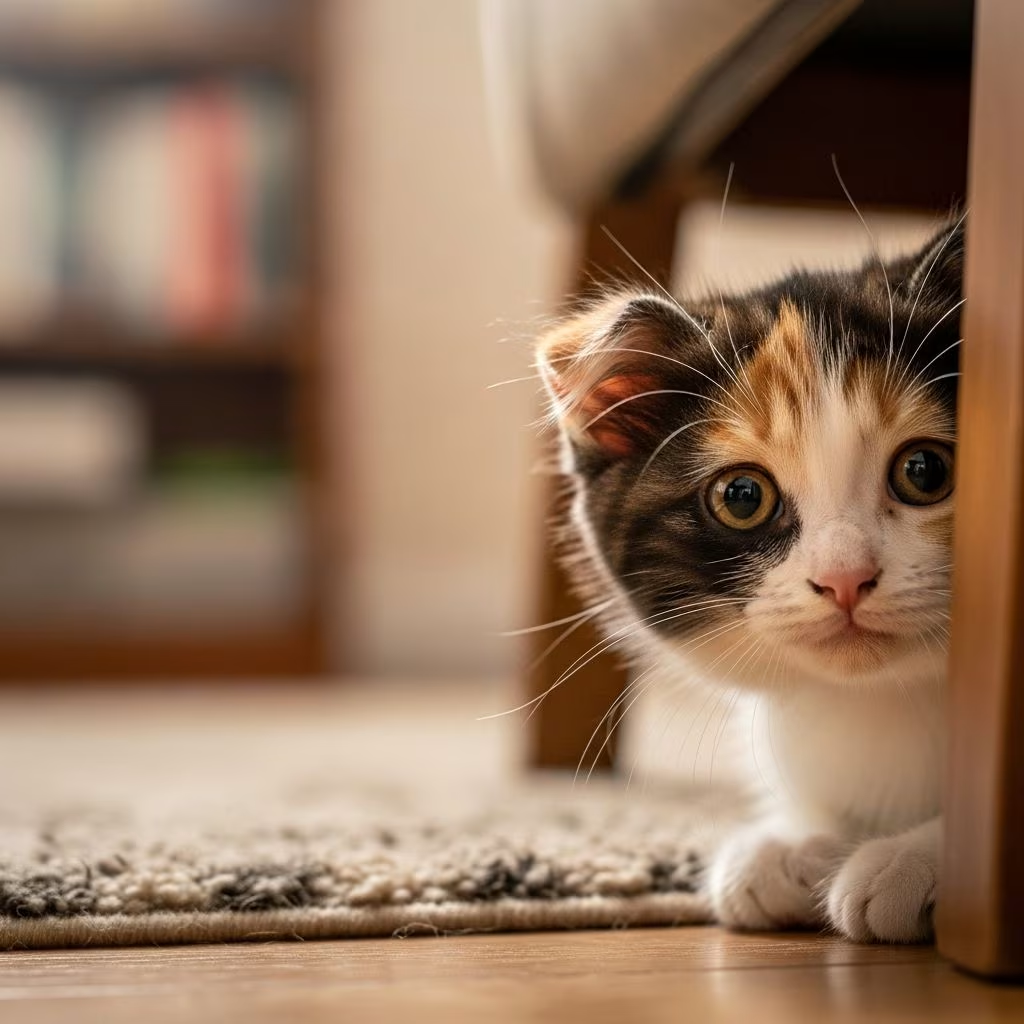
Approaching a scared kitten requires patience, understanding of feline body language, and gentle techniques to build trust without causing more stress. Scared kittens often hide, hiss, or freeze due to new environments, past trauma, or lack of socialization, but with consistent, low-pressure methods, they can become confident companions.
Understanding Why Kittens Get Scared
Kittens may exhibit fear from relocation stress, unfamiliar sounds, or insufficient early handling during their critical socialization window between 2-7 weeks. Recognizing early signs like flattened ears, dilated pupils, tucked tail, or arched back helps intervene promptly to prevent long-term shyness.
Fear periods, especially around 5-8 weeks, make kittens hypersensitive to new stimuli; avoiding overwhelming exposures during this time through gradual desensitization is key. Creating positive associations early prevents escalation into chronic fear responses.
Signs Your Kitten Is Scared
- Body language cues: Ears pinned back flat against the head, wide-open eyes with dilated pupils, low crouched body, tail tucked under or puffed up.
- Vocalizations: Hissing, growling, or meowing plaintively indicate high stress levels.
- Behavioral avoidance: Hiding in corners, under furniture, freezing in place, or attempting to flee when approached.
- Physical reactions: Trembling, piloerection (fur standing on end), or swatting/pawing defensively.
Observe these from a distance initially; direct staring can intensify fear as cats perceive it as a threat.
Creating a Safe Space for Your Scared Kitten
Start by confining the kitten to a small, quiet room like a bathroom or spare bedroom to limit overwhelming stimuli. This ‘safe room’ should include essentials: food/water bowls, litter box, scratching post, and cozy hiding spots like a covered crate or box.
- Block access to hazardous areas and restrict entry to family members or pets.
- Leave a radio or TV on low volume to acclimate to human sounds.
- Use pheromone diffusers like Feliway to mimic calming cat scents and reduce anxiety.
Allow 24-48 hours for decompression post-adoption before interactions; refresh food/water slowly while speaking softly.
General Tips Before Approaching
Approach with calm energy—cats mirror human stress levels. Move slowly, avoid sudden gestures, and never force contact. Speak in a soft, low-pitched voice without direct eye contact; instead, offer slow blinks to signal safety.
| Do’s | Don’ts |
|---|---|
| Sit quietly nearby, read a book | Chase, grab by scruff, or pick up unsupported |
| Use treats to create positive links | Yell, punish, or stare intensely |
| End sessions positively | Overwhelm with too many people/pets |
How to Approach a Scared Kitten Step-by-Step
Follow these gradual steps to minimize stress:
- Enter calmly: Knock softly, enter slowly, and sit on the floor away from the kitten.
- Observe and wait: Spend 10-15 minutes daily just being present without touching.
- Offer hand for sniffing: Extend a closed fist at their level for scent investigation once they relax.
- Use treats: Drop high-value treats like Churu or chicken baby food near them, then retreat (treat drop method).
- Progress to petting: Start with chin/ear scratches using a paintbrush if hands scare them, rewarding with food.
If they recoil, back off immediately to avoid negative associations.
Calming Techniques for Scared Kittens
Beyond space, employ these methods:
- Treat retreat: Enter, drop treats further away than before, speak softly, and leave—builds anticipation of good things.
- Swaddling (burrito method): Gently wrap in a towel to hold squirmy kittens; talk softly and offer food until relaxation signals appear.
- Pheromones and toys: Diffusers calm nerves; wand toys lure from hiding without invading space.
Always pair handling with rewards to shift from fear to pleasure.
Building Trust Through Play
Once presence is tolerated, introduce interactive play to activate prey drive safely:
- Start with wand toys or feather teasers at a distance; mimic erratic prey movements briefly.
- Alternate floor/air play; stop often to avoid overstimulation.
- Follow play with treats/petting; remove toys when leaving to link you with fun.
Play sessions of 5-10 minutes, 2-3 times daily, strengthen bonds faster than petting alone.
Progressing from Crate to Full Room
When the kitten approaches voluntarily, handles without towels, and shows relaxed cues (upright ears, slow blinks, loose tail), prop the crate door open for room exploration.
- Introduce larger toys, towers, tunnels gradually.
- Monitor for hiding; continue low-key sessions with food/play.
- Supervise initial family introductions one-on-one.
Common Mistakes to Avoid
- Rushing physical contact, leading to reinforced fear.
- Frequent room entries disrupting relaxation.
- Throwing toys/treats at the kitten, perceived as attack.
- Ignoring body language, missing stress escalation.
Consistency over weeks yields results; some kittens need months.
Frequently Asked Questions (FAQs)
What if my kitten hisses or swats?
Retreat calmly without reaction; hissing is defensive. Resume sessions later with treats to overwrite negativity.
How long until a scared kitten trusts me?
Varies from days to months; feral backgrounds take longer. Patience and daily routines speed progress.
Can I use baby food for treats?
Yes, chicken-flavored without onions/garlic; it’s palatable and safe for rewards.
Is punishment ever okay?
No— it worsens fear and aggression. Positive reinforcement only.
When to see a vet or behaviorist?
If no improvement after 4 weeks or signs of pain/illness accompany fear.
References
- Scared Kittens: How to Get Them to Trust You — Purina. 2023. https://www.purina.com/articles/cat/kitten/behavior/how-to-help-scared-kitten
- Socializing a Fearful Kitten — Wisconsin Humane Society. 2024-01-15. https://www.wihumane.org/socializing-fearful-kitten
- Shy and Fearful Cats: The Complete Guide — San Diego Humane Society. 2023. https://sdhumane.org/resources/shy-and-fearful-cats-complete/
- Guide to Socializing Shy, Frightened, or Traumatized Cats — Austin Pets Alive. 2022. https://americanpetsalive.org/uploads/resources/Austin-Pets-Alive-Guide-to-Socializing-Cats-52F6.pdf
- AVOIDING the Kitten Fear Period — The Cat Fanciers’ Association. 2023. https://cfa.org/cat-talk/avoiding-the-kitten-fear-period/



