

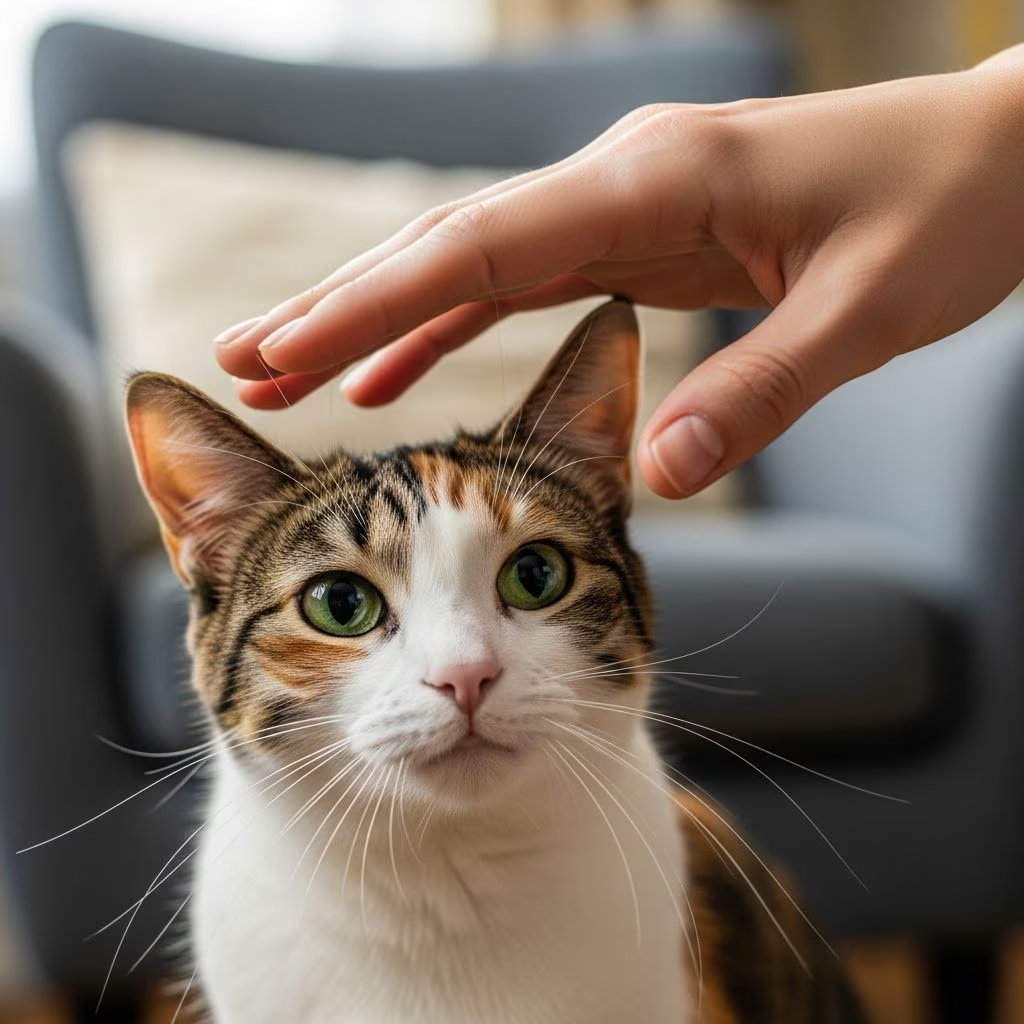
Interacting with a cat requires patience and respect for their personal space, much like negotiating a delicate partnership. Cats are independent creatures who value their boundaries, and approaching them incorrectly can lead to stress, scratches, or flight. This comprehensive guide outlines **10 vet-verified tips** to approach cats effectively, whether it’s your own pet, a stray, or a friend’s feline. By honoring their signals and using gentle techniques, you can turn wary encounters into trusting relationships. These strategies draw from expert veterinary advice to ensure safe, positive interactions.
Why Approaching a Cat Matters
Cats communicate through body language, and misreading it can escalate tension. Proper approaches prevent fear responses, reduce injury risk for both you and the cat, and strengthen bonds. Veterinary experts emphasize that cats respond best to non-threatening, predictable behavior. Rushing or towering over them triggers their prey instinct, making them defensive. Instead, slow, respectful methods signal safety, encouraging curiosity and affection over time.
Understanding feline psychology is key: cats prefer control. Forcing interaction undermines trust, while patient approaches empower them to choose engagement. This is especially crucial for shy, feral, or multi-cat households where hierarchies influence behavior.
10 Vet-Verified Tips for Approaching a Cat
Follow these step-by-step tips, verified by veterinarians, to master cat approaches. Practice consistency for best results.
1. Get on the Cat’s Level
Towering over a cat feels predatory. **Crouch down, sit, or position near a cat tree** to match their eye level, appearing less intimidating and more approachable. This submissive posture invites interaction without pressure. For kittens or small cats, kneel fully; for larger ones, a simple squat suffices. Avoid sudden drops—move fluidly to prevent startling them.
2. Observe Body Language First
Before moving closer, scan for **tail position, ear direction, and eye shape**. A high, quivering tail signals friendliness; swishing or tucked indicates irritation. Dilated pupils or flattened ears mean back off. Relaxed whiskers and slow blinks show comfort. Spend 30-60 seconds assessing to gauge readiness.
3. Approach from the Side, Not Head-On
Direct stares mimic threats in cat world. **Approach sideways** at a 45-degree angle, keeping peripheral vision. This reduces perceived challenge and allows escape routes, making the cat feel secure. Never corner them—always leave an exit path.
4. Let the Cat Approach You
Reverse psychology works wonders with cats. **Sit still, extend a hand loosely, and wait**. Avoid reaching out aggressively; let their curiosity draw them in. Disinterested acting paradoxically encourages them, as cats crave control. This can take minutes, but patience yields trust.
5. Use a Calm, Soft Voice
Cats tune into tone over words. Speak in **low, soothing tones** with their name or simple phrases like “hello, kitty.” Harsh or loud voices spike stress hormones. Short lectures don’t work—cats process brief commands best. Pair voice with slow blinks to mimic friendly cat signals.
6. Offer a Slow Blink and Finger Sniff
The “cat kiss”: **slow blink** to convey trust, then extend a finger at nose level for sniffing. This lets them gather your scent, a primary feline ID method. If they rub or sniff confidently, proceed; hesitation means wait longer.
7. Avoid Direct Eye Contact Initially
Staring contests unsettle cats. **Look slightly away or at their chest**, softening your gaze. Once engaged, mutual slow blinks build rapport. This respects their wild heritage where prolonged stares signal dominance.
8. Pet Under the Chin or Cheeks First
Skip belly or back initially—**start with chin scratches or cheek rubs**. These scent-gland areas feel safe and pleasurable. Watch for leaning in or purring as green lights; tail flicks signal overload. Sessions under 30 seconds prevent overstimulation.
9. Respect No as No
If ears flatten, body tenses, or they walk away, **stop immediately**. Pushing boundaries erodes trust long-term. Cats set interaction pace; honoring rejections earns respect. Retry later with fresh energy.
10. Use Treats or Toys as Bait
Positive reinforcement shines here. **Toss treats or wiggle a toy** from a distance to lure them closer. Food-motivated cats associate you with rewards, easing wariness. Clickers amplify this by marking desired behaviors precisely.
Common Mistakes to Avoid When Approaching Cats
- Sudden movements: Startle reflex activates claws.
- Chasing or grabbing: Triggers flight or fight.
- Over-pettting: Leads to redirected aggression.
- Ignoring signals: Dilated eyes or swishing tails warn of bites.
- Punishment: Yelling confuses, fearing you instead of behavior.
Approaching Different Types of Cats
Tactics vary by personality:
| Cat Type | Approach Strategy | Key Cues |
|---|---|---|
| Feral/Stray | Minimal contact; food from distance | Low crouch, escape route essential |
| Shy Indoor | Sit quietly 10+ feet away initially | Slow blinks, no staring |
| Friendly Pet | Direct but gentle hand extension | High tail, kneading paws |
| Kittens | Playful toys over petting | Bounded energy, pouncing |
| Elderly/Sick | Extra slow, support body if picking up | Relaxed posture, no resistance |
Adapt to context—multi-cat homes require assessing group dynamics first.
Teaching Kids to Approach Cats Safely
Children need guidance to prevent accidents. **Demonstrate first**: Ask permission, no sudden moves, observe tail. Extend fist for sniffing, pet chin only. Supervise always; teach “no means stop.” Role-play builds habits.
Advanced Techniques: Building Long-Term Trust
Beyond initial approaches, consistency counts. Daily routines, puzzle feeders, and vertical spaces enhance security. For restraint needs like vet visits, practice gentle scruffing or towel wraps progressively. Clicker training refines behaviors like coming when called.
Frequently Asked Questions (FAQs)
What if the cat hisses or swats?
Back away calmly—it’s a clear boundary. Retry later without forcing. Hissing prevents escalation to bites.
How long to wait for a cat to approach?
5-15 minutes minimum. Patience shows respect; rushing fails.
Can I approach a scared stray?
Use food trails, no touch first. Trap-neuter-release pros advise pros for ferals.
Why does my cat approach strangers but not me?
You have expectations; novelty lacks pressure. Rebuild with indifference tactics.
Is picking up part of approaching?
Only after trust signs. Slide one hand under chest, support hindquarters fully.
Conclusion: Patience Pays Off
Mastering how to approach a cat transforms interactions from tense standoffs to joyful bonds. These **10 vet-verified tips** equip you for success across scenarios. Remember, every cat is unique—observe, adapt, respect. With time, you’ll earn those head bumps and purrs.
References
- How to Train Your Cat: Vet-Approved Cat Training Guide — Catster. 2023-05-15. https://www.catster.com/cat-health-care/how-to-train-your-cat/
- How to Approach a Cat (10 Great Vet-Verified Tips) — Catster. 2023-08-22. https://www.catster.com/cat-health-care/how-to-approach-a-cat/
- Words Your Cat Understands: Olga’s Language Skills — Catster. 2022-11-10. https://www.catster.com/felines-weekly/words-your-cat-understands/
- How Can I Make My Cat Like Me? Lessons From Zelda & Clutch — Catster. 2023-02-14. https://www.catster.com/felines-weekly/how-can-i-make-my-cat-like-me/
- How to Safely Restrain a Cat: Dr. Karyn’s Tips (with Video) — Catster. 2023-04-03. https://www.catster.com/felines-weekly/how-to-safely-restrain-a-cat-dr-karyns-tips/
- How to Pick Up a Cat the Right Way: Vet-Approved Tips & Tricks — Catster. 2023-07-19. https://www.catster.com/cat-health-care/how-to-pick-up-a-cat-the-right-way/
- How to Teach Your Kids to Approach Unfamiliar Cats — Catster. 2023-06-28. https://www.catster.com/lifestyle/introducing-kids-to-cats/



