

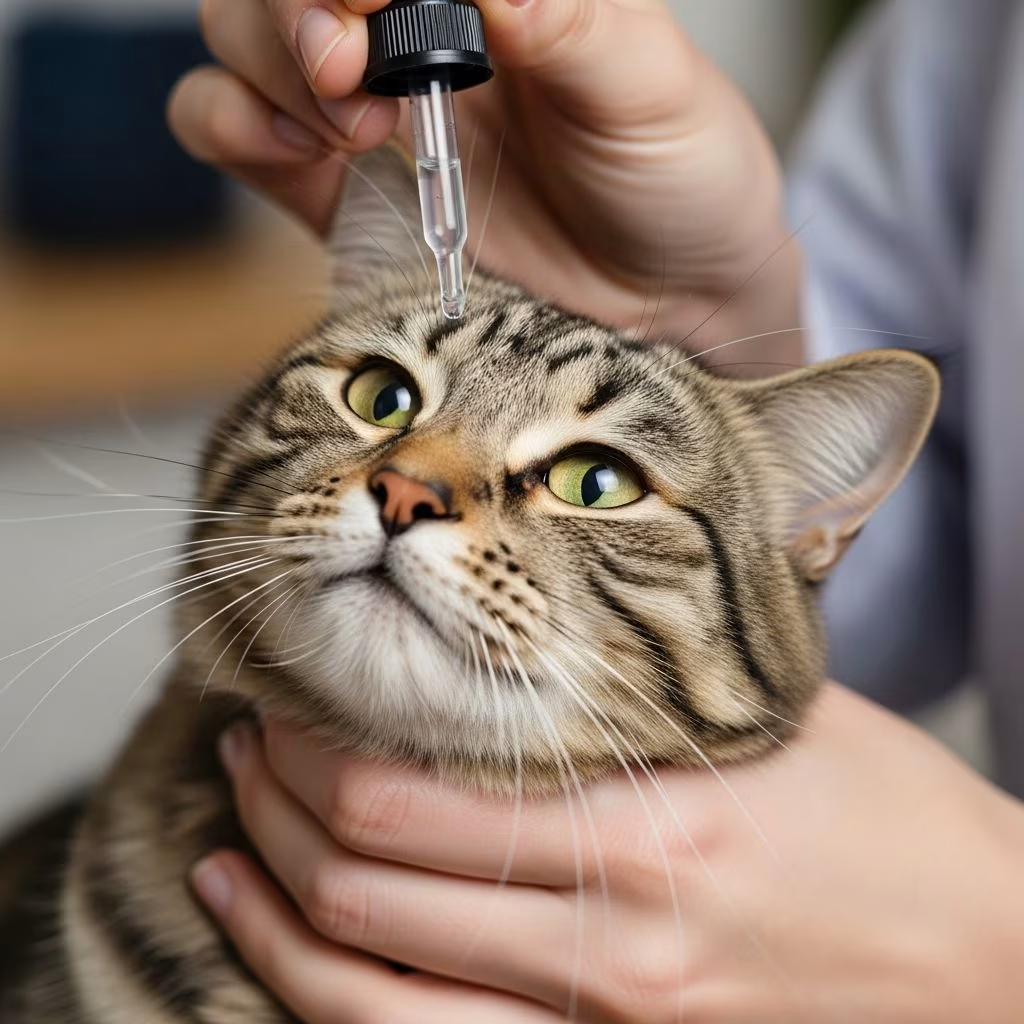
How to Apply Eye Drops to Cats: A Complete Guide
Administering eye drops to your cat can seem challenging at first, but with proper technique and preparation, it becomes a manageable part of your pet’s healthcare routine. Whether your cat is being treated for conjunctivitis, dry eye, or another ophthalmic condition, understanding how to correctly apply eye medications is essential for ensuring your cat receives the full therapeutic benefit. This comprehensive guide will walk you through everything you need to know about applying eye drops to your feline companion.
Why Proper Eye Drop Administration Matters
Eye medications are often prescribed for cats to treat infections, reduce inflammation, lubricate dry eyes, or accelerate healing from eye injuries. The effectiveness of these medications depends heavily on proper administration. When eye drops are applied correctly, they can reach the affected area and provide the intended therapeutic effect. Improper application may result in wasted medication, inconsistent treatment, and delayed recovery. Additionally, correct administration techniques help prevent contamination of the medication bottle and reduce the risk of further eye irritation or damage to your cat’s delicate ocular structures.
Preparation and Safety Considerations
Before you begin administering eye drops, taking time to prepare is crucial for success. Start by washing your hands thoroughly with soap and water. This simple step prevents the transfer of bacteria or other contaminants to your cat’s eye. Dry your hands completely so you have a secure grip on the medication bottle and your cat.
Read the medication label carefully and understand your veterinarian’s specific instructions. Different eye medications may have different dosing schedules, number of drops required, and special handling instructions. Some medications should not be applied simultaneously with other eye medications, while others may require waiting periods between applications.
Gather all necessary supplies before you begin. You may want to have gauze pads or soft tissues nearby to gently wipe away any excess medication that drips from your cat’s eye. Having treats on hand can also help you reward your cat after successful medication administration, making future applications easier as your cat begins to anticipate the reward.
Step-by-Step Instructions for Applying Eye Drops
Step 1: Position Your Cat Comfortably
Find a comfortable location where both you and your cat can relax. If you are administering the medication alone, you may find it easiest to place your cat in your lap. Ensure your cat feels secure and supported. For cats that are particularly anxious or resistant, you may want to have someone else present to gently help restrain your cat. Wrapping your cat gently in a blanket or towel with only the head exposed can help keep your cat calm and prevent unnecessary movement during application.
Step 2: Clean the Eye Area (Optional)
Gently clean away any debris around your cat’s eye using warm water and a clean, soft washcloth. This preparatory step can be soothing and helps your cat relax before medication administration. However, this step is optional and should only be performed if your cat tolerates it well. If your cat becomes agitated during cleaning, skip this step and proceed directly to drop application.
Step 3: Hold the Eye Drop Bottle Correctly
Hold the eye drop bottle using your thumb and index finger with the tip pointed downward. This positioning allows you to apply the drops with precision. To help stabilize your hand and prevent accidental contact with your cat’s eye, rest your hand on the top of your cat’s head or under the chin with your palm supporting the head. A steady hand is essential for accurate application and preventing injury to the delicate eye tissues.
Step 4: Open Your Cat’s Eye Gently
With your other hand, gently open your cat’s eye by using your thumb to pull down the lower eyelid slightly, or use your thumb and forefinger to gently open both the upper and lower eyelids. Place the remaining fingers under your cat’s jaw to provide additional support and stability for the head. This positioning ensures you have clear access to the eye surface while maintaining control of your cat’s head position.
Step 5: Apply the Drops
Hold the eye drop bottle close to the eye, but critically, do not allow the dropper tip to touch the eye’s surface. Touching the eye with the dropper can cause discomfort, damage the delicate corneal surface, and contaminate the medication bottle with bacteria. Most prescriptions call for one or two drops per eye. Squeeze the prescribed number of drops directly onto the eye surface. Your veterinarian will have specified exactly how many drops you should apply with each administration.
Step 6: Allow Natural Blinking
After applying the drops, gently release your cat’s head and allow your cat to blink naturally. The blinking motion helps distribute the medication across the entire eye surface and ensures even coverage. The warmth of the eyeball helps facilitate the absorption of the medication. It is completely normal to see the eye drops accumulate in the corners of the eye after administration. Any excess can be gently wiped away with a tissue or gauze pad.
Important Precautions and Best Practices
Never Touch the Eye with the Dropper
The most critical safety precaution is to never allow the dropper tip to contact your cat’s eye or eyelids. Contact between the dropper and the eye can cause corneal scratches, introduce bacteria into the medication bottle, and cause unnecessary discomfort to your cat. Always maintain a small distance between the dropper tip and the eye surface.
Keep the Medication Bottle Tightly Sealed
Between administrations, always keep the medication bottle tightly sealed. An open bottle exposes the medication to air and bacteria, potentially compromising its sterility and effectiveness. Additionally, a tightly sealed bottle helps prevent accidental spilling or contamination.
Use Proper Hand Hygiene
Wash your hands before and after administering eye drops. Handwashing before administration prevents transferring bacteria or contaminants to your cat’s eye, while washing afterward helps prevent spreading any infection from your cat’s eye to other areas of your body or other pets in your household.
Monitor Your Cat’s Response
Cats commonly blink frequently or paw at their eye after drops have been applied. This is a normal response and typically subsides within a few minutes. However, if your cat’s eye appears increasingly inflamed or red after administration, or if the excessive blinking and pawing persist beyond a few minutes, contact your veterinarian immediately. These signs could indicate an adverse reaction or additional eye irritation requiring professional evaluation.
Administering Multiple Eye Medications
If your veterinarian has prescribed more than one eye medication, proper spacing between applications is important. Wait at least five minutes between applying different medications to allow each medication to be properly absorbed and to prevent interactions between the medications. Additionally, if you are using both eye drops and eye ointment, apply the eye drops first to allow them to absorb into the eye tissues. Eye ointments should be applied last, as their thicker consistency may prevent drops from reaching the eye surface if applied first.
Frequency of Administration
The frequency of eye drop administration depends on the specific medication and condition being treated. Most ophthalmic drops require administration three to six times daily at the start of treatment. Your veterinarian will provide specific dosing instructions tailored to your cat’s condition. Consistency is essential for successful treatment, so mark your calendar or set phone reminders to help you maintain the prescribed dosing schedule. Regular and frequent treatment is fundamental to successfully managing your cat’s eye condition.
Common Eye Conditions Treated with Drops
Conjunctivitis
Conjunctivitis, or pink eye, is one of the most common eye conditions in cats. Treatment typically involves broad-spectrum antibiotic drops combined with anti-inflammatory medications to control infection and reduce inflammation. One or two drops per eye are usually sufficient for each administration.
Dry Eye (Keratoconjunctivitis Sicca)
Cats with decreased tear production may be prescribed lubricating eye drops containing hyaluronate sodium. These drops help moisturize the eye and minimize dryness and irritation. Effects are typically immediate, with improvement in clinical signs following shortly after application begins.
Eye Injuries and Infections
Various eye drops may be prescribed to accelerate healing for pets with eye injuries or certain infections. Some medications, such as cidofovir, may require several weeks before full effects are noted, though gradual improvements are usually appreciable after a few days of consistent application.
Troubleshooting Common Challenges
Your Cat Refuses to Hold Still
If your cat becomes anxious or refuses to cooperate, try administering the medication at times when your cat is naturally more relaxed, such as after meals or play sessions. Having a second person gently hold your cat while you apply the drops can make the process easier. Wrapping your cat in a blanket with only the head exposed can also help minimize movement and anxiety.
Medication Gets on Your Cat’s Fur
If eye drop medication spills onto your cat’s hair or face, gently clean it off immediately with a damp cloth or tissue. Some medications can be absorbed through the skin or ingested if your cat licks the contaminated fur, so prompt cleanup is important. This is particularly critical for medications that should only be applied topically to the eye.
You Miss a Dose
If you accidentally miss administering a scheduled dose, give the next dose as soon as you remember. However, if it is close to the time of the next scheduled dose, skip the missed dose and resume your regular dosing schedule. Never attempt to make up a missed dose by administering extra medication or doubling the next dose.
When to Contact Your Veterinarian
Contact your veterinarian immediately if you observe any of the following:
- Increased redness or inflammation of the eye after medication administration
- Excessive discharge or swelling
- Your cat shows signs of pain or severe discomfort
- You notice cloudiness in the medication solution or visible particles
- Your cat develops an allergic reaction such as facial swelling or hives
- The eye condition does not improve after several days of consistent medication administration
- You have questions about the proper administration technique
Building Positive Associations
To make eye drop administration easier over time, build positive associations with the process. After successfully applying drops, reward your cat with treats, gentle praise, or playtime. This positive reinforcement helps your cat develop a less anxious response to medication administration. Over multiple applications, your cat may become more cooperative as the anxiety decreases and your technique becomes more confident and efficient.
Professional Demonstration
If you are uncertain about the proper technique after reading these instructions, ask your veterinarian to demonstrate the procedure with your cat present. Your veterinarian can identify any technique issues and provide personalized guidance based on your cat’s specific needs and temperament. Professional demonstration is always the best way to ensure you are administering medication correctly.
Frequently Asked Questions
Q: How many drops should I apply to my cat’s eye?
A: Most prescriptions call for one or two drops per eye per administration. Your veterinarian will specify the exact number on your prescription label. Never apply more than prescribed without consulting your veterinarian.
Q: How often should eye drops be administered?
A: Most ophthalmic drops require administration three to six times daily, particularly at the start of treatment. Your veterinarian will provide specific dosing instructions based on your cat’s condition and the medication prescribed.
Q: Can I use human eye drops on my cat?
A: No. Always use only the eye medication prescribed by your veterinarian for your cat. Human eye drops may contain ingredients inappropriate for feline eyes and could cause harm. Off-label use of human medications requires specific veterinary approval.
Q: What should I do if the dropper touches my cat’s eye?
A: If the dropper tip contacts your cat’s eye, stop immediately and do not apply the drops. Rinse the dropper tip thoroughly with sterile saline if available, or contact your veterinarian for guidance. Do not reuse the medication from that bottle until the dropper has been properly cleaned or replaced.
Q: Is it normal for my cat to paw at the eye after drops are applied?
A: Yes, mild pawing and frequent blinking immediately after application is normal. However, if this behavior persists for more than a few minutes or if the eye appears increasingly inflamed, contact your veterinarian.
Q: Can I apply eye drops and eye ointment on the same day?
A: Yes, but wait at least five minutes between applications. Apply eye drops first, then wait five minutes before applying ointment to allow proper absorption of each medication.
Q: How long does it take to see improvement from eye drops?
A: This depends on the medication and condition being treated. Some medications provide immediate effects, while others may require several days to a few weeks before full therapeutic benefits are apparent. Your veterinarian can provide specific timelines for your cat’s condition.
References
- Conjunctivitis in Cats — VCA Animal Hospitals. 2024. https://vcahospitals.com/know-your-pet/conjunctivitis-in-cats
- Applying Eye Ointments to Cats — VCA Animal Hospitals. 2024. https://vcahospitals.com/know-your-pet/applying-eye-ointments-to-cats
- How to Apply Drops to Your Cat’s Eyes — VCA Animal Hospitals. December 2, 2022. https://www.youtube.com/watch?v=na3snCuen84
- Cidofovir Ophthalmic — VCA Animal Hospitals. 2024. https://vcahospitals.com/know-your-pet/cidofovir-ophthalmic
- Hyaluronate Sodium Ophthalmic — VCA Animal Hospitals. 2024. https://vcahospitals.com/know-your-pet/hyaluronate-sodium-ophthalmic



