

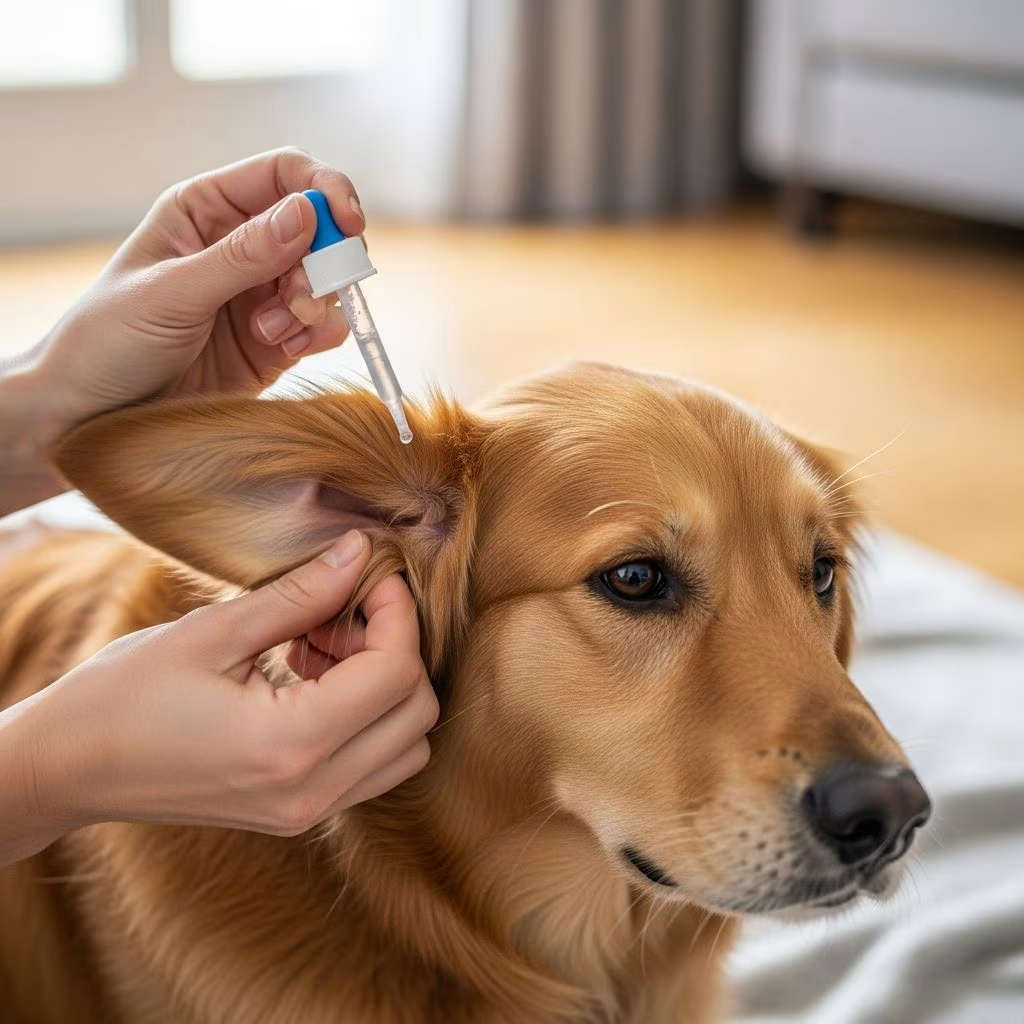
How to Apply Ear Drops to Dogs: A Complete Guide
Administering ear drops to your dog can seem like a challenging task, but with the proper knowledge and technique, it becomes a straightforward and stress-free process. Whether your veterinarian has prescribed medicated ear drops to treat an infection or manage a chronic condition, understanding the correct application method ensures your dog receives the full benefit of the medication. This comprehensive guide will walk you through every step of the process, from preparation to aftercare, helping you provide the best possible treatment for your furry companion.
Why Proper Ear Drop Application Matters
Dogs are susceptible to various ear conditions, including bacterial infections, yeast infections, and ear mites, all of which may require medicated ear drops for treatment. Applying ear drops correctly ensures that the medication reaches the entire ear canal, maximizing its effectiveness. Additionally, proper technique minimizes discomfort for your dog and helps prevent complications during treatment.
Preparation: Setting Up for Success
Before you begin applying ear drops, adequate preparation is essential for a smooth experience. Taking time to gather supplies and prepare your dog will make the process much easier for both of you.
Gather Your Supplies
Start by assembling everything you will need before beginning the application process. Having all materials ready prevents unnecessary delays and keeps your dog calm. You will need the prescribed ear medication, clean cotton balls or gauze squares, and a towel to protect your clothing and any surrounding furniture. Consider wearing gloves to protect your hands from potential contaminants or medication residue. If your dog is particularly resistant or anxious, you may benefit from having an assistant present to help keep your dog calm and still during the process.
Clean Your Dog’s Ears First
Always apply medicated ear drops to clean ears. Begin by gently cleaning your dog’s ears with a cotton ball or gauze soaked in warm water to remove any debris or discharge. Avoid inserting the cotton ball too far into the ear canal, as this can cause injury or discomfort. Use a good-quality ear cleaning solution if recommended by your veterinarian. Fill the ear canal with the cleaner and allow it to work for a moment before gently wiping away excess debris with cotton balls or gauze. Never use cotton-tipped applicators (Q-tips) to remove solution from the ear canal, as these can damage the ear canal or eardrum or push debris further inside. After cleaning, wait approximately 15 minutes before applying the medicated ear drops, as this allows the ears to dry slightly and ensures the cleaning solution doesn’t interfere with the medication’s effectiveness. Ask your veterinarian if there should be a specific delay between cleaning and medication application, as some cleansers may deactivate or weaken certain medications.
Check Your Medication Label
Before application, carefully review the medication label and any accompanying instruction sheets. Note the prescribed dose, frequency of application, and any special instructions from your veterinarian. Understanding these details ensures you administer the correct amount of medication at the proper intervals, which is crucial for effective treatment and preventing antibiotic resistance or medication complications.
Positioning Your Dog for Application
Proper positioning of your dog during ear drop application is fundamental to both safety and ease of administration. Choose a position that is comfortable for your dog while allowing you clear access to the ear canal.
Finding the Right Position
The ideal position depends on your dog’s size and temperament. For small dogs, positioning them on your lap provides comfort and control while allowing you to work easily with the ear. For larger dogs, laying them down on a flat surface, such as a bed or designated treatment area, or having them sit in front of you makes application easier. Choose whichever position allows you to access the ear comfortably while keeping your dog relaxed. Some dogs respond better to standing positions, while others prefer lying down; observe your dog’s preferences and choose accordingly.
Create a Calm Environment
Select a quiet, distraction-free environment within your home for applying the ear drops. A calm atmosphere helps relax your dog, making the process smoother, especially if your dog tends toward anxiety. Dim lighting and minimal noise can significantly reduce your dog’s stress levels during medication application. If needed, have an assistant gently but firmly help restrain your dog to ensure it remains still throughout the procedure.
Preparing the Medication
How you prepare the ear drops before application can affect your dog’s comfort and the medication’s effectiveness.
Warming the Medication
Before applying ear drops, consider warming the liquid by rolling the bottle gently in your hands for a few moments. Cold ear medication can startle your dog and cause discomfort or a sudden head shake. Warming the liquid to a comfortable temperature makes the experience less unpleasant for your dog. However, avoid overheating the medication, as this may affect its potency. A simple hand-warming method brings the drops to approximately body temperature, which is ideal.
Practice Your Technique
If you are unsure about how much pressure to apply to the dropper or applicator to form proper drops, practice on a piece of kitchen roll or tissue first. This allows you to become familiar with the bottle’s mechanism and develop confidence before applying the drops to your dog’s ear. Practicing eliminates hesitation during the actual application and helps you administer the correct dosage without fumbling.
Applying the Ear Drops: Step-by-Step Instructions
Now that you have prepared everything, follow these detailed steps to apply the ear drops correctly to your dog’s ears.
Expose the Ear Canal
Gently but firmly grasp the tip of your dog’s ear and pull the ear flap straight up to expose the ear canal and straighten its natural curve. This positioning allows clear access to the ear opening and helps the medication flow deeper into the canal. Be gentle with your dog’s ear to avoid causing discomfort or injury.
Apply the Medication
Hold the dropper or applicator close to your dog’s ear, positioning the nozzle gently at the top of the ear canal. Carefully squeeze out the prescribed number of drops as indicated on the medication label. Avoid inserting the tip too deeply into the ear canal, and never apply pressure so forcefully that the medication sprays forcefully into the ear. The goal is to allow the drops to gently flow into the ear canal. Be sure not to lose sight of the applicator tip during this process to prevent it from being pushed too far into the ear.
Massage the Ear Base
Once the drops are applied, gently massage the base of your dog’s ear in a circular motion for several seconds. This massage helps distribute the medication throughout the entire ear canal and ensures it reaches all affected areas. Massage also helps the medication work more effectively by promoting circulation and contact with the affected tissue. Continue massaging gently for approximately 20-30 seconds, being patient and gentle if your dog shows signs of discomfort.
Allow Head Shaking
After you complete the massage, your dog will likely begin shaking their head vigorously. This is completely normal behavior and helps distribute the medication further throughout the ear canal. Do not be alarmed by this head shaking; it is actually beneficial for medication distribution. Move to the other ear if treatment is needed for both ears and repeat the entire process.
Clean Up Excess Medication
After applying the drops and allowing your dog to shake, use a clean gauze square or cotton ball to gently wipe away any excess medication on the outside of the ear or ear flap. This prevents the medication from drying on the skin and causing irritation or matting of the fur around the ear area.
Treating Ear Infections with Medicated Drops
When treating bacterial or fungal ear infections with antibiotic or antifungal ear drops, strict adherence to treatment protocols is essential for successful outcomes.
Following Treatment Guidelines
It is crucial to follow your veterinarian’s dosage instructions precisely and maintain consistent treatment schedules without breaks. Many ear infections require a complete course of treatment, typically lasting 7-14 days, depending on the severity and type of infection. Stopping treatment early, even if symptoms improve, can result in incomplete healing and recurrence of the infection. Attend all follow-up appointments recommended by your veterinarian to monitor progress and determine if additional treatment is necessary.
Avoiding Recurrent Infections
If your dog has experienced a flare-up of ear infections and you have not seen a veterinarian recently, schedule a check-up before treating at home. Do not apply old or leftover ear drops from a previous treatment without veterinary approval, as using outdated medication or applying treatment for the wrong type of infection can worsen the condition. Additionally, avoid breaks in treatment and never use medication from a previous prescription unless specifically directed to do so by your veterinarian.
Building Good Habits for Future Applications
Establishing positive associations with ear handling and medication application makes future treatments easier and less stressful for your dog.
Regular Ear Massage
Make an effort to massage your dog’s ears regularly during normal playtime and petting sessions. This familiarizes your dog with having their ears touched and handled in a positive context, making medicated ear drop applications less intimidating. Dogs that are accustomed to ear touching from a young age typically accept ear medication administration more readily. Regular ear massage also helps you detect any early signs of ear problems, such as discharge, odor, or sensitivity.
Positive Reinforcement
After successfully applying the ear drops, reward your dog with praise, treats, or their favorite toy. Positive reinforcement creates positive associations with the medication process and encourages cooperation during future applications. Over time, your dog may actually look forward to the ear drop routine because they associate it with rewards and attention.
When to Seek Veterinary Help
While most dogs tolerate ear drop application well with proper technique, certain situations warrant contacting your veterinarian immediately.
Warning Signs
If you experience difficulty administering the treatment or notice your dog developing a head tilt after medicated drop application that does not resolve within a few days, contact your veterinarian or local veterinary practice immediately. A persistent head tilt can indicate that the medication has reached the inner ear or that the dog has developed a more serious condition requiring immediate attention. Additionally, if your dog shows signs of severe discomfort, allergic reactions, or worsening symptoms during treatment, stop the application and contact your veterinary clinic right away.
Frequently Asked Questions About Applying Ear Drops to Dogs
Q: How long should I wait after cleaning ears before applying medicated drops?
A: Most veterinarians recommend waiting approximately 15 minutes after cleaning your dog’s ears before applying medicated ear drops. This allows the ears to dry slightly and ensures the cleaning solution does not interfere with the medication’s effectiveness.
Q: Can I use cotton-tipped applicators to clean my dog’s ears?
A: No, cotton-tipped applicators (Q-tips) should never be used in your dog’s ears. These can puncture the eardrum, cause trauma to the ear canal, or push debris deeper into the ear canal. Use only cotton balls or gauze squares for cleaning.
Q: What should I do if my dog shakes their head immediately after applying drops?
A: Head shaking after ear drop application is completely normal and actually beneficial. It helps distribute the medication throughout the ear canal. Allow your dog to shake their head naturally, then clean up any excess medication on the outside of the ear.
Q: How can I help my anxious dog tolerate ear drop applications?
A: Create a calm environment free from distractions, warm the medication before application, practice regularly touching your dog’s ears in positive contexts, use positive reinforcement with treats and praise, and consider having an assistant help keep your dog calm and still during application.
Q: Can I use leftover ear drops from a previous treatment?
A: No, never use old or leftover ear drops without veterinary approval. Using expired medication or applying treatment for a different infection can worsen the condition. Always consult your veterinarian before reusing any medication.
Q: How do I know if my dog’s ears are clean enough for medication application?
A: Your dog’s ears should be visibly clean with no discharge, debris, or excess cerumen visible. If you are unsure whether the ears are sufficiently clean, consult your veterinarian before applying medicated drops.
Q: What should I do if the ear drop bottle tip touches my dog’s ear?
A: If the bottle tip contacts your dog’s ear during cleaning or application, wipe it immediately with a clean cotton ball soaked in alcohol to prevent spreading bacteria or yeast that could cause infection.
References
- A Simple Guide to Applying Ear Drops to Your Dog — Goddard Vet Group. 2024. https://www.goddardvetgroup.co.uk/blog/a-simple-guide-to-applying-ear-drops-to-your-dog/
- Apply Ear Medications — Oak Heart Veterinary Hospital. 2024. https://oakheartvet.com/apply-ear-medications/
- How to Apply Medication to Your Dog’s Ears — VCA Animal Hospitals. December 2, 2022. https://www.youtube.com/watch?v=dXc5Um2XY90
- Instructions for Ear Cleaning in Dogs — VCA Animal Hospitals. 2024. https://vcahospitals.com/know-your-pet/instructions-for-ear-cleaning-in-dogs
- How to Administer Ear Drops to Dogs — Vets4U. 2024. https://www.vets4u.uk/blog/howtoadministereardropstodogs



