

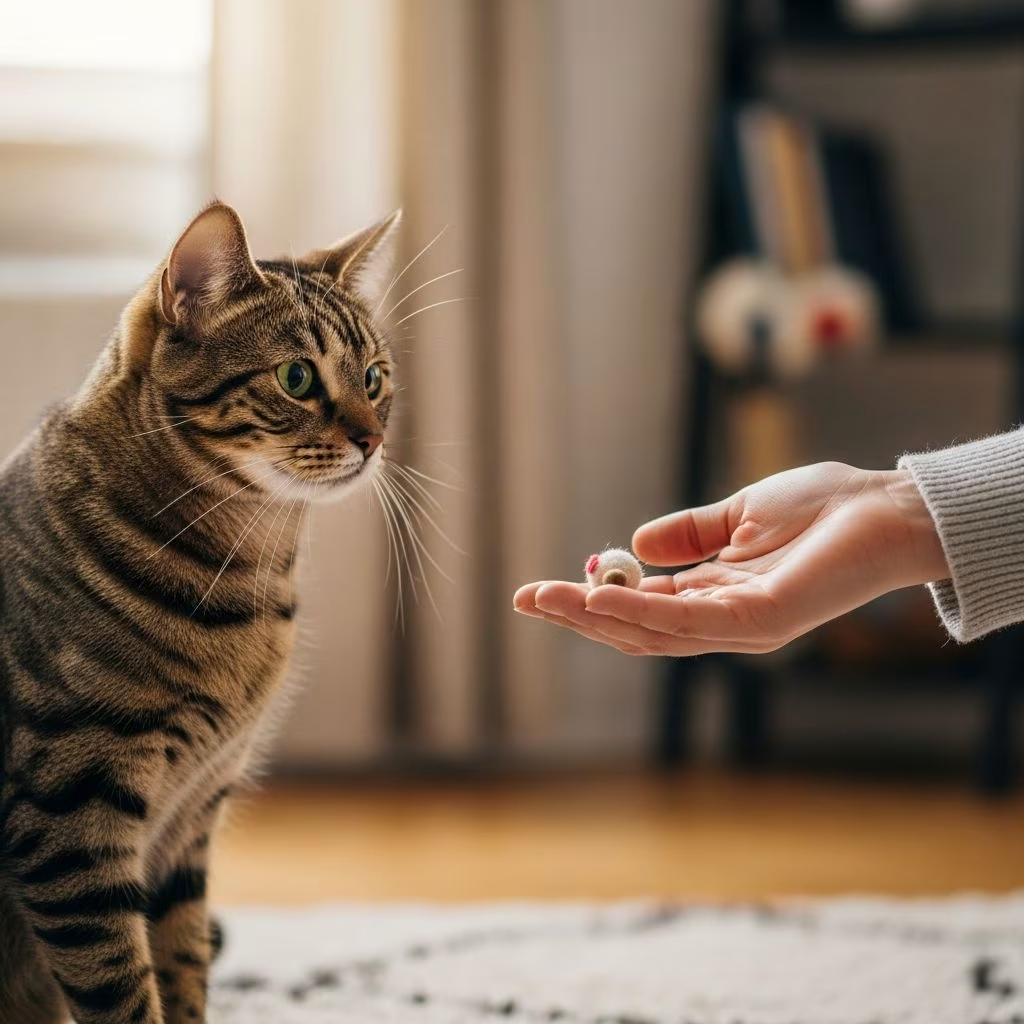
Cats are sensitive creatures that form deep bonds with their humans, but accidental missteps like stepping on a tail, loud noises, or neglecting playtime can upset them. Understanding how to apologize effectively helps rebuild trust and strengthens your relationship. This guide outlines **7 vet-reviewed steps** to apologize in ways your cat comprehends, focusing on body language, timing, and positive reinforcement rather than words alone.
Apologizing to a cat isn’t about human-style verbal confessions; it’s about actions, tone, and respect for their space. Cats communicate through subtle cues like slow blinks, purring, and tail positions, so mirroring these rebuilds security. By following these steps, you’ll convey remorse sincerely, reducing future incidents and enhancing your cat’s well-being.
The Importance of Apologizing to Your Cat
Your cat may ignore you, hide, or swish their tail aggressively after an offense, signaling distress. These behaviors stem from their evolutionary instincts as solitary hunters, making trust fragile. A proper apology restores the human-cat bond, prevents stress-related issues like urinary problems or overgrooming, and promotes a harmonious home.
Research shows cats recognize familiar voices and tones, responding positively to soft, high-pitched speech. Ignoring their feelings can lead to avoidance, while sincere efforts encourage forgiveness through affiliation behaviors like head-butting. Always prioritize patience—rushing can worsen the rift.
The 7 Ways You Can Apologize to Your Cat So They Understand
1. Understand How You Upset or Offended Your Cat
The foundation of any apology is self-reflection. Identify what triggered your cat: Was it an accidental tail-step, vacuum terror, or skipped mealtime? Acknowledging the specific offense makes your remorse genuine and helps avoid repetition.
Observe body language clues—flattened ears, dilated pupils, or hissing indicate fear or anger. Common offenses include:
- Unintentional pain: Stepping on paws or tails.
- Sensory overload: Loud noises or sudden movements.
- Neglect: Forgetting food, water, or play sessions.
- Invasion of space: Forced cuddles when unwanted.
Reflecting reduces guilt and informs a tailored approach, increasing success rates.
2. Timing Is Crucial for Your Apology
Just as with humans, **timing matters**. Approach too soon, and your cat may flee; wait too long, and they might feel ignored. Monitor for calming signs like relaxed ears, slow blinking, or grooming.
Ideal timing: 15-30 minutes post-incident or when your cat emerges from hiding. Give space initially—let them initiate if skittish. Patience signals respect, rebuilding safety gradually.
3. Stay Calm and Approach Carefully
Approach low and slow to avoid intimidation. Get to your cat’s eye level, extend a hand for sniffing, and use soft eyes (half-closed). Relaxed posture invites trust.
If receptive, they’ll slow-blink back or purr. Avoid direct stares, which cats perceive as threats. This non-verbal method communicates safety effectively.
4. Verbally Apologize in a Soothing Tone
Words matter less than **tone**. Cats distinguish voices, especially their name in soft, baby-like pitches. Say, “I’m sorry, Whiskers,” gently to draw them near.
High-pitched “baby talk” mimics kitten calls, eliciting positive responses. Combine with slow blinks for maximum effect. Avoid yelling—sensitive ears amplify negativity.
5. Show Your Cat Affection Gently
Once verbal cues land, test with extended hand petting. If they rub or lean in, proceed to chin scratches or cheek strokes—favorite spots releasing feel-good pheromones.
Respect boundaries: Stop at twitching tail or skin ripples. Affection reinforces positivity, but forced pets erode trust.
6. Engage in Play to Rebuild the Bond
Play distracts from negativity and releases endorphins. Use feather wands or laser pointers post-approach, following your cat’s lead.
This step, often overlooked, mimics hunting, associating you with joy. Short 5-10 minute sessions suffice, especially for high-energy cats.
7. Give Your Cat a Treat (As a Last Resort)
Treats provide emotional boosts but aren’t standalone apologies. Offer after other steps if standoffish—high-value ones like freeze-dried chicken work best.
Limit to 10% daily calories to prevent obesity. Toys can substitute, maintaining health while signaling care.
Common Mistakes to Avoid When Apologizing
Steer clear of:
- Punishment: Scolding reinforces fear.
- Rushing: Invades space.
- Treat-only reliance: Teaches manipulation.
- Anthropomorphizing: Cats don’t hold grudges like humans.
| Mistake | Why It Fails | Better Alternative |
|---|---|---|
| Forced cuddles | Increases stress | Wait for initiation |
| Loud apologies | Startles sensitive ears | Soft tones |
| Ignoring issue | Prolongs avoidance | Reflect and act |
Understanding Cat Body Language During Apology
Key signals:
- Forgiveness: Slow blinks, purring, kneading, head-butts.
- Still upset: Tail thrashing, ear flattening, hiding.
- Receptive: Upright tail, rubbing against you.
These cues guide your pace, ensuring empathy.
Frequently Asked Questions (FAQs)
Q: Do cats understand apologies?
A: Cats grasp apologies through tone, actions, and body language, not words. Consistent positive reinforcement shows remorse effectively.
Q: How long does a cat stay mad?
A: Typically hours to a day; personality and offense severity vary. Patience speeds forgiveness.
Q: What if my cat ignores me after trying?
A: Give more space; retry later. Persistence without pressure works.
Q: Can treats fix everything?
A: No—use as supplement. Behavior change is key.
Q: Is baby talk effective?
A: Yes, higher pitches soothe and mimic maternal calls.
Long-Term Tips for Preventing Upsets
Proactive care minimizes needs for apologies:
- Enrich environment with scratching posts, perches.
- Maintain routines for feeding/play.
- Learn individual cues via observation.
- Use pheromone diffusers for stress.
Regular vet checkups rule out medical issues mimicking behavior changes.
References
- Catster: How Do I Apologize to My Cat in A Way They Understand? 7 Vet-Reviewed Ways — Catster Editorial Team (DVM reviewed). 2023-10-15. https://www.catster.com/cat-health-care/how-to-apologize-to-a-cat/
- Kinship: How to Say Sorry So Your Cat Actually Gets It — Kinship Feline Behavior Experts. 2023-08-22. https://www.kinship.com/cat-lifestyle/how-to-apologize-to-your-cat
- PureWow: How to Apologize to a Cat, Because Apparently That’s a Thing — Dr. Macmillan, DVM. 2022-11-10. https://www.purewow.com/family/how-to-apologize-to-a-cat
- YouTube: How to Apologize to Your Cat: A Vet’s Advice — Dr. Sarah Wooten, DVM, CVJ. 2023-05-20. https://www.youtube.com/watch?v=UJ7JXsZ3JBQ



