

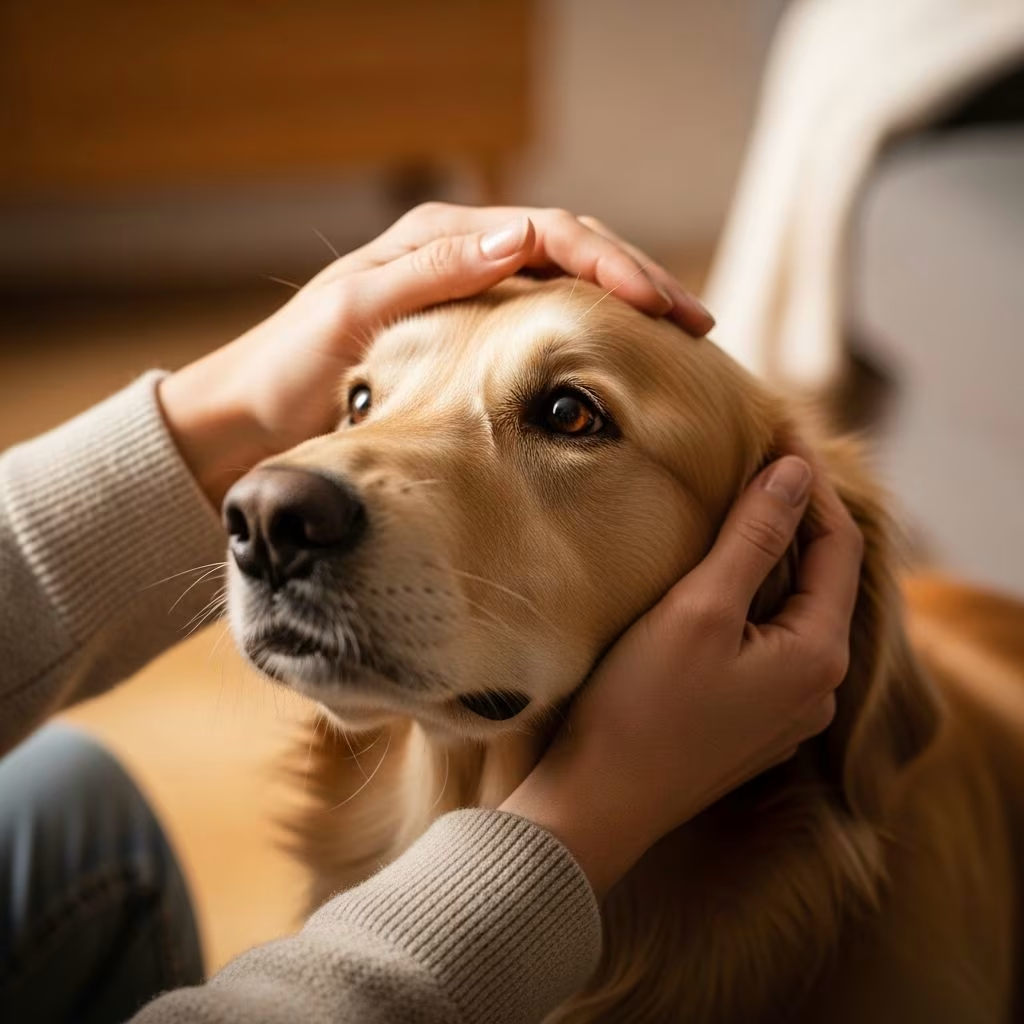
Dogs are incredibly forgiving companions, but they communicate differently from humans. When you’ve yelled, stepped on a paw, or upset your pup, knowing **how to apologise effectively** rebuilds trust quickly. Experts emphasise calm behaviour, proper timing, and understanding canine body language over verbal sorrys.
Do Dogs Understand Apologies?
Dogs lack a human-like moral compass and don’t grasp the concept of ‘sorry’ as remorse. Instead, they respond to whether you’re a safe, predictable presence again. Licensed therapist Christopher Pollock notes apologies stem from our desire for connection, fearing attachment breaks—even with pets. Dog behaviourist Turid Rugås Hawkins adds that after scolding, dogs see you as a threat; apologising means resuming your kind self.
Timing matters immensely. Apologies work best immediately after the incident, helping dogs learn such events aren’t the norm. Delays confuse them, as they live in the moment without grudges.
Why Apologising Matters for Your Bond
Apologies prevent fear-based responses. Assuming dogs feel guilt (like the ‘guilty look’) misreads appeasement signals aimed at de-escalating tension. True guilt requires moral understanding dogs don’t possess. Proper apologies reinforce safety, reducing anxiety and strengthening loyalty.
In pack dynamics, reconciliation restores harmony. Dogs forgive to maintain group benefits like safety and food, using submissive gestures. As owners, mirroring this builds mutual trust.
Signs Your Dog is Apologising to You
Dogs often ‘apologise’ first after mischief, using body language to seek peace. Recognising these helps you respond appropriately.
- Lowering Head and Airplane Ears: Submissive posture acknowledging error, aiming to avoid punishment and ease tension.
- Avoiding Eye Contact or Hiding: Gives space to de-escalate; not guilt, but self-removal from negativity.
- Tail Tucking: Signals awareness of wrongdoing, seeking calm.
- Puppy Dog Eyes: Adorable gaze to melt hearts, mend bonds, and reaffirm loyalty.
- Licking Your Face: Grooming gesture of affection and submission.
- Sticking Close or Nuzzling: Seeks comfort like a child, rebuilding intimacy.
- Placing a Paw on You: Irresistible plea for reassurance of your love.
- Whining: Wolf-derived submissive vocalisation to show deference.
- Bringing a Toy: Peace offering via play to distract and appease.
These aren’t moral remorse but reactions to your displeasure, preventing anger.
How to Apologise: Step-by-Step Guide
Follow this expert protocol from Hawkins and trainer Joe Nutkins for effective repair.
1. Pause and De-Escalate
Stop immediately. Give space with calming signals: turn sideways, soft gaze, yawn, lower posture, or lie down. Avoid high-pitched sorrys—they heighten panic. Stay calm to signal safety.
2. Give Your Dog Control
Let them approach. Forcing affection backfires. Patience shows respect for their pace.
3. Use a Calm, Soothing Voice
Speak softly once re-engaged. Pet gently where they enjoy (avoid sensitive spots). This reassures without overwhelming.
4. Offer Treats or Play (If Appropriate)
Positive reinforcement shifts mood. A favourite toy or walk redirects energy.
Match apology to ‘wrong’:
| Level | Situation | Apology Type |
|---|---|---|
| Low | Minor disappointment (e.g., closed bakery) | Chat calmly, give attention |
| Medium | Accident (e.g., stepping on paw) | Get low, stroke preferred spots if receptive |
| High | Scolding (e.g., barking, rolling in poop) | Full protocol: de-escalate, space, calm reconnection |
This graded approach ensures proportionality.
How to Know Your Dog Has Forgiven You
Watch for relaxed ‘normal’ body language unique to your dog. Dog cognition expert Clive Wynne-inspired insights via Hare: respect if they walk away. Positive signs include:
- Loose tail wag
- Relaxed ears
- Soft eyes, no head tilts away
- Approaching willingly
- Play bows or leaning in
Tension lingers? Give more time. Every dog varies. Post-fight, dogs reconcile via deference or play to restore status and bonds.
Common Mistakes in Apologising
Avoid these pitfalls:
- Delayed Apology: Dogs forget context quickly.
- Over-Excitement: High energy reads as threat.
- Punishing ‘Guilt’: Reinforces fear, not learning.
- Ignoring Signals: Missing their apologies erodes trust.
Instead, focus on prevention: consistent training clarifies expectations without fear.
Building a Resilient Bond Long-Term
Apologies are band-aids; prevention is key. Use positive reinforcement training from bodies like the American Veterinary Society of Animal Behavior (AVSAB), which endorses reward-based methods over punishment[primary1]. Understand ethology: dogs evolved appeasement for survival, not ethics.
Daily practices:
- Consistent routines build predictability.
- Read body language via resources like Turid Rugås’s calming signals.
- Enrich environment to curb mischief.
This fosters forgiveness naturally, as seen in wolf packs where reconciliation maintains packs.
Frequently Asked Questions (FAQs)
Do dogs really feel guilt?
No, the ‘guilty look’ is appeasement to your reaction, not internal remorse.
How quickly do dogs forgive?
Immediately with proper apology; they don’t hold grudges.
What if my dog avoids me after I apologise?
Give more space; respect their need for time.
Should I give treats during apologies?
Yes, for positive association, if they’re receptive.
Can frequent scolding harm my dog?
Yes, it erodes trust; use positive methods.
Expert Insights on Canine Communication
Behaviourists stress context. AVSAB position statements confirm punishment increases fear aggression risks[primary1]. RSPCA guidelines advocate force-free training for welfare[primary2]. Studies in Applied Animal Behaviour Science show reconciliation reduces stress hormones post-conflict[primary3].
Expand your knowledge: observe micro-expressions. Ears back? Stress. Play bow? Invitation. This bidirectional understanding prevents issues.
Incorporate play post-apology. Fetch or tug mimics wild peace offerings, releasing endorphins. For injured pups, vet-check first—pain amplifies fear.
Parenting dogs mirrors child-rearing: patience, empathy, consistency. Your apology models healthy conflict resolution, even sans words.
Real story: After yelling at my reactive dog post-walk, I paused, lay down. She sniffed, then nuzzled—trust restored in minutes.
Ultimately, apologising humanises us to dogs. They thrive on secure attachments, forgiving swiftly when we prove reliable.
References
- Position Statement on Puppy Socialization — American Veterinary Society of Animal Behavior (AVSAB). 2023-01-15. https://avsab.org/resources/position-statements/
- Dog Welfare and Training Advice — RSPCA. 2024-05-20. https://www.rspca.org.uk/adviceandwelfare/pets/dogs/training
- Reconciliation in Dogs After Conflict — Applied Animal Behaviour Science (via DOI). 2018-07-01. https://doi.org/10.1016/j.applanim.2018.04.005



