

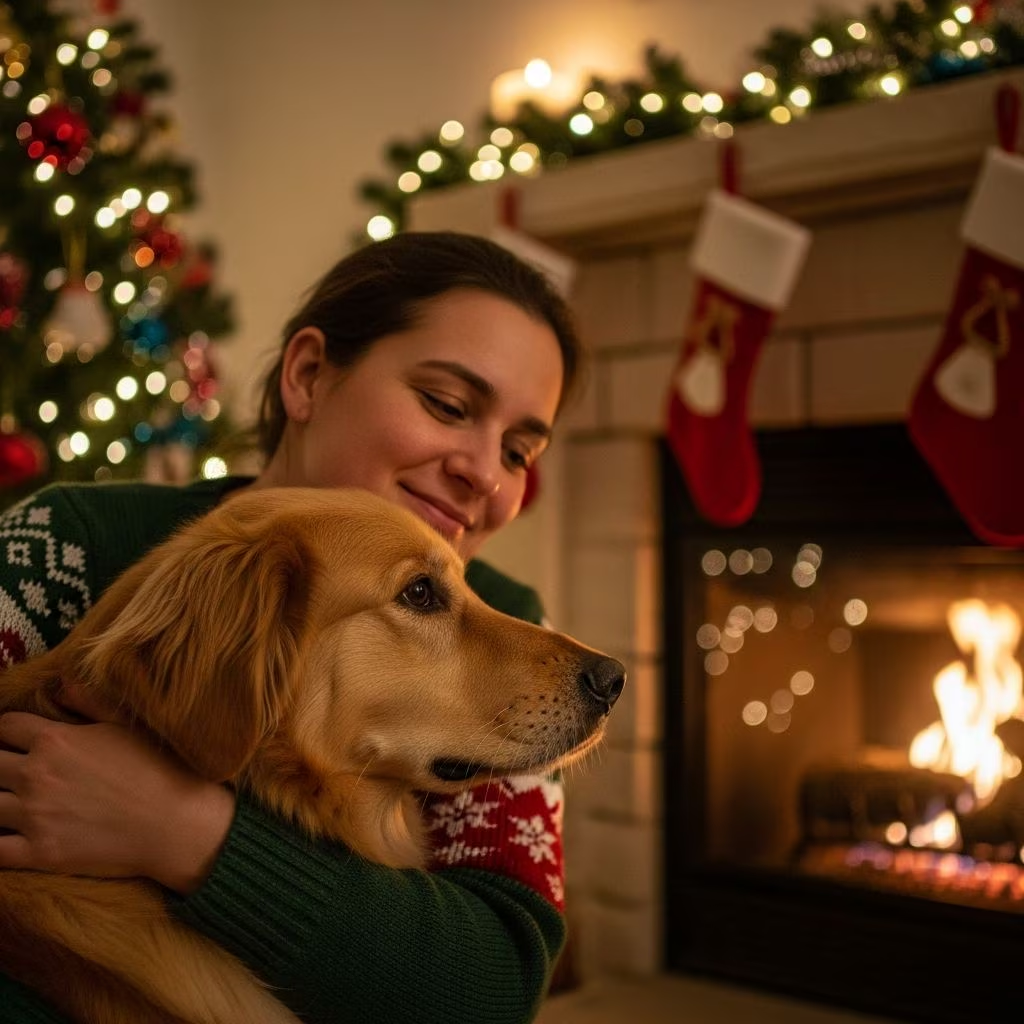
All your dog wants for Christmas is a bodyguard to keep them safe from unfamiliar sights and sounds.
While the holiday season brings joy, festive gatherings, twinkling lights, and delicious feasts for humans, it can overwhelm our canine companions. Noisy visitors, disrupted routines, and tempting table scraps create a perfect storm of stress for dogs. As their primary advocate, it’s your responsibility to interpret their subtle cues—like lip licking, yawning, or tucked tails—and intervene before discomfort escalates. This comprehensive guide equips you with practical, expert-backed strategies to ensure your dog thrives amid the merriment. Drawing from animal welfare insights and behavioral principles, we’ll cover creating safe havens, communicating boundaries with guests, prioritizing emotional health, and balancing festivities with calm. By proactively managing these elements, you transform potential chaos into a harmonious holiday for your furry family member.
Why Advocacy Matters for Your Dog During the Holidays
Dogs rely on us to voice their needs since they can’t verbally communicate with strangers or even familiar faces who might misread their signals. Holidays amplify this necessity: heightened excitement leads to overlooked body language, increased guest traffic disrupts routines, and environmental changes like decorations or music spike anxiety. Research from animal behaviorists emphasizes that unrecognized stress in dogs can manifest as destructive chewing, excessive barking, or withdrawal, potentially straining family dynamics.
Your role as ‘bodyguard’ is crucial, especially for those unfamiliar with canine cues. Dog-savvy individuals might spot a stiff posture or averted gaze signaling unease, but others—perhaps nervous guests or enthusiastic children—may not. Preemptive preparation mitigates risks. Start by designating a **safe space**: a quiet corner with your dog’s favorite bed, away from high-traffic areas. Under-the-bed blanket piles offer cozy seclusion. Introduce it now with positive associations—scatter treats or deploy long-lasting chews like frozen Kongs filled with peanut butter or wet food.
Build tolerance for alone time pre-holidays using child gates and enrichment toys. Scatter-feeding in a snuffle mat or puzzle feeder turns solitude into a rewarding adventure, mimicking natural foraging. Stockpile treats in strategic spots (pockets, side tables) for instant rewards when your dog makes smart choices, like retreating to their space voluntarily. This proactive setup empowers your dog with agency, reducing reliance on constant supervision amid festivities.
Consider sensory overload too. Holiday staples like flashing lights or pine scents can unsettle sensitive pups. Monitor for signs of distress and adjust accordingly. Advocacy here prevents escalation, fostering a positive association with the season rather than fear.
Advocating for Your Dog Around Guests and Family
Mingling households brews stress—not just from human dramas like heated debates or boisterous games, but inadvertent pet pressures. Uninvited pets from guests, rough play, or ignored boundaries compound issues. Shield your dog from this by setting clear expectations upfront.
Initiate a group chat days before gatherings. Share concise guidelines: “Please toss treats onto Fido’s bed upon arrival—no direct approaches. No feeding from the table; chocolate, grapes, and onions are toxic.” Visual aids amplify messages—a fridge magnet listing dog-safe/no-go foods or a sign near the door reading “Treats only, please!” Visuals bypass forgetfulness.
Frame rules positively: Instead of “Don’t pet the dog,” say “Reward great greetings with a treat toss!” Positive language boosts compliance, as people mirror dogs in responding to encouragement. Be firm yet polite if boundaries slip: “Thanks, but let’s give her space today.” Practice calm interventions to model desired behavior.
- Arrival protocol: Greet humans first; leashed dog introductions prevent jumping.
- No table scraps: Designate a ‘dog-free zone’ during meals.
- Supervise kids: Teach gentle petting under chin or chest, never hugs.
- Guest pets: Separate if tensions arise.
Prepare backups: Crate with familiar toys for quick retreats, or a baby gate blocking the living room. These tools maintain peace without isolating your dog entirely. Remember, consistency across gatherings reinforces rules, easing future holidays.
Advocating for Your Dog’s Emotional Needs
Beyond physical safety, holidays tax emotional reserves. Social butterflies may love attention but tire from overstimulation; introverts crave solitude amid clamor. Prioritize well-being by reading cues and curating balance.
Watch for stress signals: whale eye (whites showing), panting sans exertion, frozen posture, or pacing. Intervene swiftly—relocate to safe space, offer a chew, or initiate a quiet cuddle. Vocalize needs: “She’s had enough attention; heading to her bed now.”
Counter chaos with calm routines. Intersperse parties with slow sniff walks: short leashes encourage ground-nose exploration, releasing endorphins naturally. Skip crowded parks; opt for quiet fields. Balance with indoor enrichment: garden scatter feeds, short training bursts (sit-stay for treats), or sofa snuggles.
Maintain core schedules—meals, potty breaks, bedtime—to anchor your dog. Avoid over-gifting; quality trumps quantity. Long-lasting toys like Benebones or West Paw toys outshine fleeting novelties. Even shelter dogs enjoy ‘unwrapping’ donated gifts, shredding paper instinctively for fun.
| Stress Sign | Action | Why It Helps |
|---|---|---|
| Lip licking/yawning | Remove from stimulus | Signals discomfort; prevents shutdown |
| Excessive barking | Redirect to chew toy | Channels energy positively |
| Tucked tail/withdrawal | Safe space + treats | Restores security |
| Pacing/panting | Sniffy walk | Lowers cortisol via scent work |
Holidays needn’t be all-or-nothing. Blend fun (one-on-one play) with downtime, ensuring your dog ends the season recharged, not ragged.
Frequently Asked Questions (FAQs)
Q: What if my dog loves attention but gets overwhelmed?
A: Monitor closely; even extroverts have limits. Use timers for ‘social breaks’ in their safe space to prevent burnout.
Q: How do I handle pushy guests who ignore rules?
A: Politely but firmly enforce: “To keep her comfortable, treats only today.” Escort dog away if needed.
Q: Are holiday decorations safe for dogs?
A: Many aren’t—tinsel ingestion risks blockages; secure trees and opt for pet-safe alternatives.
Q: Can I include my dog in gift-opening?
A: Yes! Dogs adore ripping paper instinctively. Supervise to avoid swallowing bits.
Q: What about holiday music stressing my dog?
A: Classical or calm tunes soothe; avoid high-energy tracks like certain Christmas hits.
Q: Should I change my dog’s food for Christmas?
A: No—abrupt changes cause tummy upset. Stick to routine, offering extras via toys.
Integrating these practices not only safeguards your dog but deepens your bond. You’re their voice—wield it with confidence for tail-wags all season. Balance festivities with intentional calm, creating joyful memories for all.
References
- How Rescue Shelters Celebrate Christmas With Dogs — Kinship. 2023. https://www.kinship.com/uk/dog-lifestyle/rescue-shelter-dogs-christmas-uk
- How to Advocate For Your Dog This Christmas — Kinship. 2023. https://www.kinship.com/uk/dog-lifestyle/how-to-advocate-for-your-dog-this-christmas
- Why Do Dogs Love Opening Presents? — Kinship. 2023. https://www.kinship.com/dog-behavior/why-dogs-love-opening-presents
- Your Pet Can’t Stand When You Play These Popular Christmas Songs — Kinship. 2023. https://www.kinship.com/news/christmas-songs-most-stressful-dogs



