

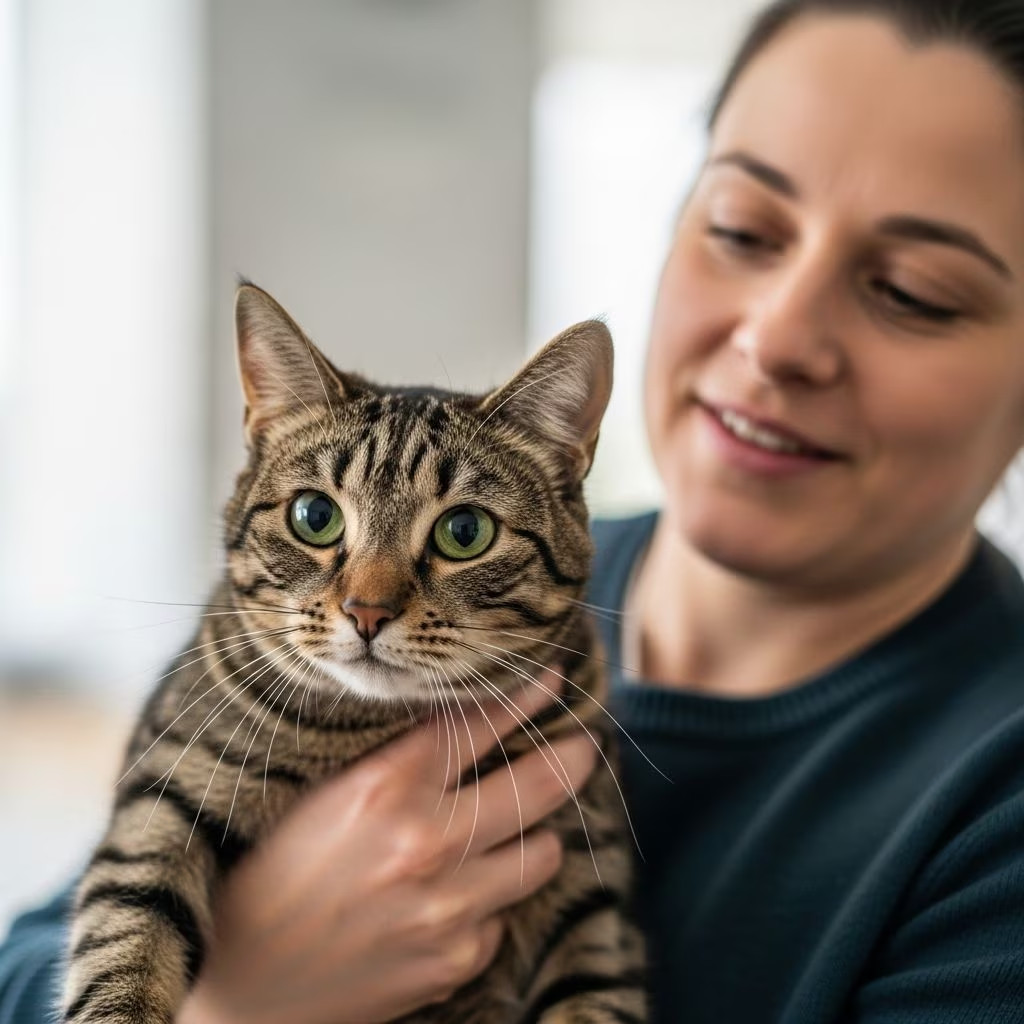
Adopting a cat is one of the most rewarding decisions you can make, bringing joy, companionship, and unconditional love into your home. In the UK, thousands of cats in rescues and shelters are waiting for their forever homes. Whether you’re eyeing a playful kitten, a laid-back adult cat, or a wise senior feline, the adoption process is designed to match you with the right companion while ensuring their welfare. This guide walks you through every step, from initial searches to settling your new pet in, drawing on advice from leading organisations like Cats Protection, RSPCA, and Blue Cross.
Cat Adoption Process
The cat adoption process in the UK is structured to create successful, long-term matches between cats and their adopters. While specifics can vary by shelter or rescue—such as Cats Protection, RSPCA, Blue Cross, or Battersea—most follow a standard sequence of steps. This thorough approach includes online searches, meetings, applications, home checks, and fees, typically taking one to several weeks depending on availability and your circumstances.
1. Search for Cats Available for Adoption
Begin your journey by exploring websites of major UK animal welfare organisations. These platforms allow you to filter cats by location, age, gender, temperament, and even special needs, making it easier to find a cat suited to your lifestyle.
- Enter your postcode on Cats Protection‘s ‘Find a Cat’ tool to see local cats needing homes.
- Browse RSPCA, Blue Cross, and Battersea databases for adoptable cats across the country.
- Consider factors like your home size, work hours, and family composition when filtering—indoor-only cats for busy urban dwellers or sociable ones for families.
Rescues often update listings daily, so check frequently. If no cats match immediately, sign up for alerts.
2. Find a Cat You’d Like to Adopt
Once promising profiles catch your eye, contact the rescue to arrange an in-person visit. Meeting the cat is crucial to assess compatibility—does the cat approach you, play gently, or seem relaxed?
Match your lifestyle wisely:
- Kittens: Energetic and time-intensive, ideal for patient owners ready for training and play.
- Adult cats: Often calmer, litter-trained, and quicker to settle—perfect for first-timers.
- Senior cats (over 7 years): Low-energy ‘mature moggies’ suited to quiet homes, less likely to roam.
Visits may allow interaction with multiple cats. Observe body language: relaxed ears and tail mean interest; hissing suggests a mismatch.
3. Complete an Adoption Application
After a positive meeting, submit an adoption application. This form gathers details on your living situation (e.g., rented or owned home, garden access), pet experience, work schedule, other pets or children, and emergency contacts. It’s a key welfare check to confirm you’re prepared.
Be honest—disclose smoking, travel plans, or allergies. Some ask about your cat care philosophy or post-adoption plans.
4. Application Approval
The rescue reviews your application, often within days to two weeks. They may call references, employers, or vets from prior pets. Approval hinges on demonstrating a safe, loving environment.
If issues arise, rescues provide feedback and suggest alternatives, like waiting for a better match.
5. Arrange a Home Visit
Many organisations, including Cats Protection, conduct a free home visit to verify safety. Inspectors check for hazards like open windows, toxic plants, or busy roads; confirm space for litter trays and beds; and discuss cat-proofing.
- Secure windows and balconies with screens.
- Hide cables and chemicals.
- Prepare a quiet introduction room.
Visitors offer tailored advice, turning potential problems into solutions.
6. Pay the Adoption Fee
Upon approval, pay the fee, which covers essential care: vaccinations, neutering/spaying (for cats over 8 weeks), microchipping, flea/worm treatments, and health checks. Fees range from £50-£150, varying by age, location, and vet costs.
| Organisation | Typical Fee | Included Services |
|---|---|---|
| Cats Protection | £80-£120 | Health checks, vaccinations, neuter, microchip |
| Other Rescues (e.g., Blue Cross) | £50-£150 | Similar basics, varies by branch |
Fees are far less than breeding costs (£500+), supporting rescue operations.
7. Take Your New Cat Home
Collect your cat within days to a week, often with starter supplies: food matching their shelter diet, bedding, care sheets, and sometimes toys. Register the microchip immediately via databases like Petlog or Animal Microchip Registry.
Follow-up may include a shelter check-in after months.
How Old Do You Have to Be to Adopt a Cat?
Rescues require adopters to be at least 18, as adoption is a legal contract involving fees, microchipping, and care commitments. Under-18s need a parent/guardian as the official adopter.
Families with children are welcome, but cats are matched carefully—some prefer child-free homes due to past trauma or energy levels. Always supervise interactions initially.
Preparing Your Home for a New Cat
Before bringing your cat home, stock essentials to minimise stress and support adjustment. A dedicated ‘safe room’ (quiet bedroom) for the first 1-2 weeks aids acclimatisation.
Must-Have Items:
- Food/Water Bowls: Stainless steel or ceramic; match shelter food initially to avoid tummy upset.
- Complete Cat Food: Wet/dry as per shelter advice; transition slowly.
- Comfortable Bed: Enclosed for security.
- Litter Tray & Litter: One per cat +1; clumping for adults. Place in quiet spot.
- Scratching Post: Sturdy sisal, near furniture.
- Toys: Balls, wand toys for play; avoid strings.
- Cat Carrier: Sturdy, ventilated for vet trips.
- Vet Registration: Book first check-up promptly.
Cat-proof: Remove toxic houseplants (lilies, poinsettias), secure bins, block gaps. ID collar with contact info as backup to microchip.
Frequently Asked Questions About Adopting a Cat
How Easy Is It to Adopt a Cat in the UK?
The process is straightforward yet thorough, prioritising cat welfare. Expect applications, possible home visits, and fees, but most complete within weeks. Demand for kittens is high, so popular types may waitlisted.
How Long Does the Adoption Process Take?
From application to home: 1-4 weeks, depending on visits and availability. Seniors often adopt faster.
Can I Adopt More Than One Cat?
Yes, bonded pairs thrive together. Discuss with rescues.
What If My Application Is Rejected?
Rescues explain reasons and may suggest alternatives. Improve via home tweaks and reapply.
Are There Fees for Kittens vs. Seniors?
Yes, kittens often cost more (£120+) due to care; seniors less (£50-£80).
Do Adopted Cats Come Microchipped?
Standard—register ownership immediately.
References
- How to Adopt a Cat In the UK — Kinship. 2023. https://www.kinship.com/uk/cat-lifestyle/how-to-adopt-cat-uk
- A Comprehensive Guide to Adopting Cats in the UK for First-Time Pet Owners — Little Paw Products. 2023. https://www.littlepawproducts.co.uk/post/a-comprehensive-guide-to-adopting-cats-in-the-uk-for-first-time-pet-owners
- A Step-by-Step Guide to Adopting a Cat — Kinship. 2023. https://www.kinship.com/cat-lifestyle/step-by-step-guide-to-adopting-a-cat
- Preparing Your Home For a Cat — Cats Protection. 2025-01-10. https://www.cats.org.uk/adopt-a-cat/preparing-for-a-cat



