

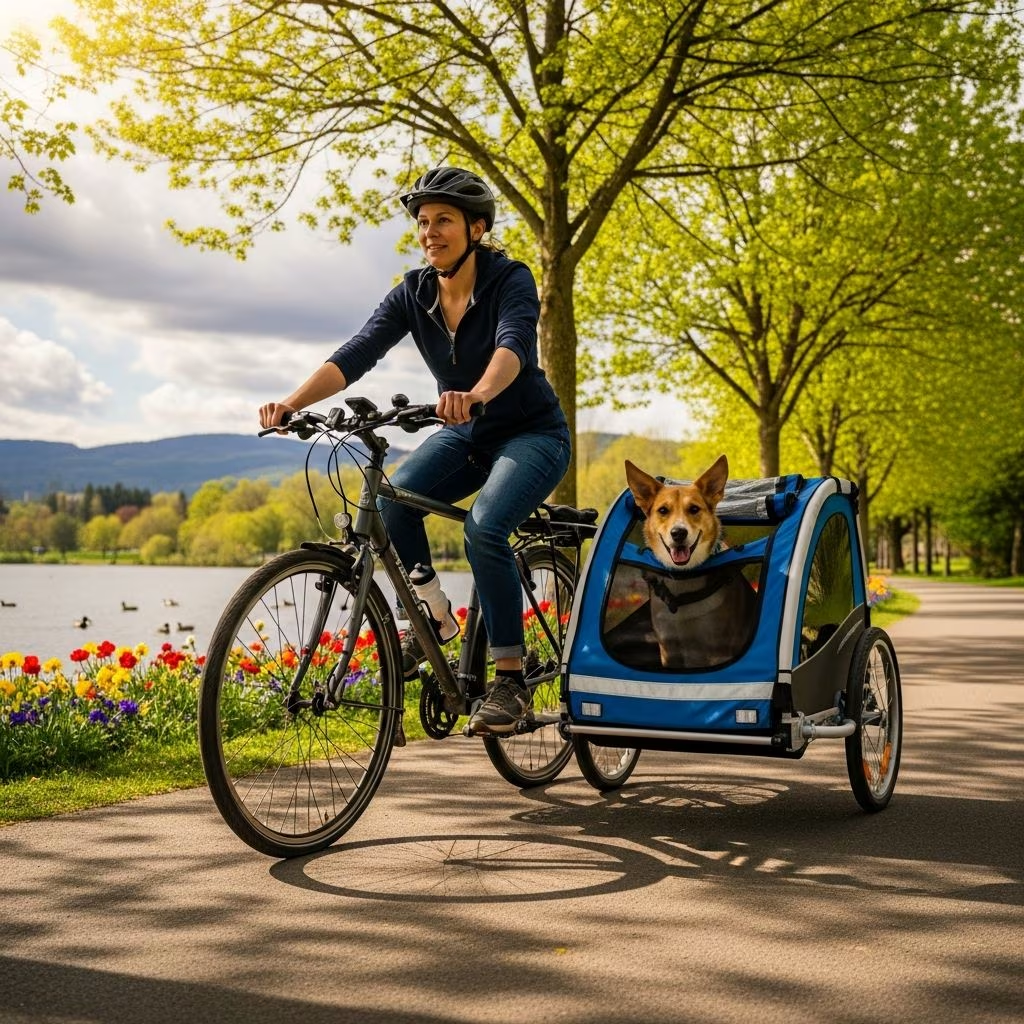
Biking with your dog combines exercise, bonding, and outdoor fun, but requires proper preparation for safety. This guide covers assessing suitability, training methods, essential gear, common pitfalls, and tips for successful rides.
Is Your Dog Ready to Bike?
Not every dog is suited for biking immediately. Factors like age, breed, fitness level, and temperament determine readiness. Puppies under 12-18 months risk growth plate damage from high-impact activities like running beside a bike, so wait until maturity. Older dogs or those with joint issues, obesity, or brachycephalic breeds (e.g., Bulldogs) may struggle with stamina or breathing—consult a vet first.
Assess your dog’s fitness: They should handle 30-60 minute walks comfortably without fatigue. High-energy breeds like Labs, Huskies, or Vizslas often excel, while small or low-energy dogs may prefer trailers. Observe behavior: An eager, obedient dog responds best; anxious or reactive pups need extra training.
- Ideal candidates: Medium-to-large athletic breeds, 1-7 years old, trained in basic obedience.
- Proceed with caution: Seniors, puppies over 6 months (short sessions), overweight dogs building stamina.
- Not recommended: Very small breeds (<15 lbs running), dogs with heart/lung conditions, aggressive reactors.
Training Your Dog to Bike
Training builds confidence and prevents accidents. Start slow in a quiet area, using positive reinforcement with treats and praise.
Step-by-Step Familiarization:
- Stationary Bike Intro (1-2 sessions): Let your dog sniff and sit near the parked bike. Reward calm behavior to desensitize.
- Walking the Bike (3-5 days): Walk beside the bike at dog’s pace, holding leash. Practice “slow,” “stop,” “leave it” commands.
- Slow Rolls (Week 1): Pedal slowly (2-5 mph) for 5-10 minutes. Stay on grass; stop if dog pulls or panics.
- Build Distance: Gradually extend to 1-2 miles over weeks, monitoring for exhaustion signs like lagging or heavy panting.
Basic commands are essential: “Sit,” “Stay,” “Heel,” “Easy” for speed control. Use a harness, not collar, to avoid neck strain. If issues arise, regress a step—patience prevents fear.
Safety Gear Essentials
Invest in pet-specific equipment for protection. Prioritize harnesses, visibility, and attachments over regular leashes.
| Gear Type | Purpose | Recommendations |
|---|---|---|
| Bike Leash/Attachment | Secure running alongside; shock-absorbing to prevent pulls. | Spring-loaded frame mount (e.g., non-pull designs); never hand-hold. |
| Harness | No-neck strain; secure fit for carriers/trailers. | Padded, adjustable; reflective for visibility. |
| Trailer/Carrier/Basket | For small/tired dogs; ventilated, secure. | Weight-limit checked; harness clip-in. Back trailers for larger pups. |
| Protective Wear | Paws, visibility, weather. | Booties (hot/cold pavement), LED collar, cooling vest, hi-vis vest. |
| Rider Gear | Your safety impacts dog. | Helmet, gloves, lights, bell. |
Carry essentials: Water bowl, collapsible dish, treats, first-aid (bandages, antiseptic), poop bags. Test gear fit before rides.
Choosing the Right Routes
Select dog-friendly paths to minimize risks. Avoid busy roads, traffic, or aggressive dog areas.
- Best: Wide trails, parks, quiet suburbs; flat terrain initially.
- Avoid: Narrow paths (leash wrap risk), hot asphalt (>85°F), steep hills for beginners.
- Legal Check: Leash laws vary; some require harnesses/visibility at dusk. Research local rules.
Start in familiar, low-distraction spots. Scout for hazards like glass, wildlife, or loose dogs—carry deterrent spray or whistle if needed.
Common Mistakes to Avoid
Beginners often rush, risking injury. Key pitfalls:
- Too Fast/Too Far: Start 5-10 min; build 10% weekly. Watch for limping, excessive thirst.
- No Paw Protection: Hot pavement burns pads—use hand test (too hot for 5 sec = too hot). Booties or balm essential.
- Hand-Holding Leash: Causes crashes; use frame attachments only.
- Ignoring Weather: Skip extremes; hydrate in heat, insulate in cold.
- Poor Training: Untrained dogs chase distractions—practice commands religiously.
Building Stamina and Hydration
Gradual progression prevents overexertion. Monitor via behavior: Tail wags = good; ears back = stress.
Progression Plan:
- Week 1: 0.5-1 mile, slow pace.
- Week 4: 3-5 miles, varied terrain.
- Monitor joints: Post-ride check paws, hips; rest if sore.
Hydrate frequently—bring 1 oz/lb body weight per hour. Stop for water breaks every 15-20 min in heat.
Weather and Seasonal Tips
Adapt to conditions for year-round fun.
- Summer: Early AM/PM rides; cooling vest, paw wax. Freeze treats for motivation.
- Winter: Booties for ice/salt, insulated jacket; shorten rides.
- Rain: Waterproof gear; avoid slick trails.
- General: UV paw balm, tick checks post-ride.
Health Checks and When to Stop
Pre-ride: Vet clearance, check for limps, hydration (gum test). During: Panting level, gait. Post: Cool down walk, paw inspection.
Red flags: Collapse, vomiting, refusal to continue—stop and vet visit. Annual checkups ensure ongoing fitness.
Frequently Asked Questions (FAQs)
What age can I start biking with my puppy?
Wait until 12-18 months for running; use trailers earlier with vet OK.
Can small dogs bike?
Yes, in baskets/trailers; avoid running if under 15 lbs.
How do I handle aggressive loose dogs?
Dismount, use bike as barrier, command firmly, or use spray/whistle.
What’s the best bike attachment?
Shock-absorbing frame leash for runners; secure harness always.
How often should we hydrate?
Every 15-20 minutes, more in heat; carry portable bowl.
Biking strengthens your bond and keeps both fit. Start slow, prioritize safety, and enjoy the trails together!
References
- Cycling with Your Dog: Safety Tips for Beginners — Kvisp. 2023. https://kvisp.com/blogs/news/cycling-with-your-dog-safety-tips-for-beginners
- Top Tips For Cycling With Your Dog — GOREWEAR US. 2023. https://www.gorewear.com/us/en-us/explore/top-tips-for-cycling-with-your-dog
- Cycling With Your Dog: The Dos and Don’ts — James & Ella. 2023. https://ella.co/blog/cycling-with-your-dog-dos-and-donts
- Dealing With Dogs — Bicycle Alliance of Minnesota. 2023. https://www.bikemn.org/mn-bicycling-handbook/dealing-with-dogs/
- How to Safely Bike with Your Dog in All Seasons — BikeToLeash. 2023. https://biketowleash.com/blogs/news/how-to-safely-bike-with-your-dog-in-all-seasons



