

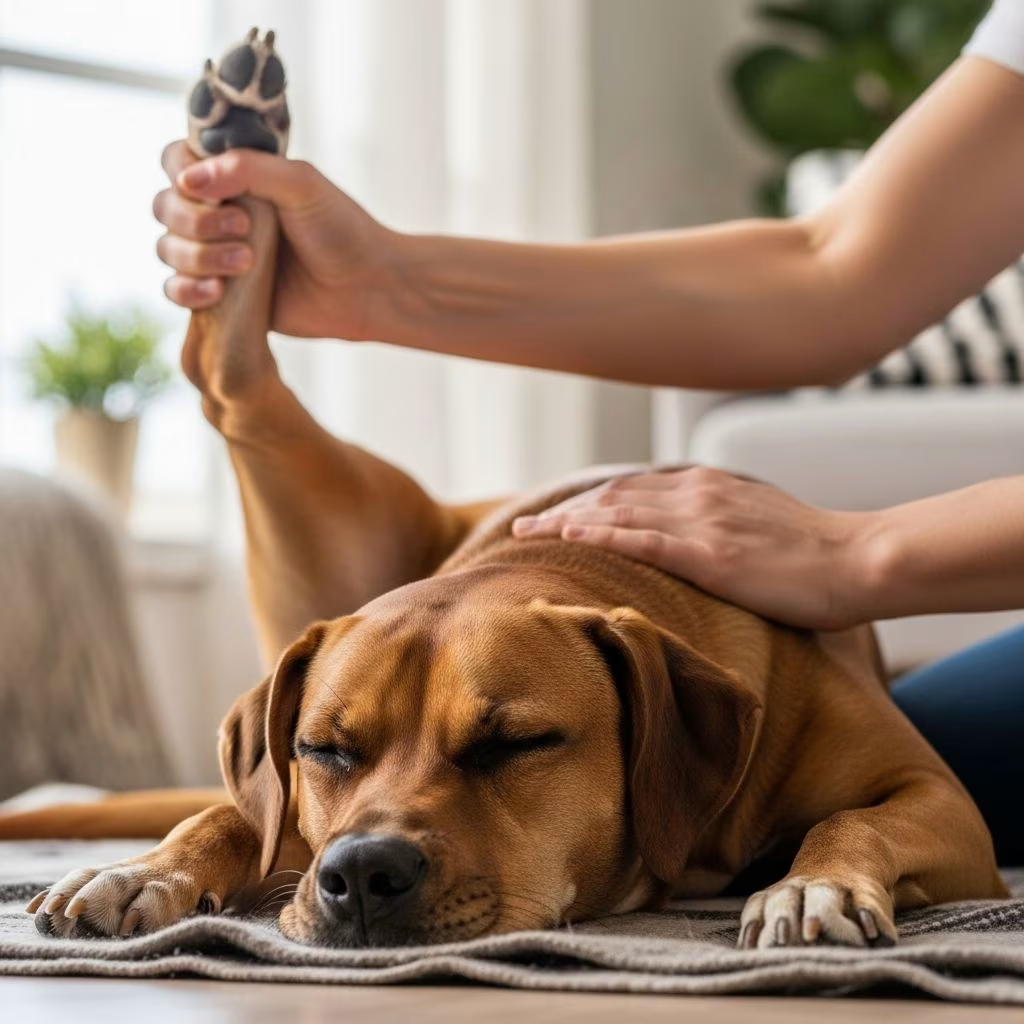
Stretching and massaging your dog offers numerous benefits, from improving muscle flexibility and circulation to reducing pain and strengthening the bond between you and your pet. These simple techniques can be incorporated into your daily routine to support your dog’s overall health and mobility, especially for seniors or active breeds.
Why Stretch and Massage Your Dog?
Regular stretching and massage therapy help keep your dog’s muscles supple, boost blood flow, and enhance oxygenation to tissues, promoting faster healing and reduced inflammation. For dogs with arthritis or joint issues, these practices decrease pain, improve range of motion, and alleviate muscle tightness in key areas like shoulders, back, and hips.
Studies show massage by trained professionals reduces pain and boosts mobility in dogs with orthopedic conditions. Beyond physical perks, it releases endorphins to lower stress and anxiety, supports the immune system, and fosters a deeper emotional connection with owners. Techniques like Tui Na, involving kneading and acupressure, restore balance and target specific tension points.
- Physical benefits: Enhanced joint flexibility, better circulation, pain relief, and injury recovery.
- Mental benefits: Reduced anxiety, improved relaxation, and strengthened owner-pet bond.
- Overall wellness: Balances muscle tone, promotes healing post-surgery, and supports active lifestyles.
Benefits of Dog Massage
Massage therapy eases muscle tightness, increases range of motion, and enhances mobility by warming muscles and improving blood flow. It influences the nervous system to calm the fight-or-flight response, circulates lymphatic fluid, and aids in managing chronic pain or post-injury recovery.
For senior dogs, it loosens hips and knees, preventing deterioration and arthritis pain. Sessions lasting 10-20 minutes with gentle strokes and kneading relax tense areas, reduce inflammation, and improve sleep and behavior.
Benefits of Stretching Your Dog
Stretching restores flexibility, prevents posture changes from tight muscles, and supports injury rehabilitation. Active stretching engages your dog for fun, building their own flexibility while passive stretches target specific areas like shoulders and hips.
Consistency is crucial—short, daily sessions yield better results than intense ones, improving spinal mobility, hip health, and overall movement.
Before You Start: Important Precautions
Always consult your veterinarian before beginning, especially for dogs with orthopedic issues like hip dysplasia, arthritis, or luxating patella. Start slowly with light pressure, observe your dog’s comfort, and stop if they show discomfort like whining or pulling away.
- Ensure your dog is relaxed, perhaps after a walk or in a quiet space.
- Use treats to make it positive; never force positions.
- For puppies, pregnant dogs, or those with acute injuries, seek professional guidance.
- Perform on a non-slip surface; standing or lying down works for most stretches.
How to Massage Your Dog: Step-by-Step Techniques
Begin with light, circular movements using your fingertips or palms. Focus on major muscle groups: neck, back, shoulders, hips, and legs. Adjust pressure based on your dog’s size and feedback.
Spinal Massage
Glide gently along the spine with light pressure, avoiding direct vertebra contact. Use circular motions on flat areas to increase spinal fluid flow and reduce anxiety.
Tummy Rub
Place your hand on the belly, feel for warmth, then rub clockwise for constipation or counterclockwise for diarrhea. This softens the diaphragm, boosts breathing, and loosens hip muscles.
Chest Massage
After opening the chest, knead gently between ribs to hydrate muscles, balance energy, and improve breathing capacity.
Neck and Shoulders
Knead slowly to release tension, using rolling techniques from Tui Na for circulation.
Incorporate trigger point therapy by holding sore spots for 10-30 seconds until they soften. A full session might include 5 minutes per area, ending with long strokes to relax.
Dog Stretching Exercises: Safe at-Home Routines
Hold each stretch for 5-10 seconds, repeat 2-3 times per side, moving slowly. Stabilize your dog with treats or a helper.
Rear Leg Stretch
Hold the leg near the knee and extend back gently. Great for hips, knees, and lower back; reduces arthritis pain.
Shoulder Stretch
Extend the front leg forward, then pendulum swing it. Supports 60% of body weight absorption, improving chest and back mobility.
Chest Opener
Gently abduct front legs to the sides. Opens chest muscles strained from daily activity, enhancing breathing.
Active Stretches
Encourage cookie stretches: lure with treats to bend neck side-to-side or round the back. Fun for building flexibility.
| Stretch | Target Area | Hold Time | Key Benefit |
|---|---|---|---|
| Rear Leg | Hips, Knees | 5-10 sec | Pain relief, mobility |
| Shoulder | Shoulders, Chest | 5-10 sec | Range of motion |
| Chest Opener | Chest, Ribs | 5 sec | Breathing capacity |
Creating a Routine: Frequency and Tips
Aim for 10-15 minutes daily or every other day. Warm up with massage, then stretch, cool down with rubs. Track progress: note improved gait or enthusiasm.
- Morning: Energizing stretches for active dogs.
- Evening: Relaxing massages for seniors.
- Combine with walks or hydrotherapy for best results.
Professional sessions can complement home care; look for certified therapists experienced in canine anatomy.
Frequently Asked Questions (FAQs)
Is it safe to stretch and massage my dog at home?
Yes, with vet approval and gentle techniques. Start slow and monitor reactions.
How often should I massage my dog?
Daily short sessions are ideal for consistency and benefits like reduced pain.
Can stretching help dogs with arthritis?
Absolutely—it improves mobility and eases stiffness when done properly.
What if my dog doesn’t like it?
Build trust with treats and short sessions; some dogs need time to relax.
Do I need training to do this?
Basic techniques are learnable at home, but pros offer tailored care.
Conclusion
Incorporating stretches and massages empowers you to enhance your dog’s quality of life proactively. These tools promote physical health, emotional well-being, and joyful companionship.
References
- Canine Massage: How to for Dog Owners — DipnDogs. 2023. https://www.dipndogs.com/blog/massage-stretching-for-dog-owners
- Tui Na Massage for Dogs: Unveiling the 6 Canine Wellness Benefits — Franklin TN Vet. 2024. https://franklintnvet.com/benefits-of-tui-na-massage-for-dogs/
- This vs. That: Massage vs. Stretching — Canine Arthritis Management. 2021. https://caninearthritis.org/this-vs-that-massage-vs-stretching/
- The Role of Massage Therapy in Canine Rehabilitation — Alpha Rehab and Fitness. 2023. https://www.alpharehabandfitness.com/blog/the-role-of-massage-therapy-in-canine-rehabilitation
- Exploring The Benefits Of Dog Massage Therapy — The Melrose Vet. 2024. https://themelrosevet.com/blog/1091772-exploring-the-benefits-of-dog-massage-therapy



