

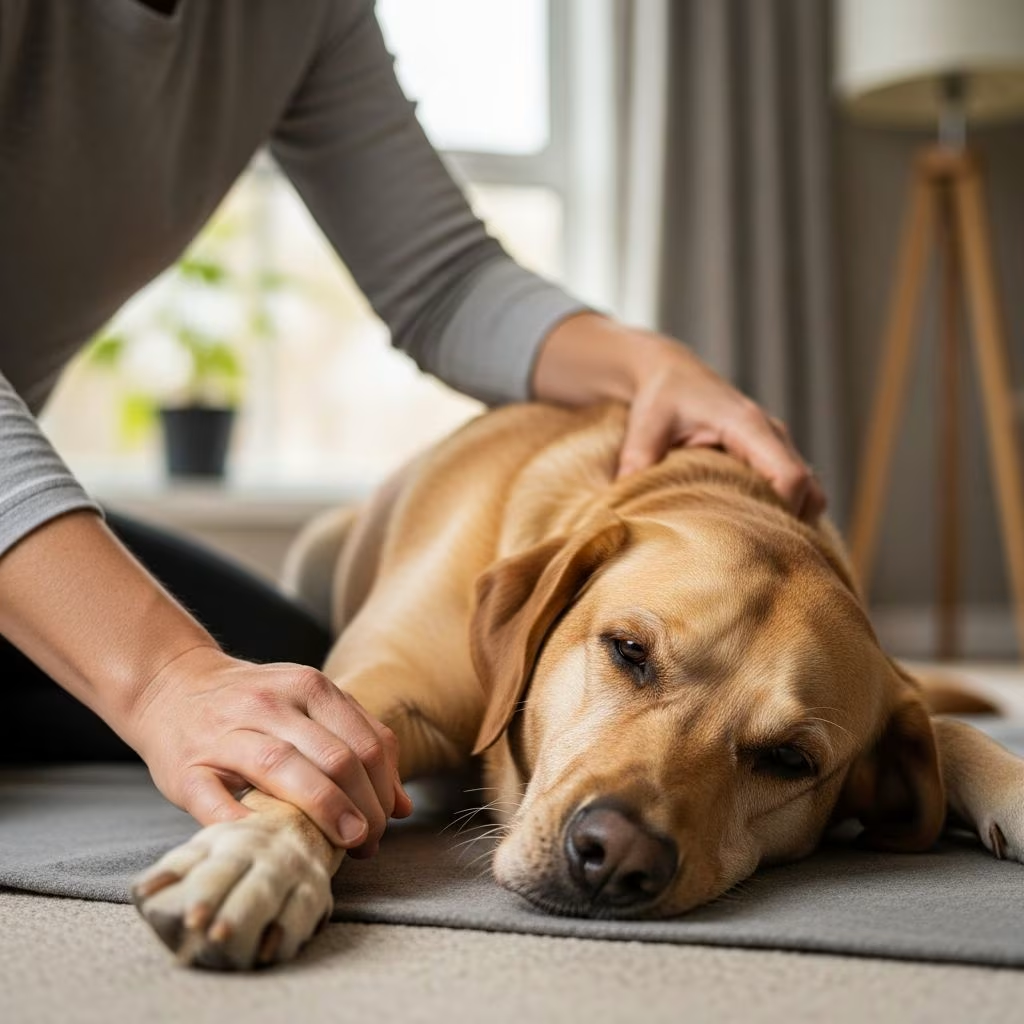
Stretching and massaging your dog offers numerous health benefits, from keeping muscles supple to improving circulation and strengthening the bond between you and your pet. These simple daily practices can significantly enhance your dog’s mobility, reduce pain, and promote overall well-being, particularly for aging or active dogs.
Benefits of Stretching Your Dog
Movement is essential for a dog’s body to heal and maintain optimal health. Regular stretching fires off nerve endings in the muscles, preparing them for activity and helping to warm them up, which can prevent exercise-related damage. According to Dr. Michael Petty, DVM, consistency in these routines—rather than intensity—is key for health, mobility, and pain management.
- Keeps muscles supple and flexible: Prevents stiffness and maintains range of motion in joints.
- Boosts circulation: Enhances blood flow to deliver oxygen and nutrients to tissues.
- Increases oxygenation and hydration: Supports muscle recovery and reduces inflammation.
- Enhances dog/person bond: Builds trust through positive touch and relaxation.
- Engenders feelings of calm and contentment: Releases endorphins to reduce stress and anxiety.
Studies show that massage therapy by trained professionals decreases pain and improves mobility in dogs with arthritis and orthopedic conditions. For injured dogs, these practices aid rehabilitation by restoring flexibility and countering compensatory muscle tension.
Consult Your Vet First
Before starting any stretching or massage routine, always consult your veterinarian. This is crucial for dogs with injuries, arthritis, post-surgical recovery, or underlying conditions to ensure safety and avoid exacerbating issues. Your vet can provide clearance and tailored advice based on your dog’s specific health needs.
Step One: Cookie Stretch
The cookie stretch is an easy, treat-based way to encourage gentle movement across key areas. No matter the injury location, dogs often compensate with poor posture, leading to wear on even healthy limbs. Target these spots to benefit the whole body.
Take a treat and lure your dog’s snout to:
- Hip (hip/lower back area)
- Hock (mid-thigh)
- Shoulder (shoulder area)
- Elbow (each front elbow)
Perform these slowly while your dog is standing or lying down, repeating 2-3 times per area for balanced stretching.
Step Two: Traction
Traction involves gentle pulling to elongate muscles and improve joint mobility. Hold each for 5-10 seconds, release slowly, and repeat 2-3 times. Always move confidently but softly, stopping if your dog shows discomfort.
- Butt & Back Rub: Massage the sacrum (above the tail base between hips) with light circular pressure, then stroke up the spine gently (minimal pressure on vertebrae). Results: Boosts spinal fluid flow, reduces anxiety, improves hip/spine mobility.
- Back Leg Stretch: Hold rear leg near knee, extend back slowly. Ideal for elderly dogs with hip/knee issues. Results: Enhances hip flexibility, eases arthritis pain, oxygenates lower limbs.
- Shoulder Stretch: Extend front leg forward (stabilize elbow for intensity), then pendulum swing forward/back. Shoulders bear 60% of body weight. Results: Strengthens shoulder girdle, increases breathing capacity, reduces pain.
- Chest Opener: Gently abduct front legs at wrists outward, follow with chest massage. Relieves chest strain. Results: Calms nerves, balances heart area, hydrates chest muscles.
- Belly Rub: Place hand softly on belly, feel pulse/heat, circle clockwise for constipation or counterclockwise for diarrhea. Results: Lowers anxiety, loosens spine muscles, improves breathing.
Note: All stretches work standing or lying down—let your dog choose the position for comfort.
Step Three: Use Proper Massage Technique
Massage relaxes muscles, improves lymphatic drainage, and supports healing. Use thumbs and palms for gentle circular motions on major joints and tight spots like hips, lower back, knees, ankles, shoulders, and neck. Research techniques like effleurage (long strokes), petrissage (kneading), and compression (gentle pressing) for best results.
Start and end with effleurage to relax and warm tissues. Avoid heavy pressure on sensitive areas.
Step Four: Adjust Pressure Based on the Area
Tailor your touch: Light for paw pads, scars, or injuries; firmer where muscles are tense but enjoyable. Watch your dog’s body language—tail wags, relaxed ears signal approval; tension means ease up. Focus on liked areas to build positive associations.
Techniques for Canine Massage
Incorporate professional-inspired methods for deeper benefits:
| Technique | Description | Benefits |
|---|---|---|
| Effleurage | Long, soothing strokes | Relaxes, warms tissues, boosts blood flow |
| Petrissage | Kneading/rolling motions | Increases circulation, drains lymph, removes toxins |
| Compression | Gentle press muscle to bone | Spreads fibers, enhances circulation |
| Myofascial Release | Slow, sustained pressure | Relieves tension, improves flexibility |
| Trigger Point Therapy | Targeted knots | Reduces pain in stiff muscles |
These support rehabilitation by accelerating healing post-injury or surgery.
Frequently Asked Questions (FAQs)
How often should I stretch and massage my dog?
Aim for 5-10 minutes daily. Consistency trumps intensity for lasting mobility gains.
Is massage safe for senior dogs with arthritis?
Yes, with vet approval. It warms tight muscles (shoulders, back, hips), reduces pain, and improves mobility per UK studies.
What if my dog resists stretching?
Use treats for cookie stretches initially. Go slow, positive reinforcement only—never force.
Can puppies benefit from these?
Gentle versions yes, to build flexibility. Consult vet for growing pups.
Does massage help post-surgery recovery?
Absolutely—increases blood flow, reduces swelling, promotes relaxation.
Final Tips for Success
Combine stretches with walks for best results. Monitor progress: better gait, less limping, happier demeanor. If issues persist, seek professional canine massage therapy. These practices not only aid physical health but foster emotional connection.
References
- The Benefits of Canine Massage | TopDog Health — TopDog Health. 2023-05-15. https://topdoghealth.com/the-benefits-of-canine-massage-how-and-why-to-massage-your-dog/
- This vs. That: Massage vs. Stretching — Canine Arthritis Management. 2021-10-20. https://caninearthritis.org/this-vs-that-massage-vs-stretching/
- The Role of Massage Therapy in Canine Rehabilitation — Alpha Rehab and Fitness. 2024-02-12. https://www.alpharehabandfitness.com/blog/the-role-of-massage-therapy-in-canine-rehabilitation
- Dog Massage: Everything You Need to Know About Canine Massages — PetMD. 2023-11-08. https://www.petmd.com/dog/general-health/dog-massage-everything-to-know-about-canine-massages
- Does Your Dog Need a Massage? Benefits of the Canine Massage — American Kennel Club (AKC). 2024-01-22. https://www.akc.org/expert-advice/health/dog-massage/



