

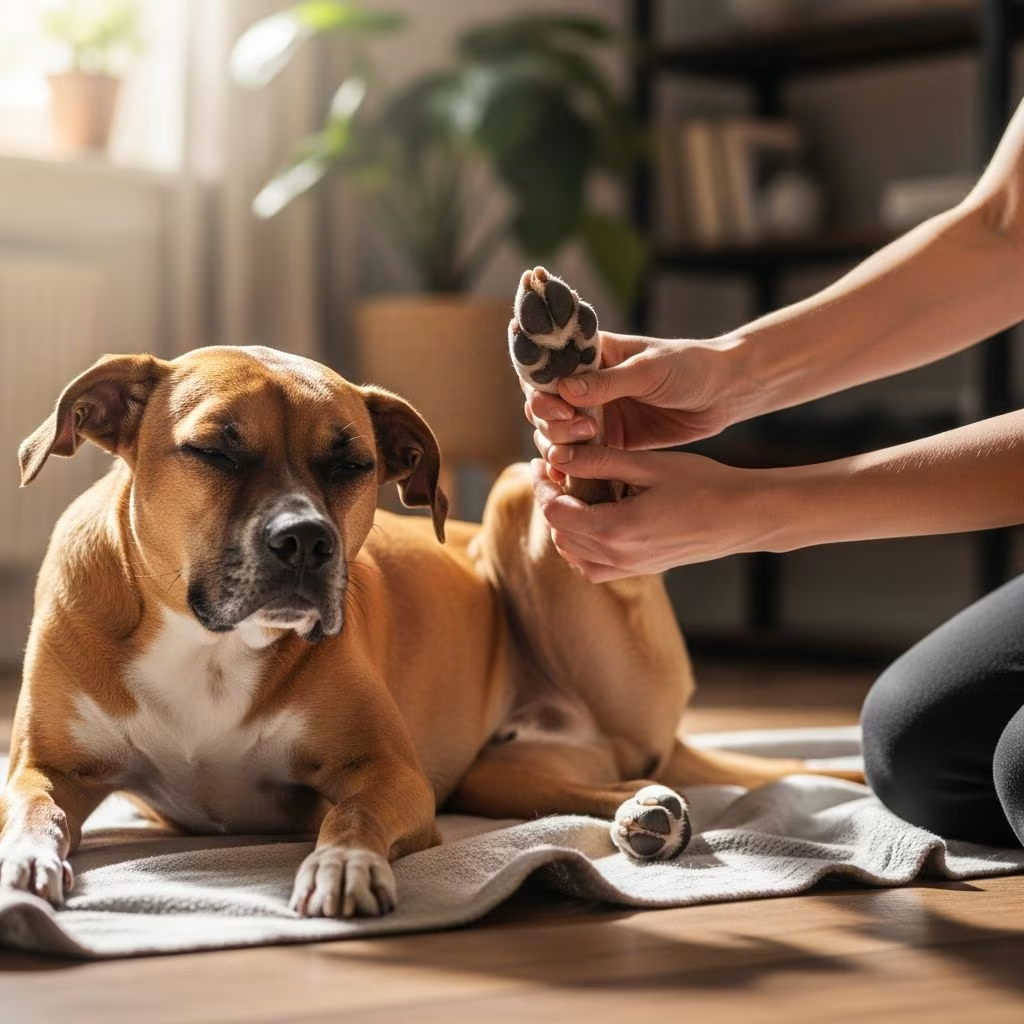
Stretching and massaging your dog offers a simple, effective way to support their physical health and emotional well-being. These techniques improve flexibility, boost circulation, reduce pain, and strengthen the human-canine bond. Whether your dog is a playful puppy, an active athlete, or a senior with arthritis, regular sessions can enhance mobility and quality of life.
Why Stretch and Massage Your Dog?
Canine massage and stretching target muscles, joints, and soft tissues to promote healing and prevent issues. Massage stimulates endorphin release, alleviating pain and stress, while stretching maintains suppleness and range of motion. A 2021 study on 527 dogs with musculoskeletal problems showed significant pain reduction after massage therapy. Similarly, UK research found massage by professionals decreased pain and improved mobility in arthritic dogs.
Key benefits include:
- Improved circulation: Delivers oxygen and nutrients to tissues, aiding recovery and reducing inflammation.
- Pain relief: Releases endorphins and loosens tight muscles, ideal for arthritis or post-surgery.
- Increased flexibility: Keeps muscles supple, preventing stiffness in shoulders, hips, and back.
- Stress reduction: Activates the parasympathetic system, calming anxious dogs.
- Better mobility: Enhances joint function and balance, especially for seniors.
- Stronger bond: Builds trust through gentle touch.
Consistency matters more than intensity. Short daily sessions yield better results than infrequent long ones. Always consult your vet first, especially for injured or ill dogs.
Benefits for Different Dogs
Massage and stretching suit various needs:
| Dog Type | Primary Benefits |
|---|---|
| Senior Dogs with Arthritis | Loosens stiff hips/shoulders, reduces pain, improves walking. |
| Athletic/Working Dogs | Prevents injuries, aids recovery, boosts flexibility. |
| Anxious or Stressed Dogs | Releases endorphins, promotes relaxation. |
| Post-Surgery/Recovery | Reduces swelling, speeds healing via better circulation. |
For high-energy breeds like Border Collies, rhythmic strokes shift them to rest mode, curbing barking or chewing. Adopted dogs build trust through positive touch.
Getting Started: Preparation Tips
Choose a quiet space where your dog feels safe. Start with pets they enjoy to build positive associations. Use treats for encouragement. Perform sessions when your dog is relaxed, like after a walk. Sessions last 5-15 minutes; do 2-3 times weekly.
- Observe body language: Lip licking signals stress—stop and soothe.
- Use light pressure initially; build as they relax.
- Standing or lying positions work; let your dog choose.
- Avoid if dog shows pain, limping, or aggression.
Basic Massage Techniques
Begin and end with effleurage: long, soothing strokes to relax and warm tissues. Progress to deeper methods.
Effleurage (Long Strokes)
Glide hands firmly along the body with the lay of fur. Covers back, sides, legs. Promotes blood flow and relaxation.
Petrissage (Kneading)
Gently knead muscles like dough between fingers and thumb. Targets shoulders, hips. Increases lymphatic drainage, removes toxins.
Compression
Press muscle against bone with flat hands (light pressure). Use on limbs bilaterally. Spreads fibers, boosts circulation.
Myofascial Release
Slow, sustained pressure on tight areas. Relieves tension in fascia.
Signs your dog enjoys it: relaxed ears, soft eyes, sighs. Tense posture or avoidance means stop.
Dog Stretching Exercises
Stretches elongate muscles gently. Move slowly, hold 5-10 seconds, repeat 2-3 times per side. Stabilize body to prevent twisting.
Rear Leg Stretch
Hold rear leg near knee, extend back slowly. Loosens hips, knees, low back. Ideal for elderly dogs. Results: Better hip mobility, arthritis pain relief, leg oxygenation.
Shoulder Stretch
Extend front leg forward from elbow. Follow with pendulum swings. Bears 60% body weight; improves chest/upper back. Results: Shoulder integrity, deeper breathing, less pain.
Chest Opener
Gently abduct front legs at wrists. Massage chest after. Relieves strain. Results: Calms nerves, hydrates chest muscles, boosts breath.
Tummy Rub
Place hand on belly, feel pulse, circle clockwise (constipation) or counterclockwise (diarrhea). Very gentle. Results: Anxiety drop, spine/hip mobility, diaphragm softening.
Spine Massage
Light circles over back with minimal vertebral pressure. Increases fluid flow. Results: Hip/spine mobility, reduced anxiety.
Advanced Tips and Combinations
Combine massage post-stretch for best effects. For rehab, pair with vet PT. Senior protocols: Daily light rubs on stiff areas. Athletes: Pre/post-activity to prevent imbalances.
Holistic integration: Follow massage with acupuncture/chiropractic for detox and alignment. Track progress: Note gait, energy, comfort.
Precautions and When to Stop
Not a cure-all. Seek vet if:
- Limping persists.
- Swelling/heat in joints.
- Behavioral changes.
- Recent surgery without clearance.
Avoid deep pressure on spine, abdomen if bloated, or open wounds. Pregnant dogs: superficial only.
Frequently Asked Questions (FAQs)
Q: How often should I massage my dog?
A: 5-15 minutes, 2-5 times weekly. Daily short sessions for seniors.
Q: Can I massage an arthritic dog?
A: Yes, gently. Studies show pain/mobility gains. Vet approval first.
Q: What if my dog doesn’t like it?
A: Start slow with favorites. Build trust; force worsens stress.
Q: Is professional massage needed?
A: Home techniques work; pros for complex cases.
Q: Does it help post-surgery?
A: Yes, reduces swelling, aids healing when vet-okayed.
Final Thoughts
Incorporate these into routines for happier, healthier dogs. Your touch provides therapy and love, transforming daily care.
References
- Canine Massage: How to for Dog Owners — DipnDogs. 2023. https://www.dipndogs.com/blog/massage-stretching-for-dog-owners
- The Benefits of Canine Massage — TopDog Health. 2024. https://topdoghealth.com/the-benefits-of-canine-massage-how-and-why-to-massage-your-dog/
- The Role of Massage Therapy in Canine Rehabilitation — Alpha Rehab and Fitness. 2023. https://www.alpharehabandfitness.com/blog/the-role-of-massage-therapy-in-canine-rehabilitation
- This vs. That: Massage vs. Stretching — Canine Arthritis Management. 2021. https://caninearthritis.org/this-vs-that-massage-vs-stretching/
- The Benefits Of Canine Massage — Halo Collar. 2024. https://www.halocollar.com/blog/dog-health/benefits-of-canine-massage/
- Canine Massage Therapy – Helping Dogs Feel Better — Lone Tree Veterinary Clinic. 2023. https://www.lonetreevet.com/blog/canine-massage-therapy-helping-dogs-feel-better/



