

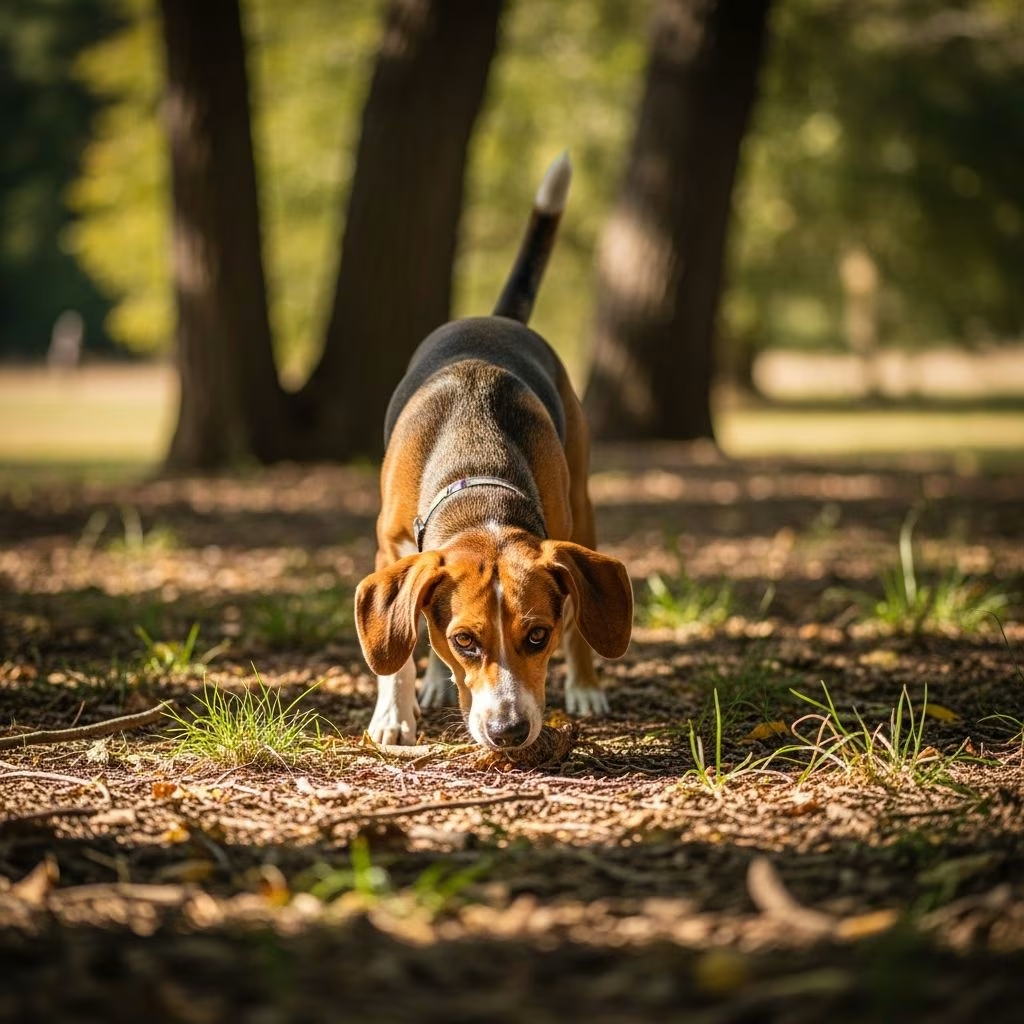
Dogs scavenging on walks is a common yet frustrating behaviour that can lead to health risks like choking, poisoning, or digestive issues. Understanding the root causes—ranging from hunger and genetic instincts to boredom and stress—allows owners to implement targeted solutions. This comprehensive guide covers why dogs scavenge, immediate management techniques, step-by-step training protocols, prevention strategies, and answers to frequently asked questions, drawing on canine behaviour insights to help you reclaim enjoyable, rubbish-free walks.
Why Do Dogs Scavenge?
Scavenging isn’t just about greed; it’s deeply rooted in a dog’s biology and environment. Modern dogs retain ancestral instincts from wild canids who foraged for survival, making ground-level food discoveries highly rewarding.
- Hunger: Inadequate nutrition from some commercial foods leaves dogs feeling unsatisfied, prompting them to grab anything edible on sight.
- Seeking and Play Systems: The anticipation of finding food triggers dopamine release, akin to gambling’s thrill, making scavenging addictive and euphoric.
- Genetic Predisposition: Breeds like hounds, selected for pack feeding, excel at quick grabs to secure food. Street dogs and those with faulty satiety genes (e.g., POMC) feel perpetually hungry.
- Boredom: High-energy, intelligent breeds turn to scavenging for mental stimulation when under-exercised.
- Stress and Over-Arousal: Anxious or reactive dogs scavenge to self-soothe during overwhelming situations.
- Evolutionary Factors: About 80% of the world’s dogs rely on scavenging human waste, reinforcing this as a primary foraging method even in pets. Free-ranging dogs prioritise individual scavenging over group hunting, unlike wolves who share more equitably.
Recognising these drivers is crucial before training, as unmet needs like exercise or stress reduction amplify the problem.
The Risks of Scavenging
Beyond annoyance, scavenging poses serious dangers. Ingesting toxic items like chocolate, xylitol, or sharp bones can cause poisoning, blockages, or perforations requiring emergency surgery. Parasites from rubbish spread diseases, while sudden grabs risk traffic accidents or fights. Proactive intervention protects your dog’s health and your peace of mind.
Management Techniques: Stop Scavenging Immediately
While training builds long-term skills, management prevents rehearsal of bad habits. Start here for instant results.
- Leash Control: Use a short leash or hands-free tether to keep your dog close, reducing reach to ground temptations.
- Speed Walks: Move briskly to minimise sniffing opportunities; a tired dog from prior exercise scavenges less.
- Distraction Tools: Carry high-value treats or toys to redirect attention before scavenging starts.
- Body Blocking: Position yourself between your dog and litter, using your legs to block access.
- Muzzle Training: A basket muzzle allows panting and treats while preventing eating; introduce positively with rewards.
Combine these for walks until training takes effect, ensuring consistency across family members.
Training Your Dog to Stop Scavenging
Effective training uses positive reinforcement to replace scavenging with desired behaviours. Simone Mueller’s Predation Substitute Training (PST) protocol is highly recommended for its focus on fulfilling seeking instincts safely.
Step 1: Build Engagement and Impulse Control
Teach a strong “watch me” cue and emergency “leave it.” Start indoors: hold a treat, say “leave it,” reward eye contact. Progress to drops on the floor, rewarding ignores. Practice daily for 5-10 minutes.
Step 2: Predation Substitute Training (PST)
This method channels scavenging drive into controlled games.
- Setup: Scatter kibble in a clean garden or room.
- Search Command: Release with “find it,” allowing free foraging until gone.
- Recall: Call back before finish, rewarding heavily.
- Progression: Add distance, distractions, then real-walk simulations with planted “rubbish” (safe items).
Gradually fade scatters to walks, using “find it” for permitted sniffs and “leave it” for hazards. Sessions should be fun, short, and frequent.
Advanced Techniques
- Engagement Games: “Look at that” for reactivity, rewarding calm focus on you.
- Tug and Chase: Fulfil play drive with toys, preventing boredom scavenging.
Track progress weekly; full reliability may take 4-8 weeks with consistency.
Prevention Strategies for Long-Term Success
Training alone isn’t enough; prevent relapse with lifestyle tweaks.
| Factor | Prevention Tip |
|---|---|
| Nutrition | Feed high-protein, satiating meals; split into multiple daily feeds to maintain fullness. |
| Exercise | Daily 60+ minutes vigorous activity plus mental puzzles like sniff mats. |
| Enrichment | Rotate toys, training games, and frozen Kongs to combat boredom. |
| Stress Management | Address reactivity with force-free professionals; use calming routines pre-walks. |
| Breed Traits | Hounds need pack-like games; labradins benefit from satiety-focused diets. |
Monitor for triggers like hunger pangs post-meal or high-traffic areas, adjusting as needed.
Common Mistakes to Avoid
- Yelling or Punishing: Increases stress, worsening scavenging.
- Inconsistent Rules: Family members allowing grabs undermines training.
- Skipping Management: Lets habits strengthen during learning.
- Ignoring Underlying Issues: Boredom or anxiety requires holistic fixes.
Frequently Asked Questions (FAQs)
Why does my well-fed dog still scavenge?
It’s often the thrill (dopamine hit) rather than hunger; seeking systems make unpredictable finds irresistible.
Can any dog be trained out of scavenging?
Yes, with patience and proper methods like PST, even high-drive breeds improve dramatically.
Is a muzzle cruel for scavenging?
No, when introduced positively; it protects while allowing treats and comfort.
How long until my dog stops on walks?
Typically 4-12 weeks with daily practice; management speeds results.
What if my dog is reactive and scavenges?
Consult a force-free behaviourist first to reduce stress triggers.
Final Tips for Scavenging-Free Walks
Consistency, positivity, and meeting your dog’s needs transform scavengers into focused companions. Celebrate small wins, like ignoring litter, with praise and play. If progress stalls, seek professional guidance. Safe, joyful walks await!
References
- Why Do Dogs Love To Scavenge? — Simone Mueller, Predation Substitute Training. Accessed 2026. https://predation-substitute-training.com/why-do-dogs-love-to-scavenge/
- The influence of social relationship on food tolerance in wolves and dogs — PMC/NCBI (Peer-reviewed). 2017-06-21. https://pmc.ncbi.nlm.nih.gov/articles/PMC5493712/
- Love Your Dog? You Should Thank Garbage — Nautilus Magazine. 2019-11-12. https://nautil.us/love-your-dog-you-should-thank-garbage-234656/



