

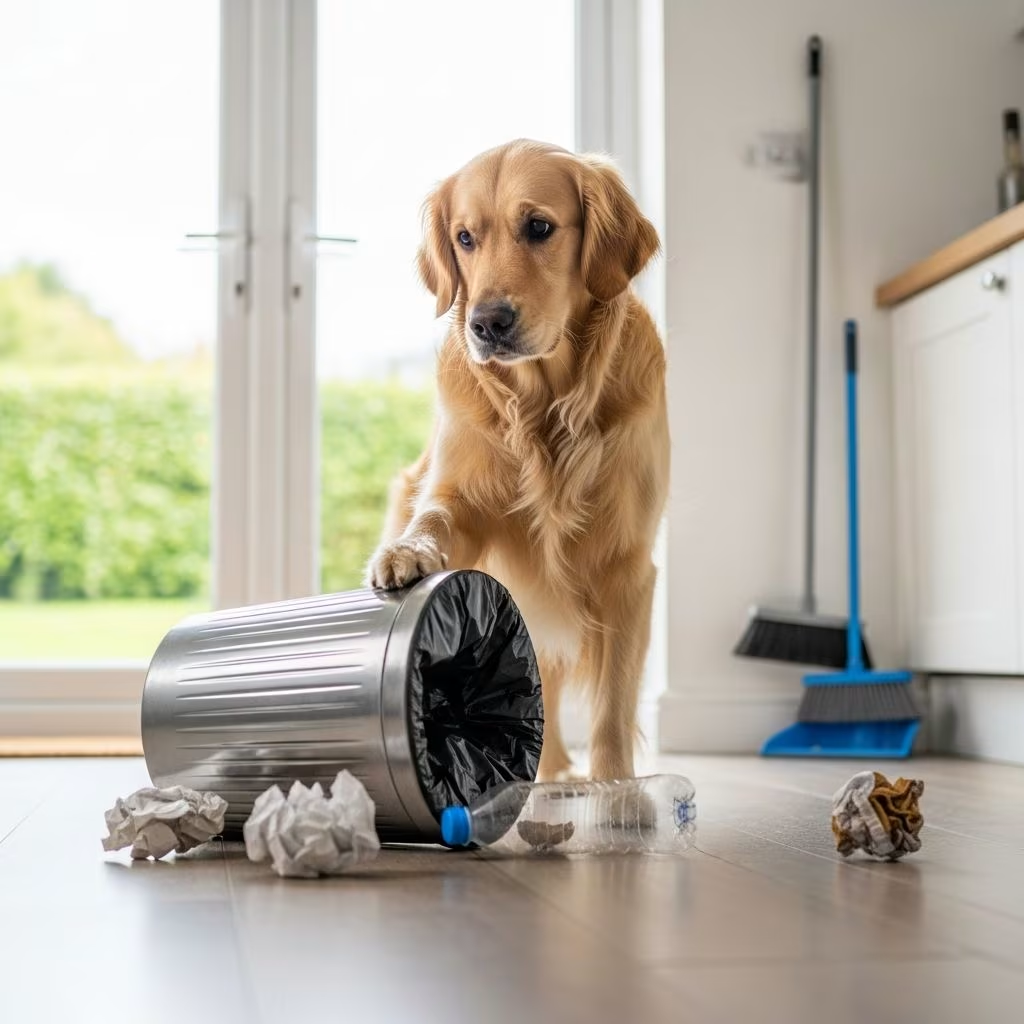
Dogs scavenging—sniffing, grabbing, and eating random items off the ground—is a common but frustrating behavior that can lead to health risks like choking, digestive issues, or exposure to toxins. Understanding the root causes and implementing targeted strategies can help you regain control during walks and outings. This guide covers why dogs scavenge, practical training methods, essential tools, and long-term prevention tips to keep your dog safe.
Why Do Dogs Scavenge?
Scavenging is deeply rooted in a dog’s biology and environment, making it highly rewarding and hard to resist. Far from simple greed, it’s driven by instinct, neurology, and past experiences that make every find exciting.
Your Dog Might Be Hungry
One straightforward reason is genuine hunger. Some commercial dog foods fail to satisfy for long, leaving dogs eager for ground-level snacks even if recently fed. Dogs may prioritize calorie-dense human food over their kibble, perceiving it as more nutritious or appealing.
Scavenging Feels Amazing to Dogs
Scavenging activates a dog’s **seeking system**, releasing dopamine similar to gambling wins in humans. The anticipation of discovery—the sniff, the find, the reward—creates euphoria, encouraging repetition. Their **play system** adds joy, turning foraging into a fun game.
It’s Hardwired in Their DNA
Domestic dogs evolved from wolves but adapted to scavenging human refuse more than pack hunting. Free-ranging dogs rely primarily on garbage for 80% of calories, a trait passed to pets who raid bins instinctively. Breeds like hounds, selected for competitive pack feeding, snatch food fastest to avoid missing out. Genetic factors, such as faulty satiety signals (e.g., POMC gene issues), can make some dogs feel perpetually hungry.
Boredom, Stress, and Over-Arousal Play a Role
Understimulated high-energy breeds turn to scavenging for mental workout. Stressed or reactive dogs use it as a coping mechanism to self-soothe amid anxiety triggers like crowds or other dogs.
The Dangers of Scavenging
Beyond annoyance, scavenging poses serious risks:
- Choking or blockages: Items like plastic, bones, or fabric can obstruct airways or intestines, requiring emergency surgery.
- Toxicity: Chocolate, xylitol, pesticides, or spoiled food can cause poisoning.
- Parasites and bacteria: Fecal matter or garbage spreads worms, salmonella, or leptospirosis.
- Injuries: Sharp objects like glass or fish hooks cause internal damage.
- Behavioral escalation: Reinforcement strengthens the habit, making walks stressful.
Addressing it promptly prevents veterinary bills and improves your bond.
Management Tools: Keep Scavenging from Happening
While training builds skills, tools provide immediate control. Use them short-term alongside behavior modification.
| Tool | How It Works | Pros | Cons |
|---|---|---|---|
| Basket Muzzle | Baskety design allows panting/drinking while blocking solid intake. | Humane, safe for long wear; trains tolerance gradually. | Requires desensitization; not for soft fabric grabs. |
| Head Halter | Redirects head to prevent ground focus. | Quick control; useful for pullers. | Learning curve; avoid yanks to prevent injury. |
| Short Leash | Limits reach (4-6 ft); hold high. | Simple, cheap; pairs with ‘leave it’. | Less practical for loose-lead walks. |
| Indoor Puzzle Toys | Stuff kibble in Kongs/West Paw toys pre-walk. | Reduces hunger/boredom drive. | Not field prevention. |
Start muzzle training weeks ahead: Pair with treats, build duration. Never force; positive association is key.
Training Exercises: Teach an Off-Switch
Focus on **prevention over reaction**. Teach cues like ‘Leave it’ and ‘Look at me’ for reliable response. Practice daily, 5-10 min sessions.
Step 1: ‘Leave It’ Foundation (Indoors)
- Hold high-value treat in closed fist.
- Dog sniffs/paws: Say ‘Leave it’ calmly, wait.
- Ignore until backing off, then ‘Yes!’ + jackpot treat from other hand.
- Progress: Drop treats on floor, cover if needed.
Goal: Dog ignores floor items on cue within 3 seconds.
Step 2: Add Distance and Distractions
Practice on walks with planted low-value items (kibble). Cue ‘Leave it’ before sniffing. Reward heavily for compliance. Fade treats to random schedule for reliability.
Step 3: Emergency ‘U-Turn’ Drill
On spotting triggers, cheerful ‘This way!’ + quick pivot. Reward focus on you. Builds proactive avoidance.
Advanced: Scavenging-Proof Recall
In safe areas, allow sniffing then recall with party rewards. Strengthens ‘Come’ over ground loot.
Consistency: Entire household uses same cues. Sessions short, fun—end on success.
Boost Success with Lifestyle Changes
Training alone isn’t enough; address drivers.
- Optimize feeding: Switch to high-protein, satiating food. Feed smaller meals 2-3x/day; use 100% kibble in puzzles for ‘work for food’ mimicking scavenging.
- Enrich daily: 30-60 min walks + brain games (sniffari, tug). Tire mind/body to lower boredom drive.
- Manage stress: If reactive, consult force-free trainer. Calm walks reduce self-soothing scavenging.
- Breed considerations: Hounds/scent breeds need extra scent work channels.
Why Modern Dogs Are ‘Hardwired’ to Scavenge
Unlike wolves, who share via pack tolerance, dogs show despotic food guarding—dominant individuals monopolize, subordinates scavenge opportunistically. Human refuse shaped 80% garbage diets globally, embedding the trait. Pets retain this, raiding bins despite full bowls.
Frequently Asked Questions (FAQs)
Can any dog wear a muzzle?
Yes, basket muzzles fit most with proper sizing. Train gradually; they’re safe for walks, not punishment.
How long until training works?
2-6 weeks with daily practice. Management prevents rehearsal meanwhile.
What if my dog is food-obsessed?
High-value rewards + puzzles help. Vet-check for medical hunger causes.
Is scavenging a sign of poor diet?
Often yes—trial better food. But instinct dominates.
Will neutering help?
No direct link; focus behaviorally.
What breeds scavenge most?
Hounds, Labs, Beagles—scent-driven or pack-eaters.
Scavenging is manageable with patience. Combine tools, training, enrichment for a scavenging-free dog.
References
- Why Do Dogs Love To Scavenge? — Simone Mueller, Predation Substitute Training. 2023. https://predation-substitute-training.com/why-do-dogs-love-to-scavenge/
- Social Relationship, Food Tolerance in Wolves & Dogs — PMC/NCBI (Peer-reviewed). 2017-06-15. https://pmc.ncbi.nlm.nih.gov/articles/PMC5493712/
- Love Your Dog? You Should Thank Garbage — Nautilus Magazine. 2023. https://nautil.us/love-your-dog-you-should-thank-garbage-234656/



