

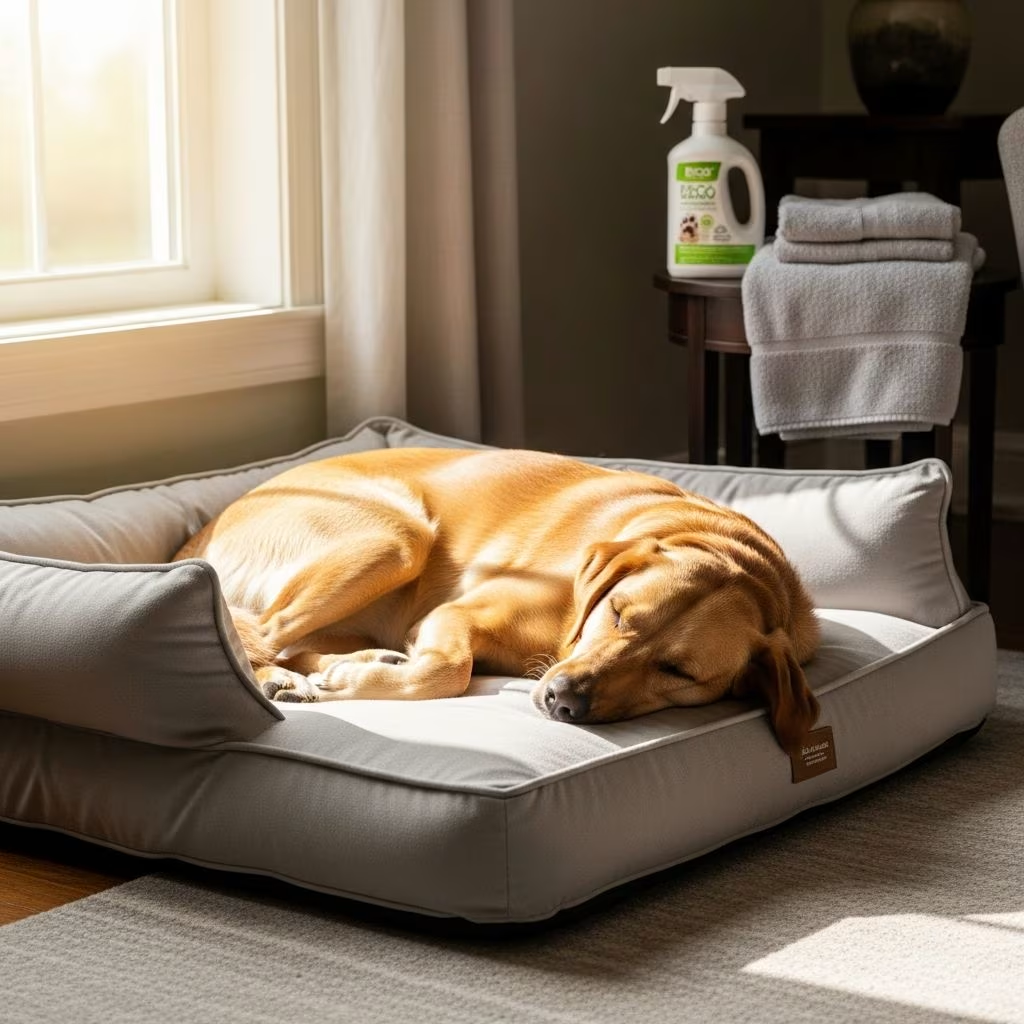
Your dog’s bed is their cozy sanctuary, but it can quickly become a hotspot for dirt, hair, bacteria, and allergens. Regular cleaning is essential not just for your pet’s comfort but also for preventing health issues like skin irritations, allergies, and flea infestations in your home. While there’s no one-size-fits-all schedule, factors like your dog’s habits, bed material, and household needs determine the best frequency. This guide breaks down expert recommendations, cleaning methods, and pro tips to keep your furry friend’s bed fresh and hygienic.
Why Cleaning Your Dog’s Bed Matters
Dogs shed hair, skin cells, and dander daily, which accumulate in their bedding alongside dirt from outdoor adventures, food crumbs, and potential accidents. Over time, this buildup attracts dust mites, bacteria, and parasites. Research highlights that dog beds rank among the dirtiest household spots, harboring germs, fecal matter, and allergens that can trigger respiratory issues or skin problems in pets and humans alike.
Unclean bedding compromises your dog’s well-being by fostering an environment ripe for infections and irritations. For families with allergy sufferers, regular maintenance reduces airborne allergens, promoting a healthier home. The Environmental Protection Agency (EPA) emphasizes deep cleaning to control fleas, while health authorities like the CDC advocate weekly washes to curb zoonotic risks. Neglecting this can shorten your dog’s bed lifespan and lead to costly replacements.
Cleaning also preserves the bed’s structure. Over-washing wears down fabrics, reducing bacteria resistance, so balance is key: spot-clean routinely and deep-clean as needed.
How Often Should You Wash Your Dog’s Bed?
Opinions vary, but experts converge on a practical routine tailored to your dog’s lifestyle. Here’s a breakdown:
- Weekly spot-cleaning: Vacuum, brush, or wipe down 1-2 times per week to remove hair, dirt, and debris. This prevents buildup without excessive washing.
- Bi-weekly deep clean: Wash removable covers every 2 weeks, or when odors or visible dirt appear. EPA recommends this for flea control.
- Weekly full wash: Ideal for active dogs with outdoor exposure, incontinence, or allergies. Surveys show many owners clean less often, but experts urge weekly for hygiene.
- Monthly minimum: For indoor-only, low-shedding dogs on durable beds, but increase if issues arise.
Adjust based on factors like breed (heavy shedders need more frequent care), age (puppies drool more), and environment (outdoor dogs track mud). If your dog shares your bed, wash human bedding every 1-2 weeks with hot water to manage dander.
| Dog Lifestyle | Recommended Frequency | Reason |
|---|---|---|
| Indoor lap dog | Spot-clean weekly, wash bi-monthly | Low dirt exposure |
| Active outdoor dog | Wash weekly | High dirt/bacteria intake |
| Allergy-prone household | Bi-weekly with hypoallergenic products | Minimize allergens |
| Flea risk | Deep clean every 2-3 weeks | EPA flea control |
Factors That Influence Washing Frequency
Not all dogs or beds are equal. Consider these:
- Bed material: Machine-washable covers with bacteria-resistant fabrics (e.g., wool or vet-grade) need less frequent full washes. Non-removable or delicate beds require gentler spot-cleaning.
- Dog habits: Muddy paws, rolling in grass, eating on the bed, or incontinence demand more cleaning. Incontinent dogs benefit from protective liners.
- Season and climate: Shedding peaks in spring/fall; humid areas breed more bacteria.
- Health issues: Allergies or fleas necessitate stricter schedules with unscented detergents.
Pro tip: Hang beds outside weekly for UV freshening, which kills bacteria naturally without washing.
How to Spot-Clean Your Dog’s Bed
Spot-cleaning extends time between washes, preserving fabric integrity. It’s quick and effective:
- Vacuum thoroughly: Use a pet brush attachment to lift embedded hair and dander.
- Brush fur: A rubber curry brush revives fluff and removes loose hairs.
- Wipe with vinegar solution: Mix 1 cup white vinegar with 1 tbsp water; dab on stains. Vinegar neutralizes odors and disinfects.
- Baking soda deodorize: Sprinkle, let sit 10-15 minutes, vacuum up.
- Sun-dry: Air out in sunlight to kill mites and freshen.
For tough spots, use pet-safe sprays like enzyme cleaners. Avoid over-wetting to prevent mold.
How to Deep Clean and Wash Your Dog’s Bed
When spot-cleaning isn’t enough, follow these steps for machine-washable beds:
- Check labels: Confirm washability and temperature limits.
- Remove covers: Shake out debris outdoors.
- Pre-treat stains: Enzyme sprays for urine/protein; mild soap for dirt.
- Wash cycle: Cold/warm water, gentle cycle, pet-safe or hypoallergenic detergent (e.g., Nikwax Tech Wash). Avoid bleach or fabric softeners.
- Rinse extra: Ensure no residue to prevent irritation.
- Dry properly: Air-dry or low-heat tumble; full sun for disinfection.
For non-machine-washable beds:
- Fill a tub with warm soapy water + vinegar.
- Scrub, rinse thoroughly, disinfect tub after.
Wash separately to avoid cross-contamination. Hot water kills more germs but check fabric tolerance.
Cleaning Dog Beds for Allergies and Fleas
Allergy-prone dogs or homes require extra vigilance. Bi-weekly washes with unscented, hypoallergenic detergents minimize dander, dust mites, and pollen. Vacuum daily and use allergen-proof covers.
For fleas, EPA advises 2-3 week deep cleans alongside treatments. Hot washes (if safe) and sunlight exposure are effective. Watch for signs like itching; consult vets for persistent issues.
Tips and Tricks for Easy Maintenance
- Use washable sheets or liners over the bed for quick changes.
- Wash paws post-outdoors to reduce tracked dirt.
- Invest in antimicrobial beds for longer freshness.
- Store off-season beds vacuum-sealed.
- Rotate multiple beds to allow full drying between uses.
Common Mistakes to Avoid
- Over-washing: Strips protective coatings, breeding more bacteria.
- Harsh chemicals: Cause skin irritation; stick to pet-safe products.
- Poor drying: Leads to mildew; always dry fully.
- Mixing loads: Spreads germs to clothes.
Frequently Asked Questions (FAQs)
Can I wash my dog’s bed in the washing machine?
Yes, if machine-safe. Use pet detergent, gentle cycle, and wash separately.
How often should I wash if my dog has allergies?
Bi-weekly with hypoallergenic products to control allergens.
What if my dog sleeps in my bed?
Wash your bedding every 1-2 weeks in hot water.
Is baking soda safe for deodorizing?
Yes, sprinkle, wait, vacuum—natural and effective.
Final Thoughts
Maintaining your dog’s bed through consistent spot-cleaning and targeted deep washes ensures a healthy, comfortable space. Tailor your routine to your pet’s needs, and enjoy a fresher home. Regular care not only boosts hygiene but also extends bed life, saving you money long-term.
References
- How Often Do I Need to Wash My Dog’s Bed? A Guide for Pet Parents — Bronte Glen. 2023. https://www.bronteglen.co.uk/blog/how-often-do-i-need-to-wash-my-dogs-bed/
- How Often Should You Wash Dog Beds (& How to Do it) — Adored Beast Apothecary. 2023. https://blog.adoredbeast.com/how-often-should-you-wash-dog-beds-how-to-do-it/
- How to Clean Your Dog’s Bed and Why It’s Important — American Kennel Club (AKC). 2024-06-12. https://www.akc.org/expert-advice/home-living/how-to-clean-a-dog-bed/
- Bedding and Toy Maintenance: Keeping Pet Items Clean and Safe — PetEvolution. 2024. https://www.petevolution.com/blog/bedding-and-toy-maintenance-keeping-pet-items-clean-and-safe/
- How to Wash a Dog Bed — all® Laundry. 2023. https://www.all-laundry.com/laundry-tips/family-laundry-routine/how-to-wash-a-dog-bed.html



