

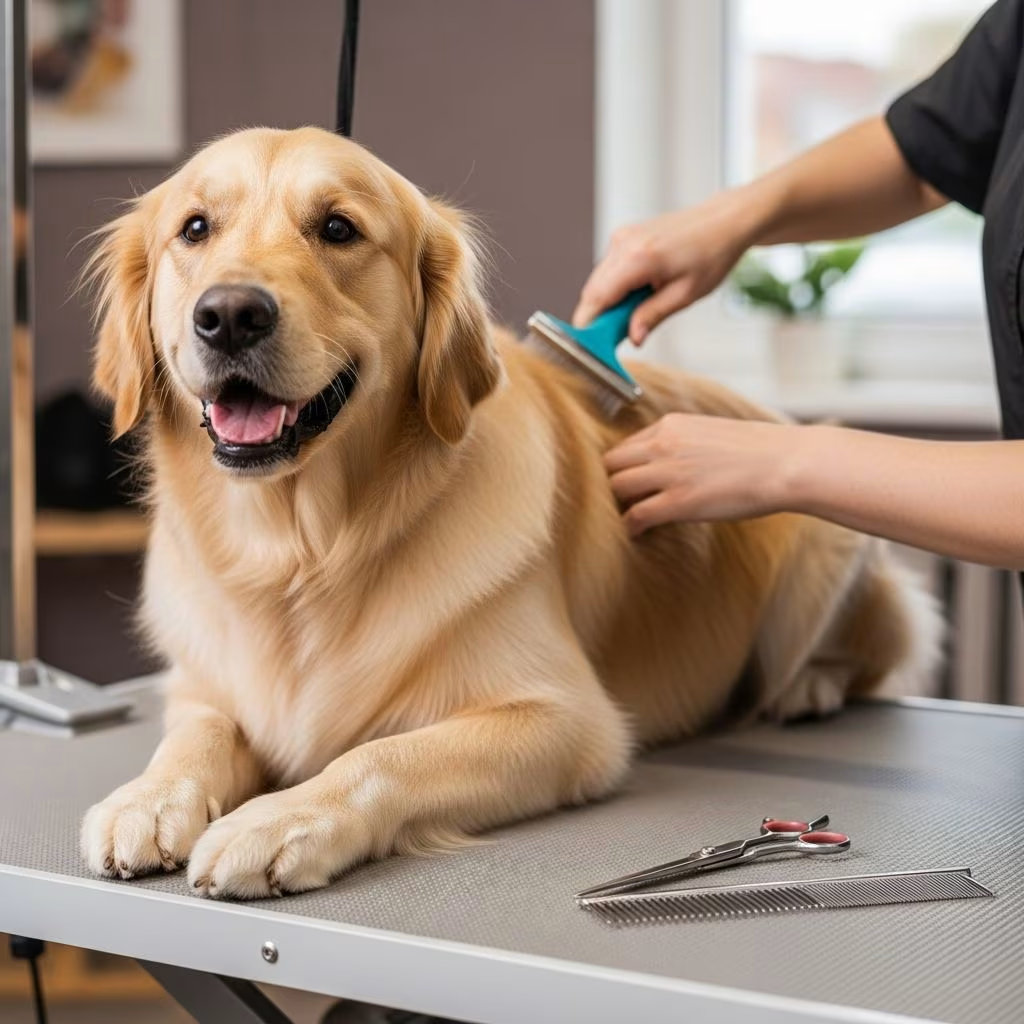
Grooming is essential for your dog’s health, comfort, and appearance. It removes dirt, dead hair, and mats while promoting healthy skin and circulation. However, the ideal frequency varies by coat type, breed, age, lifestyle, and season. There’s no one-size-fits-all answer—short-haired dogs may need weekly brushing, while long-haired breeds require daily sessions. Professional groomers recommend every 4-6 weeks on average, adjusted for individual needs.
Why Regular Grooming Matters
Regular grooming prevents matting, reduces shedding, detects skin issues early, and strengthens your bond. It also keeps nails trimmed to avoid painful overgrowth and cleans ears to prevent infections. Dogs with neglected coats often suffer from hot spots, allergies, or discomfort. A study highlights professional grooming’s superiority in reducing itching compared to DIY efforts.
Understanding Coat Types and Grooming Needs
Dogs have diverse coat types, each demanding specific care. Identify your dog’s coat to set a schedule.
Short-Haired Breeds
Examples: Beagle, Boxer, Dalmatian, Greyhound, Bulldog. These low-maintenance coats shed steadily but benefit from brushing to distribute oils and remove debris.
- Brushing: Once a week
- Bathing: Every 4-6 weeks
- Professional grooming: Every 2-3 months (nails, ears)
Short coats need less frequent full grooms but monthly checks for eye discharge and nails.
Medium or Smooth-Coated Breeds
Examples: Labrador Retriever. Dense fur sheds seasonally.
- Brushing: Weekly, daily during shedding
- Bathing: Every 6-8 weeks
- Professional grooming: Every 8-10 weeks
Focus on deshedding tools during peak seasons.
Long-Haired Breeds
Examples: Shih Tzu, Maltese, Yorkshire Terrier, Afghan Hound. Silky fur tangles easily without daily care.
- Brushing: Daily to prevent mats
- Bathing: Every 3-4 weeks
- Professional grooming: Every 4-6 weeks (trim, bath, nails)
Full grooms every 4-8 weeks keep them pristine.
Double-Coated Breeds
Examples: Golden Retriever, German Shepherd, Husky, Pomeranian. Thick undercoats shed heavily twice yearly.
- Brushing: 3-4 times weekly, daily in shedding season
- Bathing: Every 6-8 weeks
- Professional grooming: Every 8-10 weeks for deshedding
Never shave double coats—trim lightly (under 0.5 inches) every 8-12 weeks to allow regrowth.
Curly or Wavy Coats
Examples: Poodle. Continuously growing curls mat if neglected.
- Brushing: Every other day
- Bathing: Every 3-4 weeks
- Professional grooming: Every 4-6 weeks
Trims maintain shape and prevent overgrowth.
Wire-Coated Breeds
Examples: Schnauzer, Terrier, Airedale. Coarse fur needs stripping or clipping.
- Brushing: Twice weekly
- Bathing: Every 6-8 weeks
- Professional grooming: Every 8 weeks
Hand-stripping preserves texture.
Breed-Specific Grooming Schedules
Tailor routines to popular breeds for optimal results.
| Breed | Brushing | Bathing | Professional Grooming |
|---|---|---|---|
| Golden Retriever | 3x/week | Every 6 weeks | Every 8 weeks |
| Labrador Retriever | Weekly, daily shedding | 6-8 weeks | 8-10 weeks |
| Poodle | Every other day | 3-4 weeks | 4-6 weeks |
| Shih Tzu | Daily | Every 3 weeks | 4-6 weeks |
| German Shepherd | 3-4x/week | Every 6 weeks | Every 8 weeks |
| Bulldog | Weekly | 6-8 weeks | Every 10 weeks |
| Yorkshire Terrier | Daily | Every 3 weeks | 4-6 weeks |
| Husky | 3-4x/week, daily shedding | 6-8 weeks | 8-10 weeks |
These schedules balance coat health and convenience.
Grooming Puppies vs. Seniors
Puppies: Bathe every 6-12 weeks; introduce gently with positive reinforcement. Trim nails as needed.
Seniors: Less frequent baths (every 8-12 weeks) to preserve skin oils. Check for lumps during brushes. Arthritis may require gentler tools or pro help.
At-Home Grooming Routine
Most maintenance is DIY. Weekly brushes, monthly baths, bi-monthly nail trims suffice for many.
- Brushing: Use slicker for long coats, rubber for short.
- Bathing: Dog-specific shampoo; rinse thoroughly.
- Nails: Trim every 3-4 weeks or when clicking on floors.
- Ears/Eyes: Clean weekly; watch for wax or discharge.
- Teeth: Brush 2-3x/week with enzymatic paste.
Tools: Deshedding rake for doubles, comb for mats.
Signs It’s Time for Professional Grooming
- Mats or tangles
- Overgrown nails
- Heavy shedding
- Skin irritation
- Ear buildup
Every 4-6 weeks prevents issues; more for active or long-coated dogs.
Adjusting for Lifestyle and Seasons
Hiking dogs need frequent baths. Shedding seasons demand daily brushing for doubles. Hot weather: More baths for shorts. Consult vets for allergies.
Frequently Asked Questions
How often should I groom my short-haired dog?
Brush weekly, bathe every 4-6 weeks, pro groom every 2-3 months.
Can I bathe my dog weekly?
No—strips oils. Every 4-8 weeks ideal unless dirty.
How often to trim double-coated dogs?
Light trim every 8-12 weeks; don’t shave.
What’s the average pro grooming interval?
4-6 weeks, breed-dependent.
How to groom a puppy?
Gently, every 6-12 weeks; socialize early.
References
- How to Groom Your Dog At Home: the Complete Guide — Kinship. 2023. https://www.kinship.com/dog-health/how-to-groom-dog-at-home
- Grooming Frequency by Breed: A Quick Guide — Backyard Pet Services. 2025-11-07. https://backyardpetservices.com/2025/11/07/grooming-frequency-by-breed-a-quick-guide/
- How Often Should You Take Your Dog to the Groomer? — Furkin. 2024. https://www.furkin.com/blog/how-often-dog-groomer
- How Often Should You Groom Your Dog? Expert Tips for Every Breed — Boops N’ Bubbles. 2024. https://www.boopsnbubbles.com/how-often-should-you-groom-your-dog
- How Often Should You Groom Your Dog — Kinship. 2023. https://www.kinship.com/dog-health/how-often-to-groom-dog
- Study Shows Pro Grooming Is Better at Curbing Dog Itching Than DIY — Kinship. 2024. https://www.kinship.com/dog-health/professional-grooming-study



