

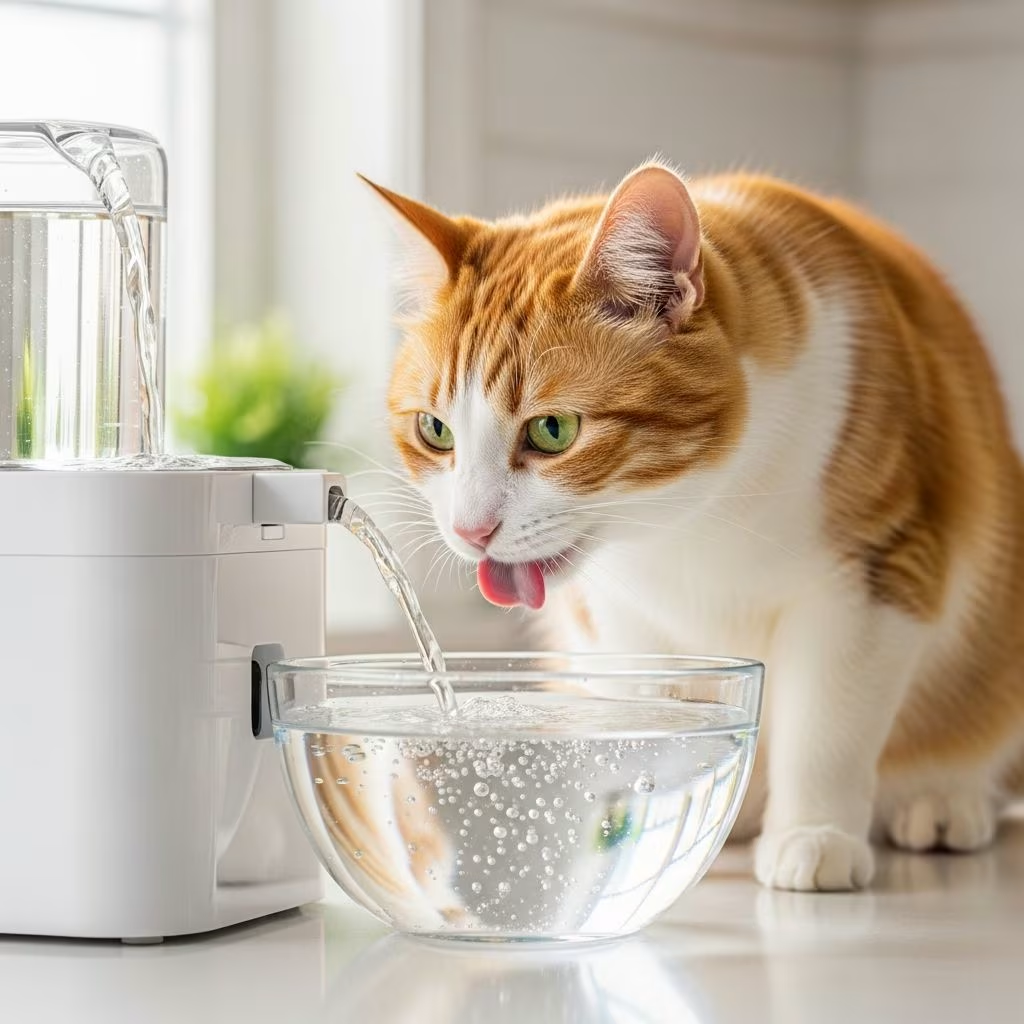
How Often to Change Your Cat’s Water: Vet-Approved Care Tips
Providing your cat with fresh, clean water is one of the most fundamental aspects of pet care. While most cat owners understand that their feline companions need access to water, many are unsure about the specific frequency required to maintain optimal hydration and prevent health issues. The straightforward answer is clear: you need to give your cat fresh water every day, and if they don’t drink it all, you must dump it out, clean the bowl, and provide fresh water again. This daily practice ensures your cat has access to clean, bacteria-free water at all times.
Why Daily Water Changes Matter
Understanding why daily water changes are essential can help cat owners prioritize this important task. Water left sitting in a bowl, even for just a few hours, can accumulate bacteria and microbes from your cat’s saliva. These microorganisms multiply rapidly in stagnant water, potentially leading to bacterial infections or gastrointestinal upset. Additionally, dust, fur, and other contaminants can fall into the water bowl, making it less appealing to your cat and potentially compromising their health.
Beyond bacterial growth, stale water simply tastes less fresh to cats. Many felines are naturally drawn to moving water, which is one reason cat water fountains have become increasingly popular among pet owners. By changing your cat’s water daily, you ensure they have access to the freshest possible drinking option, which can encourage better hydration habits.
How Much Water Should Your Cat Drink?
The amount of water your cat needs depends on several factors, including their size, diet, and overall health. As a general guideline, your cat needs about 4 ounces of water for every 5 pounds of body weight. This means a typical 10-pound cat requires approximately 8 ounces of water daily. However, this measurement can be challenging to track precisely since cats obtain water from multiple sources.
The type of food you feed your cat significantly impacts their water intake needs. If you feed your cat wet food, which contains 70 to 80% moisture, they may receive a substantial portion of their daily fluid requirements from their meals. This means they may drink less from their water bowl than a cat fed exclusively dry food. Cats on a dry kibble diet typically need to drink more water to compensate for the lower moisture content in their food.
Several factors influence how much your cat will actually drink:
- Age and health status of your cat
- Activity level and metabolism
- Environmental temperature and humidity
- Type of diet (wet versus dry food)
- Presence of underlying health conditions
- Individual preferences regarding water temperature and presentation
Traditional Water Bowl Maintenance
For cats using traditional water bowls, daily cleaning and water replacement is non-negotiable. Clean the bowl completely each day and provide fresh water to prevent bacterial buildup and keep your cat attracted to drinking. Here’s the proper routine for traditional bowls:
- Empty the bowl completely, even if water remains
- Wash the bowl with hot soapy water or place it in the dishwasher
- Rinse thoroughly to remove all soap residue
- Refill with fresh, clean water at room temperature
- Consider using filtered or distilled water if your tap water is heavily chlorinated
The location of your cat’s water bowl also matters. Keep it away from their litter box and food dish to maintain freshness and prevent contamination. Many cats prefer their water source to be separate from their feeding area, as this mimics their natural instincts in the wild.
How Often Should You Clean a Cat Water Fountain?
Cat water fountains have revolutionized feline hydration by providing constantly circulating, aerated water that many cats find more appealing than stagnant water in a bowl. However, they require different maintenance schedules than traditional bowls. While you don’t need to clean a fountain quite as often as a traditional bowl due to the moving water and filtration system, you still need to follow the manufacturer’s guidelines and on average clean it and replace the water at least once a week, but often every 3 to 4 days, even if water remains in the bowl.
Daily Fountain Maintenance
Establish a daily routine for your fountain:
- Check water level and top it off with fresh water daily
- Remove any visible debris, fur, or food particles
- Ensure the pump is functioning properly
- Listen for unusual sounds that might indicate maintenance needs
Weekly Deep Cleaning
At minimum once per week, perform a comprehensive cleaning:
- Disassemble all removable components, including the pump and filter
- Wash parts in warm, pet-safe soapy water
- Remove any limescale, mineral deposits, or mold buildup
- Rinse all parts thoroughly to ensure no soap residue remains
- Completely replace the water in the reservoir
- Reassemble the fountain properly before refilling
Special Considerations for Multiple Cat Households
Households with multiple cats have additional cleaning challenges. When multiple felines share a fountain, it accumulates debris, saliva, and bacteria more quickly. Clean the fountain every 3 to 4 days for multiple cats to prevent rapid bacterial growth and maintain water quality. Some cat owners with several pets find it practical to invest in multiple fountains, allowing them to clean each less frequently while ensuring all cats have access to fresh water.
The number of cats using a single fountain directly impacts its cleanliness and filter clogging speed. Two or more cats should prompt more frequent maintenance schedules than a single-cat household.
Single Cat Household Water Fountain Schedule
For households with only one cat, a slightly less demanding schedule applies. Clean the fountain and change the water every 5 to 6 days for a single cat, though weekly cleaning remains a good baseline to follow. However, monitor your fountain’s condition regularly, as factors like water hardness and your cat’s grooming habits may necessitate more frequent cleaning.
Filter Replacement Guidelines
Cat water fountain filters play a crucial role in maintaining water quality and should be replaced regularly. Follow manufacturer guidance on filter replacement, which is usually every 4 weeks. Factors that may require more frequent filter changes include:
- Hard water areas with mineral buildup
- Multiple cats using the same fountain
- Frequent fountain usage
- Cats that create splashes or spills while drinking
- Visible discoloration or odor in the fountain
Signs Your Cat’s Water Needs Attention
Beyond following a set schedule, watch for visible indicators that your cat’s water bowl or fountain requires immediate attention:
- Visible debris or floating particles: Empty and refill immediately
- Cloudy or discolored water: Change immediately
- Foam or white bubbles: Indicates bacterial growth and requires cleaning
- Unpleasant odor: Suggests bacterial overgrowth or mold
- Pump sounds: Unusual noises may indicate filter clogging or mineral buildup
- Reduced water circulation: Sign that cleaning or filter replacement is needed
Water Quality Considerations
The quality of water you provide affects your cat’s willingness to drink. Consider these factors:
- Chlorine content: Some cats are sensitive to chlorinated tap water; filtered or distilled water may be preferable
- Water temperature: Most cats prefer room temperature or slightly cool water
- Hard water: High mineral content requires more frequent fountain cleaning and filter changes
- Tap water safety: Ensure your tap water is safe for consumption; test it if concerned
Encouraging Your Cat to Drink More
Some cats are naturally less inclined to drink adequate water. Tips for encouraging hydration include:
- Investing in a quality water fountain that appeals to your cat
- Placing multiple water bowls throughout your home
- Using filtered water to improve taste appeal
- Keeping water bowls separate from food and litter areas
- Changing water multiple times daily for particularly finicky cats
- Offering water at room temperature or slightly cool
- Monitoring your cat’s drinking habits for changes that might indicate illness
When to Consult a Veterinarian
Changes in your cat’s drinking habits can indicate health issues. Contact your veterinarian if you notice:
- Sudden increase or decrease in water intake
- Excessive thirst combined with frequent urination
- Your cat refusing to drink from their water source
- Signs of dehydration such as lethargy or dry skin
- Difficulty accessing or using their water bowl or fountain
Frequently Asked Questions
Q: What is the minimum frequency for changing my cat’s water?
A: At minimum, you should change your cat’s water in a traditional bowl every single day. For water fountains, change the water at least once weekly, though every 3-4 days is often recommended. However, if you notice contamination or your cat doesn’t drink the water, change it immediately regardless of the schedule.
Q: Can I use tap water for my cat, or should I use filtered water?
A: Tap water is generally safe for cats in most areas. However, if your tap water is heavily chlorinated or you live in a hard water area, your cat may prefer filtered or distilled water. Filtered water also reduces mineral buildup in fountains, making maintenance easier.
Q: Why does my cat sometimes refuse to drink from their water bowl?
A: Cats may refuse water for several reasons: the bowl is contaminated, water tastes stale, the bowl location is near their litter box, or they prefer moving water. Try a water fountain, move the bowl away from the litter area, or ensure daily water changes to improve their drinking habits.
Q: How can I tell if my cat is drinking enough water?
A: A well-hydrated cat typically has moist gums, elastic skin, and regular urination. You can do a skin turgor test by gently pulling the skin on the back of their neck; it should snap back quickly. If your cat seems lethargic or their skin seems dry, consult your veterinarian about their hydration status.
Q: Is a water fountain better than a traditional bowl for my cat?
A: Many cats prefer fountains because moving, aerated water is more appealing and often encourages increased drinking. However, some cats do prefer traditional bowls. The best option is whichever encourages your cat to drink adequate water daily. Some owners use both to give their cats options.
Q: How often should I deep clean my cat’s water fountain?
A: Deep cleaning should occur at least once weekly, involving disassembly of all removable parts and thorough washing. For multiple cat households or areas with hard water, increase deep cleaning to every 3-5 days to prevent mineral deposits and bacterial growth.
Q: What should I do if my cat’s water fountain is making unusual noises?
A: Unusual pump sounds typically indicate that the filter needs cleaning or replacement, or mineral deposits have accumulated. Clean the pump and filter immediately, and replace the filter according to manufacturer guidelines. If sounds persist after cleaning, the pump may need replacement.
Q: Do I need to clean my cat’s water bowl before each refill?
A: Yes, you should rinse and clean the bowl before adding fresh water, even if it appears clean to the naked eye. Bacteria and microbes from your cat’s saliva accumulate on bowl surfaces and can affect water quality and encourage your cat to drink less.
References
- How Often to Change Your Cat’s Water? Vet-Approved Care Tips — Catster. Accessed January 14, 2026. https://www.catster.com/cat-health-care/how-often-to-change-your-cats-water/
- How Often Do We Need to Change Our Cats Water to Keep Them Healthy — Thirsty Cat Fountains. Accessed January 14, 2026. https://thirstycatfountains.com/cat-fountain-how-often-do-we-need-to-change-the-water/
- How Often to Change Cat Water Fountain Filter? Top Insights — WOPET. Accessed January 14, 2026. https://wopet.com/how-often-to-change-cat-water-fountain-filter/
- How Often Should You Clean Your Cat’s Water Fountain? Tips for Ensuring Healthy Hydration — Happy and Polly. Accessed January 14, 2026. https://happyandpolly.com/blogs/cat/how-often-should-you-clean-your-cat-s-water-fountain-tips-for-ensuring-healthy-hydration
- How Often Should You Change Your Pet’s Water? — Wellness Pet Food. Accessed January 14, 2026. https://www.wellnesspetfood.com/blog/how-often-should-you-change-your-pets-water/



