

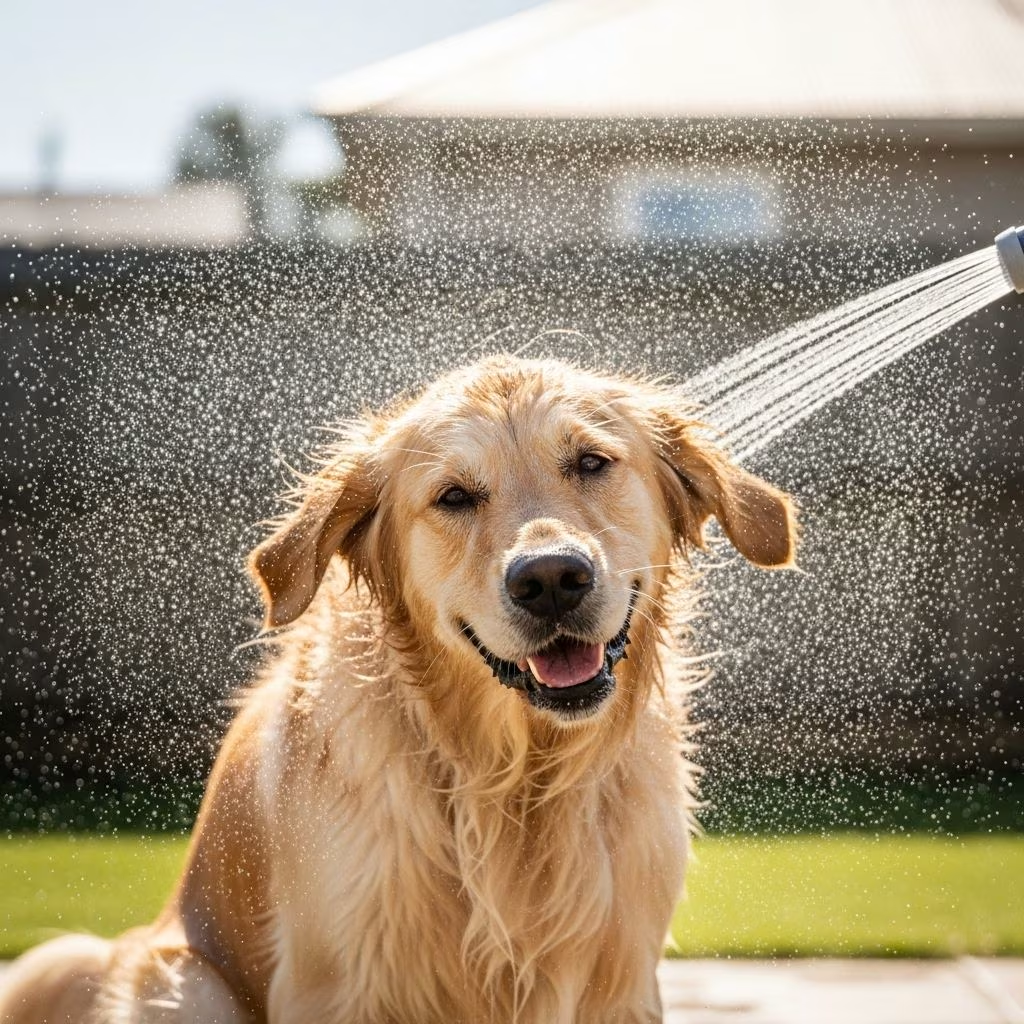
How Often Should You Wash Your Dog?
One of the most common questions dog owners ask is how frequently their canine companion needs a bath. The truth is, there’s no one-size-fits-all answer. The frequency of bathing depends on several factors, including your dog’s breed, coat type, skin condition, and activity level. Professional groomers and veterinarians recommend tailoring your dog’s bathing schedule to their individual needs rather than following a rigid timeline.
Jess Rona, a renowned groomer based in Los Angeles, notes that bathing frequency “just depends on the dog.” Some of her clients bring their dogs in weekly for extra cleanliness and fluffiness, while others visit every other month. This variation underscores the importance of understanding your specific dog’s needs to maintain optimal skin and coat health.
Understanding Coat Types and Bathing Frequency
Your dog’s coat type is one of the most significant factors determining how often they should be bathed. Different coat textures have varying needs when it comes to moisture, dirt accumulation, and natural oil distribution.
Short-Haired Dogs
Dogs with short hair are generally less prone to matting and dirt accumulation. These breeds typically have less oily skin and require less frequent bathing. Short-haired dogs benefit from baths every four to six weeks, though some may only need bathing every six to 12 weeks depending on their individual skin condition. Dogs with oilier skin tend to benefit from regular baths every four to six weeks, while those with less oily skin can go longer between washes.
Long-Haired and Curly-Haired Dogs
Long-haired and curly-haired breeds require significantly more frequent bathing to prevent matting and tangling. The American Kennel Club (AKC) recommends bathing these dogs at least once every four to six weeks, combined with regular brushing between baths to maintain coat quality. Curly-haired and wire-haired dogs need particular attention, as their fur easily attracts dirt and debris. These breeds, including popular Doodle varieties, benefit from regular baths every three to four weeks. Their hair grows faster than other dogs and has multiple textures, making them prone to accumulating dirt like a dust mop.
Double-Coated Dogs
Dogs with thick or double coats, such as Labrador Retrievers and German Shepherds, require special consideration. You should actually avoid over-bathing these breeds because frequent bathing can strip too much natural oil from their skin, leading to dryness and irritation. Focus on regular dry brushing between baths, and bathe them less frequently than other coat types. The general recommendation is to bathe double-coated dogs every six to 12 weeks rather than monthly.
Hairless and Wire-Haired Breeds
Hairless breeds, such as the Chinese Crested, have unique bathing needs. Because they lack the protective coating of fur, they require weekly baths to maintain skin health and cleanliness. Wire-haired breeds also need regular baths every three to four weeks to prevent dirt accumulation and maintain coat texture.
General Bathing Guidelines for Most Dogs
For the average healthy dog without specific skin issues or an exceptionally active lifestyle, a bath every four to six weeks is typically sufficient for proper grooming maintenance. This frequency helps maintain healthy skin and coat while preventing the stripping of natural oils that protect the skin. Some sources suggest that most dogs do well with a bath every six to 12 weeks, with occasional nail trims as needed.
It’s important to note that more frequent bathing isn’t always better. Over-bathing can strip the skin of natural oils, leading to dryness, irritation, and potential skin problems. Finding the right balance between cleanliness and skin health is essential for your dog’s wellbeing.
Skin Conditions and Medical Needs
If your dog has a skin condition or infection, their bathing needs may be completely different from standard guidelines. Dogs with allergies, atopic dermatitis, or other skin conditions may require bathing with prescription shampoos several times a week. Some dogs with severe allergies or itching may benefit from bathing as frequently as twice weekly when using appropriate therapeutic shampoos.
If your dog has a diagnosed skin condition, always follow your veterinarian’s recommendations regarding bathing frequency and product choice. Your vet may recommend bathing with medicated shampoos to help manage itching, inflammation, or infection. Regular bathing with hot water can also help control dust mites and fleas if your dog has allergies, though you should check the specific requirements of your dog’s coat and any prescribed treatments.
Activity Level and Lifestyle
Your dog’s daily activities significantly influence their bathing schedule. Dogs that spend considerable time outdoors, particularly those who enjoy rolling in mud, playing in water, or exploring dusty areas, will accumulate dirt and odors more quickly. These active dogs may need bathing more frequently than the general guidelines suggest. If your dog regularly romps in muddy areas, you may need to bathe them every two to three weeks or even more frequently.
Conversely, dogs that spend most of their time indoors may require fewer baths. An indoor dog with minimal outdoor exposure might only need bathing every eight to 12 weeks. Between full baths, you can use grooming wipes for spot cleaning, brush regularly to distribute natural oils, or use dry shampoo for quick touch-ups without a full wash.
For dogs with moderate outdoor activity, the standard four to six week recommendation works well. The key is to assess your dog’s actual lifestyle and adjust accordingly rather than following a rigid schedule.
Seasonal Considerations
Seasonal changes can affect how often your dog needs bathing. During winter months, dogs tend to get muddy and wet more frequently due to weather conditions, which may necessitate more frequent baths. In contrast, during drier seasons with less outdoor mud and moisture, you may be able to extend the time between baths. Pay attention to how your dog’s coat looks and smells throughout the year, and adjust your bathing schedule seasonally as needed.
Best Practices for Bathing Your Dog
When you do bathe your dog, following best practices ensures their skin and coat remain healthy:
- Use appropriate water temperature: Warm water is generally recommended, though some dogs with sensitive skin may benefit from lukewarm water. Always check your dog’s comfort during bathing.
- Choose the right shampoo: Select a high-quality dog shampoo appropriate for your dog’s coat type and skin condition. Avoid harsh chemicals or strong fragrances that can irritate sensitive skin.
- Brush before bathing: Brush your dog thoroughly before bathing to remove loose hair and mats, making the bath more effective.
- Dry thoroughly: After bathing, ensure your dog is completely dry to prevent mold or mildew growth. Air drying is ideal, though some materials allow low-heat drying. Never leave your dog damp for extended periods.
- Regular brushing between baths: Brushing helps distribute natural oils throughout the coat, reduces matting, and extends the time between baths.
- Spot cleaning: Use grooming wipes or damp cloths for spot cleaning between full baths to manage dirt and odor without stripping natural oils.
Establishing a Grooming Routine
Getting your dog on a regular bathing schedule helps them become accustomed to the grooming routine and potentially reduces stress about bath time. Professional groomers generally recommend a monthly grooming appointment for most dogs, though the bathing frequency within that appointment schedule may vary based on coat type and individual needs.
Establishing a consistent routine also makes it easier to monitor your dog’s skin and coat health. You’ll notice changes in odor, coat quality, or skin condition more readily when following a regular schedule, allowing you to adjust as needed or consult your veterinarian if problems arise.
Additional Between-Bath Maintenance
To extend the time between full baths while keeping your dog comfortable and fresh:
- Brush your dog regularly to distribute natural oils and remove loose hair
- Use grooming wipes for quick cleanups and spot cleaning
- Apply dry shampoo for odor control without water
- Rinse your dog’s paws after muddy walks
- Clean ears and face with pet-safe wipes as needed
- Vacuum your home regularly to reduce dust and dander
- Wash your dog’s bed frequently to manage odor and bacteria
These maintenance steps help keep your dog clean and fresh between baths while protecting their skin’s natural oils.
Frequently Asked Questions
Q: Can I bathe my dog every week?
A: With the right shampoo and proper technique, you can bathe your dog weekly if medically necessary, such as for skin conditions. However, for average healthy dogs without skin issues, weekly bathing may strip natural oils and cause dryness. If your dog requires frequent bathing, use a gentle, quality shampoo designed for frequent use.
Q: What’s the minimum time between dog baths?
A: While some dogs can handle weekly baths with appropriate products, most healthy dogs do well with baths spaced four to six weeks apart. Spacing baths too closely together without medical necessity can damage the skin barrier.
Q: How do I know if my dog needs a bath?
A: Signs your dog needs a bath include visible dirt, strong odor, greasy-looking coat, or matted fur. However, odor alone shouldn’t always trigger a bath—sometimes it indicates a skin condition requiring veterinary attention rather than just more frequent bathing.
Q: Should I bathe my puppy more or less frequently?
A: Puppies generally follow the same bathing guidelines as adult dogs based on coat type. However, be gentle with puppies’ skin, use puppy-specific shampoos, and keep baths brief to help them develop positive associations with grooming.
Q: What’s the best way to dry my dog after bathing?
A: Air drying is ideal and gentlest on the coat. If using towels, pat dry rather than rubbing. Some dogs tolerate low-heat blow dryers, but always check your dog’s breed guidelines first, as high heat can damage coats.
Q: Does bathing my dog help with itching?
A: Regular bathing with appropriate shampoos can help manage itching from allergies or skin conditions. Bathing with hot water can help control dust mites and fleas. However, always consult your veterinarian about the best bathing protocol for your dog’s specific condition.
Conclusion
The ideal bathing frequency for your dog is highly individual and depends on multiple factors including coat type, skin condition, activity level, and lifestyle. Rather than following a universal schedule, assess your dog’s specific needs and adjust accordingly. Most dogs benefit from bathing every four to six weeks, but some may need more frequent washing due to skin conditions or outdoor activities, while others with double coats require less frequent bathing. By understanding your dog’s unique needs and following best practices for grooming, you can maintain a healthy skin and coat while keeping your canine companion comfortable and fresh.
References
- How Often Should You Wash Your Dog? — Kinship. 2024. https://www.kinship.com/dog-health/how-often-should-you-wash-your-dog
- Dog Bathing Guide: Frequency & Best Practices – KINPUP — KINPUP. 2024. https://kinpup.ca/blogs/news/how-often-should-you-bathe-your-dog-a-grooming-guide-by-coat-type
- How Often Should You Groom Your Dog — Kinship. 2024. https://www.kinship.com/dog-health/how-often-to-groom-dog
- You CAN Bath A Dog Every Week! Here’s Why — Walkerville Vet. 2024. https://www.walkervillevet.com.au/blog/how-often-can-you-bath-a-dog/
- How Often Should You Bathe Your Dog? — Green Paws Chicago. 2024. https://greenpawschicago.com/how-often-bathe-your-dog/
- Grooming 101: How Often Should You Bathe Your Dog? — Poconos Barking Lot. 2024. https://poconosbarkinglot.com/how-often-to-bathe-your-dog-poconos-pa/



