

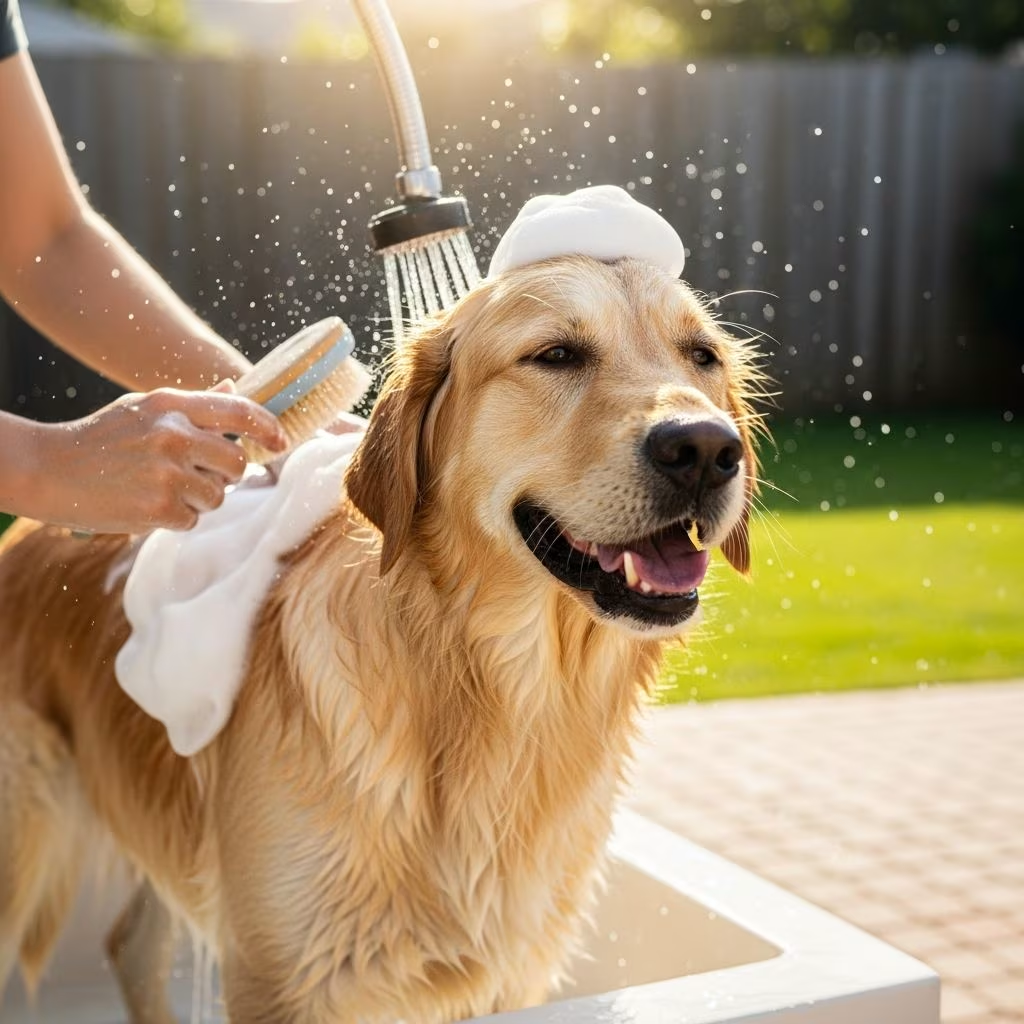
Bathing your dog is essential for maintaining their hygiene, skin health, and overall comfort, but determining the right frequency can be tricky. Factors like coat type, breed, activity level, and skin conditions all play a role in deciding how often you should wash your dog. Overbathing can strip natural oils from the skin, leading to dryness and irritation, while underbathing may allow dirt, odors, and potential infections to build up. Experts recommend tailoring the schedule to your dog’s specific needs rather than sticking to a one-size-fits-all approach.
In this comprehensive guide, we’ll break down the key considerations, provide bathing recommendations by coat type, share tips for effective grooming between baths, and address common questions to help you keep your furry friend clean and happy without compromising their skin barrier.
How often should you wash your dog?
The ideal bathing frequency varies widely depending on individual factors. Professional groomer Jess Rona, known for her expertise in Los Angeles, emphasizes that it “just depends on the dog.” Some owners opt for weekly baths to keep their pets extra fluffy, while others manage with every other month. General guidelines suggest most dogs do well with baths every 4-6 weeks, but adjustments are necessary for specific circumstances.
Key factors influencing frequency include:
- Type of coat: Long, curly, or hairless breeds need more frequent baths to prevent matting or oil buildup.
- Skin conditions: Dogs with allergies, infections, or oily skin may require baths multiple times per week using medicated shampoos.
- Activity level: Outdoor adventurers who roll in mud or dirt need baths more often than indoor loungers.
- Breed specifics: Short-haired breeds can go longer between baths, while double-coated dogs benefit from less frequent washing to preserve insulating oils.
Regular grooming appointments, about once a month, can help maintain cleanliness without full baths every time. Always consult your veterinarian for personalized advice, especially if your dog shows signs of skin issues.
Considerations for bathing frequency
Several elements determine the best bathing schedule for your dog. Understanding these helps avoid common pitfalls like over-drying the skin or neglecting hygiene.
Type of coat
Coat type is one of the most significant factors. According to the American Kennel Club (AKC), long-haired and curly-haired breeds require baths at least every 4-6 weeks, combined with regular brushing to prevent mats. Short-haired dogs with less oily skin can extend to 6-12 weeks.
| Coat Type | Recommended Frequency | Notes |
|---|---|---|
| Short-haired (e.g., Labs, Beagles) | Every 4-6 weeks | Less dirt accumulation; spot clean as needed. |
| Long/curly-haired (e.g., Poodles, Yorkies) | Every 3-4 weeks | Prone to matting; brush frequently. |
| Double-coated (e.g., Huskies, Shepherds) | Every 6-8 weeks or less | Avoid stripping oils; focus on brushing. |
| Hairless (e.g., Chinese Crested) | Weekly | Oily skin requires frequent cleaning. |
| Wire-haired (e.g., Terriers) | Every 3-4 weeks | Attracts dirt easily. |
Skin conditions
Dogs with skin issues like allergies, fleas, or infections often need more frequent baths. Prescription shampoos may be applied several times a week under veterinary guidance. For instance, allergies to dust mites can be managed with hot water washes over 60°C, though this is more common for bedding. Frequent bathing with quality shampoos can alleviate itching without harm if done correctly.
Activity level
Active dogs that spend time outdoors accumulate dirt faster, necessitating baths after muddy adventures. Indoor dogs or those with low activity can go longer between full washes. Wipe down paws and coats post-walks to extend intervals.
Bathing short-haired dogs
Short-haired breeds like Labrador Retrievers or Boxers have coats that shed dirt easily, reducing the need for frequent baths. Oilier skin types benefit from baths every 4-6 weeks, while drier skin allows 6-12 weeks. These dogs rarely mat, so focus on brushing to distribute natural oils and remove loose hair. If your short-haired pup gets dirty, opt for spot cleaning with pet wipes instead of a full bath.
Pro tip: For double-coated short hairs like Labs, avoid overbathing to prevent stripping protective oils, which can lead to dry skin.
Bathing curly haired or wire-haired dogs
Curly and wire-haired dogs, such as Poodles, Bichons, or Terriers, act like dust mops, trapping dirt and debris. Baths every 3-4 weeks are essential, paired with thorough brushing to detangle and maintain coat health. Groomer Laura Gamarro notes that Doodle coats grow fast and vary in texture, making regular washing crucial to prevent buildup.
Breeds like Shih Tzus or Yorkshire Terriers in this category may need even more frequent baths (1-2 weeks) if oily. Use conditioning shampoos to keep curls hydrated.
Other factors to consider
Beyond coat and activity, consider seasonal changes—winter mud means more baths, while dry summers allow longer gaps. Age matters too: Puppies and seniors may need gentler, more frequent washes. Lifestyle factors, like city living versus country romps, influence dirt exposure.
Environmental allergens or fleas can dictate medicated baths. Always use dog-specific shampoos, as human products disrupt pH balance.
Alternatives to bathing
Full baths aren’t always necessary. Extend time between washes with these methods:
- Dry shampoos or powders for quick refreshes.
- Pet-safe wipes for paws, face, and soiled areas.
- Regular brushing to redistribute oils and remove dirt.
- Vacuuming or damp cloths for double coats.
- Waterless sprays for odor control.
These keep your dog fresh without water, ideal for water-fearing pups or frequent touch-ups.
Frequently Asked Questions (FAQs)
Can you bathe a dog every week?
Yes, weekly baths are safe for many dogs using gentle shampoos, especially those with oily coats or skin issues. However, avoid for double-coated breeds to prevent oil stripping.
Is it bad to bathe your dog too often?
Overbathing dries skin by removing natural oils, causing itchiness or flakiness. Stick to needs-based frequency.
How often should you bathe a puppy?
Puppies need baths every 3-4 weeks after vaccinations, using puppy-safe products to protect developing skin.
What if my dog smells between baths?
Use dry shampoo, wipes, or add apple cider vinegar rinses (diluted) for odor control without full baths.
Do I need professional grooming?
Monthly pro grooming complements home care, especially for complex coats.
Conclusion
Finding the right bathing rhythm keeps your dog healthy and your home fresh. Monitor their skin, coat, and behavior, adjusting as needed. With the right frequency and techniques, bathing becomes a bonding ritual rather than a chore.
References
- Dog Bathing Guide: Frequency & Best Practices – KINPUP — Kinpup.ca. 2023. https://kinpup.ca/blogs/news/how-often-should-you-bathe-your-dog-a-grooming-guide-by-coat-type
- How Often Should You Wash Your Dog’s Bed — Kinship.com. 2024. https://www.kinship.com/uk/dog-lifestyle/how-often-wash-dog-bed
- How Often Should You Wash Your Dog? — Kinship.com (AKC referenced). 2024. https://www.kinship.com/dog-health/how-often-should-you-wash-your-dog
- You CAN Bath A Dog Every Week! Here’s Why — Walkerville Vet. 2023. https://www.walkervillevet.com.au/blog/how-often-can-you-bath-a-dog/
- How Often Should You Bathe Your Dog? — Green Paws Chicago. 2024. https://greenpawschicago.com/how-often-bathe-your-dog/
- How Often Should You Groom Your Dog — Kinship.com. 2024. https://www.kinship.com/dog-health/how-often-to-groom-dog
- Grooming 101: How Often Should You Bathe Your Dog? — Poconos Barking Lot. 2023. https://poconosbarkinglot.com/how-often-to-bathe-your-dog-poconos-pa/



