

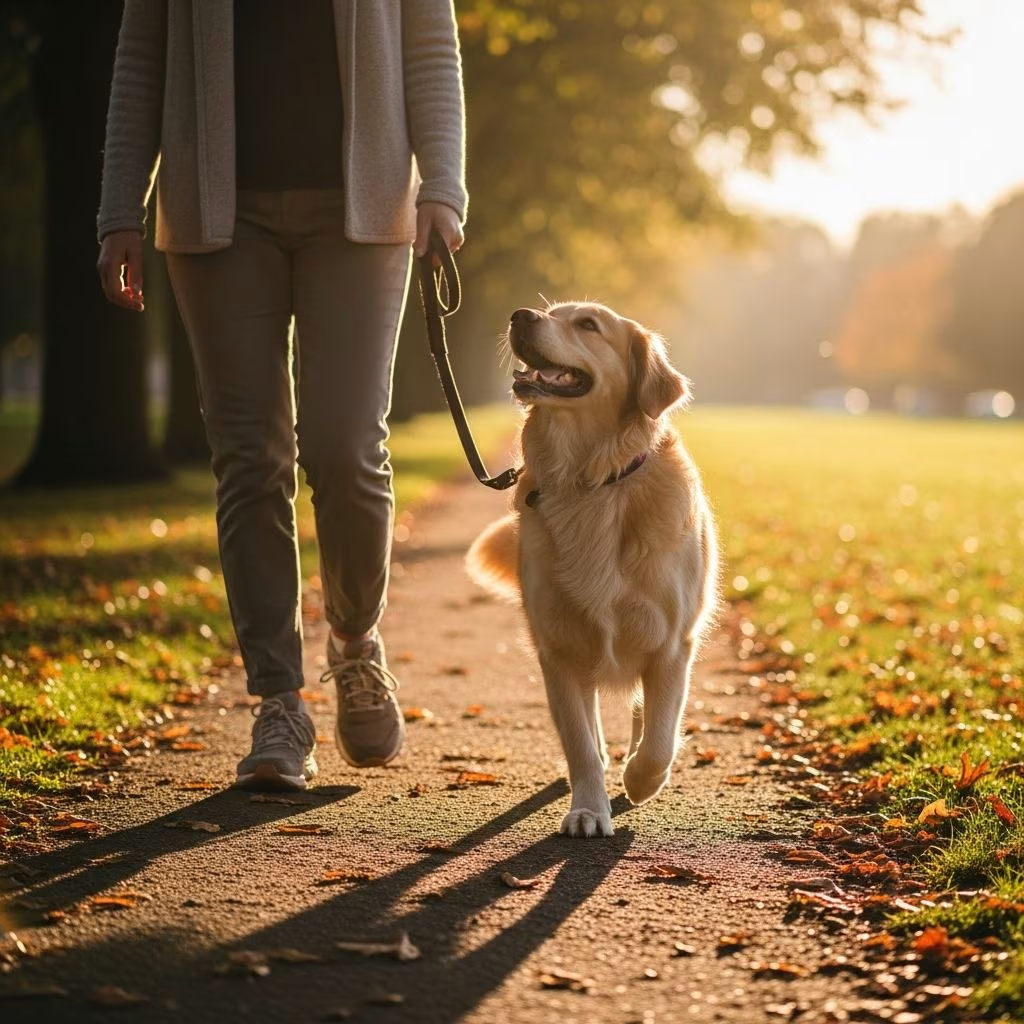
How Often Should You Walk Your Dog?
Daily walks are fundamental to keeping your dog physically fit and mentally stimulated, but determining the ideal walking frequency isn’t straightforward. Your dog’s age, breed, energy level, health status, and living environment all significantly influence how often they should be walked. Understanding these factors helps you create a personalized walking routine that promotes your dog’s overall wellbeing and happiness.
Why Walking Your Dog Is Important
Dog walks serve multiple critical purposes beyond simple bathroom breaks. Walking is one of the most effective ways to support your dog’s physical and mental health.
Physical Exercise: Regular walks help your dog burn off excess energy, maintain a healthy weight, and keep their joints and muscles strong and functional. Consistent physical activity prevents obesity-related health problems and promotes cardiovascular health.
Mental Stimulation: Sniffing, exploring, and encountering new sights and sounds keep your dog’s mind sharp and engaged. This mental enrichment is equally important as physical exercise. Incorporating decompression walks using a long dog leash (10+ feet long) can provide your pup with more freedom and ample room to sniff and explore their surroundings, which is naturally engaging for dogs.
Beyond these benefits, walks also provide opportunities for socialization with other dogs and people, help establish bathroom routines, and strengthen the bond between you and your pet.
How Often Should I Walk My Dog?
There’s no universal rule that applies to all dogs. In most cases, one or two walks a day (along with shorter outings or backyard time for potty breaks) is ideal. For adult dogs, total daily exercise, including walking and outdoor playtime, usually ranges from 30 to 90 minutes. Most dogs can tolerate a daily 20–30-minute walk if they have a relatively good body condition.
However, every dog is different, so you’ll want to adjust based on their breed, energy level, and personality. Dogs in great physical health can tolerate walks for up to two hours or go hiking for hours at a time. For puppies, professionals recommend using the “five-minute rule” as a general guideline—about five minutes of walking per month of age, twice a day. For example, a two-month-old puppy should have approximately two, 10-minute walks daily.
What To Consider When Determining How Often To Walk Your Dog
While daily walks are best for most dogs, how often and how long you should walk your canine companion depends on several key factors.
Age of Your Dog
Your dog’s age significantly impacts their walking needs. Puppies usually need multiple short outings throughout the day for potty breaks and to burn off their seemingly endless energy. Start with at least one potty break every 30 minutes. A puppy’s “hold time” is their age in months translated to hours—so if your puppy is 3 months of age, they can hold it for 3 hours maximum. Always keep puppy walks low-impact and fun to protect their growing joints.
Most adult dogs do well with one to two longer walks each day. As your dog ages into their senior years, walks may become slower and shorter due to joint stiffness, arthritis, and declining energy levels. However, it’s still important to keep senior dogs moving at a pace they can handle to help maintain muscle mass and overall mobility. Even a 14-year-old dog will still benefit from a walk, though the frequency and duration may need adjustment.
Energy Level and Breed
Different breeds have vastly different exercise requirements. High-energy breeds like Border Collies, Australian Shepherds, and Jack Russell Terriers require significantly more exercise than low-energy breeds like Bulldogs or Basset Hounds. Working and sporting breeds typically need 60–90 minutes of daily exercise, while toy breeds might only need 30–45 minutes. Understanding your breed’s energy level helps you provide appropriate exercise.
Living Environment
Where you live makes a substantial difference in how much walking your dog might need. Dogs in apartments or homes without yards rely on walks or trips to dog parks for nearly all their physical activity and bathroom breaks. These dogs typically need more frequent walks. Conversely, dogs with access to large, fenced-in yards may get more exercise during off-leash play and might need fewer structured walks. However, even dogs with yard access benefit from the mental stimulation and change of scenery that walks provide.
Health Status
A dog’s overall health significantly affects their walking capacity. Overweight or obese dogs may have difficulty walking 10 minutes without taking multiple breaks or panting heavily due to exertion. Dogs recovering from surgery or experiencing health issues may need modified exercise routines. Brachycephalic (flat-faced) breeds such as Pugs or Boxers require special caution, as these dogs tend to overheat more easily. Pet parents need to be vigilant for signs of heatstroke when walking them during warm weather.
Your Schedule
Your personal schedule also plays a role in determining your dog’s walking frequency. If you’re struggling to walk your dog due to your busy lifestyle, try hiring a dog walker, aiming for 10–15 minute walks daily, or replacing walks with playing in your yard using your dog’s favorite fetch toys. No matter the form of exercise, try to have your dog engage in at least 10–15 minutes of continuous activity every day.
When It’s OK To Skip a Dog Walk
While daily walks are generally recommended, there are circumstances when skipping a walk is appropriate and necessary:
- Extreme weather conditions including severe heat, cold, or storms
- Your dog is recovering from surgery or injury
- Your dog is experiencing acute illness or health issues
- Your dog shows signs of exhaustion or reluctance to walk
- Your dog is experiencing joint pain or mobility issues
On these days, provide alternative forms of mental enrichment indoors, such as puzzle toys or training sessions, to keep your dog mentally stimulated even if physical exercise isn’t appropriate.
Alternatives to Dog Walking
While walks are the most common form of exercise, there are several excellent alternatives and supplements to traditional dog walks:
- Dog Parks: Provide off-leash exercise and socialization opportunities with other dogs
- Backyard Play: Fetch, tug-of-war, and other interactive games provide physical exercise
- Enrichment Toys: Puzzle feeders, Kong toys, and sniff mats provide mental stimulation
- Dog Sports: Agility, dock diving, or flyball classes offer structured exercise
- Swimming: Excellent low-impact exercise for dogs with joint issues
- Indoor Training: Obedience training and tricks provide mental stimulation
Tips for a Safe and Healthy Dog Walking Routine
Establish a Consistent Schedule: Dogs find routines comforting and experience less stress with a predictable schedule. Try to walk your dog at approximately the same times each day.
Watch for Signs of Over-Exercise: It’s possible to walk your dog too much, especially for puppies, senior dogs, or dogs with health issues. Over-exercising a dog can lead to inflammation, joint damage, or even heatstroke. Watch for signs like limping, lagging behind, or reluctance to walk. If in doubt, stop your walk and let your dog rest.
Adjust for Weather: During extreme heat or cold, shorten walks or adjust timing. Consider protective gear like booties for snow or heat pads on hot pavement.
Start Gradually: If introducing your dog to longer walks, start with easy walks around the block and gradually build up to longer distances.
Use Proper Equipment: Invest in a quality leash and collar or harness that fits properly and is comfortable for your dog.
FAQs About How Often To Walk Your Dog
Q: Is it possible to walk your dog too much?
A: Yes, it’s possible to walk your dog too much, especially for puppies, senior dogs, or dogs with health issues. Over-exercising a dog can lead to inflammation, joint damage, or even heatstroke. Watch for signs like limping, lagging behind, or reluctance to walk. If in doubt, stop your walk and let your dog rest.
Q: How long should walks be for puppies?
A: A general rule of thumb is about five minutes of walking per month of age, twice a day. For example, for a two-month-old puppy, that’s about two, 10-minute walks daily. Always keep it low-impact and fun to protect growing joints. Check with your vet to ensure the routine is suitable for your pup’s age, breed, and development.
Q: Is four walks a day for a dog normal?
A: For some dogs—like those without access to a yard for potty breaks—four walks a day might be normal, while other dogs may not need as many outings. Your dog’s individual needs depend on their age, health, living situation, and breed. Ask your vet about what’s appropriate for your specific pet.
Q: What should I do if my schedule doesn’t allow for multiple daily walks?
A: If you’re struggling to walk your dog because of your schedule, consider hiring a dog walker, aiming for 10–15 minute walks daily, or replacing walks with playing in your yard with your dog’s favorite fetch toys. No matter the form of exercise, try to have your dog engage in at least 10–15 minutes of continuous activity every day.
Q: How do I know if my dog is getting enough exercise?
A: A well-exercised dog is generally calmer, sleeps better, has fewer behavioral problems, and maintains a healthy weight. If your dog seems anxious, destructive, or overly energetic indoors, they may need more exercise. Conversely, if your dog is constantly tired or showing signs of joint pain, they may be over-exercised.
References
- How Often Should You Walk Your Dog? — Chewy Education. 2024. https://www.chewy.com/education/dog/health-and-wellness/how-often-should-you-walk-your-dog
- How Often Should I Walk My Puppy? — Chewy Education. 2024. https://www.chewy.com/education/dog/new-dog/how-often-should-i-walk-my-puppy
- How Often Should You Walk Your Dog? — PetMD. https://www.petmd.com/dog/general-health/how-often-should-you-walk-your-dog
- How Much Exercise Does a Dog Need? What To Know for Your Pup — Chewy Education. 2024. https://www.chewy.com/education/dog/health-and-wellness/how-much-exercise-does-a-dog-need
- Senior Dog Exercise: What’s Right For Your Pup? — Chewy Education. 2024. https://www.chewy.com/education/dog/health-and-wellness/senior-dog-exercise



