

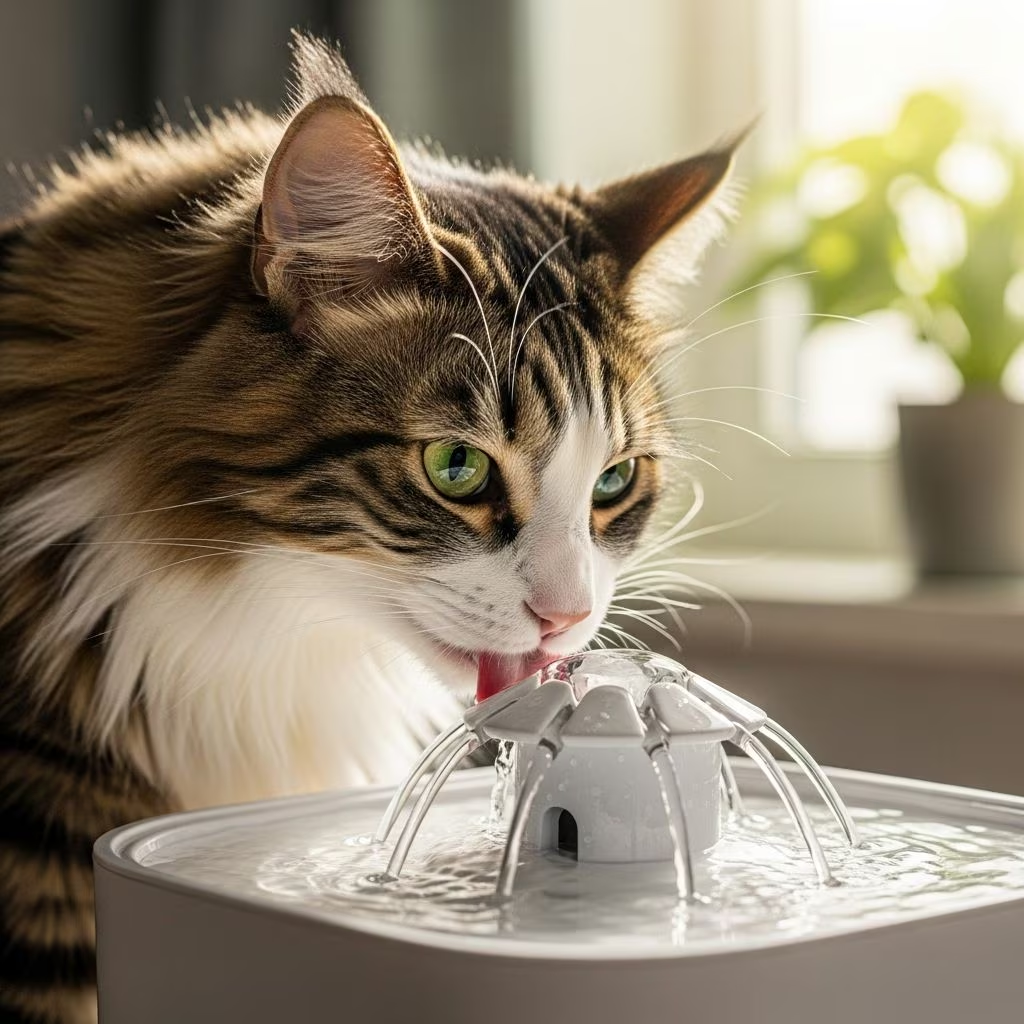
Cat water fountains encourage hydration by providing fresh, flowing water that appeals to cats’ instincts, but maintaining them is crucial for health. Changing the water regularly prevents bacterial growth, slime buildup, and odors that can deter drinking or cause illness. Most experts recommend daily water changes combined with weekly deep cleans to keep the fountain safe and effective.
This guide covers optimal schedules, cleaning methods, signs of neglect, and tips tailored to your household, ensuring your cat stays hydrated while extending the fountain’s lifespan.
Why Use a Cat Water Fountain?
Cats often prefer running water over stagnant bowls because it mimics natural streams, staying oxygenated and cooler. Fountains promote increased water intake, reducing risks of urinary tract infections (UTIs), kidney disease, and dehydration—common in cats. Clean, flowing water tastes better, encouraging finicky drinkers to consume more daily fluid, vital since cats have low thirst drives evolved from desert ancestry.
Besides health benefits, fountains reduce mess from spilled bowls and filter out debris. However, without proper maintenance, they can harbor bacteria like E. coli or mold, leading to gastrointestinal issues or reluctance to drink.
How Often Should You Change the Water?
**Daily water changes are essential.** Stagnant water breeds bacteria within 24 hours, even in fountains. Rinse the basin, discard old water, and refill with fresh, room-temperature filtered or tap water (let chlorine evaporate if needed). This simple step prevents slime, keeps water appealing, and avoids pump damage from low levels.
- Check levels morning and evening; top off as needed.
- Wipe visible debris like fur or kibble immediately.
- Use lukewarm water—cats dislike icy cold.
In multi-cat homes or hard water areas, change twice daily to combat faster buildup.
Cleaning Schedules for Cat Water Fountains
A tiered maintenance routine ensures hygiene without overwhelming effort. Follow manufacturer guidelines, but these evidence-based schedules work for most models.
Daily Maintenance
Quick 2-minute checks suffice: empty water, rinse basin under warm water, wipe with a soft cloth, and refill. Avoid soaps daily to prevent residue ingestion.
- Inspect for fur, dirt, or low flow.
- Run pump briefly to flush lines.
Weekly Deep Cleaning
Disassemble fully once weekly: remove pump, filter, basin, and top. Wash in warm water with mild, pet-safe dish soap (no bleach or vinegar residue). Scrub crevices with a soft brush to remove biofilm—slimy bacterial layers.
- Unplug and disassemble per manual.
- Soak parts 15-30 minutes in soapy water.
- Scrub pump impeller gently; rinse thoroughly.
- Air dry completely before reassembling.
This prevents clogs, maintains flow, and eliminates 99% of surface bacteria.
Monthly Deep Clean and Filter Changes
Perform intensive maintenance monthly: soak in white vinegar solution (1:1 with water) for limescale in hard water areas, then rinse multiple times. Inspect for cracks or wear; replace damaged parts. Swap filters every 2-4 weeks—most last 30 days with heavy use.
Clogged filters reduce filtration, allowing minerals and debris through, which clouds water and stresses the pump.
Seasonal or Situational Adjustments
In summer, clean more frequently due to algae risk in warm water. For storage, disassemble, clean, dry fully, and store in a cool, dry place. Multi-cat households or high-shedding breeds need 2-3x weekly deep cleans.
Signs Your Cat Water Fountain Needs Cleaning
Don’t wait for schedules—watch for these red flags indicating immediate action:
- Visible slime or film on basin/pump: Biofilm harboring bacteria.
- Cloudy, discolored water or floating particles.
- Foul odors like mustiness or rot.
- Reduced flow or gurgling pump: Clogs from debris.
- Cat avoidance: Pawing at water or drinking elsewhere signals poor quality.
Address promptly to avoid health risks like UTIs or pump failure.
Best Cleaning Supplies and Methods
Use cat-safe tools to avoid toxicity:
| Item | Purpose | Tips |
|---|---|---|
| Mild dish soap (unscented) | Weekly wash | Dilute; rinse 3x to remove residue. |
| White vinegar | Monthly descaling | 1:1 solution; neutralize with baking soda rinse if needed. |
| Soft brush/toothbrush | Scrub crevices | Avoid abrasives that scratch plastic. |
| Microfiber cloths | Drying/wiping | Lint-free for streakless finish. |
| Replacement filters | Filtration | Brand-specific; stock extras. |
Never use bleach, ammonia, or dishwasher—harsh chemicals linger and alter pH, irritating cats’ mouths.
Tips for Encouraging Hydration and Fountain Use
Clean fountains alone boost intake by 20-50%, but combine with:
- Multiple fountains in multi-cat homes to reduce competition.
- Filtered water to minimize minerals.
- Room-temperature water; avoid direct sun.
- Wet food addition for moisture.
- Monitor intake: 3-4 oz per 5 lbs body weight daily.
Dehydration signs include tacky gums, lethargy, or skin tenting—vet if persistent.
Common Mistakes to Avoid
- Overlooking pump cleaning: Impellers clog fastest.
- Ignoring hard water: Descaling prevents 80% of failures.
- Reusing old filters: They lose efficacy after 2 weeks.
- Partial rinses: Always deep clean weekly.
Frequently Asked Questions (FAQs)
Q: How often should I change the water in my cat’s fountain?
A: Change it daily—rinse the basin fully to prevent bacteria and keep it fresh.
Q: Can I clean the fountain in the dishwasher?
A: No, unless specified; soaps and heat leave residues harmful to cats. Hand wash only.
Q: What if my cat won’t drink from the fountain?
A: Clean thoroughly, check flow, use filtered water, or add ice cubes for movement.
Q: How do I know when to replace the filter?
A: Every 2-4 weeks, or sooner if water clouds or flow slows.
Q: Does hard water damage fountains?
A: Yes, causing limescale; descale monthly and use filters.
Q: Can dirty fountains cause health issues?
A: Yes, bacteria lead to UTIs, kidney strain, or GI upset.
Regular maintenance transforms your cat’s fountain into a reliable hydration hub. Consistent routines yield healthier, happier cats with fewer vet visits.
References
- How to Clean Cat Water Fountain: Best Practices for Hygiene — oneisall.com. 2023. https://oneisall.com/blogs/all/how-to-clean-cat-water-fountain
- How Often Should You Clean Your Cat’s Water Fountain — happyandpolly.com. 2023. https://happyandpolly.com/blogs/cat/how-often-should-you-clean-your-cat-s-water-fountain-tips-for-ensuring-healthy-hydration
- Cat Water Fountain Maintenance 101: Best Practices in 2023! — petlibro.com. 2023. https://petlibro.com/blogs/all/cat-water-fountain-maintenance-101
- How Often Should I Clean My Cat’s Water Fountain: A Complete Guide — uahpet.com. 2023. https://www.uahpet.com/blogs/post/how-often-should-i-clean-my-cats-water-fountain-a-complete-guide
- Cat Water Fountain Care Guide — wopet.com. 2023. https://wopet.com/cats/cat-water-fountain-care-guide/
- How Often to Change Pet Water Fountain Filter? — petcube.com. 2023. https://petcube.com/blog/how-often-to-change-pet-water-fountain-filter/



