

By Sarah (Kollmorgen) Cottone
For generations, dog owners accepted bad breath as an inevitable part of pet parenthood, often chalking it up to their furry friends scavenging trash or worse. However, modern veterinary science reveals that foul breath is not just unpleasant—it’s frequently a symptom of underlying oral health problems that can escalate if ignored. Plaque, a sticky bacterial film, forms on teeth and hardens into tartar, leading to gingivitis (inflamed gums), periodontal disease, tooth loss, or even systemic issues like heart or kidney problems.
Maintaining your dog’s dental hygiene is crucial for their overall well-being, much like it is for humans. The gold standard recommended by experts is daily brushing to mechanically remove plaque before it mineralizes. Yet, real-world adherence varies, with studies showing only about 42% of owners of dogs with diagnosed periodontitis brushing daily. This article breaks down the ideal frequency, step-by-step routines, tools, challenges, and when to seek professional help, empowering you to keep your pup’s smile sparkling.
Why Dental Care Matters for Dogs
Dogs suffer from dental disease more than any other health issue, with over 80% of dogs over age three showing signs of periodontal problems. Plaque buildup starts within hours of eating and, if not removed, leads to gingivitis within days. Untreated, it progresses to periodontitis, destroying gum tissue, bone, and potentially causing oronasal fistulas (abnormal openings between mouth and nose).
Beyond local pain and tooth loss, bacteria from infected mouths can enter the bloodstream, contributing to endocarditis, kidney disease, or liver issues. Small breeds like Chihuahuas and Pugs face higher risks due to crowded teeth, while larger breeds may develop calculus faster. Early intervention through consistent home care dramatically reduces these risks, improves quality of life, and cuts veterinary costs.
How Often Should You Brush Your Dog’s Teeth?
Experts unanimously advocate for daily brushing as the most effective way to prevent plaque accumulation and tartar formation. Veterinary guidelines from VCA Animal Hospitals state that brushing at least twice daily mirrors human recommendations, though once daily suffices for many dogs once habituated. A controlled study on Beagles confirmed that daily brushing significantly retards plaque and calculus buildup compared to less frequent schedules.
If daily proves impractical—due to time constraints or a resistant pup—aim for a minimum of three times per week to curb tartar. A Norwegian study of dogs with periodontitis found 42% of owners brushed daily, 11% four to six days weekly, and 17% one to three times, highlighting that even partial routines help but fall short of optimal. Weekly brushing offers some benefit but is insufficient alone; combine it with other measures like dental chews.
| Frequency | Effectiveness | Expert Recommendation |
|---|---|---|
| Daily (7x/week) | Gold standard; prevents most plaque/tartar | Ideal for all dogs |
| 3-6x/week | Good control; minimum viable for many | Practical alternative |
| 1-2x/week | Minimal prevention; supplement needed | Not sufficient alone |
| Less than weekly | Poor; high disease risk | Avoid |
Frequency should tailor to your dog’s age, breed, diet, and health. Puppies benefit from early training, while seniors may need gentler approaches. Consult your vet for personalized advice during annual exams.
How to Keep Your Dog’s Smile Fresh: A Routine Guide
Prevention trumps treatment. Establish a multi-layered dental hygiene plan:
- Daily to Weekly Brushing: Target outer tooth surfaces where plaque thrives. Spend 30 seconds per side (about two minutes total) using enzymatic pet toothpaste.
- Regular Mouth Checks: Inspect during yawns for red gums, loose teeth, or foul odor. Note changes and report to your vet.
- Annual Vet Exams: Include dental reviews; vets assess for hidden issues.
- Professional Cleanings: Under anesthesia for scaling, polishing, and X-rays. Frequency varies (every 6-12 months for at-risk dogs).
Incorporate adjuncts like VOHC-approved dental chews, water additives, or diets that mechanically clean teeth.
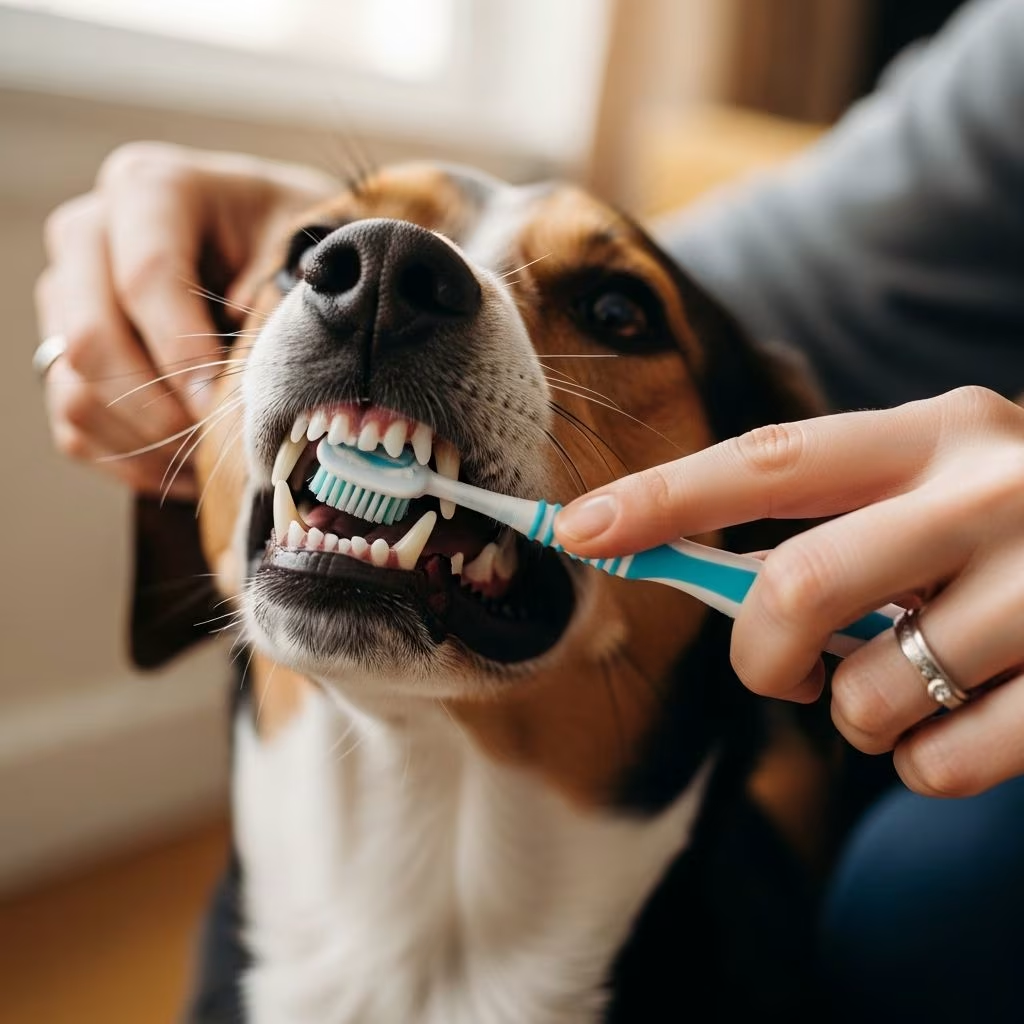
Step-by-Step: How to Brush Your Dog’s Teeth
Introduce brushing gradually, ideally starting as a puppy.
- Gather Supplies: Dog-specific toothbrush (finger or dual-headed), enzymatic toothpaste (poultry or beef-flavored; never human paste due to xylitol toxicity), and treats.
- Desensitize: Let your dog sniff and lick toothpaste for a few days.
- Touch Mouth: Gently lift lips, rub gums with finger for 1-2 weeks.
- Introduce Brush: Apply toothpaste, brush outer surfaces in circular motions from gumline down. Praise lavishly.
- Build Duration: Aim for full sessions; end positively.
Wear gloves to avoid bacteria; rinse brush thoroughly and replace every three months. Multi-dog homes need separate brushes.
Best Tools and Products for Dog Dental Care
- Toothbrushes: Soft finger brushes for beginners; angled nylon for reach.
- Toothpaste: Enzymatic formulas break down plaque; flavors encourage acceptance.
- Alternatives: Wipes, gels, or chews for non-brushers.
Avoid human products. Look for Veterinary Oral Health Council (VOHC) seals for proven efficacy.
Common Challenges and Solutions
Resistance is common, but persistence pays off. Tips:
- Drooling/Gagging: Short sessions; start with front teeth.
- Dislike of Taste: Experiment flavors; mix with broth.
- Wiggly Dog: Two-person team; restrain gently or use distractions.
- Time Crunch: Integrate into bedtime routine.
Studies show routines stick once established, with 74% of frequent brushers rating high continuation likelihood.
When to See a Vet for Dental Issues
Red flags: persistent bad breath, bleeding gums, dropped food, pawing at mouth, or facial swelling. Breeds prone to issues (e.g., brachycephalics) need vigilant monitoring. Professional cleanings under anesthesia are safe and essential for advanced cases.
Frequently Asked Questions (FAQs)
Can I use human toothpaste on my dog?
No—it’s toxic due to fluoride and xylitol. Use pet-safe enzymatic toothpaste only.
How long does brushing take?
About 30 seconds per side, or two minutes total.
What if my dog hates brushing?
Train gradually; use chews/additives as bridges to acceptance.
How do I know if my dog’s teeth need professional cleaning?
Vet checks during exams; signs include tartar, inflammation, or pain.
Are dental chews enough without brushing?
They’re helpful supplements but no substitute for mechanical brushing.
Conclusion: A Lifetime of Healthy Smiles
Consistent dental care extends your dog’s joyful years. Start today—daily brushing might seem daunting, but the payoff in health and happiness is immense. Partner with your vet for a tailored plan, and watch your pup flash a plaque-free grin.
References
- How Often Should You Brush Your Dog’s Teeth? — Kinship. 2023. https://www.kinship.com/dog-health/how-often-should-you-brush-your-dogs-teeth
- Brushing Your Dog’s Teeth — VCA Animal Hospitals. 2023. https://vcahospitals.com/know-your-pet/brushing-teeth-in-dogs
- Adherence to dental home care in dogs with periodontitis — PMC/NIH. 2023-12-01. https://pmc.ncbi.nlm.nih.gov/articles/PMC10731822/
- Effect of Frequency of Brushing Teeth on Plaque and Calculus… — PubMed. 2015-07-25. https://pubmed.ncbi.nlm.nih.gov/26197686/
- Dog Breeds Most Prone to Dental Problems — Kinship UK. 2023. https://www.kinship.com/uk/dog-health/dog-breeds-dental-problems
- Dog Owners’ Ideas and Strategies Regarding Dental Health… — Frontiers in Veterinary Science. 2022-05-11. https://www.frontiersin.org/journals/veterinary-science/articles/10.3389/fvets.2022.878162/full



