

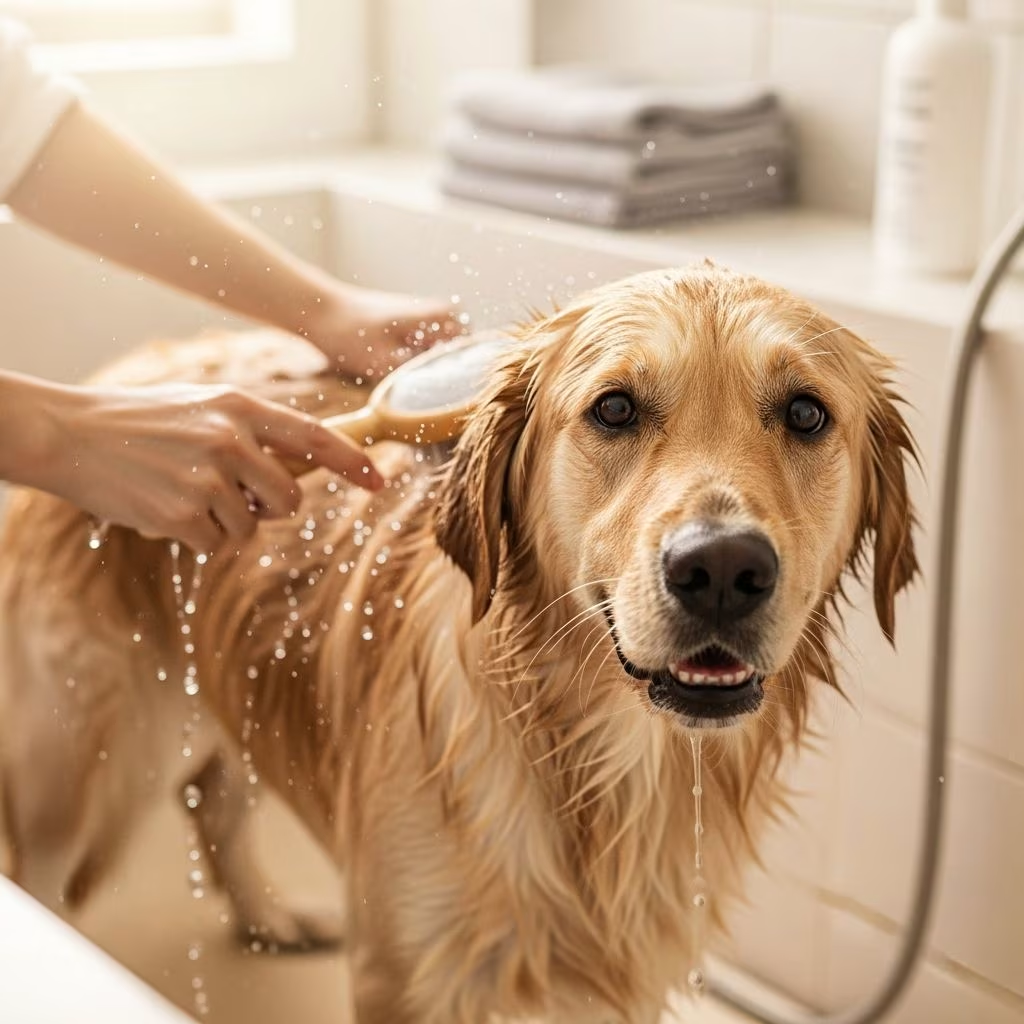
How Often Should You Bathe Your Dog: A Comprehensive Grooming Guide
Bathing your dog is an essential part of pet care, but determining the right bathing frequency can be confusing for many dog owners. Some dogs require weekly baths, while others thrive with bathing only a few times per year. The answer depends on several factors including your dog’s coat type, skin condition, lifestyle, and overall health. Finding the perfect balance ensures your dog’s skin and coat remain healthy while preventing common grooming mistakes that can damage their natural protective oils.
Understanding your dog’s individual needs is crucial for maintaining optimal coat health and preventing skin problems. Too frequent bathing can strip away natural oils that protect your dog’s skin, leading to dryness, irritation, and increased susceptibility to infections. Conversely, infrequent bathing may result in odor, skin buildup, and potential health issues. This comprehensive guide will help you determine the ideal bathing schedule for your specific dog.
General Bathing Recommendations for Most Dogs
For the average healthy dog without specific skin concerns or an extremely active lifestyle, bathing every four to six weeks is generally recommended. This frequency allows your dog’s skin to maintain its natural protective barrier while keeping their coat clean and fresh. The timeframe strikes an optimal balance between hygiene and skin health, allowing natural oils to regenerate between baths.
Your dog’s skin naturally produces oils that serve as a protective coating for both the skin and coat. These oils, collectively known as sebum, maintain moisture, provide waterproofing, and protect against bacterial and fungal infections. When you bathe your dog too frequently, you wash away these protective oils faster than your dog’s body can replenish them. This disruption can lead to dry, itchy, flaky skin and a dull coat. However, spacing baths too far apart allows dirt, debris, and bacteria to accumulate, potentially causing odor and skin problems.
How Coat Type Affects Bathing Frequency
One of the most significant factors determining how often your dog needs bathing is their coat type. Different coat structures have varying abilities to shed dirt and distribute natural oils, directly impacting bathing requirements.
Dogs Requiring Frequent Baths (Weekly to Bi-Weekly)
Certain coat types require more frequent bathing for optimal health and appearance:
- Hairless breeds such as the Chinese Crested and Xoloitzcuintli
- Poodles and Poodle mixes
- Bichon Frises
- Shih Tzus
- Yorkshire Terriers
- Maltese
- Dogs with oily coats like Basset Hounds
- Breeds with curly or continuously growing hair
These breeds typically have hair that continuously grows rather than shedding, and their coat structure traps dirt more easily. Hairless breeds, despite having no fur, still require weekly baths with gentle, moisturizing products to remove accumulated oils and dirt from their sensitive skin.
Dogs That Can Go Longer Between Baths (Every 6-8 Weeks)
Other coat types naturally repel dirt and require less frequent bathing:
- Labrador Retrievers
- Golden Retrievers
- German Shepherds
- Huskies and other double-coated breeds
- Most short-haired breeds
- Beagles
Short-haired and double-coated breeds have coat structures that naturally shed dirt and allow oils to distribute throughout the hair more efficiently. Regular brushing becomes especially important for these breeds to remove loose hair and stimulate oil distribution.
Understanding Skin Conditions and Special Needs
Dogs with specific skin conditions may require adjusted bathing schedules compared to healthy dogs. Some skin allergies and conditions actually improve with more frequent bathing using medicated or therapeutic shampoos, while other skin issues require less frequent bathing to prevent further irritation.
Dogs with allergies, dermatitis, or yeast infections may benefit from therapeutic bathing protocols. In these cases, veterinarians often recommend weekly or bi-weekly baths with specialized medicated shampoos that help reduce itching, inflammation, and infection. If your dog is experiencing skin problems, consult with your veterinarian to develop an appropriate bathing schedule and product selection.
Conversely, dogs with extremely sensitive skin or certain types of dermatitis may need less frequent baths to allow the skin barrier to heal and regenerate. Some dogs develop dry, flaky skin or increased itching when bathed too frequently. If you notice these symptoms after bathing, try spacing out baths further apart and use moisturizing or oatmeal-based shampoos designed for sensitive skin.
Lifestyle and Activity Level Considerations
Your dog’s daily activities significantly influence how often they need bathing. An active dog that spends considerable time outdoors will naturally accumulate more dirt and debris than an indoor dog. Weekend adventurers who love mud, swimming, and rolling in grass will require more frequent baths than couch potatoes.
Dogs that swim regularly or spend time in water need more frequent bathing and thorough drying to prevent fungal and bacterial growth in their coat. Similarly, dogs that work outdoors or spend hours playing in dirt and mud may need baths every one to two weeks. In contrast, indoor dogs with minimal outdoor exposure can often go six to eight weeks between baths.
Consider your individual dog’s lifestyle when establishing a bathing routine. A high-energy dog that loves outdoor adventures may need weekly baths, while an older, less active indoor dog might only need bathing every two months.
Seasonal Changes and Their Impact on Bathing Frequency
Your dog’s bathing needs may change throughout the year based on seasonal weather patterns and shedding cycles.
Spring and Summer
During warmer months, increase bathing frequency as dogs spend more time outdoors and engage in more activities. Spring and summer heat can also affect skin oil production. Dogs may also shed their winter coat, requiring more frequent brushing and occasional baths to manage loose hair.
Fall
As temperatures cool, bathing frequency can remain moderate, but increase brushing efforts to manage seasonal shedding. Fall is an excellent time for professional grooming to help manage the transition from summer to winter coat.
Winter
Reduce bathing frequency during cold months, as winter weather and dry indoor heating can already stress the skin. Instead, focus on regular brushing to distribute natural oils and maintain coat health. Frequent bathing during winter can exacerbate dry skin and coat problems. Regular brushing becomes even more important than bathing during these cold months to keep your pup’s coat healthy and their skin moisturized.
Signs Your Dog Needs or Doesn’t Need a Bath
Rather than following a strict calendar schedule, pay attention to your individual dog’s signals. Several indicators suggest when bathing is necessary:
- Visible dirt or mud in the coat
- Noticeable odor
- Oily or greasy-feeling coat
- Matted or tangled hair
- Skin itching or irritation
- Dull, lackluster coat appearance
Conversely, some signs indicate your dog may not need bathing yet:
- Clean-smelling coat
- Soft, shiny appearance
- No visible dirt or debris
- Healthy skin without itching
- Recent professional grooming
Between-Bath Maintenance and Grooming
You don’t need a full bath every time your dog gets slightly dirty. Regular brushing and spot-cleaning techniques extend the time between full baths while maintaining your dog’s cleanliness and comfort.
Daily and Weekly Maintenance
Brushing should be done daily for long-coated breeds and at least weekly for dogs with short coats. Regular brushing removes loose hair, dirt, and dead skin cells, while also distributing natural oils throughout the coat. This simple maintenance step significantly extends the time needed between full baths.
Quick Freshening Techniques
- Use grooming wipes for spot cleaning muddy paws or dirty areas
- Brush regularly to distribute natural oils and remove loose fur
- Rinse paws after muddy walks with plain water
- Apply dry shampoo for quick touch-ups between baths
- Clean ears and face with pet-safe wipes
- Use pet-safe deodorizing sprays for odor control
These simple steps can significantly extend the time between full baths while keeping your dog comfortable and your home smelling fresh.
Professional Grooming Benefits
While home baths are great for maintenance, professional dog grooming every one to two months offers benefits beyond basic bathing. Professional groomers provide specialized services that contribute to your dog’s overall health and appearance:
- Expert breed-specific haircuts and styling
- Proper nail trimming to prevent joint and mobility problems
- Thorough ear cleaning to prevent infections
- Anal gland expression when necessary
- Early detection of skin issues, parasites, or health concerns
- Professional de-shedding treatments for double-coated breeds
- Use of high-quality, breed-appropriate grooming products
- Handling of matted or severely tangled coats
Professional groomers can assess your specific dog’s needs and recommend an appropriate bathing schedule. They can also identify potential health issues that might require veterinary attention.
Choosing the Right Shampoo and Conditioner
The products you use during bathing significantly impact your dog’s skin and coat health. Selecting an appropriate shampoo and conditioner tailored to your dog’s specific needs helps maintain a healthy coat and supports your chosen bathing frequency.
For dogs requiring frequent baths, use gentle, moisturizing shampoos that won’t strip natural oils. Dogs with sensitive skin benefit from hypoallergenic or oatmeal-based formulas. Those with oily coats may need clarifying or balancing shampoos. Dogs with skin conditions often require medicated therapeutic shampoos prescribed or recommended by veterinarians. Always rinse thoroughly to remove all product residue, and consider using a conditioning rinse to restore moisture.
Common Bathing Mistakes to Avoid
Understanding what not to do is just as important as knowing the correct bathing frequency. Common mistakes include:
- Bathing too frequently without medical necessity, stripping natural oils
- Using human shampoo or harsh products not formulated for dogs
- Bathing in excessively hot water, which irritates skin
- Incomplete rinsing, leaving product residue
- Bathing wet or damp dogs repeatedly without drying between baths
- Ignoring signs of skin problems or allergies
- Not brushing before bathing, causing matting
- Neglecting ear drying, leading to infections
Special Considerations for Puppies and Senior Dogs
Puppies and senior dogs may have different bathing needs than adult dogs. Young puppies have more sensitive skin and should be bathed infrequently using only gentle, tear-free puppy shampoos. As puppies grow, gradually adjust bathing frequency based on their developing coat type.
Senior dogs often have more sensitive skin and may experience changes in coat quality and oil production. Adjust bathing schedules accordingly, and use extra-gentle, moisturizing products. Senior dogs may also benefit from more frequent professional grooming to help manage grooming needs they can no longer handle independently.
When to Consult a Veterinarian
Contact your veterinarian if your dog experiences excessive itching, hair loss, skin redness, or persistent odor despite appropriate bathing. These signs may indicate allergies, infections, parasites, or other health issues requiring professional evaluation and treatment. Your vet can recommend appropriate bathing frequencies and products specific to your dog’s health status.
Frequently Asked Questions About Dog Bathing
Q: Is it bad to bathe my dog every week?
A: Weekly bathing can be harmful for some dogs, especially those with double coats or naturally dry skin. However, using a high-quality shampoo and proper technique can allow frequent bathing for dogs that need it medically. Always monitor your dog’s skin and coat condition.
Q: Can I use human shampoo on my dog?
A: No, human shampoo is not appropriate for dogs. Dogs have different skin pH levels than humans, and human products can disrupt their skin barrier, causing irritation and dryness. Always use dog-specific shampoos.
Q: How do I know if I’m bathing my dog too much?
A: Signs of over-bathing include dry, flaky skin, itching, dull coat appearance, and increased odor. If you notice these symptoms, extend the time between baths and use moisturizing products.
Q: What’s the best water temperature for dog baths?
A: Use lukewarm water, never hot. Excessively warm water can irritate the skin and strip natural oils. Test the water temperature with your hand before bathing your dog.
Q: Should I bathe my dog before or after professional grooming?
A: Typically, bathe your dog before professional grooming so groomers work with a clean coat. However, some groomers prefer to bathe dogs during the grooming appointment for efficiency.
Q: How long does it take for a dog’s coat to dry completely?
A: Drying time varies by coat length and thickness. Short-coated dogs may dry within a few hours, while long-coated dogs can take 24 hours to dry completely, especially if not blow-dried.
Q: Can swimming count as a bath?
A: Swimming in chlorinated pools doesn’t substitute for a proper bath but can add to your dog’s water exposure. Rinse your dog after swimming to remove chlorine and salt water.
References
- Grooming 101: How Often Should You Bathe Your Dog? — Poconos Barking Lot. Accessed 2025. https://poconosbarkinglot.com/how-often-to-bathe-your-dog-poconos-pa/
- How Often Should You Bathe Your Dog? — American Kennel Club. Accessed 2025. https://www.akc.org/expert-advice/health/how-often-should-you-wash-your-dog/
- Understanding Your Dog’s Coat: A Guide to Bathing Frequency — Spencer Springs Animal Hospital. Accessed 2025. https://www.spencerspringsanimalhospital.com/blog/understanding-your-dogs-coat-a-guide-to-bathing-frequency.html
- How Often Should You Bathe Your Dog? — PetMD. Accessed 2025. https://www.petmd.com/dog/general-health/how-often-should-you-bathe-your-dog
- You CAN Bath A Dog Every Week! Here’s Why — Walkerville Vet. Accessed 2025. https://www.walkervillevet.com.au/blog/how-often-can-you-bath-a-dog/



