

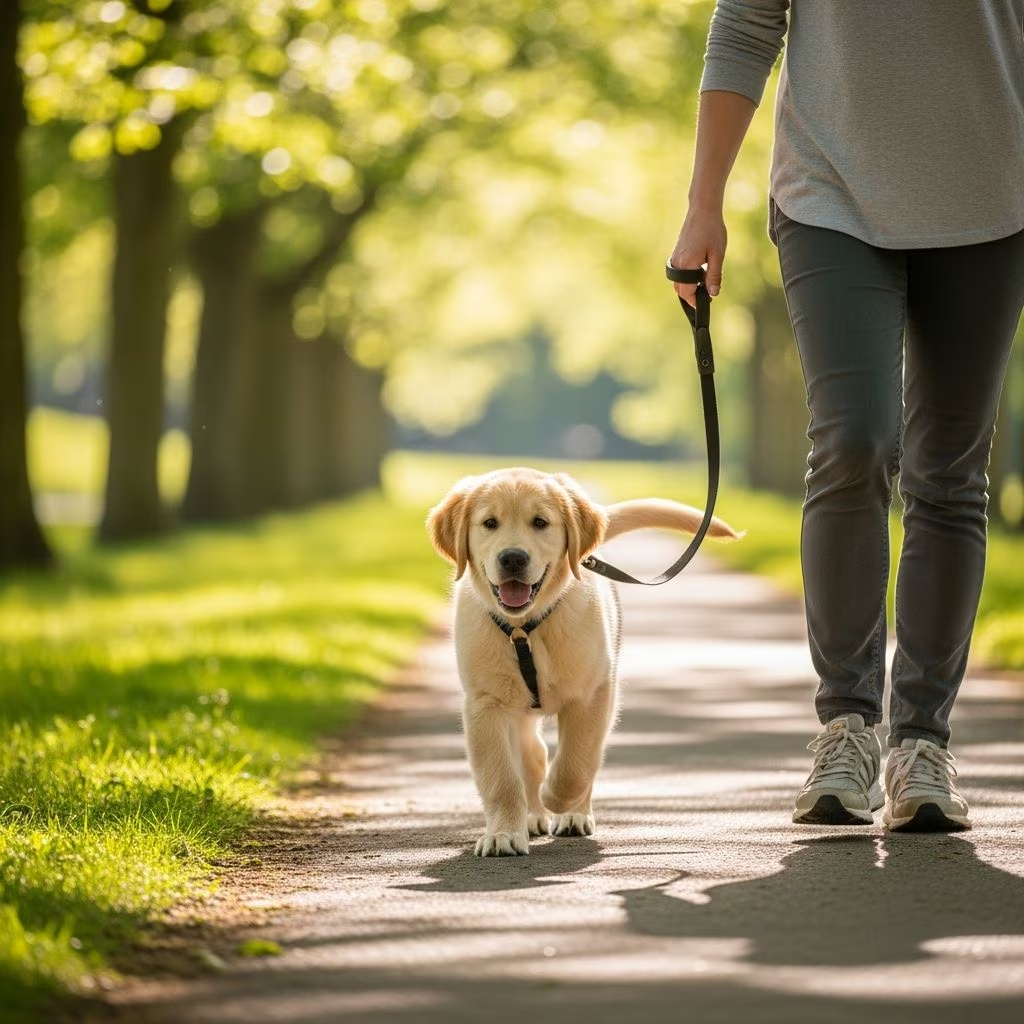
How Often Should I Walk My Puppy: A Complete Guide
Bringing home a new puppy is an exciting time, but it comes with important responsibilities—including establishing a proper exercise routine. Walking is one of the most essential activities for puppies, providing physical exercise, mental stimulation, and an opportunity for bathroom breaks. However, determining the right frequency and duration of walks can be confusing for new puppy owners. Unlike adult dogs, puppies have developing bones, joints, and energy levels that require a carefully balanced approach to exercise. This comprehensive guide will help you understand how often your puppy should be walked, based on age, breed size, and individual needs.
The 5-Minute Rule: Understanding the Golden Standard
The most widely recommended guideline for puppy exercise is the “5-minute rule,” which provides a simple formula for determining appropriate walk duration. This rule states that puppies should walk approximately 5 minutes for every month of age, once or twice daily. This means a 2-month-old puppy would get about 10 minutes of walking per session, while a 6-month-old puppy could handle 30 minutes. This guideline continues to apply until the puppy is fully grown, which typically occurs around 1 year of age for smaller breeds and up to 2 years for larger breeds.
The 5-minute rule works well because it takes into account your puppy’s rapidly developing skeletal and muscular systems. Young puppies have soft, cartilaginous joints that are still forming bone. Over-exercising them can cause joint damage and increase the risk of developmental orthopedic disease later in life. By keeping walks brief and gradually increasing them, you protect your puppy’s long-term health while still providing necessary exercise and socialization opportunities.
Puppy Walking Guidelines by Age
Understanding age-specific exercise recommendations helps ensure your puppy gets the right amount of activity at each developmental stage:
2-3 Months Old
At this young age, puppies are typically not yet fully vaccinated and are just beginning to explore the world. Walks should be very brief, around 10-15 minutes per day, split into 2-3 short sessions. These early walks focus more on exposure and socialization than extensive exercise. Your puppy may tire quickly, so watch for signs of fatigue and keep outings positive and fun.
4-6 Months Old
By this age, puppies can handle gradually longer walks. A 4-month-old can typically manage 20-minute sessions once or twice daily, while a 6-month-old might tolerate 30-minute walks. At this stage, puppies have more stamina and curiosity. Walks become important opportunities for mental stimulation, exploring different environments, and continuing socialization with people and other animals. However, you should still avoid excessive or uncontrolled exercise.
7-12 Months Old
Older puppies can handle more substantial exercise. By 10-12 months, puppies can enjoy walks of 40-60 minutes, depending on their breed and individual energy levels. However, be cautious about extremely strenuous activities like jumping or running on hard surfaces until growth plates have fully closed. Large breed puppies should progress more gradually than small breeds, as their skeletal development takes longer.
Walking Duration by Breed Size
Breed size significantly impacts how much exercise a puppy needs. Smaller puppies have different exercise capacities than larger breed puppies at the same age:
| Age (Months) | Small Breeds | Medium Breeds | Large Breeds |
|---|---|---|---|
| 2 | 10-15 minutes per day | 15-20 minutes per day | 20-25 minutes per day |
| 3 | 15-20 minutes per day | 20-25 minutes per day | 25-30 minutes per day |
| 4 | 20-25 minutes per day | 25-30 minutes per day | 30-35 minutes per day |
| 6 | 30-35 minutes per day | 35-40 minutes per day | 40-45 minutes per day |
| 9-10 | 40-45 minutes per day | 45-50 minutes per day | 50-55 minutes per day |
| 11-12 | 45-50 minutes per day | 50-55 minutes per day | 55-60 minutes per day |
Small breed puppies mature faster than large breed puppies and generally reach their full size by 10-12 months. Large breed puppies continue growing until 18-24 months, which means their exercise needs should increase more gradually to protect developing joints and bones. Even though large breed puppies have more energy, it’s crucial to be conservative with their exercise to prevent joint problems like hip dysplasia later in life.
How Many Times a Day Should You Walk Your Puppy?
The frequency of walks depends on your puppy’s age and needs:
| Puppy Age | Walking Frequency | Notes |
|---|---|---|
| 2-4 months | 2-3 times daily | Short sessions; includes potty breaks |
| 5-6 months | 2-3 times daily | Mix of short walks and playtime |
| 7-12 months | 2 times daily | Can consolidate into longer sessions |
| 12+ months | 1-2 times daily | Follow adult dog guidelines |
Young puppies need multiple short walks throughout the day rather than one long walk. This approach serves several purposes: it provides regular bathroom breaks (especially important for house training), prevents boredom, and keeps exercise sessions within safe limits. Additionally, multiple short walks are less taxing on developing joints than one extended walk. As your puppy grows, you can gradually consolidate walks into fewer, longer sessions.
Distance: How Far Can a Puppy Walk?
While time-based recommendations are most important, understanding the distances puppies can cover helps you plan walks effectively:
| Age (Months) | Small Breeds | Medium Breeds | Large Breeds |
|---|---|---|---|
| 2 | 0.1 – 0.2 miles | 0.2 – 0.3 miles | 0.2 – 0.4 miles |
| 3 | 0.2 – 0.3 miles | 0.3 – 0.4 miles | 0.3 – 0.5 miles |
| 6 | 0.5 – 0.6 miles | 0.6 – 0.8 miles | 0.6 – 0.8 miles |
| 12 | 1.0 – 1.2 miles | 1.2 – 1.4 miles | 1.3 – 1.5 miles |
These distances are approximate and depend on your individual puppy’s pace and breed characteristics. A slower, meandering walk might cover less distance than a brisk walk of the same duration. The important factor is the time spent walking, not necessarily the distance covered.
Factors That Affect Walking Frequency and Duration
Weather Conditions
Temperature extremes can significantly impact your puppy’s ability to exercise safely. In hot weather, puppies can overheat quickly since they can’t regulate body temperature as efficiently as adult dogs. In cold weather, puppies lose heat rapidly and can develop hypothermia. Adjust walk duration and frequency based on weather conditions, and always provide shade and fresh water during warm-weather walks.
Energy Level and Personality
Not all puppies are the same. Some puppies are naturally more energetic and may seem ready for more exercise, while others are more laid-back. Observe your individual puppy and adjust accordingly. If your puppy still seems full of energy after walks, you might gradually increase duration or frequency. If your puppy appears tired or reluctant, scale back slightly.
Health and Development
Some puppies have health conditions or developmental concerns that require modified exercise routines. Puppies predisposed to joint issues, such as large breeds prone to hip dysplasia, benefit from more conservative exercise approaches. Always consult with your veterinarian if your puppy has any health concerns.
Training and Socialization Needs
Walks provide excellent opportunities for training and socialization. Your puppy learns leash manners, encounters different environments, and meets new people and animals. These mental and behavioral components are just as important as physical exercise, sometimes even more so for mental development.
Signs Your Puppy Has Had Enough Exercise
Monitoring your puppy’s behavior during and after walks helps you gauge whether they’ve had appropriate activity:
Positive Signs of Adequate Exercise
After a good walk, your puppy should appear satisfied and content. They may be calm at home, rest peacefully, or engage in quiet play. A well-exercised puppy often has better focus during training sessions and fewer behavior problems.
Warning Signs of Over-Exercise
Watch for excessive panting, reluctance to walk, limping, or soreness after exercise. Puppies that have been over-exercised may also display behavioral issues like increased mouthing, jumping, or hyperactivity due to stress on their developing bodies. If you notice these signs, reduce exercise duration and frequency.
Signs of Under-Exercise
Puppies that aren’t getting enough exercise may be restless, destructive, or display excessive chewing. They might also continue playing vigorously after walks or seem unable to settle down. If your puppy demonstrates these behaviors, gradually increase walking time and frequency.
Exercise Beyond Walking: Playtime and Mental Stimulation
While structured walks are important, puppies also benefit from free playtime and mental stimulation. Playing with toys, interactive games, puzzle toys, and time with other puppies all contribute to healthy development. The combination of structured walks and free play provides the most balanced exercise routine. Playtime should be age-appropriate and supervised to prevent injuries.
Building a Walking Routine
Establishing a consistent walking schedule helps your puppy develop good habits and aids in house training. Try to walk your puppy:
- First thing in the morning
- After meals (typically 15-30 minutes post-feeding)
- After naps or rest periods
- Before bedtime
- At consistent times throughout the day
Consistency helps your puppy develop a predictable routine for bathroom breaks and prevents accidents in the house. It also helps regulate their energy levels and promotes better behavior.
Gradually Increasing Exercise as Your Puppy Grows
As your puppy matures, gradually increase walking duration and intensity. The transition should be slow and steady, adding only a few minutes every week or two. This gradual approach allows bones and joints to strengthen properly. By the time your puppy reaches full adult size, they can transition to adult dog exercise routines, which typically involve 30 to 120 minutes of daily activity depending on breed and energy level.
Frequently Asked Questions
Q: Is two walks a day enough for a puppy?
A: The ideal number of walks depends on your puppy’s age, breed, and energy level. Young puppies (2-4 months) typically need 2-3 walks daily for bathroom breaks and short exercise sessions. Older puppies (6+ months) may do well with 2 longer walks daily. Some puppies benefit from four 10-minute walks instead of two 30-minute walks, so adjust based on your puppy’s needs and your schedule.
Q: What if my puppy gets tired during a walk?
A: It’s normal for puppies to tire quickly. Stop and rest when needed, and don’t force your puppy to continue if they seem exhausted. Young puppies have limited stamina, and pushing them too hard can cause fatigue and stress. Allow them to set the pace and gradually build their endurance over time.
Q: Can I walk my puppy before vaccinations are complete?
A: Consult with your veterinarian about when it’s safe to walk your puppy in public areas. Until vaccinations are complete, avoid areas where unvaccinated dogs frequent. You can do short walks in your yard or quiet residential areas. Many vets recommend waiting until after the first vaccination series before extensive outdoor exposure.
Q: How do I know when my puppy is ready for longer walks?
A: Use age and breed size as guides, following the 5-minute rule as a starting point. Watch how your puppy responds—if they seem to have more energy and handle walks well, you can gradually increase duration. If they seem exhausted or show reluctance, stick with shorter walks. Your veterinarian can also provide personalized recommendations based on your puppy’s breed and health.
Q: Should I use a harness or collar for walking my puppy?
A: A harness is generally recommended for puppies, as it provides better control and is gentler on the neck than a collar. Harnesses distribute pressure across the chest and shoulders rather than concentrating it on the delicate neck area. Choose an appropriately sized harness that fits snugly but allows freedom of movement.
Q: What’s the difference between exercise walks and potty breaks?
A: Potty breaks are quick trips outside, typically 5-10 minutes, focused on bathroom needs and happening after meals, naps, and playtime. Exercise walks are longer, more structured outings designed to provide physical and mental stimulation. A complete puppy routine should include both types of outdoor time.
References
- How Much Exercise Should Your Puppy Get? — Rover.com. Accessed November 28, 2025. https://www.rover.com/blog/how-often-should-i-walk-my-puppy/
- How Often Should You Be Walking a Puppy? — Halo Collar Blog. Accessed November 28, 2025. https://www.halocollar.com/blog/dog-training/how-often-should-you-be-walking-a-puppy/
- How Often Should You Exercise My Puppy? — Blue Cross. Accessed November 28, 2025. https://www.bluecross.org.uk/advice/dog/puppy-exercise
- How Often Should You Walk Your Dog? A Complete Guide — Marley Bones. Accessed November 28, 2025. https://marleybones.com/blogs/news/how-much-should-you-walk-your-dog
- How Often Should You Walk Your Dog? — American Kennel Club. Accessed November 28, 2025. https://www.akc.org/expert-advice/health/how-often-should-you-walk-your-dog/
- A Guide On How Much Exercise Should A Puppy Have — Purina UK. Accessed November 28, 2025. https://www.purina.co.uk/articles/dogs/puppy/play/puppy-exercise
- When to Walk Your Dog and How to Read Their Body Language — Pet Butler. Accessed November 28, 2025. https://www.petbutler.com/how-often-you-should-walk-your-dog/



