

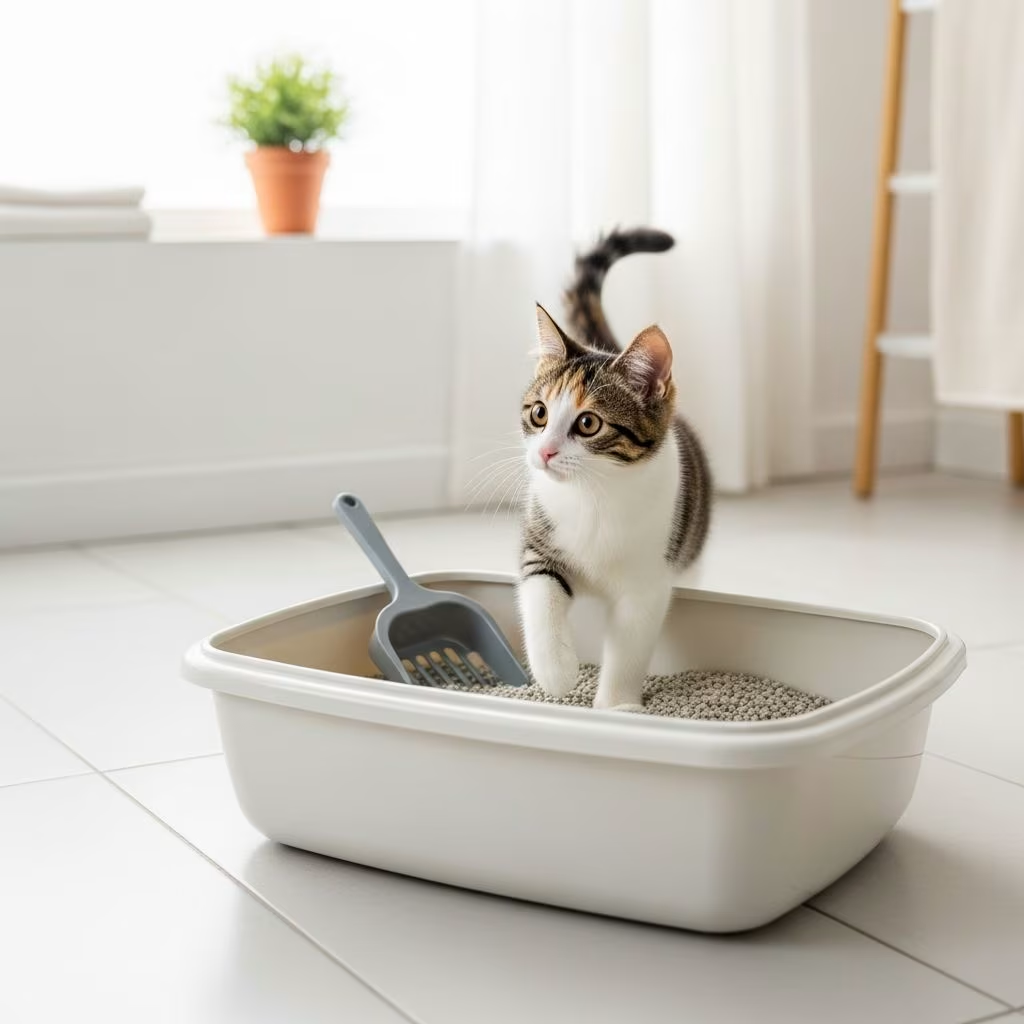
Maintaining a clean litter box is essential for your cat’s health, comfort, and your home’s freshness. The general rule is to scoop waste daily and perform a full litter change every 1-4 weeks, depending on litter type, number of cats, and usage habits. Veterinary experts recommend this schedule to prevent odor buildup, bacterial growth, and litter box avoidance, which can lead to urinary tract issues or inappropriate elimination.
Why Changing Cat Litter Matters
A dirty litter box isn’t just unpleasant—it’s a health risk. Cats have a sense of smell 14 times stronger than humans, so even faint odors prompt them to avoid the box, potentially causing stress, urinary tract infections (UTIs), or elimination outside the box. Ammonia from urine can irritate their respiratory system and eyes if not managed. Regular changes ensure hygiene, reduce bacteria, and promote consistent use. Consistent maintenance also prevents permanent odors from urine seeping into the box plastic.
How Often to Scoop Cat Litter
Scooping is the daily must-do task. Remove clumps, solids, and visible waste every 24 hours, ideally once or twice daily for multi-cat homes. This prevents ammonia buildup and keeps the box inviting. Use a sifting scoop to separate clean litter, gently shaking to retain usable material. For non-clumping litters, stir and remove what you can. Never let waste sit overnight—cats urinate 2-4 times daily and defecate every 24-36 hours, generating significant waste quickly.
- Single cat: Scoop every 1-2 days minimum, daily preferred.
- Multiple cats: Scoop daily or 2+ times per day.
- Pro tip: Maintain at least 3 inches (7-8 cm) of litter depth after scooping; top off as needed to avoid urine hitting the box bottom.
How Often to Fully Change Cat Litter
Full changes involve dumping all litter, washing the box, and refilling. Frequency varies by litter type:
| Litter Type | Scooping | Full Change |
|---|---|---|
| Clumping Clay | Daily | Every 1-2 weeks |
| Non-Clumping Clay | Daily | Every 2-3 days |
| Silica Gel (Crystal) | Daily (stir/scoop) | Every 3-4 weeks |
| Paper/Wood Pellets | Daily | Weekly |
| Plant-Based (Corn, Wheat, Tofu) | Daily | Every 5-10 days |
Clumping litters last longer as waste is easily removed, while non-clumping types saturate faster. Crystal litters absorb well but turn yellow when saturated—change then. Always adjust for heavy users or odors.
Litter Change Frequency by Number of Cats
More cats mean more waste, requiring faster turnover. Follow the n+1 rule: one box per cat plus one extra. Here’s a guide:
| Number of Cats | Litter Boxes Needed | Scoop Clumps | Full Litter Change | Deep Clean Box |
|---|---|---|---|---|
| 1 Cat | 2 | Every 1-2 days | Every 2-4 weeks | Monthly |
| 2 Cats | 3 | Daily | Every 2-3 weeks | Every 3-4 weeks |
| 3 Cats | 4 | Daily | Every 2 weeks | Every 3 weeks |
| 4+ Cats | 5+ | 2+ times daily | Weekly | Every 2 weeks |
For automatic systems like Litter-Robot, empty waste drawers every 1-10 days based on cat count, with full cleans every 1-3 months.
Deep Cleaning Your Litter Box
Beyond scooping and changes, deep clean monthly (or more often with multiple cats). Dump litter, scrub with mild dish soap or enzyme cleaner (avoid harsh chemicals that linger). Rinse thoroughly, dry completely, and refill. Plastic boxes absorb odors over time—replace every 6-12 months or switch to stainless steel/porcelain. Enzyme cleaners break down urine proteins effectively.
- Dump all litter.
- Scrub with hot soapy water or enzyme solution.
- Rinse and air dry.
- Refill with fresh litter.
Frequency: Monthly for one cat, every 2-4 weeks for more.
Factors Affecting Litter Change Frequency
Several variables influence your schedule:
- Litter type: Clumping and crystal last longer.
- Number of cats: Scales up waste volume.
- Box size: Larger boxes dilute waste; ensure 1.5x cat length.
- Cat habits: Kittens, seniors, or medical issues increase frequency.
- Diet: Strong-smelling food means more odor control.
- Location: High-traffic areas need more vigilance.
Monitor for signs like odor, avoidance, or shallow litter—adjust accordingly.
Types of Cat Litter and Maintenance Tips
Choose based on your needs:
- Clumping Clay: Popular, affordable; scoop daily, change 1-2 weeks. Dust may irritate.
- Non-Clumping Clay: Cheaper but frequent changes (2-3 days); good for dust-sensitive cats.
- Crystal/Silica: Odor-absorbing, lightweight; stir daily, change 3-4 weeks.
- Natural (Pine, Wheat, Corn): Eco-friendly, biodegradable; change weekly to 10 days. May track more.
- Paper Pellets: For kittens/puppies; very absorbent but short-lived (3-7 days).
Unscented litters reduce respiratory risks. Top off between full changes to maintain depth.
Tips for Easy Litter Box Maintenance
- Use litter mats to catch tracking.
- Place boxes in quiet, accessible spots.
- Invest in self-cleaning systems for less work.
- Gloves and enclosed scoops minimize mess.
- Odor absorbers or baking soda layers help between changes.
- Track your schedule with apps or calendars.
Common Mistakes to Avoid
- Skipping daily scoops—leads to avoidance.
- Not deep cleaning—bacteria lingers.
- Insufficient boxes for multi-cat homes.
- Overfilling—stick to 3-4 inches.
- Ignoring litter depth—causes stuck odors.
Frequently Asked Questions (FAQs)
How often should I scoop the litter box?
Scoop daily for all households; twice daily for multiple cats to prevent odors and health issues.
Can I just top off litter instead of full changes?
Topping off works short-term (up to 4 weeks), but full changes are needed to remove bacteria and fine waste particles.
What if my cat avoids the clean box?
Check litter type (try unscented), box location, cleanliness, or medical issues like UTIs—consult a vet.
Is scented litter better for odors?
Not necessarily; scents can repel cats. Opt for naturally odor-controlling litters.
How do I clean a smelly plastic litter box?
Use enzyme cleaner, soak overnight, scrub, and dry. Replace if odors persist.
Final Thoughts
Scoop daily, change fully weekly to monthly based on your setup, and deep clean regularly. This simple routine keeps your cat using the box, your home fresh, and prevents costly vet visits. Tailor to your cats’ needs for optimal results.
References
- How Often You Should Change Cat Litter (Most People Get …) — Boxiecat. 2023. https://boxiecat.com/blogs/litter-learning-center/how-often-to-change-cat-litter
- How Often Should You Change Your Cat’s Litter? — MVA Vets. 2024. https://mvavets.com/blog/how-often-to-change-cat-litter/
- How Often to Change Cat Litter? — Litter-Robot. 2025. https://www.litter-robot.com/blog/how-often-to-change-cat-litter/
- How Often Full Litter Change? (Clay, Silica, & Tofu) — Lady N Pet. 2024. https://ladynpet.com/us/blog/how-often-to-change-cat-litter/
- How Often to Change Cat Litter — Arm & Hammer. 2023. https://www.armandhammer.com/en/articles/how-often-change-cat-litter



