How Often Should My Dog Get a Dental Cleaning
Learn the recommended frequency for professional dog dental cleanings and maintain optimal oral health.
How Often Should My Dog Get a Dental Cleaning?
Dental health is a critical component of your dog’s overall well-being, yet many pet owners overlook the importance of regular professional cleanings. Just as humans benefit from routine dental visits, dogs require consistent professional dental care to prevent serious oral health issues and maintain a healthy, comfortable life. Understanding the recommended frequency for dog dental cleanings and implementing a comprehensive at-home care routine can help you protect your pet’s teeth and gums for years to come.
The Recommended Frequency for Dog Dental Cleanings
Most veterinarians recommend that dogs undergo professional dental cleanings at least once per year. However, the ideal frequency for your individual dog may vary based on several factors, including age, breed, diet, and existing dental health conditions. While annual cleanings serve as a good baseline for most dogs, some may require more frequent professional attention to maintain optimal oral hygiene.
For many dogs, once-yearly professional cleanings combined with consistent at-home care are sufficient to prevent dental disease and maintain healthy teeth and gums. This annual schedule helps remove tartar buildup and allows your veterinarian to identify early signs of dental problems before they become serious.
Factors That Influence Cleaning Frequency
Several key factors determine how often your dog should receive professional dental cleanings. Understanding these factors will help you work with your veterinarian to develop a personalized dental care plan tailored to your dog’s specific needs.
Breed and Size
Small breed dogs, such as Chihuahuas, Yorkies, Dachshunds, and toy poodles, tend to be more prone to dental disease and may require professional cleanings every 6 to 9 months. These breeds often have crowded teeth due to their smaller jaw structures, which creates an ideal environment for plaque and tartar accumulation. Flat-faced breeds like Bulldogs and Pugs also face increased dental challenges due to their unique jaw structures and may benefit from more frequent cleanings.
Larger breed dogs typically have better spacing between teeth and may maintain acceptable oral health with annual professional cleanings, assuming proper at-home care is maintained.
Age of Your Dog
Your dog’s age plays a significant role in determining dental cleaning frequency. Most dogs do not require professional dental care until they reach 6 or 7 years of age, though small breed dogs may need cleanings as early as 2 years old. Puppies and young dogs typically have clean mouths with minimal plaque and tartar buildup.
As dogs age, plaque and tartar accumulate more rapidly due to changes in diet, eating habits, and natural oral deterioration. Senior dogs, particularly those over 7 years old, often require annual dental exams and may need more frequent professional cleanings to manage age-related oral health concerns. These older dogs have a higher risk of gum disease and other serious dental conditions that can affect their overall health and quality of life.
Diet and Feeding Habits
The type of food your dog consumes significantly impacts their dental health. Dogs fed a wet or soft food diet may require professional cleanings every 6 months, as soft food does not help clean teeth as effectively as dry kibble. Dry food provides some natural cleaning action as the dog chews, helping to reduce plaque buildup.
Additionally, dogs that eat primarily soft diets have fewer opportunities for natural tooth cleaning through chewing, making professional cleanings more essential to prevent tartar accumulation.
Existing Dental Disease
Dogs that already show signs of dental disease may require more frequent professional cleanings to manage disease progression and prevent complications. Your veterinarian may recommend cleanings every 6 months or even more often if your dog has active gum disease, tooth decay, or other oral health problems.
Regular monitoring and more frequent cleanings help prevent tooth loss and other serious consequences of untreated dental disease.
Why Professional Dental Cleanings Matter
Professional veterinary dental cleanings are fundamentally different from at-home brushing and provide essential benefits that cannot be achieved through home care alone. Plaque begins forming on your dog’s teeth within hours after eating, and over time, it hardens into tartar that cannot be removed by brushing.
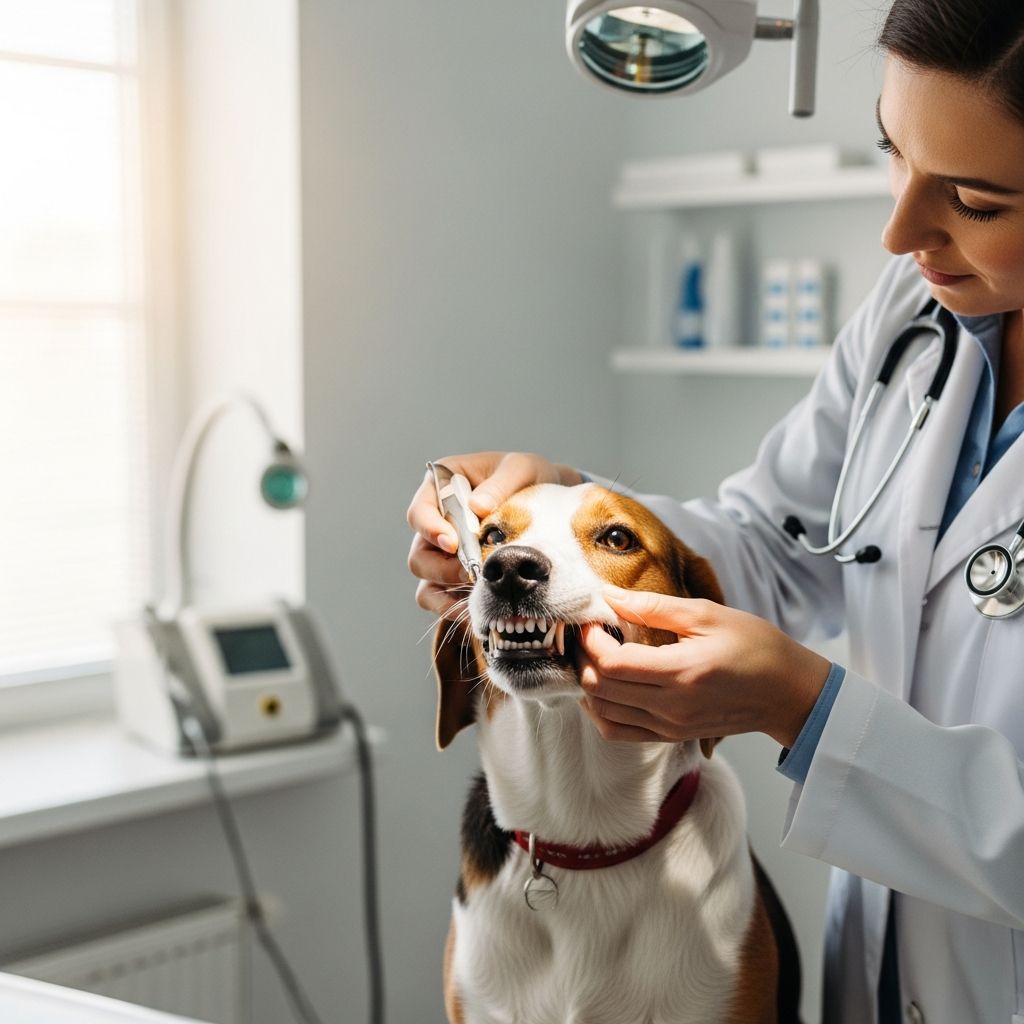
A professional cleaning removes tartar and bacteria from both the visible surfaces of the teeth and below the gumline, an area that home brushing cannot effectively reach. This deep cleaning prevents gum disease, alleviates bad breath, and reduces pain and discomfort caused by oral disease. Additionally, professional cleanings allow your veterinarian to identify early signs of oral disease before they develop into serious conditions requiring extraction or other invasive treatments.
Warning Signs Your Dog Needs a Dental Cleaning
Watch for these indicators that your dog may be due for a professional dental cleaning or needs immediate veterinary attention:
- Bad breath
- Yellow or brownish discoloration on teeth
- Red, swollen, or bleeding gums
- Excessive drooling
- Difficulty eating or chewing
- Pawing at the mouth or face
- Loose or missing teeth
- Visible tartar or plaque buildup
- Facial swelling or lumps
- Changes in behavior or mood related to eating
- Abnormal chewing habits
If you notice any of these signs, contact your veterinarian promptly for an evaluation and professional cleaning if necessary.
At-Home Dental Care Between Professional Cleanings
While professional cleanings are essential, consistent at-home care significantly contributes to maintaining your dog’s oral health between veterinary visits. Implementing a daily or regular dental care routine helps prevent plaque and tartar buildup and extends the benefits of professional cleanings.
Daily Tooth Brushing
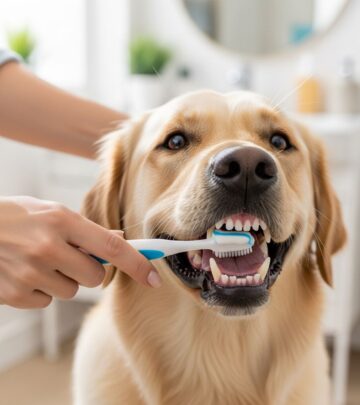
The most effective at-home dental care strategy is brushing your dog’s teeth regularly. Ideally, you should brush your dog’s teeth daily, though brushing at least 3 to 5 times per week provides substantial benefits. Use a soft-bristled toothbrush designed for dogs or a finger brush, along with veterinary-approved toothpaste specifically formulated for dogs. Never use human toothpaste, as it contains ingredients that may be harmful to your pet.
To brush effectively, use gentle circular motions, focusing particularly on the gumline where plaque tends to accumulate. Concentrate on one side of the mouth at a time, ensuring you reach both the front and back teeth. Make brushing a positive experience by using treats and praise to reward your dog, gradually increasing brushing time as they become more comfortable with the routine.
Dental Chews and Treats
Dental chews, such as Greenies or Oravet, are specifically designed to fight plaque and tartar buildup through mechanical action as your dog chews. These products can serve as a valuable supplement to brushing, though they should not replace regular tooth brushing or professional cleanings. Choose dental chews appropriate for your dog’s size and follow the recommended usage guidelines.
Plaque Prevention Products
Various plaque prevention products can help manage tartar buildup and maintain oral hygiene between professional cleanings. Some products are applied directly to your dog’s teeth and gums, while others can be added to your dog’s drinking water or food. These products act as a barrier to prevent plaque accumulation and can complement your regular brushing routine.
Consult with your veterinarian about which plaque prevention products are most appropriate for your dog’s individual needs and oral health status.
Dental Wipes and Water Additives
Dental wipes designed for pets offer another convenient option for maintaining oral hygiene, particularly for dogs that resist traditional toothbrushing. Additionally, specially formulated water additives can be added to your dog’s drinking water to help support oral health and freshen breath.
Regular Veterinary Exams
Maintaining regular wellness exams allows your veterinarian to monitor your dog’s dental health, track any changes, and catch early signs of oral disease. These routine check-ups are essential for identifying problems that may require professional cleaning or other interventions before they become serious.
Special Considerations for Different Dogs
Certain groups of dogs may require special attention to their dental health and more frequent professional cleanings.
Small and Toy Breeds
Small breed dogs are particularly susceptible to dental disease due to crowded teeth and genetic predisposition. These breeds should begin dental care earlier and may require cleanings every 6 to 9 months rather than annually.
Senior Dogs
Dogs over 7 years old benefit from annual dental exams and may need more frequent professional cleanings due to increased risk of gum disease and other age-related oral problems. Senior dogs should have their dental health monitored closely to ensure early detection and treatment of any issues.
Dogs with Existing Dental Disease
Dogs diagnosed with gum disease, tooth decay, or other oral health conditions require individualized cleaning schedules determined by your veterinarian. These dogs may need professional cleanings every 6 months or more frequently to manage their condition effectively.
Frequently Asked Questions
Q: At what age should I start getting my dog’s teeth cleaned professionally?
A: Most dogs do not require professional dental cleanings until 6 or 7 years of age. However, small breed dogs may need cleanings as early as 2 years old. Consult with your veterinarian about the appropriate age to begin professional cleanings for your specific dog.
Q: Is anesthesia required for dog dental cleanings?
A: Yes, general anesthesia is necessary for thorough professional dental cleanings to ensure your dog’s safety and allow the veterinarian to clean below the gumline effectively. Your veterinarian will assess your dog’s health before administering anesthesia.
Q: Can I prevent my dog from needing dental cleanings through home care alone?
A: While excellent at-home care significantly reduces the frequency of professional cleanings needed, most dogs still require professional cleanings at least once yearly. Home brushing cannot remove tartar that has already formed or clean effectively below the gumline.
Q: How much does a professional dog dental cleaning cost?
A: The cost of professional dental cleanings varies depending on your veterinary clinic, your dog’s age and health status, and any additional treatments needed. Discuss pricing and payment options with your veterinarian.
Q: What should I expect during a professional dog dental cleaning?
A: Professional dental cleanings typically involve anesthesia, scaling to remove tartar, polishing, and a thorough examination of your dog’s teeth and gums. Your veterinarian will provide pre- and post-cleaning instructions to support recovery.
Creating a Dental Care Plan for Your Dog
Work with your veterinarian to develop a comprehensive dental care plan tailored to your dog’s individual needs. This plan should include a recommended schedule for professional cleanings based on your dog’s age, breed, diet, and existing dental health conditions. Additionally, establish a consistent at-home care routine that includes regular tooth brushing, appropriate dental chews, and any recommended plaque prevention products.
By combining professional veterinary care with diligent at-home maintenance, you can significantly improve your dog’s oral health and overall quality of life. Regular dental care prevents painful oral disease, reduces the risk of tooth loss, and may even help prevent systemic health issues associated with poor dental hygiene.
The Bottom Line
Most dogs benefit from professional dental cleanings at least once per year, though individual needs may vary based on breed, age, diet, and existing dental health conditions. Small breed dogs and senior dogs often require more frequent cleanings. Combining annual professional cleanings with consistent at-home care—including regular tooth brushing, dental chews, and plaque prevention products—creates an effective strategy for maintaining your dog’s oral health and preventing serious dental disease. Clean teeth mean more than just fresh breath; they contribute to your dog’s overall health, comfort, and quality of life. Prioritize your dog’s dental care today to ensure a healthier, happier future.
References
- How Often Should Your Pet Receive a Dental Cleaning? — Bell Parkway Veterinary Clinic. 2025. https://bellparkwayvet.com/how-often-should-your-pet-receive-a-dental-cleaning/
- How Often Should You Schedule Pet Dental Cleanings — Noah Vets. 2025. https://www.noahvets.com/how-often-schedule-pet-dental-cleanings/
- Dog and Cat Dental Cleaning: Why It’s Important — Vetstreet. 2025. https://www.vetstreet.com/care/dental-cleaning-for-dogs-and-cats
- How Often Should You Schedule Teeth Cleaning for Dogs? Expert Recommendations — Insight Vet Wellness. 2025. https://insightvetwellness.com/cat-and-dog-teeth-cleaning-in-el-dorado-hills-ca/how-often-should-you-schedule-teeth-cleaning-for-dogs-expert-recommendations/
- How Often Does My Dog Need Teeth Cleaning? — Benton Vets. 2022. https://www.scacvetstreet.com/site/blog/2022/06/04/how-often-dog-teeth-cleaning
- Dental Trouble in Pets: What to Watch For and How to Prevent It — Vetstreet. 2025. https://www.vetstreet.com/our-pet-experts/dental-trouble-in-pets-what-to-watch-for-and-how-to-prevent-it
Similar Articles








Read full bio of medha deb