
How Often Should My Dog Get a Blood Test?
Complete guide to dog blood testing frequency, types, and importance for your pet's health.
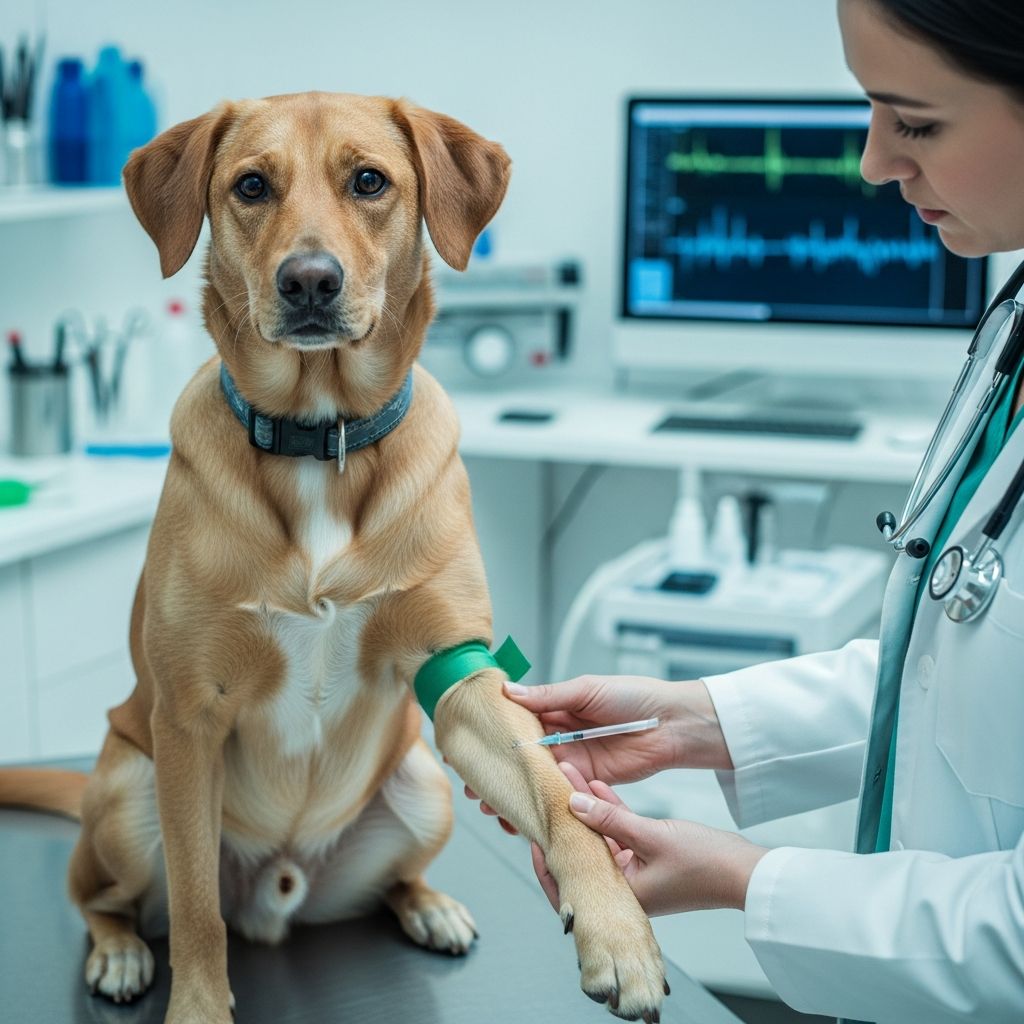
Blood work is a cornerstone of preventive veterinary medicine, offering veterinarians crucial insights into your dog’s health that cannot be obtained through physical examination alone. Just like humans benefit from regular blood tests, dogs require routine blood work to maintain optimal health and catch potential diseases before they become serious. Understanding the recommended frequency for blood testing and the various types of tests available can help you make informed decisions about your dog’s healthcare.
The Importance of Regular Blood Testing for Dogs
Blood tests serve as a diagnostic window into your dog’s internal health. Even when your dog appears perfectly healthy on the outside, their blood can reveal hidden issues with organ function, infections, metabolic problems, and other conditions that may not show visible symptoms initially. Regular blood work establishes a baseline for your individual dog’s normal values, allowing veterinarians to detect changes over time that might indicate emerging health concerns.
Many serious canine health conditions—such as kidney disease, liver disease, and diabetes—show no visible symptoms in their early stages. By the time symptoms become apparent, the disease may have progressed significantly, making treatment more challenging and less effective. Routine blood testing enables early intervention, which can slow disease progression and improve treatment outcomes dramatically.
Blood Test Frequency Recommendations
Initial Veterinary Visit
All dogs should have blood work performed at their first veterinary visit to establish a healthy baseline. This initial screening helps veterinarians understand your dog’s blood cell health and internal organ function from the start. If your puppy requires a spay or neuter procedure, veterinarians will typically recommend blood testing before surgery to ensure your dog can safely undergo anesthesia.
Adult Dogs (1-6 Years)
For healthy adult dogs in this age range, veterinarians generally recommend blood tests at least once a year during annual wellness examinations. At these visits, your vet may recommend routine blood tests including a complete blood count and a biochemistry panel, depending on your dog’s age, health history, and individual needs.
Senior Dogs (7+ Years)
As your dog matures from 6-8 years old and onward, your veterinarian may recommend increasing the frequency of blood testing to twice yearly, or every six to twelve months. Senior dogs become increasingly susceptible to age-related diseases, and more frequent monitoring helps catch conditions like arthritis-related inflammation, cognitive decline, and organ dysfunction early. This proactive approach to senior pet healthcare can significantly impact your dog’s quality of life.
Dogs with Special Health Needs
Dogs with chronic health conditions or those taking long-term medications may require more frequent blood testing than otherwise healthy dogs. For example, dogs with diabetes need regular testing to monitor blood glucose levels and ensure their medication dosage remains appropriate. Dogs undergoing treatment for other conditions should follow their veterinarian’s specific recommendations for testing frequency.
Common Blood Tests for Dogs
Complete Blood Count (CBC)
A CBC is one of the most fundamental blood tests performed on dogs. This test examines the number, size, and type of your dog’s red blood cells, white blood cells, and platelets. The CBC can detect blood parasites, infections, anemia, immune disorders, and inflammation. The results provide valuable information about your dog’s overall blood health and immune system function.
Serum Biochemistry Profile
Also known as a basic metabolic panel (BMP), this comprehensive test evaluates your dog’s internal organ function across multiple systems. The biochemistry profile measures liver enzymes, kidney function markers, blood sugar levels, protein levels, electrolyte balance, and various enzyme levels. This test is essential for detecting problems with the liver, kidneys, pancreas, and other vital organs before symptoms develop.
Heartworm Testing
Dogs need heartworm testing at least once a year, or more frequently if they show symptoms or miss doses of heartworm preventive medication. The veterinarian will test your dog’s blood for proteins associated with adult heartworms or use a microfilariae test that detects heartworm larvae in the bloodstream. Regular heartworm testing is critical, as this parasitic infection can be life-threatening if left untreated.
ACTH Stimulation Test
This test is one of the most effective ways to detect Cushing’s disease, a relatively common hormonal condition in middle-aged and senior dogs. The test involves measuring cortisol levels before and after administering a stimulating hormone, helping veterinarians confirm or rule out this condition.
Additional Specialized Blood Tests
Beyond the common blood tests, veterinarians may recommend specialized testing depending on your dog’s health status and risk factors:
- Bile Acids Testing: Evaluates liver function and can detect liver disease before other indicators become apparent.
- Gastrointestinal (GI) Panel: Detects abnormalities associated with diseases like pancreatitis and other digestive disorders.
- Genetic Testing: Reveals your dog’s ancestry and identifies potential risks for genetic diseases inherent to your dog’s breed.
- Allergy Testing: Blood tests can help identify environmental substances causing allergic reactions, though skin testing is often recommended first for greater sensitivity and specificity.
- Tick-Borne Pathogen Panel: Tests for Lyme disease, Ehrlichia, and other tick-borne illnesses if your dog has been bitten by a tick or shows symptoms of tick-borne disease.
- Thyroid Hormone Testing: Screens for thyroid conditions like hypothyroidism that can affect metabolism, weight, and energy levels.
- Glucose Testing: Monitors blood sugar levels to diagnose and manage diabetes.
What to Expect During Your Dog’s Blood Test
During the Test
Blood tests are relatively simple and non-invasive diagnostic procedures that veterinarians perform routinely. The veterinary technician will draw a small blood sample, typically from a vein in your dog’s leg or neck. The process is quick and causes minimal stress to most dogs. While your dog might not enjoy the experience, the brief discomfort is worthwhile considering the valuable health information obtained.
After the Test
Results from blood tests are typically available within 30 minutes to a couple of days, depending on where the testing is performed and the complexity of the panel. In-house laboratories may provide results within 30 minutes to a few hours, while tests sent to external laboratories may take 24-48 hours or longer. If your veterinarian identifies any abnormalities in the results, they will discuss findings with you and recommend appropriate next steps, which may include additional diagnostics or treatment options.
Understanding Your Dog’s Blood Test Results
Baseline blood testing helps establish what is normal for your individual dog. Each dog has their own unique baseline values based on age, breed, size, and overall health status. By comparing future blood work results to this baseline, your veterinarian can identify subtle changes that might indicate developing health problems.
While your dog might appear to be in perfect health externally, analyzing their blood is a reliable way to rule out hidden illnesses and detect early signs of diseases. Understanding these results is crucial for making informed decisions about your dog’s healthcare. Your veterinarian should be willing to explain any abnormal findings and discuss what they mean for your dog’s health.
When to Seek Immediate Blood Testing
Beyond routine wellness blood tests, certain situations warrant immediate blood work:
- Increased thirst or urination (possible diabetes or kidney disease)
- Unexplained weight loss or gain (thyroid or metabolic issues)
- Lethargy or reduced energy levels
- Vomiting or diarrhea lasting more than 24 hours
- Pale gums or unusual bruising (possible anemia or clotting disorder)
- Before undergoing any surgical procedure requiring anesthesia
- When presenting with acute illness symptoms
Blood Work Before Surgery
If your pet is undergoing an anesthetic procedure, blood work should be current and performed within one month prior to surgery. This pre-operative blood work ensures your dog is healthy enough to safely undergo anesthesia and helps your veterinarian identify any underlying conditions that might affect the surgical procedure or recovery.
Managing Blood Work Costs
While blood tests are an important investment in your dog’s health, many pet owners are concerned about the costs. Consider planning ahead for routine wellness visits and blood tests as part of your annual pet care budget. Some veterinary clinics offer wellness plans or packages that can help you save money on routine preventive care, including blood work. Planning ahead allows you to budget for these important health screenings without financial stress.
Frequently Asked Questions
Q: Do dogs need routine blood work?
A: Yes, dogs need routine blood work every one to two years, or more often depending on age and health status. Senior dogs typically benefit from blood work every six to twelve months to monitor for age-related conditions.
Q: How long does it take to get blood test results for my dog?
A: Blood work results are typically available within 30 minutes to a couple of days, depending on where the test is performed. In-house laboratory results may be ready within hours, while tests sent to external labs may take 24-48 hours or longer. For complex blood panels, your veterinarian may need an extra day or two to fully interpret the results.
Q: Is blood work painful for dogs?
A: Blood testing is minimally invasive and causes only brief discomfort during the needle insertion. Most dogs recover immediately after the procedure. While your dog may not enjoy the experience, it is a quick process that provides valuable health information.
Q: Can blood tests detect cancer in dogs?
A: Blood tests can detect some indicators of cancer, such as abnormal cell counts or enzyme levels, but they are not definitive diagnostic tools for cancer. Additional imaging and biopsies are typically required to confirm a cancer diagnosis.
Q: How much do dog blood tests cost?
A: The cost of blood tests varies depending on the type of test, your location, and your veterinary clinic. A basic complete blood count and chemistry panel typically ranges from $100-$300, while more specialized tests may cost more. Many clinics offer wellness packages that can reduce costs.
Q: Should I fast my dog before a blood test?
A: Your veterinarian will provide specific pre-test instructions. For some tests, fasting is recommended to ensure accurate results, especially for glucose and lipid measurements. Always follow your vet’s instructions before your dog’s appointment.
Conclusion
Regular blood testing is one of the most valuable tools available for maintaining your dog’s long-term health and detecting diseases early. By following your veterinarian’s recommendations for blood work frequency—typically once yearly for healthy adult dogs and twice yearly for senior dogs—you can ensure that potential health problems are identified and addressed before they become serious. Combined with regular physical examinations and preventive care, routine blood work helps keep your beloved canine companion healthy, active, and happy throughout all the stages of their life.
References
- How Often Does My Dog Need A Blood Test? — Pumpkin Pet Insurance. 2024. https://www.pumpkin.care/post/dog-blood-test-how-often
- The Lifesaving Benefits of Annual Bloodwork for Your Pet — Bayview Pets. 2024. https://bayviewpets.com/the-lifesaving-benefits-of-annual-bloodwork-for-your-pet/
- Glucose and Fructosamine Testing in Pets — Vetstreet. 2024. https://www.vetstreet.com/care/glucose-and-fructosamine-testing-in-pets
- What Your Pet’s Blood and Urine Tests Can Actually Reveal — Vetstreet. 2024. https://www.vetstreet.com/our-pet-experts/what-your-pets-blood-and-urine-tests-can-actually-reveal
- The Importance of Regular Blood Tests for Pets: A Vital Step in Preventive Care — Narr Vet. 2024. https://narrevet.com.au/the-importance-of-regular-blood-tests-for-pets-a-vital-step-in-preventive-care/
- Understanding Blood Tests for Dogs — Benton Vets / SCAC Vetstreet. 2023. https://www.scacvetstreet.com/site/blog/2023/08/30/understanding-blood-tests-dogs
- Are Twice-Yearly Wellness Checks Necessary for My Older Dog? — Vetstreet. 2024. https://www.vetstreet.com/dr-marty-becker/are-twice-yearly-wellness-checks-necessary-for-my-older-dog
Similar Articles








Read full bio of Sneha Tete




