
How Often Should My Cat Get a Blood Test?
Complete guide to cat blood testing frequency, types, and what results mean.
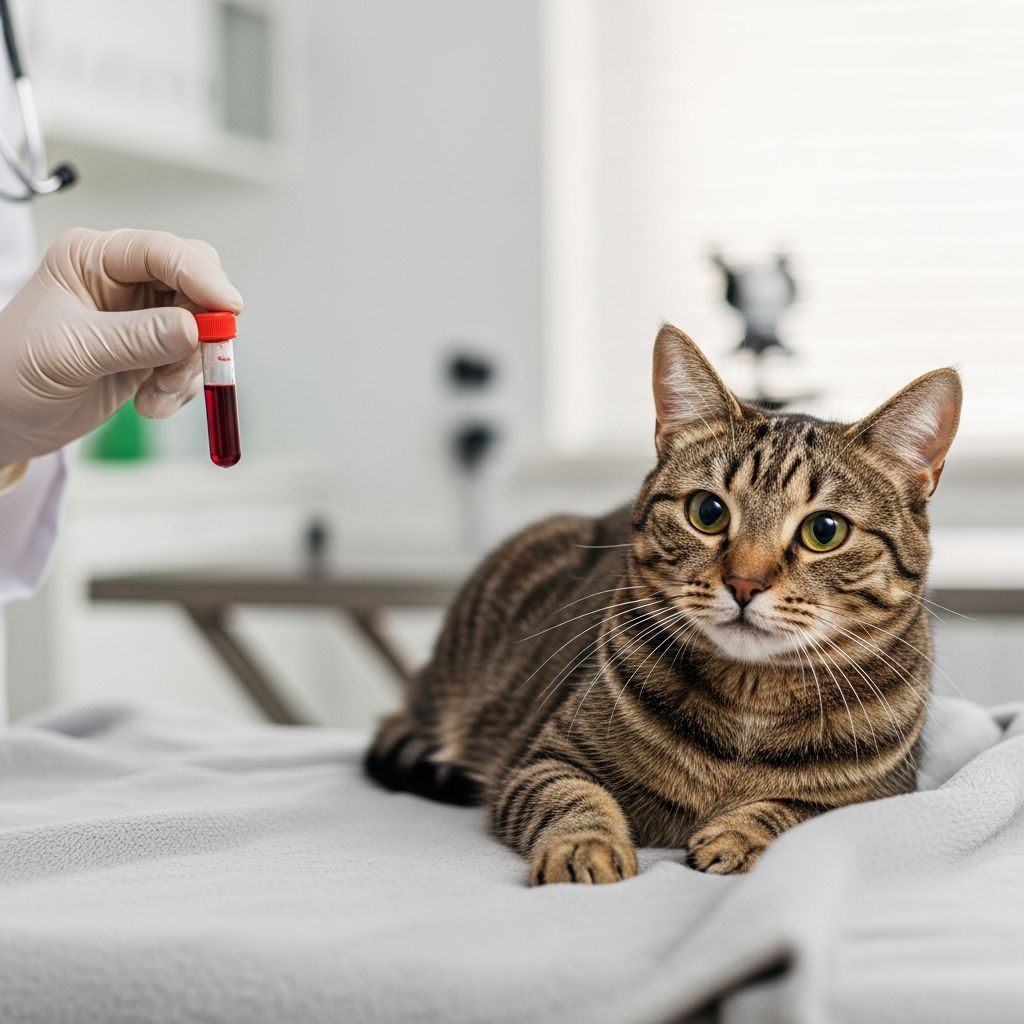
Blood tests are one of the most valuable diagnostic tools veterinarians have to assess your cat’s health. Whether your feline companion is a playful kitten, a healthy adult, or a senior in their golden years, understanding the importance and frequency of blood testing can help you make informed decisions about their preventive care. Regular blood tests can detect diseases early, often before your cat shows any visible signs of illness, enabling faster treatment and better outcomes.
Understanding the Importance of Feline Blood Tests
Blood tests provide veterinarians with crucial information about your cat’s internal health that cannot be determined through a physical examination alone. Many feline diseases are “silent” in their early stages, meaning they progress without obvious symptoms until they become advanced. Conditions like kidney disease, diabetes, hyperthyroidism, and liver problems can develop gradually, and early detection through blood work allows for prompt intervention and management.
Blood testing helps veterinarians diagnose or rule out serious conditions, allowing for quicker and more effective treatment. All cats should receive at least one blood test during their lifetime to screen for feline leukemia virus (FeLV) and feline immunodeficiency virus (FIV), two common viral diseases that can spread and sicken other cats in your household. These screening tests are particularly important before introducing new cats to your home.
Recommended Blood Test Frequency by Life Stage
How often your cat needs blood tests depends significantly on their age, existing health conditions, and lifestyle factors. A cat that spends time outdoors faces different health risks than an indoor cat, and these factors should influence your veterinarian’s recommendations. Understanding the frequency guidelines for each life stage helps you maintain optimal health monitoring for your companion.
Kittens and Young Cats
During your kitten’s first veterinary visit, your veterinarian will review their medical records and recommend initial blood testing. If your kitten hasn’t been tested for FeLV and FIV, this screening should be prioritized. Your vet will determine the best age to perform these tests, typically around 8 weeks of age, with follow-up testing at 12-16 weeks. Beyond retroviral testing, routine blood work during the kitten stage may include a complete blood count and biochemistry panel to establish baseline values for your growing cat’s health.
Adult Cats (1-7 Years)
Most veterinarians recommend blood testing at your cat’s annual wellness exam. During these annual visits, your veterinarian may recommend routine blood tests including a complete blood count and a biochemistry panel, depending on your cat’s age, health needs, and lifestyle. Even if your cat seems like the purr-fect picture of health, these annual screenings provide important baseline information and can catch early signs of disease before symptoms become apparent.
Senior Cats (7-10 Years and Older)
As your cat matures into their senior years, your veterinarian may recommend increasing the frequency of blood testing to twice yearly or even more frequently. This enhanced monitoring helps track your cat’s organ function as they age and allows early detection of problems. Senior cats are more prone to kidney disease, thyroid issues, and other age-related conditions, making regular blood work essential. Urine testing often accompanies senior blood work, providing additional insights into kidney function and other metabolic processes.
Cats with Chronic Health Conditions
Cats with special health needs require more frequent blood testing than healthy cats. If your cat has been diagnosed with hyperthyroidism, for example, they will need regular testing to monitor thyroid hormone levels and ensure medication is working effectively. Cats with diabetes, kidney disease, liver disease, or other chronic conditions benefit from blood work every 3-6 months, though this frequency may be adjusted based on disease stability and treatment response. Additionally, when starting or adjusting medication dosages, veterinarians typically recommend checking bloodwork 4-6 weeks after changes to ensure the treatment is effective.
Common Feline Blood Tests Explained
Several different blood tests are available for cats, each providing specific information about your feline’s health. Your veterinarian will recommend the most appropriate tests based on your cat’s age, symptoms, and health history.
Complete Blood Count (CBC)
A CBC checks the number, size, and type of your pet’s red blood cells, white blood cells, and platelets. This test can detect anemia, infections, blood disorders, and parasites. Abnormal CBC results may indicate various conditions requiring further investigation and treatment.
Biochemistry Profile or Basic Metabolic Panel (BMP)
A biochemistry profile examines your pet’s internal organ function, electrolyte levels, blood sugar, and certain enzyme levels. This comprehensive panel provides information about liver and kidney function, glucose metabolism, and other vital metabolic processes. It’s an essential component of routine health screening at any age.
Retroviral Testing
Cats need blood testing to rule out the retroviruses FeLV and FIV at least once in their lifetime, usually at their first veterinary exam. These tests are crucial before introducing new cats to your home to prevent disease transmission. Kittens and adult strays should receive this screening to ensure they don’t carry these serious viral infections.
Thyroid Panel
A thyroid panel checks your pet’s thyroid function. Thyroid problems, particularly hyperthyroidism, are common in senior cats. A veterinarian may recommend this test as your cat gets older, especially if symptoms like weight loss, increased appetite, or hyperactivity are observed.
Gastrointestinal (GI) Panel
This specialized test can detect abnormalities in the blood associated with diseases like pancreatitis, inflammatory bowel disease, and other digestive disorders. It’s particularly useful when cats show signs of gastrointestinal distress.
Allergy Testing
Blood tests are available to help identify environmental substances that may be causing your pet’s allergy symptoms. However, skin testing is typically recommended first as it is more sensitive and specific for environmental allergens.
Genetic Testing
Genetic testing can reveal your cat’s ancestry and determine whether they have any risks for genetic diseases. This is particularly useful for cats with known breed predispositions to certain health conditions.
What to Expect During Your Cat’s Blood Test
Blood tests are relatively simple diagnostic screenings that veterinarians commonly use to check a pet’s health. While your cat might not love the time spent on the exam table, it’s a quick and non-invasive way to rule out or diagnose many health problems. The veterinary technician will collect a small blood sample, usually from a vein in your cat’s leg or neck. The procedure takes only minutes, and most cats tolerate it well with minimal stress.
During the procedure, your cat may feel a slight pinch from the needle, but the process is generally painless and quick. Some cats remain calm throughout, while others may show mild anxiety. Your veterinary team is experienced in handling nervous cats and will work efficiently to minimize stress.
Understanding Blood Test Results
After your cat’s blood is collected, it will be analyzed either in your veterinarian’s in-house laboratory or sent to a reference laboratory for more detailed analysis. Results can be available within 30 minutes to a couple of days, depending on where the testing is performed and the complexity of the panels ordered. Your veterinarian will review the results with you and explain what they mean for your cat’s health.
Through routine bloodwork, veterinarians can monitor blood sugar trends over time to keep an eye on a cat developing diabetes, which can develop slowly and silently. Similarly, creatinine trends can alert your veterinary team to early signs of kidney disease, allowing for early intervention and management strategies.
The Complete Blood Count in Detail
A complete blood count shows the number, size, and type of your cat’s red blood cells, white blood cells, and platelets. High or low levels of these components may indicate anemia, infection, dehydration, or other health conditions. Your veterinarian will compare results to normal reference ranges to identify any abnormalities that require attention or follow-up testing.
Monitoring Medication Effectiveness
Another common time when a veterinarian will suggest blood testing for cats is to monitor whether a medication is working effectively. When a cat is being treated for hyperthyroidism or other conditions requiring medication management, blood tests help ensure the dosage is appropriate. After starting or adjusting medicine dosages, veterinarians typically like to check bloodwork in 4-6 weeks to assess treatment response and make any necessary adjustments.
Senior Cat Blood Testing Protocol
When cats enter their senior years—around 7-10 years old, depending on the breed—bloodwork becomes paramount in maintaining health and quality of life. Kidney disease and thyroid issues are particularly prevalent in older cats, and regular monitoring through blood tests combined with urine analysis provides the most comprehensive picture of your senior cat’s health. This proactive approach helps veterinarians catch age-related diseases early and manage them effectively.
Frequently Asked Questions
Q: Do cats need routine blood work?
A: Yes, cats need routine blood work every one or two years, or more often to screen for common diseases in senior cats. The frequency depends on your cat’s age, health status, and any chronic conditions.
Q: How long does it take to get the results of a cat’s blood test?
A: Cat blood work will be available within 30 minutes to a couple of days, depending on where you get it done. For more complex blood panels, your veterinarian may need an extra day or two to interpret the results thoroughly.
Q: When should I test my cat’s blood sugar?
A: If your cat shows symptoms of diabetes such as increased thirst, increased urination, or weight loss, your veterinarian will recommend blood sugar testing. Additionally, routine blood work including glucose levels is recommended during annual wellness exams and more frequently for senior cats.
Q: Can blood tests detect FeLV and FIV in cats?
A: Yes, retroviral blood tests are specifically designed to detect feline leukemia virus (FeLV) and feline immunodeficiency virus (FIV). These tests are recommended for all cats at least once in their lifetime, particularly at the first veterinary visit.
Q: Are there any risks associated with feline blood testing?
A: Blood testing is a safe, minimally invasive procedure. The small needle prick may cause minor discomfort, but serious complications are extremely rare. The benefits of early disease detection far outweigh the minimal risks.
Q: How should I prepare my cat for a blood test?
A: For most routine blood tests, no special preparation is needed. However, if fasting blood work is required for certain tests, your veterinarian will provide specific instructions. It’s helpful to keep your cat calm before the appointment by maintaining normal routines.
Creating a Blood Testing Schedule for Your Cat
Working with your veterinarian to establish an appropriate blood testing schedule tailored to your cat’s individual needs ensures comprehensive health monitoring throughout their life. During annual wellness exams, discuss your cat’s risk factors, lifestyle, and any health concerns that might warrant more frequent testing. Your veterinarian can recommend the most appropriate testing frequency and specific panels based on your cat’s unique circumstances.
By prioritizing regular blood tests as part of your cat’s preventive healthcare routine, you’re taking a proactive approach to their wellbeing. Early detection of diseases through blood testing can lead to earlier intervention, better treatment outcomes, and a longer, healthier life for your beloved feline companion.
References
- How Often Does My Cat Need A Blood Test? — Pumpkin Pet Insurance. 2024. https://www.pumpkin.care/post/cat-blood-test-how-often
- The ABCs of Cat Bloodwork: What Those Results Really Mean — AAHA (American Animal Hospital Association). 2024. https://www.aaha.org/resources/the-abcs-of-cat-bloodwork-what-those-results-really-mean
- Routine Health Care of Cats — Merck Veterinary Manual. U.S. Merck & Co. https://www.merckvetmanual.com/cat-owners/caring-for-cats/routine-health-care-of-cats
- What to Expect at Your Cat’s Annual Checkup — Vetstreet. https://www.vetstreet.com/our-pet-experts/what-to-expect-at-your-cats-annual-checkup
- How Often Should You Take a Cat to the Vet? — Tucson Veterinary Care. 2024. https://www.spanishtrailvet.com/site/blog/2024/07/15/how-often-take-cat-to-vet
Similar Articles








Read full bio of medha deb




