

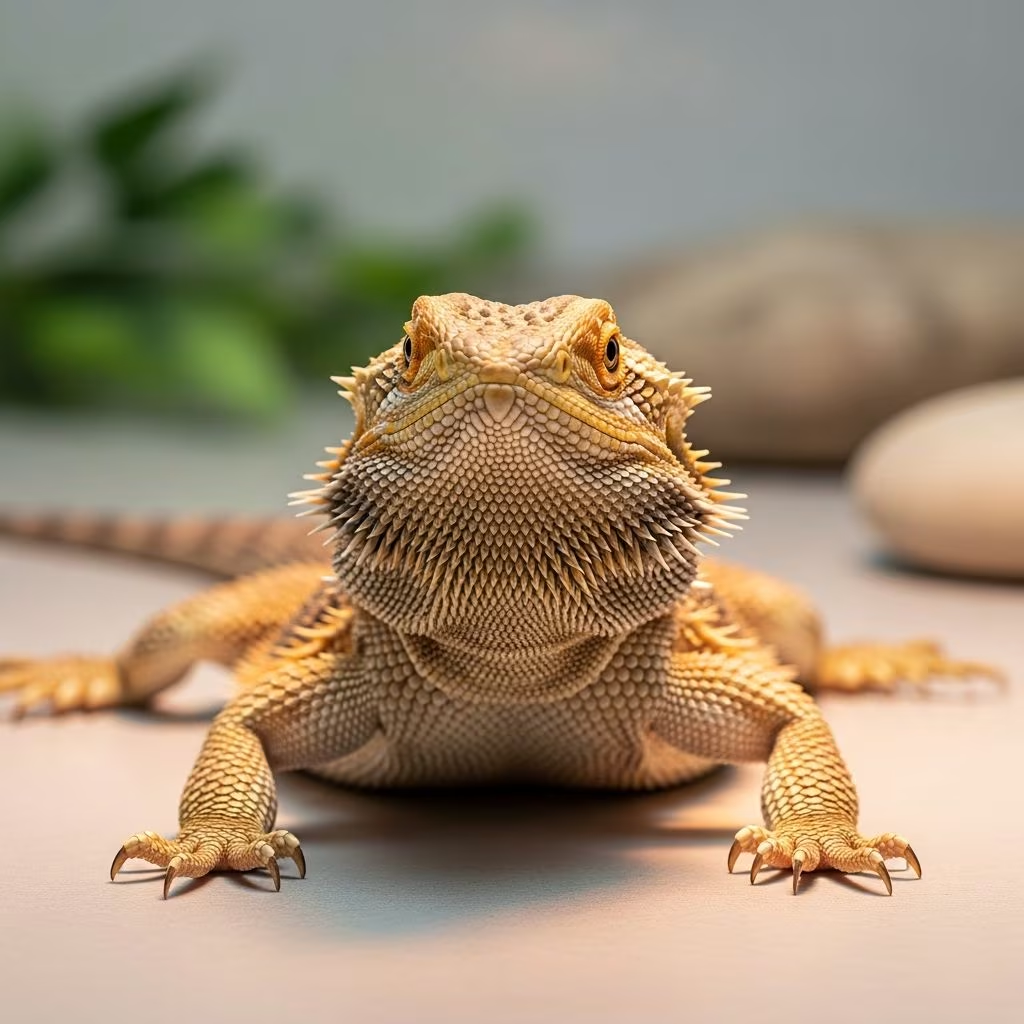
How Often Should a Bearded Dragon Poop?
Understanding your bearded dragon’s digestive habits is a crucial part of responsible pet ownership. While discussing poop might not be the most glamorous topic, the frequency, color, and consistency of your bearded dragon’s waste can reveal important information about their overall health and well-being. By learning what’s normal for your dragon at different life stages, you’ll be better equipped to spot potential health issues early and provide the best possible care.
Key Takeaways
- Poop frequency varies significantly with age—hatchlings poop multiple times daily while adults may only go a few times per week
- Diet composition directly influences digestive speed, with high-protein diets increasing frequency
- Environmental factors like temperature, lighting, and humidity play essential roles in regular bowel movements
- Monitor for warning signs such as no bowel movements for five to seven days or changes in appearance
- Healthy bearded dragon poop consists of brown stool and white or off-white urates
Bearded Dragon Poop Frequency by Age
One of the most important factors determining how often your bearded dragon poops is their age. Different life stages have different metabolic rates and dietary needs, which directly affect digestive frequency. Understanding what’s normal for each age group helps you recognize when something might be wrong.
Hatchlings (0–3 months)
Poop frequency: One to three times per day
Baby bearded dragons are metabolic powerhouses. During their first three months of life, hatchlings experience rapid growth and development, which requires significant energy and nutrients. Their bodies are processing food quickly to fuel this accelerated growth phase. Hatchlings typically consume a diet very high in protein, consisting primarily of insects like crickets and dubia roaches. Because of their fast metabolism and high protein intake, frequent bowel movements are completely normal and healthy. Don’t be alarmed if your young beardie seems to poop constantly—this is expected behavior for this age group.
Juvenile Bearded Dragons (4–12 months)
Poop frequency: One to three times per day to every other day
As bearded dragons enter the juvenile stage, their digestive systems begin to slow down slightly, though they’re still growing rapidly. Juveniles continue to eat a protein-rich diet but gradually transition to include more plant-based foods. This shift in diet composition and the slight slowing of their metabolism means juvenile beardies typically poop less frequently than hatchlings. It’s normal to see juveniles going once daily or every other day. You may notice some variation depending on how much they’re eating and their activity level, but daily or every-other-day bowel movements are still considered healthy at this stage.
Adult Bearded Dragons (12+ months)
Poop frequency: One to seven times per week
Fully mature bearded dragons, typically those over 12 months old, have significantly slower metabolisms compared to younger dragons. Adults eat less frequently and consume a diet that’s more balanced between insects and greens, with many adults actually eating more greens than insects. Because of these factors, adult dragons have a much wider range of normal poop frequency—anywhere from once daily to just a few times per week. Some active adults in warm environments may poop more frequently, while less active adults or those in cooler conditions may go several days between bowel movements. The key is learning what’s normal for your individual dragon.
Factors That Affect Bearded Dragon Poop Frequency
While age provides a general framework for understanding your bearded dragon’s digestive habits, several other important factors can influence how often they poop. Understanding these variables helps you recognize whether changes in frequency are normal or potentially concerning.
1. Diet
Diet has one of the most significant impacts on digestive frequency. The ratio of insects to vegetables in your dragon’s diet directly affects how often they poop. Bearded dragons eating primarily insects and protein will typically poop more frequently than those eating mostly greens. Foods with high water content, such as squash, leafy greens, and other vegetables, tend to result in more frequent bowel movements. Additionally, gut-loading your feeder insects and providing proper calcium dusting enhances digestion and can influence poop frequency. Sudden dietary changes can also temporarily alter your dragon’s normal poop schedule, so transitions between foods should be gradual.
2. Hydration
Proper hydration is essential for healthy digestion. Dehydrated bearded dragons often experience constipation and may not poop regularly. You can support your dragon’s hydration by misting vegetables, providing a water bowl, and bathing them regularly. Inadequate water intake can lead to impacted or constipated dragons, so ensuring your pet has access to water and consuming water through their food is crucial for maintaining regular bowel movements.
3. Temperature
Bearded dragons are ectothermic, meaning they rely on external heat sources to regulate their body temperature and metabolic rate. A properly heated enclosure with appropriate warm and cool zones supports optimal digestion. If your dragon’s habitat is too cold, their metabolism slows down significantly, which can reduce poop frequency or even cause constipation. The warm side of the enclosure should be between 95-110°F for proper digestion, while cooler areas can be around 75-80°F.
4. Lighting
UVB and UVA lighting are critical for bearded dragon health and digestion. These reptiles need 10-12 hours of proper lighting daily to maintain healthy metabolic functions. Inadequate or inconsistent lighting can disrupt their digestive patterns and overall health. UVB light helps dragons synthesize vitamin D3, which is essential for calcium absorption and proper body function. Without adequate lighting, digestion becomes irregular and various health problems can develop.
5. Stress
Environmental stress can significantly disrupt your bearded dragon’s digestive patterns. A new environment, relocation, loud noises, or excessive handling can cause stress-related changes in poop frequency. If your dragon suddenly stops pooping or shows changes in bowel habits, evaluate any recent changes in their routine or environment. Stress can be a contributing factor to digestive upset, so maintaining a calm, stable environment is important for healthy digestion.
6. Brumation
Brumation is a natural hibernation-like state that some adult bearded dragons enter, particularly during winter months. During brumation, dragons eat and move significantly less—or sometimes not at all—and may not poop for weeks or even months. This is a natural biological process and isn’t necessarily cause for concern if your dragon is otherwise healthy. However, it’s worth noting that brumation is relatively rare in captive bearded dragons, especially those maintained in consistent temperature and lighting conditions. If your dragon enters brumation, they’ll typically spend more time resting and may stop eating altogether.
Signs of Constipation or Impaction
While understanding normal poop frequency is important, recognizing signs of digestive problems is equally critical. Constipation and impaction are serious conditions that require prompt attention. If your bearded dragon hasn’t pooped in several days and shows any of the following symptoms, contact a reptile veterinarian immediately:
- Lethargy or unusual lack of energy and movement
- Swollen or visibly bloated belly
- Loss of appetite or refusing food
- Straining without producing stool or only producing minimal waste
- Hard mass or lump palpable in the abdomen
- Dragging hind legs or unusual posture
- General signs of discomfort or pain
Impaction is particularly serious in bearded dragons and can lead to severe health complications if left untreated. Common causes include inadequate hydration, incorrect temperatures, substrate impaction (especially with sand), insufficient fiber in the diet, and lack of exercise. If you suspect your dragon is impacted or constipated, seek veterinary care promptly rather than waiting to see if the condition resolves on its own.
What Does Healthy Bearded Dragon Poop Look Like?
Learning to recognize what healthy bearded dragon poop looks like is an important skill for any beardie owner. Normal bearded dragon waste consists of two distinct parts that often appear together:
The Stool
The stool portion should be brown in color and firm in consistency—though not rock hard. It typically has a log-like shape and should be well-formed. The texture should be relatively dry and compact.
The Urate
The urate is the white or off-white portion of the waste, which is essentially the reptile version of urine. In healthy bearded dragons, urates should be clearly visible and appear as a pasty white or cream-colored section attached to or near the stool. The presence of visible, white urates is actually a sign of good health in bearded dragons.
Warning Signs in Poop Appearance
Runny or Watery Stool: Runny poop may indicate diarrhea, dietary issues, parasites, or stress. If you’ve recently changed your dragon’s diet, some digestive upset is normal initially. However, if runny stool persists, it warrants investigation. Foods very high in water content can sometimes cause loose stools, so adjusting diet may help.
Foul Odor: While bearded dragon poop naturally has some odor, an unusually foul or pungent smell may indicate parasitic infection or other digestive issues requiring veterinary attention.
Greenish Tint: A greenish color may suggest dietary imbalances, stress, or gastrointestinal issues. This is worth monitoring and potentially discussing with your vet if it persists.
Red Streaks or Blood: Any presence of blood in the stool is a red flag requiring immediate veterinary attention. This could indicate internal bleeding, tears, or other serious conditions.
Black Poop: Black stool might indicate your dragon is consuming primarily insects with little plant matter. While this isn’t necessarily dangerous, it suggests diet rebalancing may be needed. However, if black poop persists after dietary adjustments, or if accompanied by foul odor, veterinary examination is warranted as it could indicate impaction or parasitic infection. Note that poop naturally darkens as it dries.
Frequently Asked Questions
Q: What should I do if my bearded dragon hasn’t pooped in five to seven days?
A: If your bearded dragon hasn’t had a bowel movement for five to seven days and shows other concerning signs like lethargy, loss of appetite, or a bloated belly, contact a reptile veterinarian immediately. This could indicate impaction, constipation, or another serious health issue requiring professional diagnosis and treatment.
Q: Can diet changes affect my bearded dragon’s poop frequency?
A: Yes, absolutely. Dietary changes can temporarily alter poop frequency and consistency. If you’re transitioning your dragon to a new diet, make changes gradually over several days. Sudden dietary shifts can cause digestive upset, including diarrhea or constipation.
Q: How does temperature affect my bearded dragon’s digestion?
A: Temperature significantly impacts bearded dragon metabolism. Cool environments slow digestion and metabolism, potentially reducing poop frequency or causing constipation. Maintaining proper basking temperatures (95-110°F) supports healthy digestive function.
Q: Is brumation concerning if my dragon stops pooping?
A: Brumation is a natural state where dragons eat and poop much less frequently or stop entirely for weeks or months. This is normal if your dragon is otherwise healthy and shows typical brumation signs like increased sleeping and reduced appetite. However, ensure your dragon is truly brumating and not impacted by consulting your vet if you’re unsure.
Q: What substrate should I use to prevent impaction?
A: Avoid loose substrates like sand, which can cause impaction if ingested. Better options include tile, paper towels, or reptile carpet. These materials are safer and easier to clean while still providing a comfortable surface for your dragon.
Q: How often should I clean my bearded dragon’s enclosure to prevent parasites?
A: Daily cleaning of waste and spot cleaning of soiled areas is recommended. Complete enclosure cleaning should be done regularly. Additionally, routine veterinary testing every 3-6 months helps monitor for parasitic infections, especially for dragons with previous positive tests.
Maintaining Your Bearded Dragon’s Digestive Health
Supporting your bearded dragon’s digestive health requires attention to multiple factors. Keep your dragon hydrated by misting vegetables, providing water bowls, and offering regular baths. Maintain proper environmental temperatures with a warm basking area and cooler retreat zones. Provide adequate UVB lighting for 10-12 hours daily. Feed a balanced diet appropriate for your dragon’s age, incorporating both insects and vegetables. Ensure regular activity and exercise, which naturally supports healthy digestion. Finally, maintain a calm, stress-free environment and keep the enclosure clean.
When to Contact Your Veterinarian
While variations in poop frequency are normal, certain situations warrant veterinary attention. Contact a reptile veterinarian if your dragon hasn’t pooped for five to seven days, shows signs of impaction or constipation, produces abnormal-looking poop consistently, exhibits behavioral changes alongside digestive changes, or if you’re simply uncertain about what’s normal. Your exotic vet can provide professional guidance and help rule out underlying health issues.
Final Thoughts
Understanding your bearded dragon’s poop schedule is an essential aspect of responsible pet ownership. By learning what’s normal for your dragon’s age and recognizing individual patterns, you’ll be well-equipped to spot potential health problems early. Remember that poop frequency varies considerably—baby beardies poop multiple times daily, juveniles typically go daily or every other day, and healthy adults may only poop a few times per week. Pay attention to your dragon’s habits, diet, environment, and overall behavior. By keeping your dragon well-hydrated, active, and warm, you support regular digestion and good health. When in doubt about your bearded dragon’s digestive health, always reach out to a qualified reptile veterinarian for professional guidance and peace of mind.
References
- How Often Should a Bearded Dragon Poop? — Chewy Education. 2025. https://www.chewy.com/education/reptile-and-amphibian/bearded-dragon/how-often-should-a-bearded-dragon-poop
- How Often Do Bearded Dragons Poop? Vet-Verified Facts & FAQ — Hepper. 2025. https://articles.hepper.com/how-often-do-bearded-dragons-poop/
- Why is my bearded dragon not pooping? — PALS Vet Lab. 2023-04-18. https://palsvetlab.co.uk/2023/04/18/why-is-my-bearded-dragon-not-pooping/
- Bearded Dragon Poop: Everything You’ve Ever Wanted to Know — A-Z Animals. 2025. https://a-z-animals.com/animals/bearded-dragon/bearded-dragon-facts/bearded-dragon-poop/



