

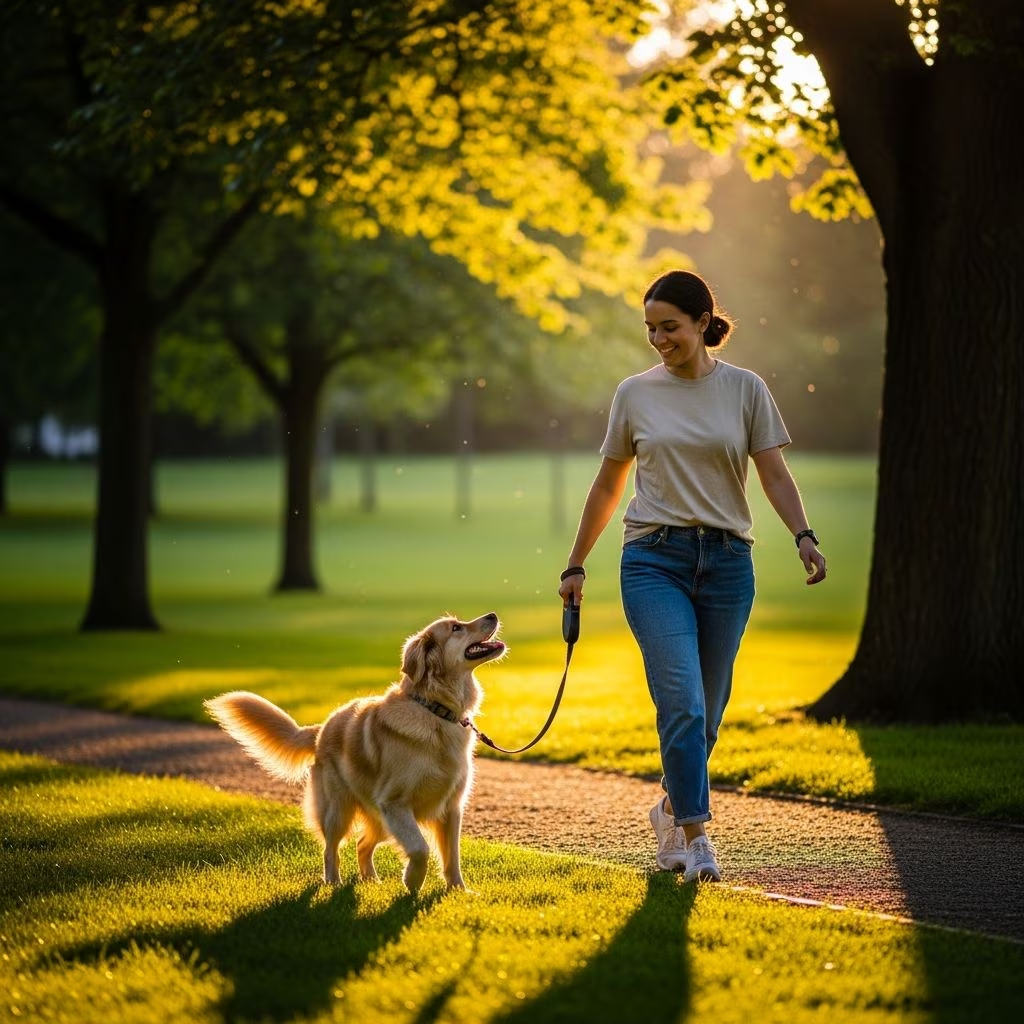
Dog walking is essential for your pet’s physical health, mental stimulation, and overall happiness. But determining the right frequency depends on several factors like age, breed, energy levels, and health conditions. While there’s no universal rule, most dogs benefit from at least one dedicated walk per day, separate from bathroom breaks. This guide breaks down recommendations, drawing from veterinary insights and studies to help you tailor a routine that keeps your furry friend thriving.
Why Walking Matters for Dogs
Regular walks provide far more than just exercise. They offer mental enrichment through sniffing, exploring new scents, and navigating environments, which satisfies a dog’s natural instincts. Walks also strengthen the bond between you and your dog, fostering trust and companionship. A study of 276 dog-owning households in the UK found that 77.9% walked their dogs at least once daily, with walks typically lasting 16-60 minutes, highlighting walking as a cornerstone of dog care.
Beyond physical benefits like maintaining healthy weight and muscle tone, walks promote cardiovascular health and reduce behavioral issues like boredom-induced chewing or excessive barking. For owners, dog walking encourages personal fitness and social interactions, as evidenced by research showing increased casual conversations with neighbors and other walkers. Dogs walked daily were more likely to interact with familiar people and dogs, enhancing community ties (OR=4.56 for seeing recognizable dogs and owners).
Factors to Consider for Your Dog’s Walking Routine
No two dogs are alike, so customize walks based on these key factors:
- Age: Puppies need frequent short outings for potty training and socialization; adults require consistent exercise; seniors benefit from gentle, regular strolls.
- Breed and Size: High-energy breeds like Border Collies demand more time; small or brachycephalic breeds may tire faster.
- Energy Level and Temperament: Hyperactive dogs pull or chase; laid-back ones are content with neighborhood loops.
- Health and Fitness: Overweight dogs need gradual increases; those with arthritis prefer multiple short walks.
- Weather and Environment: Adjust for heat, cold, or urban vs. rural settings.
Assess your dog’s enthusiasm: Persistent pulling signals more exercise needed, while lagging or heavy panting indicates rest.
Walking Guidelines by Age
Tailor frequency and duration to life stage for optimal results.
Puppies (8 Weeks to 1 Year)
Puppies require the most outings: 3-5 bathroom breaks daily plus 1-2 structured walks. Limit each to 5 minutes per month of age (e.g., 20 minutes at 4 months) to protect developing joints. Focus on socialization—expose them safely to new sights, sounds, and people. By 6 months, aim for two 20-30 minute walks, incorporating basic training with positive reinforcement. Over-exercising risks growth plate damage, so prioritize play and short explorations.
Adult Dogs (1-7 Years)
Most adults thrive on 1-2 walks totaling 30-60 minutes daily. High-energy working breeds (e.g., Labs, Huskies) may need 90+ minutes, split into morning and evening sessions. Sedentary breeds like Bulldogs suffice with 20-30 minutes. A UK study showed average walks of 16-60 minutes, with 82.5% of daily-walked dogs maintaining good fitness. Include variety: off-leash areas for herding breeds, scent games for hounds.
Senior Dogs (7+ Years)
Seniors need 1-2 gentle walks of 15-30 minutes to combat stiffness and obesity. Shorter, frequent outings preserve joint health better than long hauls. Watch for arthritis signs—opt for soft surfaces and supportive harnesses. Hydration and shade are crucial; many seniors enjoy slower neighborhood ambles that double as sniffing sessions.
Breed-Specific Walking Needs
Breeds evolved for different purposes, influencing exercise demands. Use this table for quick reference:
| Breed Type | Daily Walk Time | Frequency | Notes |
|---|---|---|---|
| High-Energy (e.g., Border Collie, Siberian Husky) | 60-120 minutes | 2-3 walks | Mental games essential; prone to destructive behavior if under-exercised. |
| Medium-Energy (e.g., Labrador, Golden Retriever) | 45-60 minutes | 1-2 walks | Swimming or fetch boosts endurance. |
| Low-Energy (e.g., Bulldog, Shih Tzu) | 20-30 minutes | 1-2 walks | Avoid heat; short bursts prevent overweight. |
| Working/Herding (e.g., German Shepherd) | 90+ minutes | 2 walks + training | Needs jobs like agility. |
Small breeds often need less distance but equal frequency to avoid obesity. Large breeds benefit from longer outings to stretch limbs.
Signs Your Dog Needs More (or Fewer) Walks
Observe behavior to fine-tune:
- More Walks Needed: Destructive chewing, hyperactivity, pulling on leash, begging for play, weight gain.
- Fewer/Lighter Walks: Excessive panting, limping, lagging, sleeping all day, age-related fatigue.
- Energy Indicators: Zoomies post-walk mean insufficient exercise; calm settling signals balance.
Track with a journal: Note duration, behavior before/after, and adjust weekly.
How to Make Walks More Enjoyable and Effective
Enhance routine for maximum benefit:
- Vary Routes: New paths prevent boredom; 69.4% of owners walk same spots daily, but mixing boosts interest.
- Incorporate Training: Use positive reinforcement—reward sits/heels with treats (1:3 ratio initially, up to 1:10).
- Socialize Safely: Group walks increase frequency (OR=3.20); leashed greetings build manners.
- Accessories: Harness for pullers, poop bags, water bottle, toys for fetch.
- Weather Tips: Early mornings/evenings in heat; booties for ice. Indoor alternatives like puzzle toys for extreme weather.
Alternatives When Walks Aren’t Possible
Bad weather or injury? Supplement with:
- Backyard play/fetch.
- Indoor training sessions (2-5 mins, twice daily).
- Treadmill (supervised, breed-appropriate).
- Mental games: Kongs, scent work.
Owners reported garden play ‘often’ by 70.7%, a viable alternative.
Dog Walking and Human Health Benefits
Dogs motivate owners: 36.4% got dogs for exercise. Walks spark social ties—62.7% see familiar walkers daily. Mentally, they reduce anxiety via casual chats. Families bond during group walks, building teamwork.
Frequently Asked Questions
Can I walk my dog too much?
Yes, overexertion causes joint strain, especially in puppies/seniors. Follow age guidelines and monitor fatigue.
How long should puppy walks be?
5 minutes per month of age, up to 30 minutes twice daily by adulthood.
What if my dog hates walks?
Build positive associations with treats/toys; start short. Consult a trainer for fear issues.
Do small dogs need walks?
Absolutely—daily 20-30 minutes prevents obesity and boredom.
Is off-leash time enough?
No, leashed walks provide structure and safety; combine both.
References
- Factors associated with daily walking of dogs — Westgarth C, et al. 2015-05-20. https://pmc.ncbi.nlm.nih.gov/articles/PMC4435921/
- How Many Walks Does Your Dog Really Need? — Kinship/Abby Schulte (YouTube). Accessed 2026. https://www.youtube.com/watch?v=h-7hv5mKwHI
- 6 Ways Your Dog Improves Your Social Life — Kinship. Accessed 2026. https://www.kinship.com/dog-lifestyle/ways-your-dog-improves-your-social-life
- How to use Positive-Reinforcement to Train Your Dog — Kinship. Accessed 2026. https://www.kinship.com/dog-behavior/positive-reinforcement-dog-training
- 8 fun ways to keep your dog entertained indoors — KEYT/Sticker Lifestyle. 2026-01-06. https://keyt.com/lifestyle/stacker-lifestyle/2026/01/06/8-fun-ways-to-keep-your-dog-entertained-indoors-when-its-freezing-outside/



