

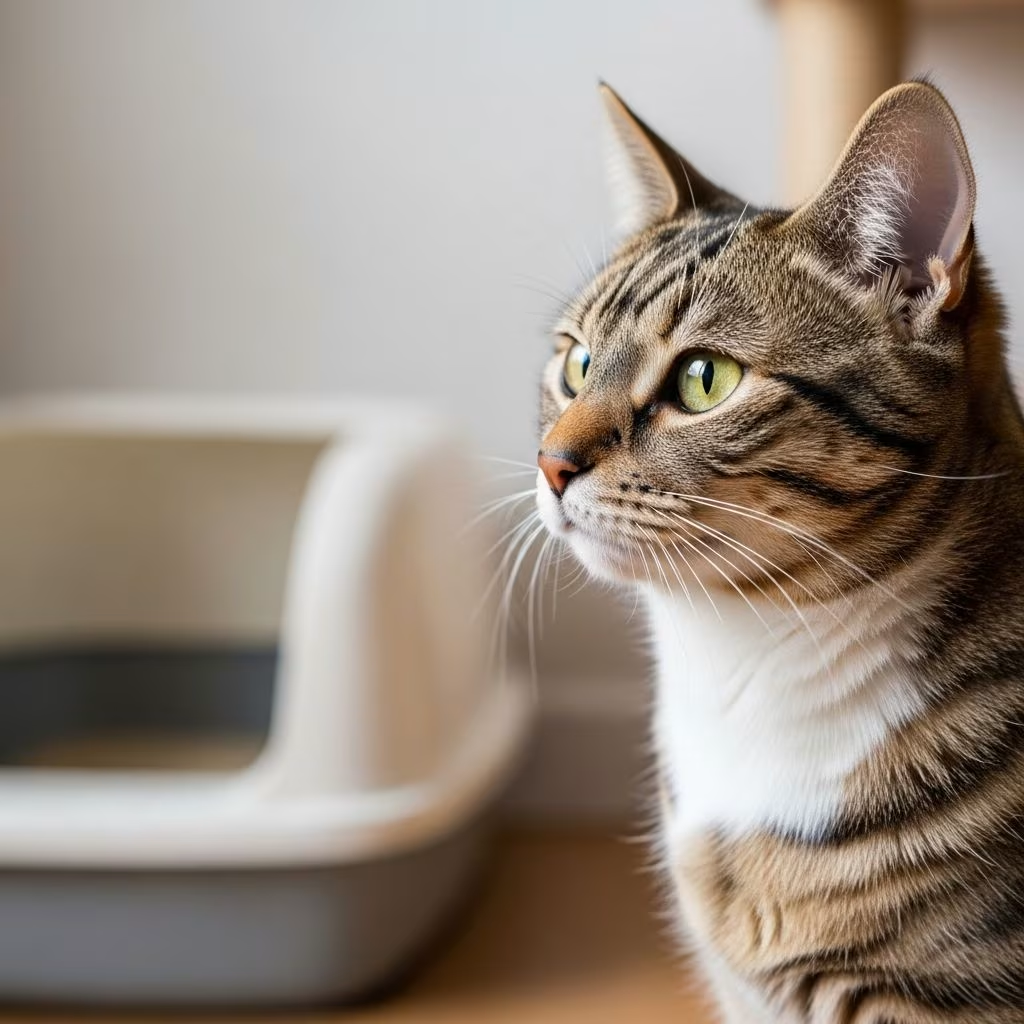
Understanding your cat’s urination habits is essential for monitoring their health. Healthy adult cats typically pee **2-4 times per day**, but factors like age, diet, and hydration can influence this frequency. Changes in peeing patterns often signal underlying issues such as urinary tract infections (UTIs), diabetes, or kidney disease, making litter box observation a key part of pet care.
How Often Should a Cat Pee?
The baseline for a healthy adult cat is **2-4 urination episodes every 24 hours**. This equates to roughly 3-6 clumps in clumping litter daily, combining pee and poop. Consistency is crucial; sudden increases or decreases warrant attention.
- Normal urine characteristics: Pale yellow to amber color, mild odor, golf-ball to tennis-ball sized clumps.
- Daily poop baseline: 1-2 times per day, well-formed and brown.
Kittens wee more frequently due to smaller bladders—up to 4-6 times daily post-weaning—as long as urine remains pale and pain-free. Senior cats (7+ years) may pee more due to aging kidneys, but excessive changes need veterinary evaluation.
Factors Affecting How Often Cats Pee
Several variables impact urination frequency beyond the standard range.
Diet Influence
Cats on wet food diets urinate more often and produce larger urine volumes due to higher moisture intake, leading to bigger litter clumps. Dry kibble-fed cats pee less frequently as their bodies conserve water.
Hydration and Environment
In hot weather or post-play, increased drinking leads to more peeing. Dehydration results in darker, less frequent urine. Stress from dirty boxes, moves, or pets can cause holding urine or stress-induced cystitis, increasing frequency.
Age-Specific Patterns
| Life Stage | Typical Pee Frequency | Notes |
|---|---|---|
| Kittens (weaned) | 4-6 times/day | Small bladders; monitor for pale urine. |
| Adults | 2-4 times/day | Standard healthy range. |
| Seniors (7+ years) | 2-4+ times/day | Often more due to kidney changes; check for disease. |
Signs Your Cat Is Peeing Too Much (Polyuria/Polydipsia)
Peeing too much involves high volume and frequency (4+ times/day with large clumps), often linked to metabolic issues.
- Giant ‘tennis ball’ clumps or box flooding.
- Causes: Diabetes (increased thirst/urine production), chronic kidney disease, hyperthyroidism.
- One study notes average output of 28 ml/kg daily (~1/2 cup for 10lb cat).
Signs of Peeing Too Little or With Difficulty (Oliguria/Pollakiuria)
Pollakiuria (frequent small amounts) or straining indicates irritation or obstruction.
- Tiny drops, 10+ visits/day, straining/yowling.
- Causes: UTIs, bladder stones, crystals, urethral blockage (emergency in males).
| Symptom | Description | Likely Cause | Urgency |
|---|---|---|---|
| High Volume (Polyuria) | Large clumps, flooding | Diabetes, Kidney Disease | Vet in 24-48 hrs |
| High Frequency (Pollakiuria) | Tiny drops, straining | UTI, Stones, Blockage | Emergency |
| Blood in Urine | Pink/red/orange | Infection, Stones | Immediate |
| Straining, No Urine | Entering box repeatedly, nothing out | Blockage | Life-threatening |
Other red flags: Dark/cloudy urine, strong odor, outside-box accidents, vomiting/lethargy.
When to Call the Vet
Monitor for 24 hours; persistent changes need a vet visit.
- Non-emergency (24-48 hrs): Increased frequency/volume, mild straining, color changes.
- Emergency (now): Straining with no urine (blockage fatal in 24-48 hrs, especially males), blood, collapse.
Urine tests, bloodwork, or imaging diagnose issues like UTIs (antibiotics) or diabetes (insulin/diet).
How to Monitor Your Cat’s Peeing Habits
Daily litter scooping reveals patterns. Note:
- Clump count/size.
- Color/odor.
- Box visits/behavior.
- Water intake/appetite.
Multiple boxes aid tracking in multi-cat homes. Cleanliness reduces stress-related issues.
Frequently Asked Questions (FAQs)
Do senior cats pee more often?
Yes, seniors often pee more due to kidney aging, but giant volumes signal diabetes or disease—vet check recommended.
Why is my cat peeing so much?
Excessive peeing (polyuria) often stems from diabetes, kidney issues, or high-moisture diet. Monitor thirst.
How often should kittens pee?
Weaned kittens pee 4-6 times daily; normal if urine is pale and they’re not in pain.
Is blood in cat urine an emergency?
Yes, pink/red urine indicates infection or stones—seek immediate care.
Can stress affect cat urination?
Absolutely; stress causes holding or frequent small pees via cystitis.
Preventing Urinary Issues in Cats
Promote health with:
- Wet food for hydration.
- Fresh water sources (fountains).
- Clean, multiple litter boxes (n+1 rule for n cats).
- Stress reduction (pheromones, play).
- Regular vet checkups, especially seniors.
Early detection via litter habits can prevent emergencies like blockages.
References
- How Often Do Cats Pee? Normal Frequency & Health Signs — LadyNPet. 2023. https://ladynpet.com/us/blog/how-often-do-cats-pee/
- How Often Should a Cat Urinate? — Under the Weather Pet. 2023. https://www.undertheweatherpet.com/blogs/under-the-weather/how-often-should-a-cat-urinate
- Litter Box Troubles: What’s Normal and What’s a Vet Visit — Catonsville Cat Clinic. 2023. https://www.catonsvillecatclinic.com/holmes-corner/litter-box-troubles-whats-normal-and-whats-a-vet-visit-waiting-to-happen/
- Frequent Urination in Cats: Causes and Treatment — PetCareRx. 2023. https://www.petcarerx.com/article/frequent-urination-in-cats-causes-and-treatment/6706
- Why is My Cat Peeing so Much? (Polyuria) — Pet Health Network. 2023. https://www.pethealthnetwork.com/cat-health/cat-diseases-conditions-a-z/why-my-cat-peeing-so-much-polyuria



