

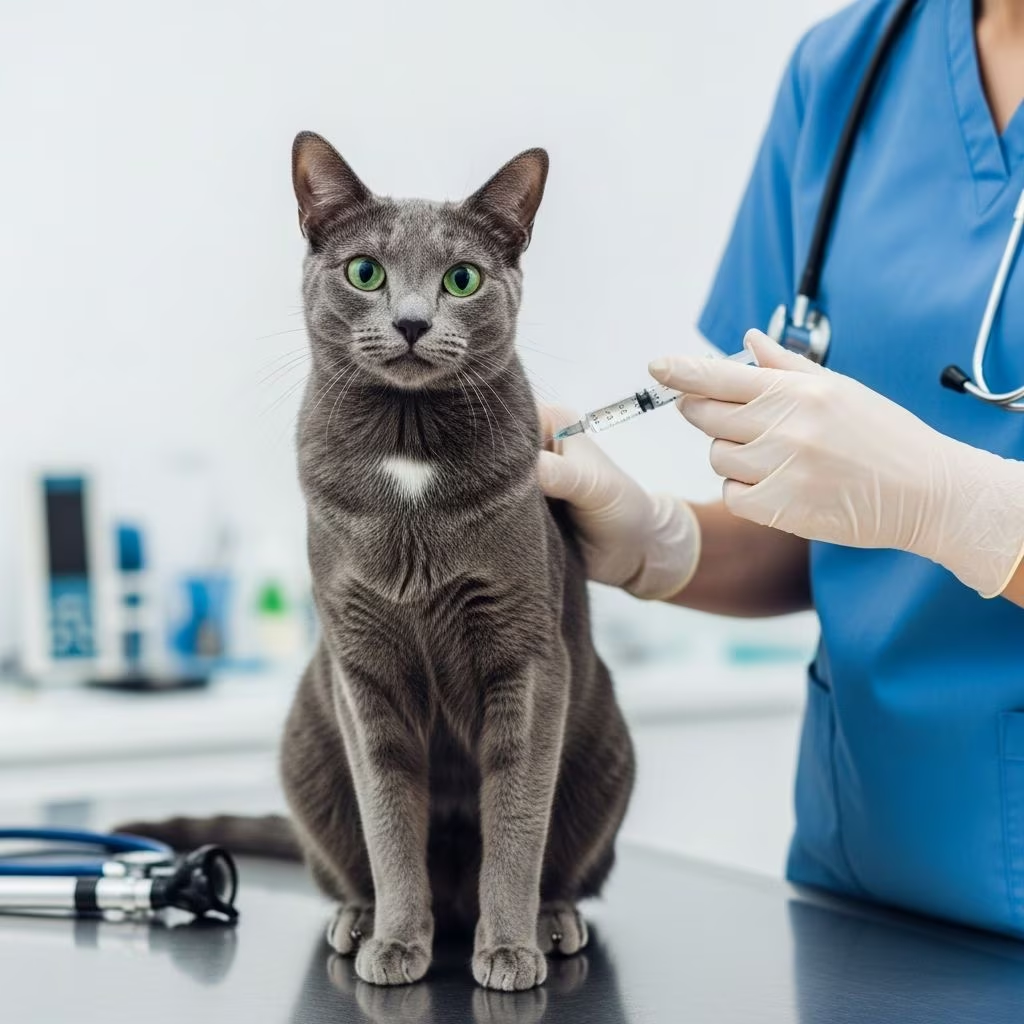
Keeping your cat healthy requires a proactive approach to preventative care, including vaccinations, parasite control, dental hygiene, and regular wellness exams. Vaccines protect against deadly diseases like rabies, feline panleukopenia, and leukemia, while other treatments prevent fleas, worms, and dental issues that affect quality of life. Schedules vary by age, lifestyle (indoor vs. outdoor), and local laws, so consult your veterinarian for a tailored plan.
Why Preventative Care Matters for Cats
Preventative treatments form the foundation of feline health, reducing disease risk, catching issues early, and extending lifespan. Core vaccines target highly contagious, severe illnesses, while non-core ones address lifestyle risks. Kittens need frequent boosters due to maternal antibody interference, while adults require maintenance shots every 1-3 years. Beyond vaccines, flea/tick preventatives, deworming, and nutrition checks prevent common problems like anemia, obesity, and heartworm.
Neglecting these can lead to costly emergencies; for instance, untreated fleas cause itching and tapeworms, while panleukopenia (distemper) has a 90% mortality rate in kittens. Vets use risk-based protocols from guidelines like AAHA to customize care.
Understanding Cat Vaccines: Core vs. Non-Core
Cat vaccines divide into **core** (recommended for all cats) and **non-core** (lifestyle-dependent). Core vaccines include:
- FVRCP: Protects against feline viral rhinotracheitis (FVR/herpesvirus-1), calicivirus (FCV), and panleukopenia (FPV/distemper). Highly contagious respiratory and gastrointestinal diseases.
- Rabies: Zoonotic (transmissible to humans), legally required in most areas. Fatal once symptoms appear.
Non-core include FeLV (feline leukemia virus) for outdoor or multi-cat households, as it causes cancer and immunosuppression.
| Vaccine | Type | Diseases Prevented | Frequency (Adults) |
|---|---|---|---|
| FVRCP | Core | FVR, FCV, FPV | Every 3 years (indoor); yearly (outdoor/senior) |
| Rabies | Core | Rabies virus | 1-3 years (per law/brand) |
| FeLV | Non-core | Leukemia virus | Yearly (high-risk); every 2-3 years (low-risk) |
Kitten Vaccination Schedule
Kittens start vaccines at 6-8 weeks, with boosters every 3-4 weeks until 16-20 weeks. Maternal antibodies wane, but early shots build immunity. Missing windows may require restarting the series.
Typical schedule:
- 6-8 weeks: FVRCP (1st dose), FeLV (1st for kittens).
- 10-12 weeks: FVRCP booster, FeLV booster, Rabies (if 12+ weeks).
- 14-16 weeks: FVRCP final booster, FeLV (if needed), Rabies.
- 1 year: All boosters (FVRCP, Rabies, FeLV).
Administer 7-10 days before stressors like boarding. Use MLV (modified live virus) for strong response, but avoid in pregnant cats.
Adult and Senior Cat Vaccination Schedule
Adults (1+ year) need boosters every 1-3 years based on risk. Indoor cats: FVRCP/Rabies every 3 years. Outdoor/high-risk: Yearly FVRCP/FeLV.
- FVRCP: Every 3 years (low-risk indoor); annually (outdoor, young, senior).
- Rabies: 1 or 3 years per state law and vaccine brand.
- FeLV: Annually post-kitten series for at-risk cats; every 2 years low-risk.
Seniors may need more frequent checks due to waning immunity. Titer tests can assess antibody levels for some vaccines, reducing over-vaccination.
Other Essential Preventative Treatments
Flea, Tick, and Heartworm Prevention
Monthly topicals/orals/injectables kill fleas, ticks, mosquitoes (heartworm vector). All cats need them; even indoors, fleas hitchhike. Heartworm is fatal and increasing.
- Start at 8 weeks.
- Year-round in warm climates.
- Options: Spot-ons (e.g., Revolution), collars, pills.
Deworming Protocols
Kittens: Every 2 weeks until 8 weeks, then monthly to 6 months. Adults: 2-4 times/year or fecal-tested.
Targets roundworms, hookworms, tapeworms. Common in nursing queens to kittens.
Dental Care
85% of cats over 3 have dental disease. Annual exams, brushing, dental diets, or cleanings under anesthesia prevent tooth resorption and pain.
Spay/Neuter and Microchipping
Spay/neuter at 4-6 months prevents cancers, roaming, litters. Microchip for lost pets.
Wellness Exams and Testing
Annually for adults, twice/year seniors. Includes bloodwork, urinalysis, blood pressure for early kidney/thyroid detection.
Nutrition and Weight Management
Life-stage diets; monitor obesity (60% cats). Special for urinary, renal issues.
Frequently Asked Questions (FAQs)
What shots do cats need?
Core: FVRCP and Rabies. Non-core: FeLV for high-risk cats.
How often do kittens need shots?
Every 3-4 weeks from 6-16 weeks, then 1-year boosters.
Do indoor cats need vaccines?
Yes, every 3 years for core vaccines; rabies per law.
Are FeLV vaccines necessary for all cats?
No, risk-based: essential for outdoor/kittens, optional indoor adults.
How often should cats get dewormed?
Kittens frequently until 6 months; adults 2-4x/year.
What’s the rabies vaccine schedule?
First at 12-16 weeks, then 1-3 years based on laws.
Final Thoughts on Cat Preventative Care
Tailor schedules with your vet considering lifestyle, location, and health. Adherence prevents suffering and saves money long-term. Track via apps or records.
References
- Vaccine Schedules for Cats & Kittens — Small Door Veterinary. 2024. https://www.smalldoorvet.com/learning-center/wellness/cat-kitten-vaccine-schedules
- Feline Vaccination Schedules — Byram Animal Hospital. 2024. https://www.byramanimal.com/feline-vaccination-schedules
- Cat Vaccinations: What Vaccines Do Cats Need? — PetMD. 2024. https://www.petmd.com/cat/general-health/cat-vaccinations-what-vaccines-do-cats-need
- Vaccination Guidelines — Methow Valley Vet Hospital. 2024. https://www.methowvalleyvethospital.com/vaccination-guidelines
- Vaccines for Cats — VCA Animal Hospitals. 2024. https://vcahospitals.com/know-your-pet/vaccines-for-cats
- Feline Vaccination Schedules — Forest Hill Animal Hospital. 2024. https://www.foresthillanimalhospital.com/feline-vaccination-schedules
- Feline Vaccination Schedule for General Practice — AAHA. 2019 (authoritative guideline). https://www.aaha.org/wp-content/uploads/globalassets/02-guidelines/feline-vaccination-guidlines/feline-vaccine-table.pdf



