

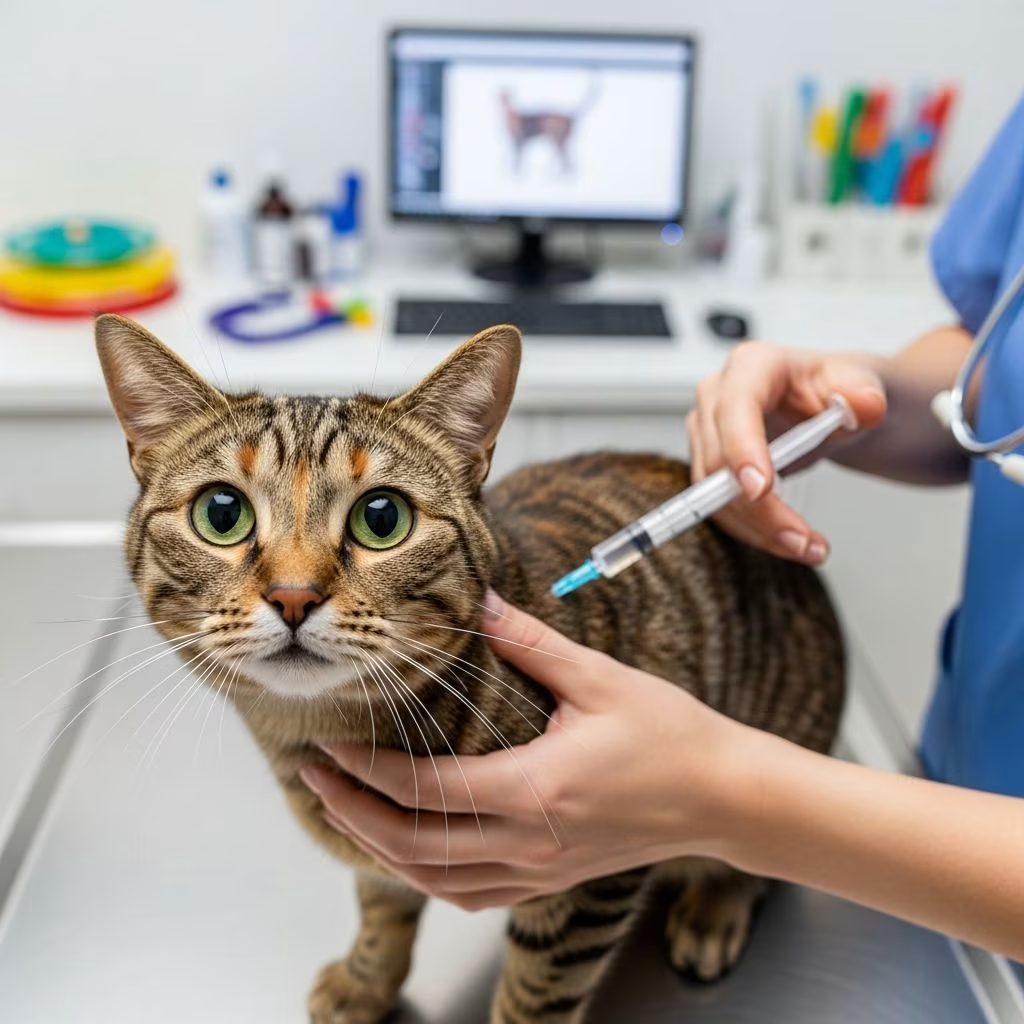
Rabies is a fatal viral disease that affects the nervous system of mammals, including cats and humans, making vaccination a critical aspect of feline health care. Cats require rabies shots starting at around 12-16 weeks of age, with boosters typically every one to three years depending on the vaccine type and local laws.
The rabies vaccine protects against a virus transmitted through bites from infected animals like bats, raccoons, and foxes. Even indoor cats need this vaccine due to legal requirements and rare escape risks. Understanding the schedule ensures compliance and safety.
Why Do Cats Need Rabies Vaccinations?
Rabies vaccinations are essential because the disease is nearly 100% fatal once symptoms appear, causing neurological damage, aggression, paralysis, and death. In cats, it poses a zoonotic risk, meaning it can transmit to humans via bites or scratches.
Public health mandates these shots to prevent outbreaks. The virus survives in saliva and spreads easily in wildlife populations. Vaccinating cats safeguards pets, families, and communities. Indoor cats, though lower risk, must comply with laws as escapes or exposures via open windows can occur.
- Public Safety: Prevents human infections; proof required for licensing or travel.
- Pet Protection: Builds immunity against deadly virus.
- Legal Compliance: Avoids fines, quarantines, or euthanasia post-bite incidents.
Rabies Vaccination Schedule for Cats
The standard schedule begins with kittens receiving their first dose at 12-16 weeks (3-4 months), followed by a one-year booster. Subsequent boosters are every 1-3 years based on vaccine type and state regulations.
| Age/Stage | Vaccine | Frequency |
|---|---|---|
| Kittens (12-16 weeks) | Initial Rabies | One dose |
| 1 Year Later | Booster | Required |
| Adults (After Booster) | 1-Year or 3-Year Vaccine | Every 1-3 years per law/vaccine |
Veterinarians tailor schedules considering lifestyle (indoor vs. outdoor), health, and exposure risk. Outdoor cats may need more frequent boosters.
Initial Vaccination for Kittens
Kittens get their first rabies shot at 12-16 weeks when maternal antibodies wane, allowing effective immunization. This timing aligns with other core vaccines like FVRCP.
Delaying risks exposure during exploratory phases. Post-vaccination, monitor for 30-45 minutes for reactions.
One-Year Booster
The booster at one year strengthens immunity. It’s mandatory before the 3-year vaccine eligibility in many areas.
Adult Cat Boosters: 1-Year vs. 3-Year Vaccines
After the initial series, choose between 1-year (annual boosters) or 3-year vaccines. 3-year options are common for low-risk indoor cats over 1 year, reducing vet visits.
State laws dictate maximum intervals; vets select based on brand efficacy and cat age. Under 9 years, 3-year vaccines minimize reaction risks.
Legal Requirements for Rabies Vaccinations in Cats
Every U.S. state requires rabies vaccines for cats, with specifics varying by locality. Generally: initial at 12-16 weeks, 1-year booster, then 1-3 years.
In Colorado (Broomfield), it’s 12-16 weeks initial, 1-year booster, then 3-year. Non-compliance post-bite leads to quarantine (up to 6 months), fines, or euthanasia.
Proof via certificate is needed for licensing, boarding, grooming, or travel. Indoor cats aren’t exempt; laws apply universally.
- Federal oversight via USDA-approved vaccines.
- Local variations: Check county health departments.
- International travel requires USDA Health Certificate.
Types of Rabies Vaccines for Cats
Two primary types: recombinant (e.g., PureVax) and killed virus vaccines. 1-year versions for initial/high-risk; 3-year for ongoing protection.
1-Year Vaccine: Shorter immunity duration; used for kittens or per strict laws.
3-Year Vaccine: Longer-lasting; preferred for adults to minimize injections.
Both are safe, effective; vets choose based on guidelines from AAHA or AVMA.
What Happens If My Cat Misses a Rabies Shot?
Missing a dose compromises immunity, risking infection. Revaccinate ASAP; no need to restart series if within grace periods (often 30-90 days).
Post-miss, if bitten, stricter quarantine applies. Maintain records; digital apps help track. Vets send reminders.
Rabies Vaccine Side Effects in Cats
Most cats tolerate vaccines well, but side effects occur in 1-2%:
- Mild: Soreness, lethargy, mild fever (24-48 hours).
- Severe (Rare): Anaphylaxis (swelling, vomiting, breathing issues)—seek emergency care.
- Long-Term: Injection-site sarcomas (0.01-0.1%), more with killed vaccines; use non-adjuvanted for at-risk cats.
Monitor 24-48 hours post-vax. Report to vet.
What to Do If Your Cat Is Exposed to Rabies
Suspected exposure (bite/scratch from wildlife): Contact vet immediately.
Vaccinated Cats: Booster within 96 hours; observe 45 days if high-risk.
Unvaccinated: 4-month quarantine or euthanasia/testing.
Humans: Post-exposure prophylaxis urgent.
Rabies Shots for Indoor Cats
Yes, required by law despite low risk. Escapes, bats via windows pose threats. 3-year vaccines suit most indoor adults.
Cost of Rabies Vaccines for Cats
$20-30 per shot at clinics; $15-25 at low-cost events. Bundled in wellness exams ($50-100 total).
Frequently Asked Questions (FAQs)
Do indoor cats need rabies shots?
Yes, all cats require rabies vaccines per law, regardless of lifestyle.
How often do kittens need rabies shots?
First at 12-16 weeks, booster at 1 year, then every 1-3 years.
Is the rabies vaccine safe for cats?
Highly safe; benefits outweigh rare risks like soreness or sarcomas.
What if my cat missed a rabies booster?
Revaccinate promptly; consult vet for catch-up protocol.
Can cats get rabies from bats?
Yes, bats are common carriers; even indoor exposure possible.
Are rabies shots mandatory for cats?
Yes, in all U.S. states with varying schedules.
References
- Rabies Vaccine for Cats: Understanding Benefits, Risks, and Schedule — Central Texas Animal Hospital. 2024. https://centraltexasanimalhospital.com/cat-vaccination-in-pflugerville-tx/rabies-vaccine-for-cats-understanding-benefits-risks-and-schedule/
- How Often Do Cats Need a Rabies Shot? — Laurel Veterinary Clinic. 2024. https://laurelpets.com/blog/how-often-do-cats-need-a-rabies-shot/
- How Often Do Cats Need Rabies Vaccines? — Heart of Chelsea Veterinary. 2024. https://heartofchelsea.com/blog/how-often-do-cats-need-rabies-vaccines/
- Cat Vaccinations: What Vaccines Do Cats Need? — PetMD. 2025-01-10. https://www.petmd.com/cat/general-health/cat-vaccinations-what-vaccines-do-cats-need
- How Often Do Cats Need Rabies Shots? — Animal Family Veterinary Care. 2024. https://animalfamilyveterinarycare.com/blog/how-often-do-cats-need-rabies-shots/
- Rabies Vaccinations for Indoor Cats — Friendship Hospital for Animals. 2024. https://www.friendshiphospital.com/primary-care/rabies-vaccinations-for-indoor-cats/
- Vaccinations for Your Pet — ASPCA. 2025. https://www.aspca.org/pet-care/general-pet-care/vaccinations-your-pet



