

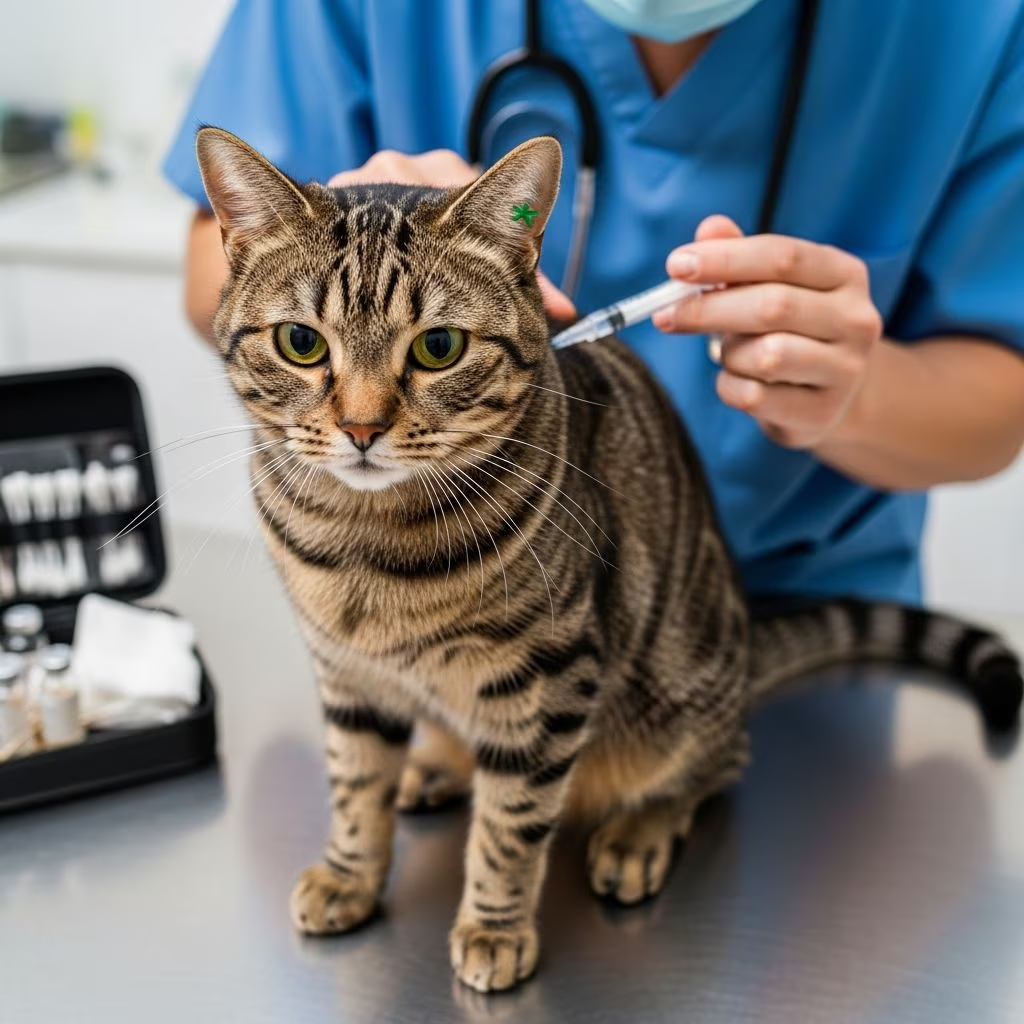
Rabies is a fatal viral disease that affects the nervous system of mammals, including cats, and is transmissible to humans, making vaccination a critical public health measure. Cats typically receive their first rabies shot between 12 and 16 weeks of age, followed by a booster one year later, and then either annually or every three years depending on the vaccine type and local laws.
This schedule ensures continuous immunity against a virus that causes neurological symptoms leading to death if untreated. Even indoor cats require these shots due to legal mandates and potential exposure risks from bats or escapes.
What Is the Rabies Vaccine for Cats?
The rabies vaccine stimulates the cat’s immune system to produce antibodies against the rabies virus, a zoonotic pathogen spread through saliva, usually via bites from infected animals like bats, raccoons, foxes, or skunks. Administered as an injection, it is classified as a core vaccine by veterinary guidelines, meaning it is essential for all cats regardless of lifestyle.
There are two primary types: one-year vaccines providing protection for 12 months and three-year vaccines offering longer immunity. The choice depends on state regulations, veterinary preference, and the cat’s age and health. Kittens start with the initial dose around 12-16 weeks when maternal antibodies wane, allowing effective immunization.
Vaccines are highly effective, with studies showing near-100% protection when administered on schedule. They prevent not only the cat’s suffering but also potential human transmission, as rabies is almost always fatal once symptoms appear.
Rabies Vaccination Schedule for Cats
The standard rabies vaccination timeline for cats follows a structured protocol to build and maintain immunity.
- Initial Vaccination (Kittens): Administered at 12-16 weeks of age. This first shot introduces the antigen, priming the immune response.
- First Booster: Given one year after the initial dose, regardless of vaccine type, to reinforce protection.
- Subsequent Boosters: Every 1-3 years based on vaccine label (1-year or 3-year) and local laws. Most areas recognize 3-year vaccines after the initial series.
For adult cats new to a practice or overdue, a single dose of 3-year vaccine often suffices due to immune memory, but consult a vet for specifics.
| Age/Stage | Vaccine | Frequency |
|---|---|---|
| 12-16 weeks | Initial Rabies | One dose |
| 1 year later | Booster | One dose |
| After 1-year booster | Maintenance | 1 or 3 years |
This table summarizes the typical schedule; always verify with your veterinarian as protocols can vary.
Types of Rabies Vaccines for Cats
Cats have access to two main rabies vaccine formulations, both safe and effective when given properly.
- 1-Year Rabies Vaccine: Provides immunity for 12 months. Often used for initial boosters or in areas mandating annual shots. Suitable for cats prone to reactions or local compliance.
- 3-Year Rabies Vaccine: Offers protection for up to 36 months after the 1-year booster. Preferred for most healthy cats over 1 year old to reduce vet visits. All U.S. states recognize it, though some localities require annual proof.
Veterinarians select based on factors like cat age (prefer 3-year for under 9 years to minimize reactions), health status, and regulations. Never mix schedules without professional advice.
Legal Requirements for Rabies Vaccinations in Cats
Rabies vaccination is legally required in all U.S. states for cats, with specifics varying by state, county, or city. Generally:
- First dose by 12-16 weeks or before license/permit.
- 1-year booster documented.
- Thereafter, per vaccine type (1-3 years).
In places like Colorado (Broomfield), non-compliance after bites can lead to fines, quarantine, or euthanasia. Proof via certificate is mandatory for boarding, grooming, or travel. Indoor cats are not exempt—laws apply universally to prevent outbreaks.
Check your local animal control or health department for exact rules, as some mandate annual revaccination despite 3-year labels.
Do Indoor Cats Need Rabies Shots?
Yes, indoor cats require rabies vaccinations by law in nearly all jurisdictions, regardless of exposure risk. Rabies can enter homes via bats (common carriers) through tiny openings, and escapes happen unexpectedly.
Public health prioritizes vaccination to break transmission chains. Vets recommend 3-year shots for indoor cats post-booster to balance protection and convenience. Skipping shots risks legal issues during incidents like scratches or suspected exposures.
What Happens If My Cat Misses a Rabies Shot?
If a booster is overdue, don’t panic—immune memory often allows a single catch-up dose for previously vaccinated cats. For kittens over 16 weeks unvaccinated, start with one dose of 3-year vaccine or two doses 12 months apart per guidelines.
- Overdue by months: Administer next dose immediately; no series restart needed.
- Unvaccinated adult: Single 3-year dose usually protective.
- Bite incident while lapsed: Booster within 96 hours, possible quarantine.
Track via apps or reminders; vets provide certificates valid per label. Restarting full series is rare but may apply if extremely overdue.
Rabies Vaccine Side Effects in Cats
Most cats tolerate rabies vaccines well, but mild reactions occur in under 1% of cases. Common side effects include:
- Lethargy, mild fever, or soreness at injection site (24-48 hours).
- Rarely: Allergic reactions like facial swelling, vomiting, or hives—seek emergency care.
- Very rare: Injection-site sarcomas (long-term risk minimized with proper technique).
Monitor post-vaccination; pre-treat anxious cats with meds if history of reactions. Benefits far outweigh risks given rabies fatality.
What to Do If Your Cat Is Exposed to Rabies
Suspected exposure (bite/scratch from wildlife) requires immediate vet visit.
- Fully Vaccinated: Booster within 96 hours; observe 45 days or per protocol.
- Overdue/Partially Vaccinated: Booster + quarantine (10 days to 6 months).
- Unvaccinated: Strict quarantine (4 months) or euthanasia/testing.
Report to authorities; vaccinated status protects owners from post-exposure prophylaxis needs.
Frequently Asked Questions (FAQs)
What age do cats get their first rabies shot?
Cats receive their first rabies vaccine at 12-16 weeks old.
How often do cats need rabies boosters?
One year after initial, then every 1-3 years based on vaccine and laws.
Is rabies vaccine required for indoor cats?
Yes, by law in all states.
What if my cat misses a rabies shot?
Catch up with a single dose; consult vet.
Are there different types of cat rabies vaccines?
Yes, 1-year and 3-year versions.
References
- Rabies Vaccine for Cats: Understanding Benefits, Risks, and Schedule — Central Texas Animal Hospital. 2023. https://centraltexasanimalhospital.com/cat-vaccination-in-pflugerville-tx/rabies-vaccine-for-cats-understanding-benefits-risks-and-schedule/
- How Often Do Cats Need a Rabies Shot? — Laurel Veterinary Clinic. 2024. https://laurelpets.com/blog/how-often-do-cats-need-a-rabies-shot/
- How Often Do Cats Need Rabies Vaccines? — Heart of Chelsea Veterinary. 2023. https://heartofchelsea.com/blog/how-often-do-cats-need-rabies-vaccines/
- Vaccine Schedules for Cats & Kittens — Small Door Veterinary. 2025. https://www.smalldoorvet.com/learning-center/wellness/cat-kitten-vaccine-schedules
- How Often Do Cats Need Rabies Shots? — Animal Family Veterinary Care. 2024. https://animalfamilyveterinarycare.com/blog/how-often-do-cats-need-rabies-shots/
- Dogs & Cats Overdue for Vaccination — Today’s Veterinary Practice. 2024. https://todaysveterinarypractice.com/preventive-medicine/dog-cat-vaccination-recommendations/
- Rabies Vaccinations for Indoor Cats — Friendship Hospital for Animals. 2023. https://www.friendshiphospital.com/primary-care/rabies-vaccinations-for-indoor-cats/
- Vaccinations for Your Pet — ASPCA. 2025. https://www.aspca.org/pet-care/general-pet-care/vaccinations-your-pet



