How Often Should I Clean My Dog’s Ears? Vet-Backed Guide
Complete guide to dog ear cleaning frequency, methods, and prevention of ear infections.
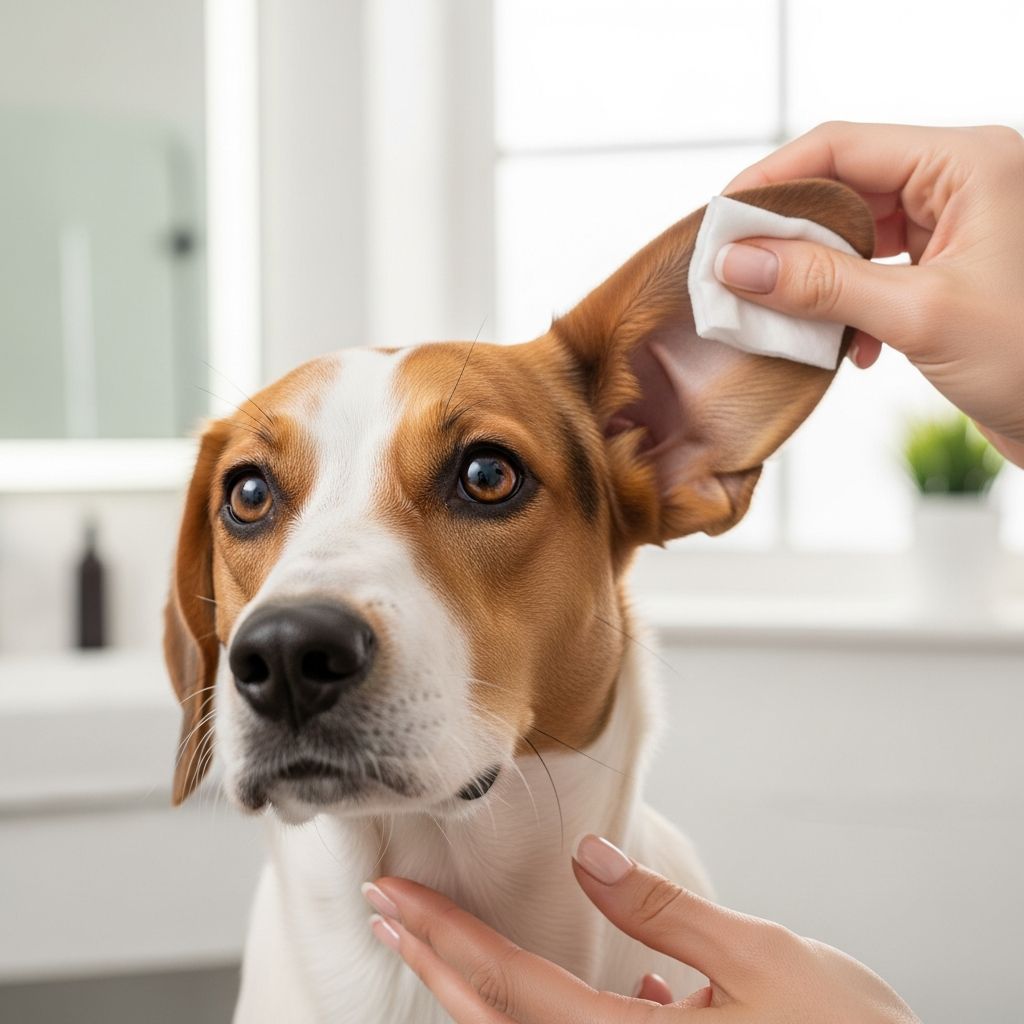
How Often Should I Clean My Dog’s Ears?
One of the most common questions pet owners ask their veterinarians is about the proper frequency for cleaning their dog’s ears. Unlike cats, dogs require regular ear maintenance as part of their overall health and grooming routine. The structure of a dog’s ear canal makes it particularly susceptible to wax buildup, moisture retention, and debris accumulation, which can lead to painful infections if left untreated. Understanding when and how often to clean your dog’s ears is essential for maintaining their comfort and preventing serious health complications.
Understanding Your Dog’s Ear Structure
Dogs have a unique ear structure that differs significantly from humans and even from cats. The canine ear canal is L-shaped, with a vertical portion followed by a horizontal section deep within the ear. This distinctive anatomy means that material trapped in the ear canal cannot easily exit on its own. Instead, wax, dirt, moisture, and debris can accumulate at the deeper portions of the canal, creating an environment where bacteria and yeast thrive. This is why regular ear cleaning is so important for many dogs—the physical structure of their ears simply doesn’t allow for self-cleaning the way human ears do.
How Often Should You Clean Your Dog’s Ears?
The frequency of ear cleaning depends on several individual factors specific to your dog. While there is no one-size-fits-all answer, veterinarians generally recommend that most dogs benefit from routine ear cleaning on a regular schedule. The best approach is to consult with your veterinarian to determine the ideal cleaning frequency for your specific pet.
General Guidelines by Ear Type
Dogs with different ear structures have different cleaning needs:
Dogs with Erect Ears: Breeds such as German Shepherds, Corgis, Shiba Inus, and other dogs with upright ears typically require less frequent cleaning. These dogs usually benefit from monthly ear cleaning as part of their routine grooming maintenance. The natural airflow in erect ears helps prevent moisture accumulation and reduces the likelihood of infection.
Dogs with Floppy Ears: Breeds like Dachshunds, Beagles, Cocker Spaniels, and other dogs with drooping ears are more prone to ear problems. The floppy ear structure traps moisture and debris, creating an ideal environment for bacterial and yeast growth. These dogs typically benefit from more frequent cleaning, often every other week or bi-weekly. Some dogs with severe predispositions may need weekly cleaning.
Special Circumstances Requiring More Frequent Cleaning
Beyond breed considerations, several health and lifestyle factors may necessitate more frequent ear cleaning:
- Dogs prone to chronic ear infections should have their ears cleaned weekly to every other week
- Dogs with allergies that predispose them to ear problems need regular cleaning to manage symptoms
- Dogs that swim regularly or enjoy water activities require cleaning after each water exposure
- Dogs with excessive earwax production may need more frequent attention
- Dogs with underlying skin conditions should be cleaned according to veterinary recommendations
When to Clean Your Dog’s Ears at Home
Timing is just as important as frequency when it comes to ear cleaning. Several specific situations call for ear cleaning:
After Water Activities
One of the most critical times to clean your dog’s ears is immediately after they get wet. Whether your dog has just had a bath, gone swimming, or played in a water source, moisture inside the ear canal creates the perfect breeding ground for bacteria and yeast. According to veterinary experts, trapped moisture can lead to rapid overgrowth of these microorganisms, resulting in infections. After bathing or swimming, thoroughly dry your dog’s ears with a clean cloth and consider using an ear cleaning solution specifically designed to remove moisture and promote drying.
Monthly Inspection and Maintenance
In addition to after-water cleaning, you should inspect your dog’s ears at least once per month. Many pet owners find that bath time provides an excellent opportunity for this inspection. Check for signs of buildup, unusual odor, discharge, or redness. If you notice any of these signs, it’s time to clean your dog’s ears. Even if your dog doesn’t show obvious signs of problems, regular inspections help you catch potential issues before they become serious infections.
When You Notice Visible Buildup
Some dogs naturally produce more earwax than others. If you notice visible wax accumulation, debris, or discharge in your dog’s ears, this is a clear signal that cleaning is needed. Don’t wait until the next scheduled cleaning—address it promptly to prevent complications.
Signs Your Dog’s Ears Need Cleaning
Learning to recognize the signs that your dog’s ears need attention is crucial for preventing infections. Watch for these indicators:
- Visible wax buildup or debris in the ear canal
- Unusual odor coming from the ears
- Discharge that appears yellow, brown, or black
- Redness or inflammation of the ear flap or canal
- Your dog frequently scratching or rubbing their ears
- Head shaking or tilting to one side
- Sensitivity or pain when you touch the ear area
- Changes in behavior such as irritability or difficulty concentrating
If you notice any of these signs, particularly redness, inflammation, or pain, consult your veterinarian before attempting to clean the ears at home. Your dog may have an active infection that requires professional treatment.
Factors Your Veterinarian Will Consider
When determining the ideal ear cleaning schedule for your dog, your veterinarian will evaluate several specific factors:
| Factor | Consideration |
|---|---|
| Breed Predisposition | Certain breeds are genetically prone to ear problems and require more frequent cleaning |
| Ear Structure | Whether your dog has erect, floppy, or hairy ears affects cleaning frequency |
| History of Infections | Dogs with previous or chronic ear infections need more frequent maintenance |
| Allergies | Dogs with allergies often have compromised skin barriers and need extra ear care |
| Swimming Habits | Regular swimming increases the need for post-water ear cleaning |
| Earwax Production | Some dogs naturally produce excessive wax requiring more frequent cleaning |
| Overall Health Status | Immune system strength and other health conditions affect ear health |
The Importance of Professional Guidance
While general guidelines provide a starting point, the best ear cleaning schedule is one tailored specifically to your dog by your veterinarian. This personalized approach prevents over-cleaning, which can cause irritation and potentially lead to infection, while ensuring your dog gets the care they need. Some dogs with perfectly healthy ears may never require cleaning, while others may need weekly attention. Your veterinarian can examine your dog’s ears during wellness exams and adjust the cleaning schedule as your dog ages or their health status changes.
Best Practices for Safe Ear Cleaning
If you’re cleaning your dog’s ears at home, following proper techniques is essential to avoid causing damage:
- Never use cotton swabs or anything that can be inserted deep into the ear canal—this risks damaging the eardrum or pushing debris deeper
- Use only soft cotton balls for wiping visible areas of the ear
- Apply a veterinarian-recommended ear cleaning solution and massage gently
- Allow your dog to shake their head to help dislodge debris
- Wipe away excess solution with clean cotton balls
- Never force anything into the ear canal
- Stop immediately if your dog shows signs of pain or discomfort
Prevention Strategies for Ear Health
Beyond regular cleaning, several preventive measures can help maintain your dog’s ear health:
- Dry ears thoroughly after any water exposure
- Keep your dog’s ear hair trimmed if applicable to their breed
- Address allergies promptly, as they significantly increase ear infection risk
- Maintain regular grooming appointments where professionals can inspect ears
- Ensure your dog receives regular veterinary wellness exams
- Use high-quality ear cleaning products recommended by your veterinarian
- Avoid exposing your dog’s ears to excessive moisture when possible
Frequently Asked Questions
Q: Can I use hydrogen peroxide to clean my dog’s ears?
A: While hydrogen peroxide was historically used for ear cleaning, most veterinarians now recommend specially formulated ear cleaning solutions. Hydrogen peroxide can irritate the ear canal and is often too harsh. Always consult your veterinarian before using any cleaning solution.
Q: How do I know if my dog has an ear infection?
A: Common signs include excessive scratching, head shaking, foul odor, discharge, redness, swelling, and signs of pain when the ear is touched. If you suspect an infection, contact your veterinarian promptly, as infections require professional treatment.
Q: Is it ever possible to clean a dog’s ears too often?
A: Yes, over-cleaning can irritate the ear canal and potentially lead to infection. This is why personalized veterinary recommendations are important. Follow your veterinarian’s guidance rather than assuming more frequent cleaning is better.
Q: What should I do if my dog resists ear cleaning?
A: Make the experience positive by introducing it gradually with treats and praise. If your dog is in pain or has an infection, resistance may be a sign to see your veterinarian. Some dogs respond better to professional grooming services for this task.
Q: Should I have my dog’s ears professionally cleaned by a groomer?
A: Professional groomers can perform routine ear cleaning, and many pet owners appreciate this service. However, if your dog has chronic infections or ear problems, work with your veterinarian to develop a comprehensive ear care plan.
References
- How to Clean a Dog’s Ears: The Best & Safest Method [Vet-Approved] — Sploot Veterinary Care. 2024. https://www.splootvets.com/post/how-to-clean-dogs-ears-vet-approved
- Cleaning Your Dog’s Ears — Virbac U.S. 2024. https://us.virbac.com/dog/ear-health/cleaning-your-dogs-ears
- How to Clean Your Pet’s Ears to Avoid Ear Infections — Preventive Vet. 2024. https://www.preventivevet.com/pets/how-to-clean-your-pets-ears
- How To Keep Dog Ears Clean — PetMD. 2024. https://www.petmd.com/dog/general-health/how-to-keep-dog-ears-clean
- Instructions for Ear Cleaning in Dogs — VCA Animal Hospitals. 2024. https://vcahospitals.com/know-your-pet/instructions-for-ear-cleaning-in-dogs
- How to Clean Your Dog’s Ears and Keep Them Healthy — Vetstreet. 2024. https://www.vetstreet.com/dr-marty-becker/how-to-keep-your-dogs-ears-clean-and-healthy
Similar Articles








Read full bio of medha deb