

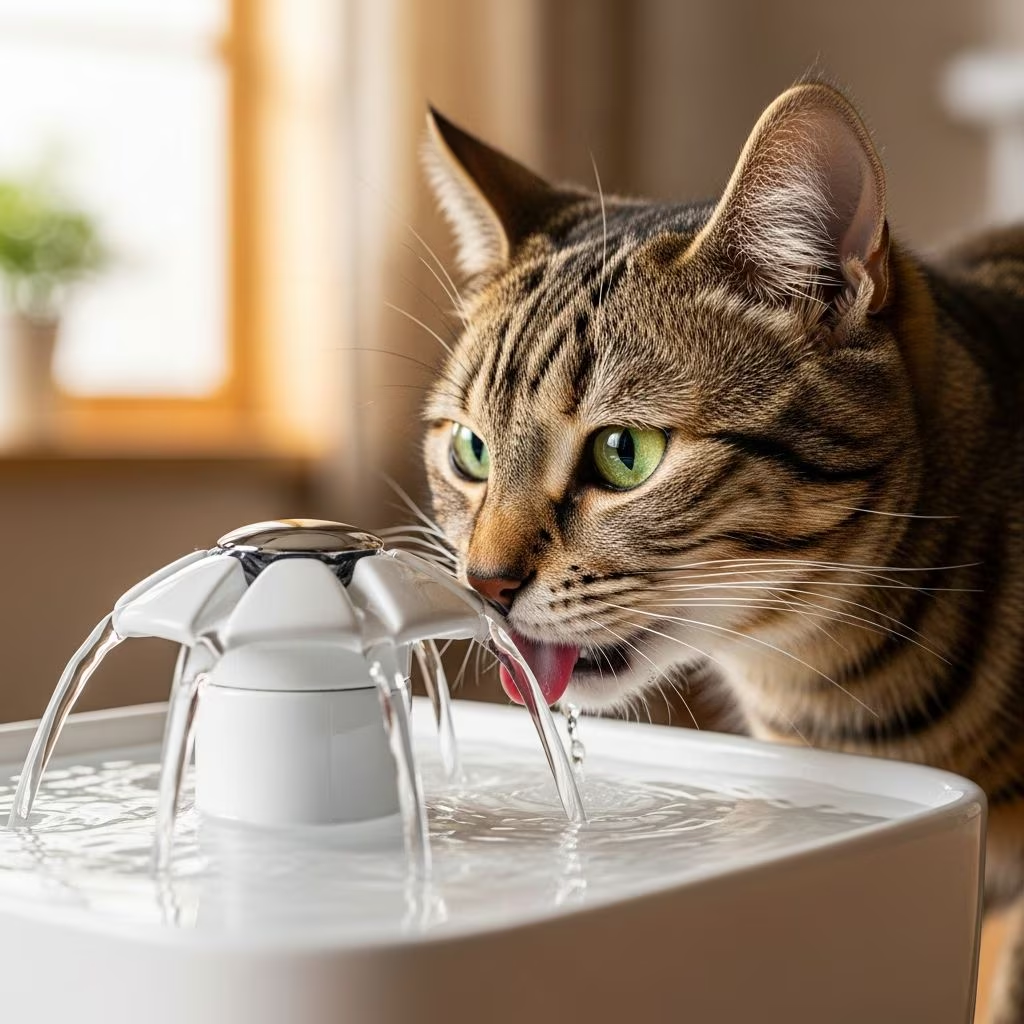
How Often Should You Change Water in a Cat Water Fountain?
Cat water fountains are an excellent way to encourage your feline companion to drink more water, promoting better hydration and potentially preventing urinary tract issues and kidney disease. However, maintaining a cat water fountain requires consistent effort and attention. Understanding how often to change the water is crucial for your cat’s health and the longevity of the fountain itself. This comprehensive guide will walk you through the recommended water change frequency, maintenance schedules, and best practices to keep your cat’s fountain clean and functioning optimally.
Daily Water Changes: The Foundation of Fountain Care
The most important step in maintaining your cat’s water fountain is changing the water daily. Just like humans, cats prefer fresh, clean water. Stale water can accumulate bacteria, become unappetizing, and potentially harbor harmful microorganisms that could affect your cat’s digestive health.
Perform a quick daily check to ensure the water level is adequate and there’s no visible debris. Top off the water as needed, or completely replace it with fresh water to guarantee your cat has access to the cleanest possible drinking source. This simple daily habit is one of the most effective ways to encourage your cat to drink more and maintain optimal hydration.
Additionally, keeping water at a comfortable room temperature makes it more appealing to your cat. Cold water or water that has been sitting too long can be less attractive to feline drinkers, reducing their water intake.
Weekly Deep Cleaning: Removing Buildup and Bacteria
Beyond daily water changes, you should clean the fountain thoroughly once a week. This comprehensive maintenance includes washing all the parts, scrubbing hard-to-reach areas, and ensuring no buildup accumulates within the system. Weekly deep cleaning is essential for removing lingering buildup and preventing bacterial growth that can compromise your cat’s health.
During your weekly cleaning routine, follow these steps:
- Disassemble the fountain completely, removing all removable parts
- Wash the basin, pump, and filter in warm soapy water using pet-safe soap
- Scrub hard-to-reach areas to remove mineral deposits, dirt, and mold
- Rinse all parts thoroughly to ensure no soap residue remains
- Inspect tubing and connections for any signs of buildup or damage
- Allow all parts to air dry completely before reassembling to prevent corrosion and kill any remaining bacteria
Avoid using harsh soaps, bleaches, or abrasive sponges when cleaning your cat’s water fountain. These can damage electronics, corrode components, and leave behind residues that alter the water’s pH, potentially irritating your cat’s delicate digestive system. Instead, stick to a damp cloth and plain water for routine maintenance, reserving mild soapy water for deeper cleaning sessions.
Monthly Deep Clean and Filter Replacement
Once a month, perform a deep clean of the pump and other components. This more thorough inspection and cleaning will help catch small issues before they become bigger problems that could compromise the fountain’s functionality or your cat’s health.
Monthly maintenance should include:
- Complete disassembly and soaking of fountain parts in a vinegar solution to remove mineral deposits and stubborn bacteria
- Thorough rinsing to ensure no vinegar remains, as it can be harmful to your cat
- Inspection of the entire unit for cracks, leaks, or damaged parts
- Check the basin, tubing, pump, and reservoir for signs of wear and tear
- Replacement of any cracked, corroded, or excessively stained parts
- Filter replacement to ensure water stays fresh and clean
Replace the filter cartridge as directed by the manufacturer, typically every two to four weeks. Filters play a crucial role in removing minerals, chemicals, and sediments from the water to keep it fresh and clean for your cat. Some pet parents report that filters become moldy and gross by four weeks, making the recommended replacement cycle well worth the investment for your cat’s health.
Understanding Your Cat’s Specific Needs
While the general maintenance schedule of daily water changes and weekly deep cleaning works for most households, certain situations may require more frequent attention to your cat’s water fountain.
Multi-Cat Households
If you own several cats that use the same fountain, it is recommended that you clean it more often, as this leads to quicker accumulation of fur, saliva, and dirt. Consider cleaning every three to four days instead of weekly, or even daily in some cases, depending on how many cats are sharing the fountain.
Hard Water Regions
Mineral deposits will likely build up rapidly if you reside in areas with hard water. In these regions, cleaning is recommended every three to five days to prevent limescale buildup and ensure the fountain works without issues. Hard water can significantly reduce the fountain’s efficiency and make the water less appealing to your cat.
Individual Cat Behaviors
Some cats have a habit of dropping food, toys, or other debris into their water fountains. If your cat exhibits this behavior, you may need to clean the fountain more frequently than the standard weekly schedule suggests.
Signs It’s Time to Clean the Fountain
Beyond following a regular maintenance schedule, pay attention to visual and olfactory cues that indicate your fountain needs cleaning:
- Visible slime or algae growth on the fountain surfaces
- Dirt buildup or discoloration in the water basin
- Unpleasant odors emanating from the fountain
- Discoloration or cloudiness in the water
- Changes in water taste or smell that your cat notices
- Reduced water flow or unusual pump noises
If you notice any of these issues, it’s time to clean the fountain, even if you cleaned it just a few days ago.
The Consequences of Irregular Cleaning
Failing to maintain a regular cleaning schedule can have serious consequences for both your cat and the fountain. If the cat water fountain is not cleaned frequently, it can lead to pump blockage, harmful bacterial growth, an increased chance of urinary problems, water quality degradation, and poor water sanitation.
Bacteria such as Legionella and other pathogens can proliferate in stagnant water, potentially causing gastrointestinal issues or urinary tract infections in your cat. Additionally, mineral buildup can clog the pump, reducing water flow and eventually causing the fountain to malfunction completely.
Best Practices for Fountain Maintenance
Invest in a Reliable Fountain
Choosing the right fountain from the start can make maintenance much easier. Invest in a well-designed fountain that is easy to use and made with sturdy, non-toxic materials. Consider selecting a model with dismountable parts to aid cleaning and maintenance, and select one designed to prolong the fountain’s lifespan.
Establish a Cleaning Schedule
Create a maintenance calendar or set reminders on your phone to help you stay consistent with your cleaning routine. Consistency is key to preventing buildup and ensuring your cat always has access to fresh water.
Use Only Pet-Safe Cleaning Products
When cleaning your cat’s water fountain, use only pet-safe cleaning products. Avoid household cleaners, bleaches, and harsh chemicals that could leave residues harmful to your cat.
Check the Pump Regularly
Regularly inspect the pump for any signs of wear, overheating, or unusual noises. Ensure the pump is functioning optimally to keep the water flowing smoothly. A malfunctioning pump can reduce water circulation and create stagnant areas where bacteria thrives.
Examine the Power Cord
Examine the power cord for fraying, damage, or signs of wear. A damaged cord can pose a safety hazard and compromise the overall functionality of the fountain.
Seasonal Maintenance Considerations
Seasonal changes can affect how often you need to maintain your cat’s water fountain. Warmer weather may accelerate bacterial growth, requiring more frequent cleaning. Dry air during winter months might increase mineral deposits in hard water areas.
Perform a thorough inspection of all parts for damage or wear after long periods of non-use. Check for cracks, corrosion, leaks, or clogs that could allow bacteria to fester. Thoroughly clean and, if needed, replace parts as directed in your fountain’s manual.
Water Quality Assessment
Periodically assess the water quality in your cat’s fountain. If you notice any discoloration, unpleasant odors, or changes in taste, it’s a sign to change the water and clean the fountain more thoroughly. Your cat may also refuse to drink from a fountain with poor water quality, defeating the purpose of having one.
Maintenance Schedule Quick Reference Table
| Maintenance Level | Frequency | Tasks |
|---|---|---|
| Daily | Every Day | Check water level, remove visible debris, top off or replace water completely, ensure water temperature is comfortable |
| Weekly | Once Per Week | Full fountain cleaning, disassemble all parts, wash with mild soapy water, scrub hard-to-reach areas, rinse thoroughly, air dry completely |
| Monthly | Once Per Month | Deep clean pump and components, soak parts in vinegar solution, replace filter, inspect for damage or wear, replace damaged parts |
| Seasonal | Every 3 Months | Thorough inspection after non-use periods, check for corrosion or clogs, adjust cleaning routine based on seasonal factors |
Frequently Asked Questions
Q: What happens if I don’t change the water frequently enough?
A: Irregular cleaning and infrequent water changes can lead to pump blockage, harmful bacterial growth, increased risk of urinary tract problems, water quality degradation, and poor sanitation. Your cat may refuse to drink from the fountain, and the fountain itself may develop permanent damage.
Q: How often should I replace the filter?
A: You should replace the filter cartridge every two to four weeks, depending on your fountain model and manufacturer recommendations. Most pet fountains recommend replacing filters about every 30 days. In households with multiple cats or areas with hard water, you may need to replace filters more frequently.
Q: Can I use tap water in my cat’s fountain?
A: Yes, tap water is generally safe for cat fountains. However, if you live in an area with hard water, you may want to consider using filtered water to reduce mineral buildup. In any case, the water should be changed daily and the fountain cleaned regularly.
Q: What’s the best way to clean mineral deposits?
A: For mineral deposits and stubborn bacteria, soak the fountain parts in a vinegar solution during your monthly deep cleaning. The acidity of vinegar helps dissolve mineral buildup. Always rinse thoroughly afterward to ensure no vinegar remains, as it can be harmful to your cat.
Q: How do I know if my fountain needs cleaning more often?
A: Look for signs such as visible slime, dirt buildup, unpleasant odors, discoloration in the water, or reduced water flow. If you have multiple cats, live in an area with hard water, or notice any of these signs, clean the fountain more frequently than the standard weekly schedule.
Q: Will regular maintenance extend my fountain’s lifespan?
A: Absolutely. Regular cleaning prevents the pump and filters from clogging, prevents performance dampening, and avoids permanent damage. Taking care of your fountain with consistent maintenance will help keep it running for many years, making it a worthwhile investment in your cat’s health.
Conclusion
Maintaining your cat’s water fountain through daily water changes, weekly deep cleanings, monthly inspections, and seasonal maintenance ensures your furry friend can access clean, fresh water for optimal hydration and health. By following these best practices and establishing a consistent maintenance routine, you can provide your cat with the healthy hydration they need while extending the usable lifespan of the fountain itself. Remember that every cat and household is unique, so adjust your maintenance schedule based on your specific circumstances, such as the number of cats in your home or your local water quality. Your commitment to proper fountain maintenance is an investment in your cat’s long-term health and wellbeing.
References
- How to Clean Cat Water Fountain: Best Practices for Hygiene — One Is All. 2024. https://oneisall.com/blogs/all/how-to-clean-cat-water-fountain
- How Often Should You Clean Your Cat’s Water Fountain? Tips for Ensuring Healthy Hydration — Happy and Polly. 2024. https://happyandpolly.com/blogs/cat/how-often-should-you-clean-your-cat-s-water-fountain-tips-for-ensuring-healthy-hydration
- Cat Water Fountain Maintenance 101: Best Practices in 2023 — Petlibro. 2023. https://petlibro.com/blogs/all/cat-water-fountain-maintenance-101
- How Often Should I Clean My Cat’s Water Fountain: A Complete Guide — UAH Pet. 2024. https://www.uahpet.com/blogs/post/how-often-should-i-clean-my-cats-water-fountain-a-complete-guide
- Expert Maintenance Tips for Cat Water Fountains — KittySpout. 2024. https://www.kittyspout.com/blogs/blog/expert-maintenance-tips-for-cat-water-fountains
- How Often to Change Pet Water Fountain Filter? — Petcube. 2023. https://petcube.com/blog/how-often-to-change-pet-water-fountain-filter/



