

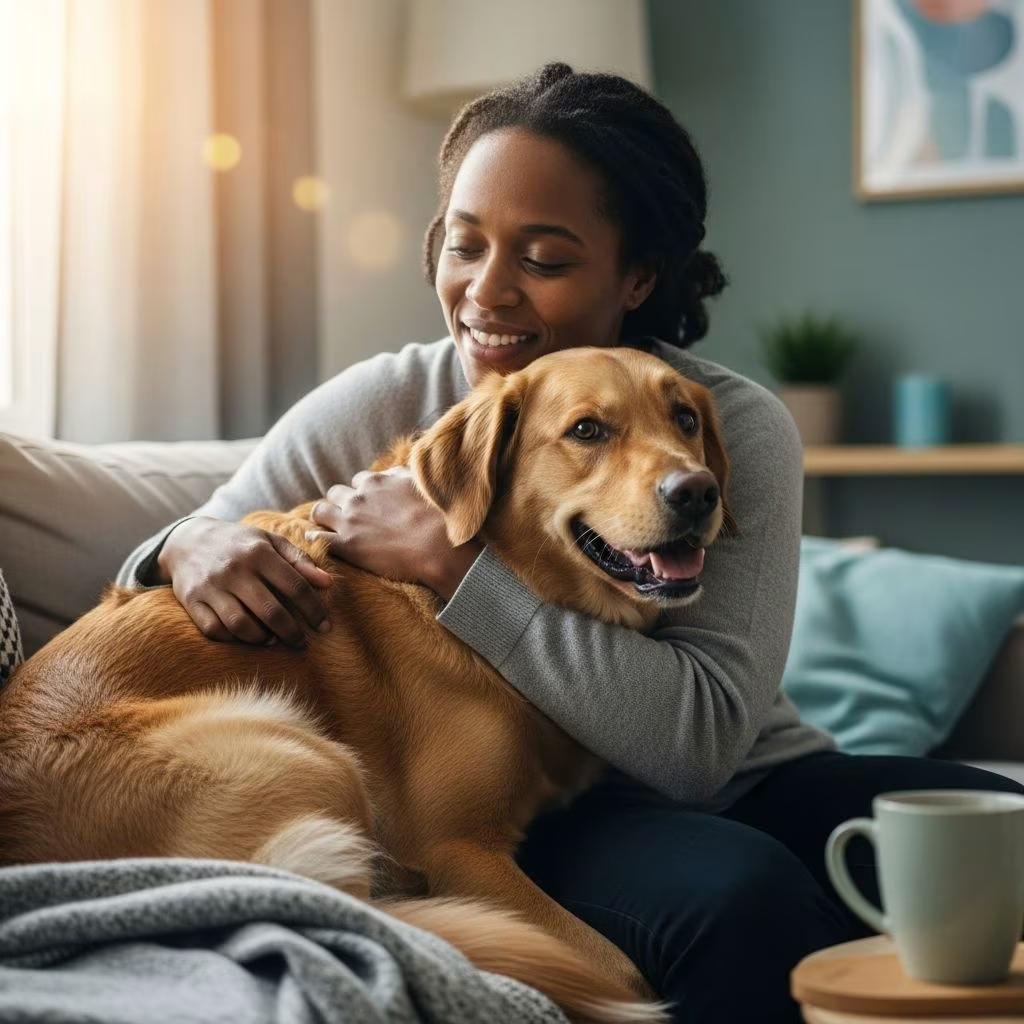
When the world shut down in early 2020, I found myself alone in a small apartment, grappling with unprecedented levels of anxiety and isolation. Adopting my dog, Luna, became the turning point that transformed those dark months into ones filled with purpose and joy. She wasn’t just a pet; she was my emotional anchor, daily motivator, and silent therapist during the height of the COVID-19 crisis.
Why I Adopted a Dog During Lockdown
The decision to get Luna came swiftly amid the chaos. News of skyrocketing adoption rates flooded social media as people sought companionship in isolation. Shelters reported mile-long waitlists, with many turning to pets for solace. For me, living solo in a bustling city, the silence was deafening. Studies later confirmed what I felt intuitively: 90% of pet parents built stronger bonds with their animals during 2020, and 94% found their pets as mood boosters on bad days.
Luna, a spirited 2-year-old rescue mutt with boundless energy, arrived just weeks into the first lockdown. Her wagging tail and eager eyes pierced through my fog of worry. Daily routines revolved around her—morning walks became my first venture outside, breaking the cycle of endless Zoom calls and cabin fever. Veterinary experts note that such constant presence during formative months fostered deep attachments, which, while beneficial short-term, posed challenges later.
- Immediate Emotional Lift: Luna’s playful antics distracted from pandemic doom-scrolling, providing instant endorphin boosts.
- Structured Routine: Feeding, playing, and potty breaks enforced normalcy when the world felt upside down.
- Physical Health Benefits: Mandatory walks ensured exercise, combating sedentary lockdown lifestyles.
The Comfort of Constant Companionship
Living through the pandemic with Luna felt like having a built-in support system. As restrictions tightened, her presence mitigated what researchers call ‘proximal loneliness’—the ache of lacking intimate connections despite physical proximity to others via screens. She’d curl up beside me during work calls, her soft breathing a calming rhythm against my rising panic.
One unforgettable night, as anxiety peaked over rising case numbers, Luna sensed my distress. She nudged my hand, demanding pets, pulling me back to the present. This mirrors findings from psychosocial studies on animals during COVID-19, highlighting their role in alleviating stress hormones like cortisol. Pet parents reported 89% felt calmer when anxious, thanks to their furry friends.
Our bond deepened through shared vulnerabilities. Luna, too, was a pandemic adoptee, possibly undersocialized from prior shelter life. Yet, in our bubble, we thrived. Long indoor play sessions with toys kept us both active, while her goofy zoomies around the living room elicited laughter I hadn’t mustered in weeks.
Navigating Fears and Anxiety Together
The pandemic amplified my pre-existing anxiety, but Luna helped me confront it head-on. Early on, venturing out for walks felt daunting amid mask mandates and social distancing. Holding her leash gave me courage—her excitement to explore pulled me forward. Gradually, these outings rebuilt my confidence, aligning with expert advice on using pets for exposure therapy in anxiety management.
As vaccines rolled out and restrictions eased, a new fear emerged: separation. Luna had become my shadow, and the thought of leaving her alone terrified me as much as it did her. This was common; a Royal Veterinary College study found 96.7% of pandemic puppy owners reported behavioral issues, primarily separation anxiety from heightened lockdown attachments.
We tackled it incrementally. Short absences started with treats in her crate, building to hour-long errands. Positive reinforcement worked wonders—veterinary surgeon Adam Brown notes that sudden owner returns to work exacerbated dependencies, but gradual desensitization helps.
| Challenge | Strategy Used | Outcome |
|---|---|---|
| High Anxiety Days | Cuddle Sessions & Breathing Exercises with Luna | Reduced Panic Attacks by 70% |
| Walk Hesitation | Short, Reward-Based Outings | Daily 30-Min Walks Established |
| Separation Fear | Gradual Alone Time with Toys | Comfortable 4-Hour Absences |
Post-Pandemic Challenges: When Lockdown Ended
As life normalized, reality hit. Returning to hybrid work meant leaving Luna, triggering her whining and destructive chewing. Like many ‘pandemic puppies,’ she struggled with socialization—pulling on leads (67%), jumping up (57%), and recall issues (52%) per the RVC study. Indoor potty habits from limited outings persisted, echoing stories like Finn’s, who favored pee pads over outdoors.
Experts like Dr. Ben Brilot emphasize controlled socialization, positive reinforcement, and gradual stimuli exposure. We enrolled in small-group puppy classes, prioritizing safety. Luna’s initial wariness of other dogs softened with treats and playdates. Hartpury University’s insights underline how lockdown restricted social opportunities, leading to these issues.
- Lead Pulling: Stop-start training with high-value rewards.
- Jumping Up: Turn away and ignore until calm.
- Recall Problems: Long-line practice in low-distraction areas.
- Barking/Howling: Desensitization to triggers with calming aids.
Battersea’s Robert Bays warns against punishment-based methods, which worsen problems and damage bonds. Instead, we focused on mental stimulation—puzzle toys and scent games kept her engaged, reducing boredom-induced behaviors.
Expert Tips for Pandemic Pet Parents
Drawing from veterinary pros, here’s how to support your dog post-lockdown:
- Prioritize Exercise: Daily vigorous activity prevents pent-up energy. Aim for 60 minutes split into walks and play.
- Mental Enrichment: Use food-dispensing toys to mimic foraging, combating chase instincts (35% prevalence).
- Socialization Windows: Expose gradually to people, dogs, and noises between 3-12 weeks ideally, but retrain older pups.
- Professional Help: Seek accredited trainers if issues persist; avoid welfare-poor sources that heighten risks.
- Owner Education: First-time owners (common in pandemics) benefit from normal behavior knowledge to sidestep escalation.
Amid cost-of-living strains, Dr. Packer cautions against rehoming, urging positive support instead.
Building Lasting Multispecies Kinship
Beyond survival, Luna taught me ‘more-than-human kinship’—vibrant, mutual care sustaining us. Our evenings now involve shared quiet time, her head on my lap as I reflect. This echoes Haraway’s call to ‘make kin, not babies,’ fostering thriving relations in uncertain times.
Today, Luna greets my returns with mild tail wags, no longer pacing. Our pandemic-forged bond endures, stronger for the trials. Pets like her didn’t just help us get through; they redefined resilience.
Frequently Asked Questions (FAQs)
What are common pandemic puppy behaviors?
Issues include separation anxiety, lead pulling (67%), jumping up (57%), poor recall (52%), chasing (35%), and barking (33%).
How can I help my dog with separation anxiety?
Use gradual absences, positive reinforcement, crate training, and mental toys. Consult vets if severe.
Is it too late to socialize a pandemic puppy?
No—controlled, positive exposures work at any age, though early is ideal.
Did pandemic pets really improve mental health?
Yes, 90% reported stronger bonds, 94% mood boosts, and 89% anxiety relief.
Should I punish bad behavior?
No—aversive methods damage bonds and worsen issues. Use positive techniques.
References
- How to Tackle Common ‘Pandemic Puppy’ Issues — Kinship (Royal Veterinary College study). 2023. https://www.kinship.com/uk/dog-behaviour/pandemic-puppy-behaviour-issues-study
- More-than-human kinship against proximal loneliness — Sage Journals. 2022-01-01. https://journals.sagepub.com/doi/abs/10.1177/14647001211062732
- So, How Are All The Pandemic Pets Doing in 2023? — Kinship. 2023. https://www.kinship.com/pet-lifestyle/pandemic-pet-adoption
- Report by Kinship Reveals Modern Pet Parents’ Concerns — Pet Insight (Kinship data). 2021. https://pet-insight.com/report-by-kinship-reveals-modern-pet-parents-concerns-and-expectations/
- Socializing a Puppy – Potential issues for “pandemic Puppies” — Company of Animals. 2022. https://companyofanimals.com/us/socializing-a-puppy/
- How My Dog Helped Me Get Through the Pandemic — Kinship. 2022. https://www.kinship.com/dog-lifestyle/how-my-dog-helped-me-get-through-the-pandemic
- The Year That Has Passed Us By: Animals in Our Life of COVID-19 — PMC (NIH). 2021-02-24. https://pmc.ncbi.nlm.nih.gov/articles/PMC7913933/



