

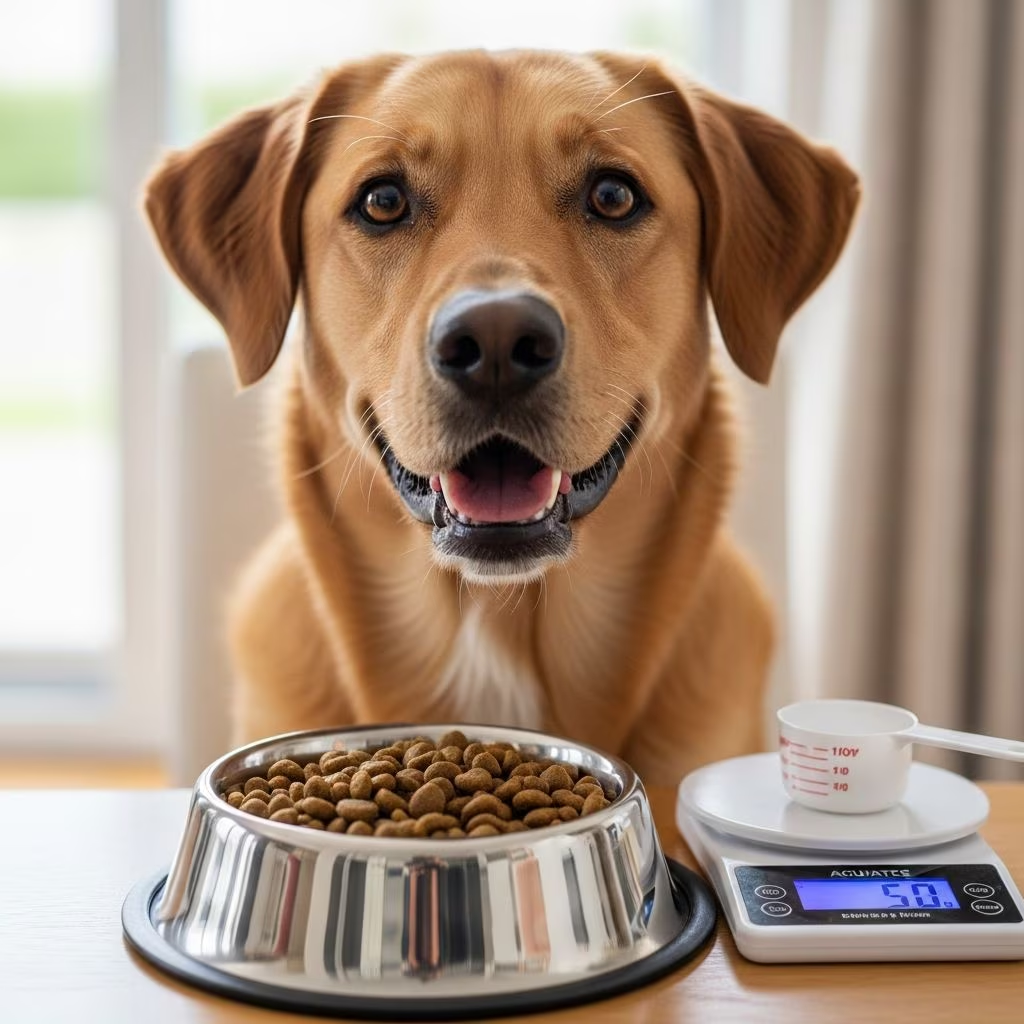
Determining the correct amount of food to feed your dog is crucial for maintaining their health, energy levels, and ideal body weight. Factors like weight, age, breed, activity level, and neuter status all influence daily caloric needs. This comprehensive guide provides feeding recommendations based on weight, using reliable formulas like the Resting Energy Requirement (RER), along with practical tips for puppies and adults.
Understanding Your Dog’s Caloric Needs
Dogs require a specific number of calories daily to support basic bodily functions, growth, and activity. The foundation is the Resting Energy Requirement (RER), which estimates calories needed at rest. For most dogs, multiply body weight in kilograms by 30 and add 70: RER = 30 × (weight in kg) + 70. For precise needs, adjust with multipliers based on life stage and lifestyle.
- Adult dogs at maintenance: Multiply RER by 1.6–1.8 for neutered adults or 1.8–2 for intact dogs.
- Puppies: Use higher multipliers like 2–3 times RER, depending on age and expected adult size.
- Active or working dogs: Up to 3–6 times RER for high-energy breeds.
For example, a 10kg adult dog has an RER of 370 calories (30×10 + 70). At maintenance, this equals 592–666 calories daily, split into meals.
Feeding Guidelines by Dog Weight
Portion sizes vary by food type (dry kibble, wet food) due to calorie density. Always check your food’s packaging for specific guidelines, then adjust using RER. Smaller dogs need more calories per kg than larger ones due to higher metabolisms.
| Weight (kg) | Weight (lbs) | Daily Calories (Adult Maintenance) | Approx. Dry Food (cups) |
|---|---|---|---|
| 2–5 | 4.4–11 | 200–400 | 0.5–1 |
| 5–10 | 11–22 | 400–600 | 1–1.5 |
| 10–20 | 22–44 | 600–1000 | 1.5–2.5 |
| 20–30 | 44–66 | 1000–1400 | 2.5–3.5 |
| 30–45 | 66–99 | 1400–1800 | 3.5–4.5 |
Note: These are estimates for standard adult kibble (350–400 kcal/cup). Wet food portions are larger due to higher water content. Adjust for treats (10% max of daily calories).
Age-Specific Feeding Recommendations
Puppies
Puppies are growing rapidly and need diets high in protein (at least 25%) and fats for development. Small breeds require more calories per pound than large breeds, which grow slower to prevent joint issues.
- Under 3 months: 4–5 meals/day. Add milk replacer to soft food. RER × 3.
- 3–6 months: 3 meals/day. Transition to puppy kibble. RER × 2.5–3.
- 6–12 months: 2–3 meals/day. Small breeds may switch to adult food earlier.
Large/giant breed puppies need specific formulas lower in calcium/phosphorus for controlled growth.
Adults
Adult dogs (1+ years) typically need 1–2 meals/day. Divide total daily calories evenly. Monitor for weight changes and adjust.
Seniors
Senior dogs (7+ years) may need fewer calories (RER × 1.4–1.6) due to lower metabolism, but higher protein for muscle maintenance. Opt for senior formulas with joint support.
Activity Level and Lifestyle Factors
Beyond weight and age, consider these:
- Sedentary: RER × 1.2–1.4
- Moderately active: RER × 1.6–1.8
- Highly active/working: RER × 3–6
- Neutered/Spayed: Reduce by 20–30% as metabolism slows.
- Pregnant/Lactating: Up to 2–4× RER.
Breeds like Labradors may gain weight easily, while high-energy breeds like Border Collies need more.
Dry vs. Wet Food: Pros and Cons
Choose based on your dog’s preferences and needs. Both can be complete if AAFCO-approved.
| Type | Pros | Cons | Portion Adjustment |
|---|---|---|---|
| Dry Kibble | Convenient, dental benefits, cheaper | Lower moisture, may cause thirst | Smaller volumes |
| Wet Food | Higher hydration, palatable, fuller feeling | More expensive, messy, shorter shelf life | Larger volumes |
| Mix | Balances benefits | Requires measuring | Hybrid portions |
For weaning puppies, mix wet food with kibble to soften.
Feeding Schedules: How Many Meals Per Day?
Consistent schedules aid digestion, potty training, and prevent begging.
- Puppies <6 months: 3 meals/day (e.g., 7am, 12pm, 5pm).
- Adults: 1–2 meals/day. Avoid free-feeding.
- Schedules example:
- Breakfast: 7am
- Lunch (pups): 12pm
- Dinner: 5–6pm
Space meals 8–12 hours apart for adults.
Monitoring Your Dog’s Body Condition
Don’t rely solely on scales—use Body Condition Score (BCS). Ideal: Ribs palpable without excess fat, waist visible, abdomen tucked.
- Underweight: Increase portions 10–20%, add calorie-dense toppers.
- Overweight: Reduce 10–20%, increase exercise, switch to weight management food.
- Signs of right amount: Energetic, lean, good coat, normal stools.
Weigh monthly and consult vets for plans.
Special Diets: Raw, Dehydrated, and More
Raw diets mimic ancestral eating (70% muscle, 10% organs/bone). Freeze patties for safety. Dehydrated offers convenience. Always ensure balance and vet approval.
For allergies or sensitivities, choose omega-rich or digestive formulas.
Frequently Asked Questions (FAQs)
Should small breed puppies eat more calories per pound?
Yes, small breeds need more calories per kg due to faster metabolisms and growth rates compared to large breeds.
Can I free-feed my dog?
No, scheduled meals promote better digestion, weight control, and training.
How do treats fit into the daily amount?
Limit to 10% of calories. Use low-cal options or veggies.
When to switch from puppy to adult food?
Small breeds: 10–12 months; large breeds: 12–24 months. Gradual transition over 7–10 days.
What if my dog seems hungry after meals?
Increase fiber-rich veggies, slow-feed bowls, or check BCS. Consult vet for underlying issues.
Key Takeaways for Healthy Feeding
Start with RER, adjust for factors, monitor BCS, and partner with your vet. Proper portions prevent obesity (affecting 59% of dogs) and support longevity.
References
- How Much Should You Feed a Puppy? Puppy-Feeding Schedule 101 — Kinship. 2023. https://www.kinship.com/dog-nutrition/puppy-feeding-schedule
- A Digestible Guide to Healthy Dog Food for Your New Pup — Kinship. 2023. https://www.kinship.com/dog-nutrition/best-dog-food
- How Much Should I Feed My Dog Based on Their Weight? — Kinship UK. 2023. https://www.kinship.com/uk/dog-nutrition/how-much-to-feed-my-dog-based-on-weight
- Feeding Guide — KIN Dog Food. 2023. https://www.kindogfood.com/feeding-guide
- Pet Nutrition — Kinship. 2023. https://www.kinship.com/pet-nutrition



