
How Much to Feed a Cat: Daily Guidelines
Complete guide to determining proper cat feeding portions for optimal health.
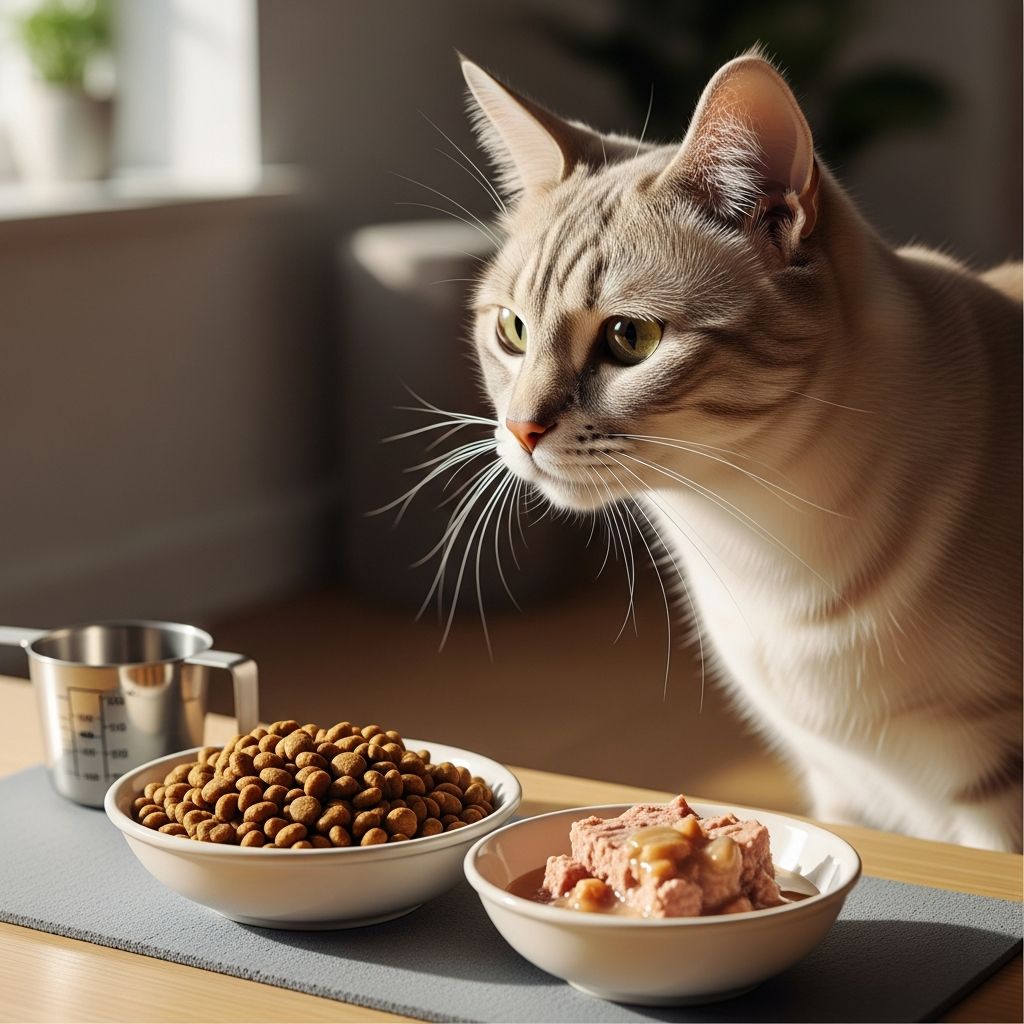
How Much to Feed a Cat: A Complete Nutrition Guide
Determining the right amount of food for your cat is one of the most important aspects of pet ownership. Just like humans, cats have individual nutritional needs that vary based on numerous factors. Feeding your cat the correct portion size helps maintain a healthy weight, supports vital organ function, and prevents obesity-related diseases. This comprehensive guide will help you understand how to calculate your cat’s daily caloric needs and establish a feeding routine that keeps your feline companion in optimal health.
Factors That Affect How Much Your Cat Should Eat
Before determining a specific feeding amount, it’s essential to understand that several factors influence your cat’s nutritional requirements. These variables should guide your feeding decisions and help you tailor portions to your individual pet.
Age and Life Stage
Your cat’s age significantly impacts their caloric needs. Kittens require substantially more calories per pound of body weight than adult cats because they’re actively growing and developing. Senior cats may also have different nutritional requirements, particularly if they have reduced activity levels or health conditions. Adult cats in their prime years typically have moderate caloric needs compared to these life stages.
Activity Level
More active cats naturally require more food to fuel their increased energy expenditure. Indoor cats who spend most of their time resting and sleeping need fewer calories than outdoor cats or highly playful indoor cats who engage in frequent hunting and climbing behaviors. If your cat is particularly active, you may need to increase portion sizes accordingly.
Health Status and Medical Conditions
Cats with certain health conditions may require adjusted feeding amounts. Diabetic cats, those with thyroid problems, kidney disease, or other chronic conditions may need specialized diets with specific portion sizes. Always consult your veterinarian about appropriate feeding amounts if your cat has any diagnosed medical conditions.
Spay or Neuter Status
Spaying or neutering significantly affects your cat’s metabolism. When a female or male cat undergoes this procedure, their baseline metabolism drops by approximately 30 percent. This metabolic decrease means you’ll need to reduce food intake after spaying or neutering to help your cat maintain a healthy weight and prevent unwanted weight gain.
Pregnancy and Nursing
Female cats who are pregnant or nursing kittens require substantially more calories to support their bodies’ additional demands. Pregnant or nursing cats typically need 25 to 50 percent more calories daily than other adult female cats. This increased caloric requirement should continue throughout the nursing period.
Individual Metabolism and Genetics
Just as in humans, individual cats have different metabolic rates influenced by genetics. Some cats naturally burn calories faster than others, while some have slower metabolisms. Observing your cat’s body condition and adjusting portions based on whether your cat gains or loses weight will help you find the optimal amount for your specific pet’s metabolism.
Daily Caloric Needs by Life Stage
Understanding your cat’s daily caloric requirements is the foundation for proper portion control. The amount varies significantly depending on whether you have a kitten, adult cat, or senior cat.
Kitten Caloric Requirements
Kittens are growing rapidly and require substantially more calories per pound of body weight than adult cats. A two-month-old kitten weighing about two pounds needs approximately 150 calories daily. By three months of age at about three pounds, caloric needs increase to 200 calories. At four months weighing 4.5 pounds, kittens require around 300 calories daily. By five months at 5.5 pounds, caloric needs reach 340 calories, and at six months weighing 6.5 pounds, kittens need about 400 calories daily. Between seven and eleven months of age, caloric requirements gradually increase from 420 to 540 calories daily as the kitten approaches adult size.
Adult Cat Caloric Requirements
Adult cats have more moderate caloric needs compared to kittens. A lean, spayed or neutered adult cat weighing five pounds requires approximately 160 calories daily. A ten-pound cat needs roughly 320 calories, while a fifteen-pound cat requires about 400 calories. A twenty-pound cat would need approximately 440 calories daily. These baseline estimates assume your cat is spayed or neutered and at a healthy weight.
Overweight Cat Caloric Requirements
Overweight cats requiring weight management need reduced caloric intake. A five-pound overweight cat should consume about 130 calories daily, while a ten-pound overweight cat needs approximately 220 calories. A fifteen-pound overweight cat requires about 330 calories, and a twenty-pound overweight cat should receive around 370 calories daily.
Feeding Charts and Portion Guidelines
Using a feeding chart based on your cat’s weight provides practical guidance for daily portions. The following chart assumes you’re feeding wet food containing 90 calories per 2.5-ounce can and that wet food is your cat’s only food source.
| Cat’s Weight | Kitten Needs | Lean Adult Cat | Overweight Cat | Pregnant Cat | Nursing Cat |
|---|---|---|---|---|---|
| 5 pounds | 320 cal (3.5 cans) | 160 cal (1.75 cans) | 130 cal (1.5 cans) | 260 cal (2.75 cans) | 260 cal (2.75 cans) |
| 10 pounds | 560 cal (6.25 cans) | 320 cal (3.5 cans) | 220 cal (2.5 cans) | 440 cal (5 cans) | 440 cal (5 cans) |
| 15 pounds | 720 cal (8 cans) | 400 cal (4.5 cans) | 330 cal (3.75 cans) | 580 cal (6.5 cans) | 580 cal (6.5 cans) |
| 20 pounds | 880 cal (9.75 cans) | 440 cal (5 cans) | 370 cal (4 cans) | 715 cal (8 cans) | 715 cal (8 cans) |
Remember that many pet food manufacturers provide feeding guidelines on their packaging. For example, some premium brands recommend specific can amounts for different weight ranges. Always consult your veterinarian to confirm the proper food portions for your individual cat, as this chart provides general guidance and individual needs may vary.
How Often to Feed Your Cat
Determining feeding frequency depends on your cat’s age, your work schedule, and whether you’re feeding wet food, dry food, or a combination of both.
Kitten Feeding Frequency
Young kittens have smaller stomachs and higher metabolic rates, requiring more frequent meals. Kittens up to five months old typically need three meals daily. From five to eleven months, kittens can transition to two meals per day as their stomachs grow and they can consume larger quantities at each feeding.
Adult Cat Feeding Frequency
Most adult cats thrive on two meals daily, typically spaced morning and evening. This schedule aligns well with most household routines and allows your cat to regulate their energy throughout the day. However, some adult cats adapt well to a single daily meal, particularly if they’re not very active.
All-Wet-Food Diets
If your cat eats only wet food, divide the daily feeding amount into two or three meals. For example, a ten-pound cat needing 320 calories daily could receive two meals of 160 calories each, or three meals of approximately 107 calories each. Dividing meals helps maintain consistent energy levels and prevents excessive hunger.
Mixed Wet and Dry Food Diets
If you feed your cat both wet and dry food, the cat might eat wet food only once or twice during the day while receiving dry food at other meals. The number of wet food feedings depends on your schedule and your cat’s preferences.
Choosing the Right Food for Your Cat’s Needs
Selecting appropriate food extends beyond portion size. The nutritional quality and ingredients matter significantly for your cat’s long-term health.
Life Stage Considerations
Different life stages require different nutritional formulations. Kittens need specifically formulated kitten food with appropriate protein and fat levels for growth and development. Adult cats should receive adult maintenance formulas, while senior cats may benefit from specialized senior diets. Always look for foods labeled as appropriate for your cat’s life stage.
Essential Nutrient Requirements
Cats require specific nutrients to thrive, including protein, fat, vitamins, minerals, carbohydrates, and water. Protein is essential for cell growth, repair, and proper function, with common sources being fish and chicken. Some foods contain novel proteins like wild boar or venison, which can help cats with food allergies or intolerances.
Fat Content and Essential Fatty Acids
Fat is the most energy-rich nutrient in your cat’s diet. Essential omega-3 and omega-6 fatty acids support skin and coat health, aid in wound healing, and help manage inflammation. Fish oil is a common source of beneficial fats in cat foods.
Carbohydrate Considerations
Cats should ideally receive less than 10 percent of their calories from carbohydrates, as they are obligate carnivores designed to get most of their energy from protein and fats. Dry diets require relatively high carbohydrate levels to maintain their form, while wet foods naturally contain fewer carbohydrates. Feeding wet food exclusively is a simple way to reduce your cat’s carbohydrate intake.
AAFCO Nutritional Adequacy Statement
Look for the Association of American Feed Control Officials (AAFCO) nutritional adequacy statement on food packaging. This certification ensures the diet is complete and balanced specifically for your cat’s life stage, guaranteeing that essential nutrients are present in appropriate quantities.
Wet Food Versus Dry Food: Finding the Right Balance
Many cat owners feed a combination of wet and dry food. Understanding the appropriate ratio helps ensure balanced nutrition.
Combination Feeding Strategies
Some pet parents mix wet and dry food together, while others use a rotational approach, serving wet food for one meal and dry food for another. A general guideline suggests a two-thirds wet food to one-thirds dry food ratio, though you should consult your veterinarian for the right balance for your specific cat.
Calorie Calculations for Mixed Diets
When feeding both food types, calculate total daily calories carefully. For instance, if your ten-pound cat needs 320 calories daily and you want a 2:1 wet to dry ratio, you would provide approximately 213 calories from wet food and 107 calories from dry food. Check your specific foods’ calorie content, as this varies significantly between brands.
Feeding Methods: Scheduled Versus Free Feeding
How you deliver meals affects your cat’s weight management and overall health.
Scheduled, Portion-Controlled Feeding
Scheduled feeding involves providing measured portions at specific times, then removing uneaten food after 10 to 20 minutes. This method is generally healthier than free feeding because it limits the amount of food your cat consumes and allows you to monitor dietary intake closely. Scheduled feeding works particularly well for weight management and helps establish predictable routines.
Free Feeding
Free feeding involves leaving a bowl of food available constantly, allowing your cat to eat as much as desired whenever desired. While some cats self-regulate, many tend to overeat with unlimited food access, leading to weight gain and obesity-related health problems.
Transitioning Your Cat’s Diet
When changing your cat’s food, transition gradually over approximately six days to prevent digestive upset. Start by mixing 75 percent old food with 25 percent new food. Every couple of days, increase the percentage of new food slightly until you’re feeding 100 percent new food after about six days. If your kitten has a particularly sensitive stomach, transition more slowly by starting with 10 percent new food and increasing in smaller increments.
Frequently Asked Questions
Q: How do I know if my cat is eating the right amount?
A: Your cat should maintain a healthy weight with visible ribs that are easily felt but not prominently visible, a defined waist when viewed from above, and an abdominal tuck when viewed from the side. If your cat appears overweight or underweight, consult your veterinarian about adjusting portion sizes.
Q: Should I count treats in my cat’s daily calorie intake?
A: Yes, treats should comprise no more than 10 percent of your cat’s daily caloric intake. If your cat needs 320 calories daily, treats should account for approximately 32 calories or less. Adjust main meal portions if you offer substantial treats.
Q: What’s the best way to help an overweight cat lose weight?
A: Gradually reduce portion sizes, increase activity through interactive play, and consult your veterinarian before implementing any weight loss plan. Rapid weight loss can cause serious health problems in cats, so weight management should be gradual and supervised.
Q: How often should I adjust my cat’s food amount?
A: Review your cat’s diet during annual veterinary visits or more frequently if your cat’s weight or health status changes. Adjust portions if your cat ages significantly, becomes pregnant or nursing, gets spayed or neutered, or experiences changes in activity level.
Q: Can I feed my kitten adult cat food?
A: Kittens require specially formulated kitten food with appropriate protein and fat levels for growth and development. Adult food lacks these essential nutrients in the right proportions for proper kitten development, so feed age-appropriate formulas.
References
- How Much Wet Food Should I Feed My Cat? — PetMD. Accessed 2025. https://www.petmd.com/cat/nutrition/how-calculate-how-much-wet-food-feed-cat
- Feeding Kittens 101: How Much To Feed Kittens, and More — PetMD, Written by Hannah Hart, DVM. Accessed 2025. https://www.petmd.com/cat/nutrition/feeding-kittens-101-what-feed-how-much-and-how-often
- Cat Nutrition: What Makes a Nutritional Cat Food? — PetMD. Accessed 2025. https://www.petmd.com/cat/nutrition/cat-nutrition-what-makes-nutritional-cat-food
- Choosing the Best Feeding Method for Your Cat — PetMD. Accessed 2025. https://www.petmd.com/cat/nutrition/evr_ct_best_feeding_method
- Association of American Feed Control Officials (AAFCO) Standards — AAFCO. Accessed 2025. https://www.aafco.org/
Similar Articles








Read full bio of Sneha Tete




