
How Much Sleep Do Puppies Need? 4 Age-Based Stages Explained
Complete guide to puppy sleep schedules: From newborns to 6 months and beyond.
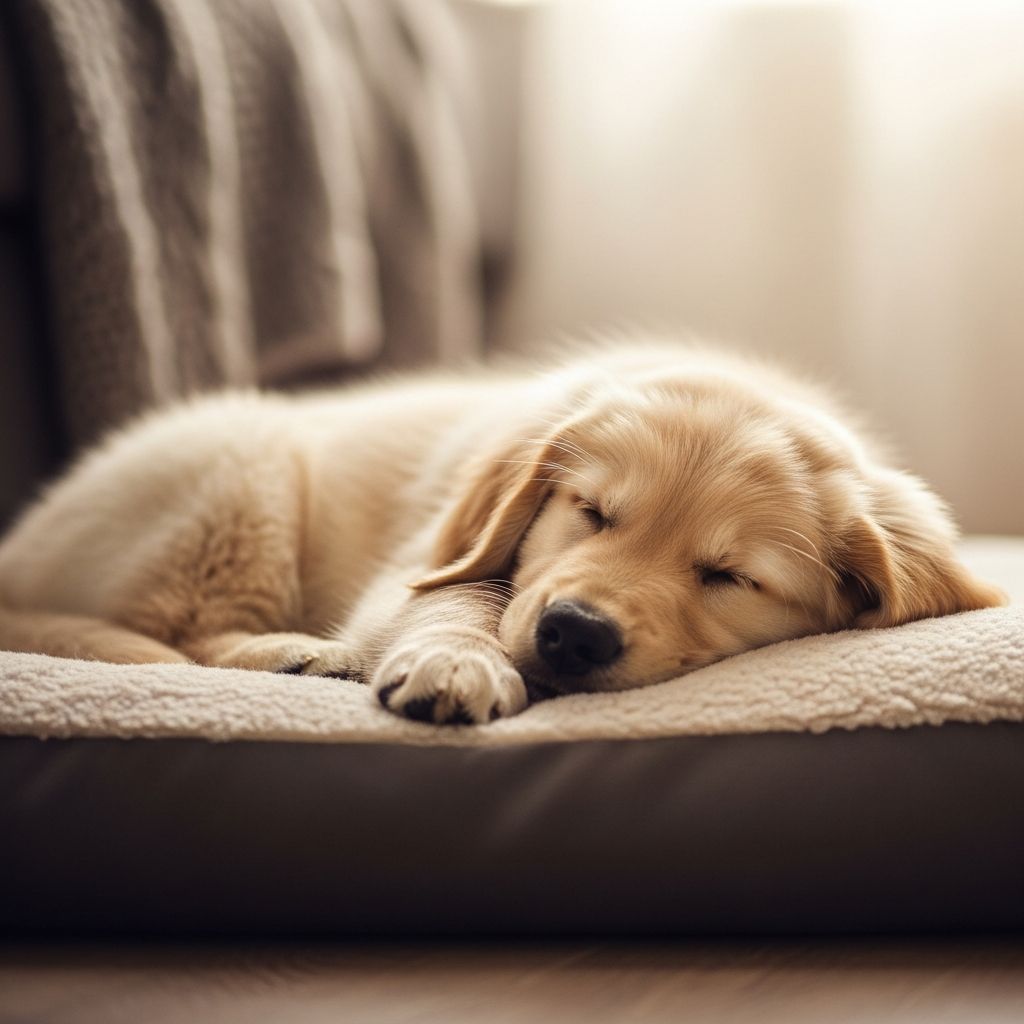
How Much Sleep Do Puppies Need?
Puppies are bundles of energy and curiosity, but beneath all that playfulness lies a critical biological need: sleep. Unlike adult dogs, puppies require significantly more rest to support their rapid physical growth and cognitive development. Understanding your puppy’s sleep needs is essential for fostering healthy development, preventing behavioral issues, and ensuring your new companion grows into a well-adjusted adult dog. Sleep is not simply downtime for puppies—it’s when their brains consolidate learning, their bodies repair tissues, and their immune systems strengthen.
Puppy Sleep Requirements by Age
Your puppy’s sleep needs change dramatically during their first year of life. As puppies mature, their sleep cycles shift from the highly fragmented polyphasic sleep of newborns to more consolidated rest patterns resembling adult dogs. Below is a comprehensive breakdown of sleep requirements at each developmental stage:
| Puppy Age | Average Amount of Sleep | Sleep Pattern |
|---|---|---|
| Newborn – 8 weeks | Around 22 hours per day | Frequent naps every 1-2 hours |
| 8 weeks – 20 weeks | Around 18-20 hours per day | Multiple naps with longer awake periods |
| 20 weeks – 6 months | Around 12-16 hours per day | 1-2 naps daily with extended nighttime sleep |
| Older dogs | Gradually reducing to around 13-15 hours per day | Adult sleep pattern established |
Newborn to 8 Weeks: The Sleepiest Stage
Newborn puppies are sleep champions, requiring approximately 22 hours of rest daily. This extraordinary amount of sleep is not excessive—it’s biologically necessary. During these early weeks, puppies’ brains are developing at an astonishing rate, their bodies are growing rapidly, and their immune systems are strengthening to protect against illness and infection. Newborn puppies follow a polyphasic sleep pattern, meaning they alternate between short periods of feeding or play and long naps throughout the day and night.
At this stage, puppies do not yet distinguish between day and night, so expect frequent wakings for feeding, elimination, and comfort. Most newborn puppies need to eat every 2-3 hours, and after each feeding, they’ll typically spend 15-20 minutes in gentle activity before seeking out a cozy spot for another nap. Interruptions to sleep are normal and should be handled with patience. The sleep environment during this period should be calm, dimly lit, and free from sudden loud noises or abrupt movements that might startle your puppy.
8 to 16 Weeks: Transitioning to Longer Sleep Blocks
Between 8 and 20 weeks of age, puppies need approximately 18-20 hours of sleep daily. During this period, significant developmental changes occur. Puppies begin to distinguish between daytime and nighttime, and their ability to hold their bladder gradually improves. By around 12 weeks, many puppies can sleep for up to 8 hours at night, though they’ll still likely need potty breaks every few hours.
At 16 to 18 weeks, puppies may start to sleep between 12-16 hours per day as they continue maturing. This is an important transitional period where napping becomes more structured. Instead of sleeping nearly constantly, puppies now have longer periods of wakefulness dedicated to exploration, socialization, and learning. Most puppies reach a turning point around 16 weeks when they can sleep through the night without requiring potty breaks, allowing both puppy and owner to enjoy more uninterrupted rest.
4 to 6 Months and Beyond
From 4 to 6 months and beyond, puppies’ sleep needs continue to decrease as they approach adulthood. A 6-month-old puppy typically requires 12-14 hours of sleep per 24 hours. By this age, many puppies have developed one consistent midday nap lasting 1-2 hours, with the remainder of their sleep occurring during nighttime hours. The circadian rhythm—the biological clock regulating sleep-wake cycles—becomes more established, allowing puppies to align their sleep patterns more closely with their human families’ schedules.
During this stage, puppies exhibit increasingly independent behavior and higher energy levels during waking hours. They’re better equipped for training, exercise, and social interaction. However, sleep remains crucial for muscle recovery, continued growth, and behavioral development. As puppies approach six months, they’re entering puberty and undergoing hormonal changes that continue to influence their development, making adequate sleep even more important.
Why Puppies Need So Much Sleep
The extraordinary amount of sleep puppies require serves multiple critical functions. First, sleep is when physical growth occurs most rapidly. During deep sleep phases, growth hormones are released, supporting bone development, muscle growth, and overall body development. Puppies can grow several times faster than adult dogs, and this accelerated growth demands substantial rest periods.
Second, sleep is essential for brain development and learning consolidation. When puppies explore their world, play with littermates, or learn new commands during waking hours, their brains process this information during sleep. Memory consolidation during rest periods helps puppies retain training and social lessons. Third, a well-rested puppy exhibits better behavior. Sleep deprivation in puppies leads to hyperactivity, difficulty focusing during training, and increased irritability—all of which can compound behavioral challenges.
Finally, sleep strengthens the immune system. Adequate rest allows puppies’ bodies to produce antibodies and immune cells necessary to fight off infections and establish immunity following vaccinations. A sleep-deprived puppy is more susceptible to illness and may experience slower recovery from injuries or infections.
Establishing a Healthy Puppy Sleep Routine
Creating a consistent sleep routine supports your puppy’s development and helps establish good habits that carry into adulthood. Here are key strategies for promoting healthy sleep:
Create a Safe, Comfortable Sleep Space
Designate a specific area where your puppy sleeps, such as a crate in your bedroom or a comfortable bed in a quiet room. The space should be comfortable with soft bedding, appropriately sized so your puppy doesn’t feel overwhelmed, and positioned away from household traffic and loud noises. A crate can be particularly helpful, as it provides security and aids in house-training by encouraging puppies to avoid soiling their sleeping area.
Establish Feeding and Potty Schedules
Feed your puppy at consistent times throughout the day, typically 3-4 times daily for young puppies, reducing to 2-3 times as they grow. Feed approximately 3 hours before bedtime to allow time for digestion and a final potty break before sleep. Take your puppy outside to eliminate right after waking, after meals, after play sessions, and before bedtime. This predictable schedule helps regulate their internal clock and makes nighttime sleep more continuous.
Balance Activity and Rest
Alternate active play and training sessions with rest periods. A good guideline is to allow 15-20 minutes of gentle play or exploration following meals, then guide your puppy toward a nap. Before bedtime, include a walk or play session about an hour before sleep to burn energy, but avoid high-intensity activity right before rest, as puppies need time to calm down.
Maintain Environmental Consistency
Keep your puppy’s sleep environment calm and consistent. Use white noise or calm music if household noise is unavoidable. Maintain consistent lighting cues—dimmer lights in the evening signal that sleep time is approaching. Consistency helps puppies develop predictable sleep patterns and reduces nighttime waking.
Signs Your Puppy Is Getting Enough Sleep
Knowing whether your puppy is receiving adequate sleep is crucial for ensuring healthy development. Healthy puppies typically display the following characteristics:
Behavioral Indicators
Well-rested puppies exhibit calm, attentive behavior during wakeful periods. They engage readily in training and play without excessive lethargy or irritability. If your puppy is frequently restless, hyperactive, or irritable during waking hours, they may not be getting sufficient sleep. Conversely, puppies who struggle to wake up or seem perpetually tired may need encouragement to engage in age-appropriate activity.
Physical Development
Adequate sleep supports steady growth without significant weight plateaus or losses. Well-rested puppies maintain consistent growth trajectories appropriate for their breed. If your puppy’s growth seems to stall or fluctuate significantly, insufficient sleep may be contributing to the issue alongside nutritional factors.
Sleep Pattern Predictability
Puppies receiving sufficient rest typically develop predictable nap patterns. For example, a healthy puppy might consistently nod off 30-45 minutes after moderate play or activity. These predictable patterns indicate that sleep-wake cycles are establishing normally.
Common Sleep Challenges and Solutions
Many new puppy owners face sleep-related challenges. Understanding common issues and their solutions can help you navigate this phase more successfully.
Nighttime Crying and Whining
Young puppies often cry during the night, especially during their first weeks in a new home. This is normal behavior driven by separation anxiety, the need to eliminate, or discomfort. Wait 2-3 minutes to see if your puppy settles on their own before responding. If crying continues, gently take your puppy outside for a potty break, then return them immediately to their sleep space. Avoid playing with or comforting your puppy during these episodes, as this can inadvertently reward the crying behavior.
Resisting Crate Time
Some puppies resist confinement, but crate training is essential for both sleep routine establishment and house-training success. Introduce the crate gradually with positive associations—treats, toys, and praise. Use a consistent verbal cue like “crate time” so your puppy learns the association. Never use the crate as punishment, and ensure it remains a safe, comfortable space.
Inconsistent Sleep Patterns
If your puppy is unusually restless or shows signs of excessive lethargy, their sleep routine may need adjustment. Some puppies benefit from more frequent, shorter naps, while others do better with fewer but longer sleep periods. Experiment with your routine, monitor your puppy’s responses, and adjust accordingly.
Transition to Adult Sleep Patterns
As your puppy approaches one year of age, their sleep needs continue decreasing toward adult levels. By around one year, most puppies sleep approximately 11-13 hours daily, comparable to adult dogs. This transition is gradual, and individual variation is significant based on breed, size, and individual temperament.
Large breed puppies may require slightly more sleep and have a longer growth period compared to small breeds. Giant breed puppies, in particular, grow slowly over an extended period, meaning they may maintain higher sleep needs for longer. Conversely, toy breeds reach adult size more quickly and may transition to adult sleep patterns faster.
Frequently Asked Questions
Q: When will my puppy sleep through the entire night?
A: Most puppies can sleep through the night around 4 to 6 months of age. However, this depends on individual factors including breed, size, and development. By 16-20 weeks, many puppies have developed sufficient bladder control to avoid nighttime elimination needs, allowing for uninterrupted sleep.
Q: Is 22 hours of sleep per day normal for a newborn puppy?
A: Yes, newborn puppies sleeping around 22 hours daily is completely normal and healthy. This extended sleep supports rapid brain and body development, immune system strengthening, and the immense growth occurring during these early weeks.
Q: How do I know if my puppy isn’t sleeping enough?
A: Signs of insufficient sleep include excessive hyperactivity, irritability, difficulty focusing during training, lagging during walks, and apparent lethargy. If you observe these behaviors, evaluate whether your puppy is receiving adequate sleep periods and adjust their routine accordingly.
Q: Should my puppy sleep in my bedroom?
A: Many experts recommend keeping your puppy’s crate in your bedroom initially. This proximity provides security for your puppy, aids in monitoring their nighttime needs, and facilitates faster response to elimination needs, supporting successful house-training.
Q: Do different dog breeds have different sleep needs?
A: While the general guidelines remain consistent, larger and giant breed puppies may have slightly extended sleep needs to support their longer growth periods. Individual personality also influences sleep duration—some puppies are naturally more energetic than others.
References
- Puppy Sleep Routine by Age: From Newborn to Six Months — Petland Raleigh. 2024. https://petlandraleigh.com/post/puppy-sleep-routine-by-age-from-newborn-to-six-months/
- How Much Sleep Do Puppies Need? — Rover. https://www.rover.com/blog/how-much-sleep-do-puppies-need/
- How Much Sleep Do Puppies Need? — Chewy Education. https://www.chewy.com/education/dog/health-and-wellness/how-much-should-puppies-sleep
- How Much Do Puppies Sleep? — Jinx. https://www.thinkjinx.com/blogs/news/how-much-do-puppies-sleep
- Puppy Sleep: What to Expect — Zoetis Petcare. https://www.zoetispetcare.com/blog/article/puppy-sleep
- How Much Sleep Do Puppies Need? — Vets4Pets. https://www.vets4pets.com/pet-health-advice/dog-advice/how-much-do-puppies-sleep/
- How to Get Your Puppy on a Healthy Sleeping Schedule — PetMD. https://www.petmd.com/dog/general-health/puppy-sleep-schedule
Similar Articles








Read full bio of medha deb


