

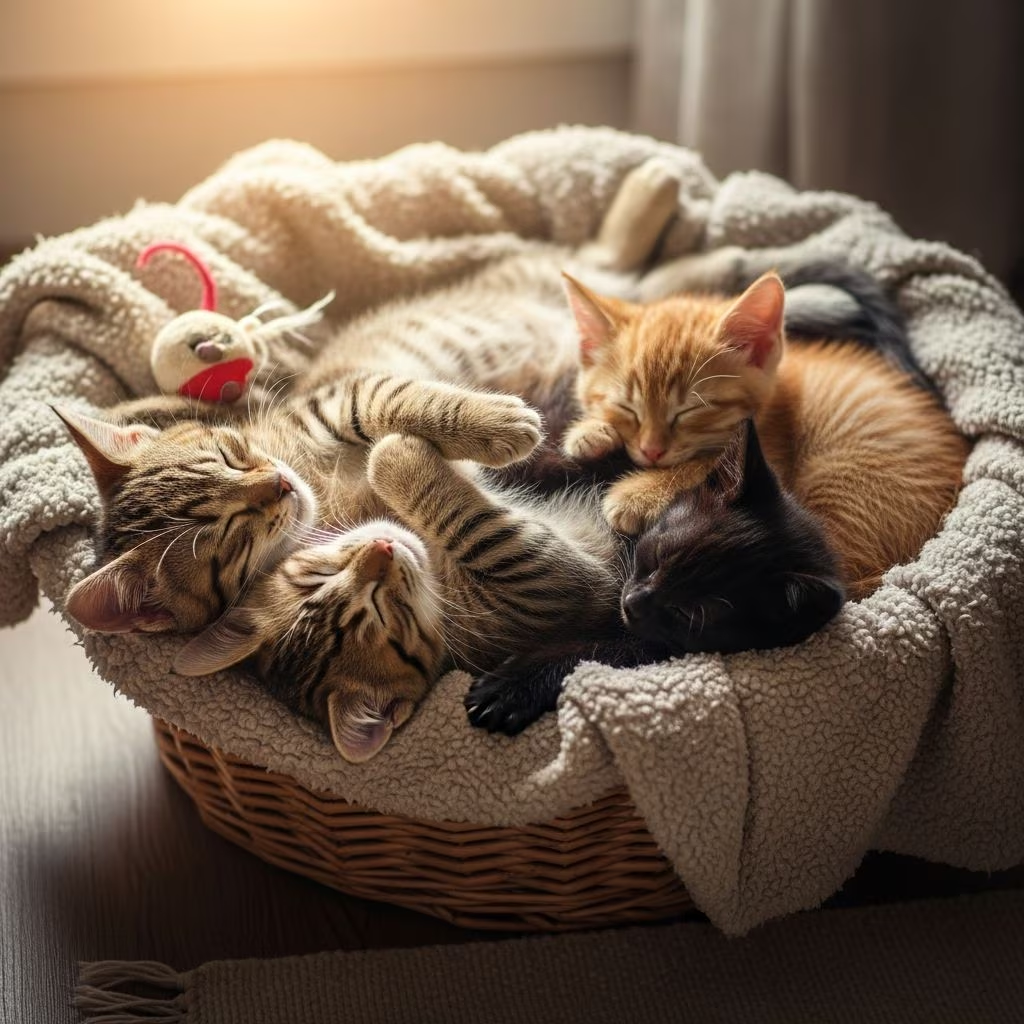
How Much Sleep Is Normal For Kittens?
Kittens have earned their well-deserved reputation as curious, fluffy balls of energy, but many new pet owners are surprised to discover just how much time their adorable new companions actually spend sleeping. While cats of all ages enjoy their rest, young felines require significantly more sleep than their adult counterparts, often spending up to 20 hours or more snoozing throughout the day and night. Understanding these normal sleep patterns can help you ensure your kitten receives the rest necessary for healthy development and growth.
Just How Much Sleep?
When you bring a new kitten into your home, a helpful rule of thumb to remember is that the younger the kitten, the greater their sleep requirements. Newborn kittens spend approximately 90 percent of their time sleeping, which translates to almost 22 hours of continuous shuteye each day. This extraordinary amount of rest is essential during the earliest stages of life when kittens are still developing rapidly.
As kittens mature beyond the newborn stage, their sleep duration gradually decreases, though they continue to need substantial amounts of rest. By the time your kitten reaches six months of age, they typically sleep between 16 to 20 hours per day, still considerably more than adult cats. This gradual transition reflects their ongoing physical and cognitive development, even as they become more active and playful during waking hours.
The specific sleep duration varies slightly depending on the kitten’s age and individual characteristics. Kittens aged up to two months old commonly sleep between 16 and 20 hours daily. As they progress to three months and beyond, they may settle into an 18-hour daily sleep pattern, which is not dramatically different from their earlier requirements but represents a gradual shift toward more mature sleep habits.
Why So Much Sleep?
While your newly adopted kitten peacefully slumbers in their favorite cozy spot, their body is actually working quite hard. During sleep, numerous critical developmental and maintenance processes occur that are essential for your kitten’s health and well-being.
Brain and Nervous System Development
One of the most important functions of sleep in young kittens is the development of their brain and central nervous system. The neural pathways being formed during these frequent catnaps are crucial for cognitive function, learning, and memory formation. Without adequate sleep, these essential developmental processes cannot occur properly, potentially affecting your kitten’s ability to learn, process information, and interact with their environment effectively.
Physical Development and Muscle Growth
The abundant sleep that kittens require plays a vital role in toning and strengthening the muscles and bones that contribute to the athletic prowess and graceful movements cats are famous for. During deep sleep phases, growth hormones are released that facilitate this physical development. The lithe, agile movements that cats display throughout their lives are directly connected to the quality of physical development achieved during these early sleeping months.
Immune System Function
Sleep is essential for maintaining and strengthening your kitten’s immune system. During rest periods, the body produces cytokines and other immune factors that help fight off infections and illness. Kittens who don’t receive adequate sleep become irritable, fussy, and are at increased risk for infections and various illnesses. A well-rested kitten has a stronger immune response and is better equipped to handle pathogens they encounter.
Evolutionary Instincts
The continuous sleeping pattern observed in kittens also has deep evolutionary roots. Your modern house kitten’s ancestors were predators on the African plains who would sleep most of the day and hunt during short, intense periods to conserve energy. This ancient survival strategy has been passed down through generations, and your new kitten’s sleep patterns still reflect this ancestral behavior. In the wild, sleeping much of the day kept defenseless young wildcats safe in their nest, quiet and undetected by potential predators. Even though your kitten is now safe in your home, these instinctual behaviors remain hardwired into their biology.
Understanding Kitten Sleep Patterns
Kittens don’t sleep in one long continuous stretch like humans typically do. Instead, they engage in what’s called polyphasic sleep, taking multiple short naps throughout both day and night. An average kitten sleep session lasts approximately 78 minutes, with cats typically napping for one to two hour periods before waking up to eat, play, or explore.
During these sleep sessions, kittens experience both light sleep and deep sleep phases. Light sleep allows them to remain somewhat alert and capable of waking quickly if needed, which is another evolutionary adaptation for safety. During deep sleep phases, the body undergoes crucial growth and repair processes, making this restorative sleep particularly important for development.
Kittens are naturally crepuscular animals, meaning they’re most active during dawn and dusk hours. This instinct comes from their wild ancestors who hunted when prey species were also most active. Don’t be surprised if your kitten is pouncing on toys and being particularly active at sunrise or sunset, then retreating to their cat tree for another extended nap afterward.
When Sleep Becomes a Concern
While most kitten owners never encounter this issue, it is possible for a kitten to sleep too little. Rare seizure disorders, sleep disorders, and other atypical medical conditions can interfere with a kitten’s ability to obtain the sleep they need for proper growth and development. If you notice that your kitten isn’t sleeping as much as expected or if their sleep duration has recently decreased, it’s wise to consult with your veterinarian to rule out any underlying health concerns.
It’s important to recognize that kittens are unique individuals, and some simply don’t require as much sleep as others due to individual differences in metabolism and energy levels. Most variations in kitten sleep duration fall within a normal range and don’t indicate any problem. However, if your kitten seems excessively lethargic, unresponsive, or shows no interest in eating or playing, these could indicate a more serious health issue warranting veterinary attention.
Signs Your Kitten May Need More Support
Occasionally, kittens may struggle with nighttime sleep and wakefulness. If your kitten seems to meow excessively at night and you’ve confirmed they have sufficient food, water, and a clean litter tray available, excessive vocalizing could indicate discomfort or anxiety. In such cases, consulting with your veterinarian can help identify any underlying issues.
Some normal sleep behaviors might initially concern new kitten owners. Twitching during sleep is completely normal for kittens and shouldn’t cause alarm. These small movements during sleep may indicate dreaming or could be part of their nervous system maturing. These movements are a healthy part of development and nothing to worry about.
Creating an Optimal Sleep Environment
To help your kitten get the quality and quantity of sleep they need for healthy development, creating an appropriate sleep environment is essential. Here are practical strategies for supporting your kitten’s sleep needs:
Designate a proper sleeping place: Whether you choose to allow your kitten to sleep in your bed or prefer a designated sleeping area in another room, providing a quiet, safe place to rest is crucial. Many kitten owners find that a comfortable cat bed in a quiet corner or a cat tree with cozy nooks works well. Ensure all adults and children in the household understand the importance of not disturbing a sleeping kitten, as interruptions may cause confusion and behavioral issues.
Optimize comfort and security: Kittens love comfort and security, so invest in soft bedding and peaceful environments. A dedicated sleeping space where your kitten feels safe and undisturbed allows them to fully relax and enter the deep sleep phases necessary for healthy development. Consider providing a bed with sides or a covered nook that gives your kitten a sense of protection.
Establish a bedtime routine: To optimize your kitten’s nighttime slumber, try tapping into the intrinsic instincts passed down from their wild ancestors. In nature, cats follow a cyclical pattern of hunt-eat-sleep. You can mirror this natural rhythm in your nightly routine by engaging your kitten in active play before bedtime, which helps expend energy and prepare them for sleep.
Manage meal timing: If dinner is served several hours before bedtime, your kitten’s nightly meows may be due to hunger. Kittens tend to sleep better with a full belly, so consider scheduling your kitten’s dinner just before your own bedtime. You might also leave a small amount of cat food accessible during the night to prevent hunger-related sleep disruptions. Like humans, kittens often feel sleepy after eating because digesting food requires energy, which is completely normal for growing animals.
Sleep Needs as Kittens Mature
As your kitten grows from newborn to adult cat, their sleep requirements gradually adjust. Understanding this progression helps you recognize normal developmental changes:
Newborn to two weeks: Almost 22 hours of sleep daily, primarily waking only to feed.
Two weeks to three months: Approximately 18 to 20 hours daily as they become more exploratory.
Three months and older: Around 18 hours daily, gradually moving toward adult patterns.
Adult cats: Average 16 to 22 hours daily, with many sleeping closer to 18-20 hours.
Even as your kitten transitions into adulthood, their love for napping and rest remains a lifelong trait. The sleep habits established in kittenhood often persist throughout their entire lives.
The Importance of Respecting Sleep Time
Understanding that sleeping is not a sign of boredom or depression but rather a crucial component of healthy kitten development is essential for all pet owners. Part of properly caring for your kitten involves allowing them the beauty sleep they need for optimal development. Constantly interrupting your kitten’s sleep can cause confusion, behavioral problems, and may interfere with their physical and cognitive development.
Many important physiological and developmental processes take place during sleep, and a kitten’s healthy growth and development relies fundamentally on getting sufficient rest. Rather than viewing your kitten’s extended sleeping hours as a concern, recognize this as a sign of a healthy, developing feline that is properly managing their energy and supporting their growth.
Frequently Asked Questions
Q: Is it normal for my kitten to sleep 20 hours a day?
A: Yes, absolutely. Kittens typically sleep between 16 to 20 hours daily depending on their age, with newborns sleeping nearly 22 hours. This extensive sleep is essential for their physical development, brain formation, and immune system strengthening.
Q: What should I do if my kitten seems to sleep too much?
A: In most cases, sleeping a lot is normal for kittens. However, if your kitten seems excessively lethargic, unresponsive, or shows no interest in food or play, consult your veterinarian to rule out any health concerns.
Q: Why is my kitten so active at night?
A: Kittens are crepuscular animals, meaning they’re naturally most active during dawn and dusk. This comes from their wild ancestors who hunted during these hours. Establishing a bedtime routine with active play before sleep can help manage nighttime activity.
Q: How can I help my kitten sleep through the night?
A: Create a comfortable sleeping environment, establish a consistent bedtime routine, feed your kitten just before your bedtime, and engage them in active play before sleep. These strategies help align their sleep with your schedule.
Q: Is twitching during sleep normal for kittens?
A: Yes, twitching during sleep is completely normal and healthy for kittens. It may indicate dreaming or their nervous system maturing. These movements are a natural part of development.
Q: Should I wake my kitten up to play?
A: No, you should avoid waking a sleeping kitten unnecessarily. Let them sleep when they want to, as this rest is crucial for their development. Play with them when they’re naturally awake and alert.
References
- How Much Sleep Is Normal For Kittens? — Chewy. Accessed November 28, 2025. https://www.chewy.com/education/cat/health-and-wellness/how-much-sleep-is-normal-for-kittens
- A Guide to Kitten Sleeping Habits — Vets for Pets. Accessed November 28, 2025. https://www.vets4pets.com/pet-health-advice/cat-advice/kitten/a-guide-to-kitten-sleeping-habits/
- Why Is My Kitten Sleeping So Much? — Lemonade Pet Insurance. Accessed November 28, 2025. https://www.lemonade.com/pet/explained/why-is-my-kitten-sleeping-so-much/
- Where Should Kittens Sleep at Night? — Chewy. Accessed November 28, 2025. https://www.chewy.com/education/cat/health-and-wellness/where-should-my-kitten-sleep
- Kitten Sleeping Habits 101 — Untamed. Published September 8, 2022. https://untamed.com/blogs/cat-care/kitten-sleeping



