

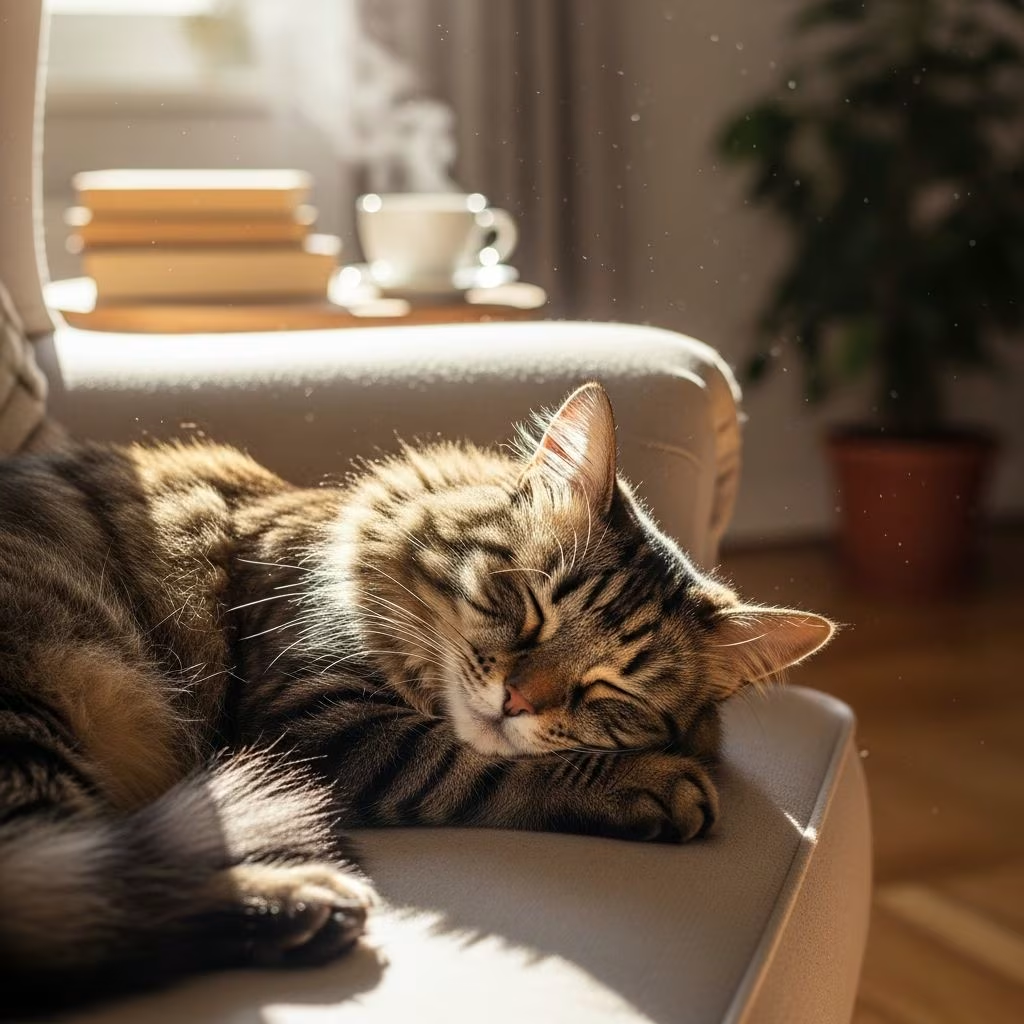
Understanding Adult Cat Sleep: A Complete Guide
If you’ve ever wondered why your cat seems to sleep all day long, you’re not alone. Adult cats are champion sleepers, and their sleep habits are vastly different from our own. Understanding how much sleep your adult cat needs and recognizing healthy sleep patterns is essential for ensuring your feline companion enjoys optimal health and well-being. This comprehensive guide explores the fascinating world of cat sleep, covering everything from typical sleep duration to factors that influence rest patterns and signs of potential health concerns.
How Many Hours Should Your Adult Cat Sleep?
Adult cats typically sleep between 12 to 16 hours per day, with many cats averaging closer to 15 hours. Some adult cats may even sleep up to 18 to 20 hours daily, depending on various factors such as age, health status, activity level, and environmental conditions. This amount of sleep might seem excessive compared to human sleep requirements, but it’s completely normal for cats and reflects their natural physiology and evolutionary history as predators.
The exact amount of sleep your individual cat needs may vary. While 12 to 16 hours serves as a general guideline, it’s important to recognize that some cats naturally sleep more or less than others. Factors unique to your cat, such as indoor versus outdoor lifestyle, health status, and personality, play significant roles in determining their specific sleep needs.
The Science of Cat Sleep Patterns
Cats possess a unique sleep pattern known as polyphasic sleep, which distinguishes them fundamentally from humans. Rather than sleeping in one long consolidated period like humans typically do, cats engage in multiple short naps throughout the day and night. These individual naps, often called “catnaps,” typically last between 15 to 30 minutes, though they can range from 50 to 113 minutes in duration, averaging around 78 minutes.
This polyphasic sleep pattern evolved from cats’ predatory nature. In the wild, cats must conserve energy between hunts while remaining alert enough to respond to threats or opportunities in their environment. This sleep architecture allows them to rest effectively while maintaining the ability to spring into action at a moment’s notice. Even domesticated cats retain this deeply ingrained biological programming.
Sleep Cycles and Brain Waves
Like humans, cats cycle through different stages of sleep, including both non-rapid eye movement (NREM) and rapid eye movement (REM) sleep. During NREM sleep, which comprises most of a cat’s rest, your feline may appear lightly asleep and can awaken quickly when needed. REM sleep, the deeper sleep stage where dreaming occurs, is when you might notice your cat’s paws twitching or whiskers moving, suggesting they’re experiencing vivid dreams. This deeper sleep stage is crucial for mental and physical recovery, helping consolidate memories and support cognitive function.
Why Do Adult Cats Sleep So Much?
The extensive sleep habits of cats aren’t laziness or a sign of illness—they’re rooted in evolutionary biology and energy conservation. Several key reasons explain why cats are such dedicated sleepers:
Energy Conservation and Predatory Nature
Cats are obligate carnivores and evolved as hunters. Hunting and exploring require enormous amounts of energy and focus. By sleeping extensively when not actively hunting or engaging with their environment, cats conserve energy for these demanding activities. Even domestic cats retain this predatory physiology, maintaining the need for substantial rest periods to prepare for bursts of intense activity.
Metabolic Requirements
The feline metabolism is designed to support short, explosive bursts of activity followed by extended rest periods. This metabolic pattern is far different from animals like humans or dogs, which have evolved for endurance activities. Your cat’s extensive sleep directly supports their unique metabolic needs and biological design.
Environmental Adaptation
Cats are crepuscular animals, meaning they’re naturally most active during dawn and dusk when their prey would typically be active in the wild. This means cats often sleep during daylight hours and nighttime, aligning their rest with periods when hunting would be least productive. This adaptation helps them function optimally during their naturally active periods.
Factors Influencing Adult Cat Sleep Duration
While 12 to 16 hours represents the typical range for adult cats, several factors can influence how much your specific cat sleeps. Understanding these variables helps you recognize what’s normal for your individual pet:
Indoor Versus Outdoor Lifestyle
Indoor cats often sleep more than outdoor cats, sometimes sleeping significantly more hours daily. This increased sleep occurs because indoor cats have limited environmental stimulation and fewer opportunities to expend energy compared to outdoor cats who must explore, hunt, and remain alert for threats. The reduced mental and physical stimulation in indoor environments naturally leads to more extended rest periods.
Temperature and Weather Conditions
Environmental factors significantly impact feline sleep patterns. Cats tend to sleep more on cold, rainy, or cloudy days, much like humans feel inclined to nap during similar weather. This behavioral adaptation likely relates to the reduced activity and hunting prospects during adverse weather. Conversely, warm, sunny days may find your cat more active and sleeping less.
Age and Life Stage
While this guide focuses on adult cats, age profoundly affects sleep duration across a cat’s lifespan. Kittens may sleep 18 to 20 hours daily as they rapidly grow and develop, while senior cats often sleep even more than adult cats as their energy levels decline and they require additional recovery time for aging bodies.
Health Status
A cat’s overall health significantly influences sleep patterns. Cats recovering from illness, managing chronic conditions, or experiencing pain may sleep more as their bodies direct energy toward healing. Conversely, certain medical conditions might disrupt normal sleep patterns, leading to changes in sleep duration or quality.
Activity Level and Personality
Individual cats have varying activity levels and personalities. A highly active cat that regularly engages in play, exploration, or hunting may sleep slightly less than a more sedentary companion. Similarly, some cats are naturally more energetic while others are naturally more laid-back, influencing their overall sleep requirements.
Recognizing Healthy Sleep Patterns
Knowing what constitutes healthy sleep helps you recognize when your cat’s rest patterns are normal. Healthy adult cat sleep is characterized by several key indicators:
Regular and Predictable Sleep-Wake Cycles
Your cat should demonstrate consistent daily patterns, typically sleeping more during daylight hours and being more active during dawn and dusk. While individual cats vary, their overall patterns should remain relatively stable from day to day.
Responsiveness During Wake Periods
When your cat is awake, they should be responsive to interaction, environmental stimuli, and their surroundings. They should demonstrate normal energy levels during their active times and show interest in toys, food, social interaction, or exploration depending on their personality.
Comfortable Sleeping Positions
Healthy cats often adopt comfortable sleeping positions and may occasionally stretch or twitch during REM sleep. Occasional paw movements or whisker twitches during sleep are normal and often indicate pleasant dreams.
Regular Eating and Toileting
Your sleeping cat should maintain normal eating habits, use the litter box regularly, and show no signs of digestive upset. These ongoing bodily functions should remain consistent despite extended sleep periods.
When to Be Concerned About Sleep Changes
While extensive sleeping is normal for adult cats, sudden changes in sleep patterns warrant attention. Several situations might indicate underlying health concerns requiring veterinary evaluation:
Significant Changes in Sleep Duration
If your cat suddenly begins sleeping significantly more or less than their usual pattern, this change could indicate a health issue. Sudden increases in sleep may signal illness, pain, depression, or metabolic changes. Conversely, a suddenly more active cat sleeping significantly less might indicate hyperthyroidism or other conditions affecting energy levels.
Difficulty Waking or Excessive Lethargy
Cats should be able to wake when stimulated and show alertness during normal waking hours. Excessive lethargy, difficulty rousing, or unresponsiveness to stimuli could indicate serious health problems requiring immediate veterinary attention.
Changes in Behavior or Appetite
Accompanying behavioral changes, loss of appetite, or changes in bathroom habits alongside altered sleep patterns may indicate illness or pain. These combinations of symptoms warrant professional evaluation.
Signs of Discomfort
If your cat appears to sleep restlessly, shows signs of pain when moving, has difficulty finding comfortable positions, or seems distressed, these may indicate underlying health issues requiring veterinary care.
Sleep Position Guide: What Your Cat’s Sleeping Position Means
Cat sleeping positions can reveal much about their comfort level and emotional state. Understanding these positions helps you recognize when your cat feels secure and content:
| Sleep Position | What It Means |
|---|---|
| Curled in a Ball | Conserves body heat and protects vital organs; indicates comfort and security |
| On Their Back | Shows complete trust and security; makes the cat vulnerable, so they only adopt this position when feeling very safe |
| Stretched Out | Indicates comfort and confidence; suggests the cat feels secure in their environment |
| Head on Paws | Light sleep position allowing quick awakening; typical for catnaps |
| Loaf Position | Semi-alert sleeping position with paws tucked; allows rapid movement if needed |
Creating an Optimal Sleep Environment for Your Adult Cat
Supporting healthy sleep patterns involves creating an environment that naturally encourages rest and security. Consider these factors when optimizing your cat’s sleep space:
Comfortable Sleeping Surfaces
Provide soft, comfortable beds or perches in quiet locations. Cats often prefer elevated sleeping spots where they can observe their surroundings while resting. Consider beds with raised edges that provide a sense of security.
Reduced Noise and Disturbance
Minimize loud or unpredictable noises that might disrupt sleep quality. Provide sleeping areas away from high-traffic household zones where the cat can rest undisturbed.
Temperature Control
Maintain comfortable temperatures, as cats are sensitive to cold. Provide blankets or heated beds, especially during cooler months, to encourage restful sleep.
Lighting Considerations
Dim lighting during sleep periods supports natural rest patterns. Consider using blackout curtains or providing sleeping areas with reduced light exposure.
Sleep and Overall Cat Health
Adequate sleep is fundamental to your adult cat’s overall health and well-being. Quality rest supports immune function, cognitive health, physical recovery, and emotional well-being. By understanding your cat’s normal sleep patterns and recognizing healthy indicators, you can ensure your feline companion enjoys the restorative rest their body requires.
Regular monitoring of your cat’s sleep habits, combined with annual veterinary checkups, helps catch potential health issues early. Remember that while cats are naturally excellent sleepers, dramatic changes in sleep patterns always warrant professional evaluation to rule out underlying health concerns.
Frequently Asked Questions
Q: Is it normal for my adult cat to sleep 18 hours a day?
A: Yes, while 12 to 16 hours is typical, some adult cats naturally sleep 18 to 20 hours daily. This variation is normal as long as your cat demonstrates normal behavior during waking hours, maintains good appetite, and shows no signs of illness or behavioral changes.
Q: How can I tell if my cat is sleeping too much?
A: Sudden significant increases in sleep duration, difficulty waking, excessive lethargy, or accompanying behavioral changes may indicate problems. If your cat’s sleep patterns change dramatically or you notice other symptoms, consult your veterinarian to rule out health issues.
Q: Why does my cat sleep more on rainy days?
A: Cats naturally sleep more during cold, rainy, or cloudy weather. This behavior likely reflects evolutionary adaptations when hunting would be less productive during adverse weather, making rest a more efficient use of energy.
Q: Do adult cats dream?
A: Yes, cats experience REM sleep during which dreaming occurs. You may notice your cat’s paws twitching, whiskers moving, or occasional vocalizations during these deeper sleep stages, suggesting they’re experiencing dreams.
Q: Should I wake my sleeping cat for playtime?
A: Generally, allow your cat to complete their natural sleep cycles. Instead, encourage play during their naturally active periods (dawn and dusk). Respecting their sleep needs supports their overall health and well-being.
Q: How does indoor versus outdoor living affect cat sleep?
A: Indoor cats typically sleep more than outdoor cats due to limited environmental stimulation and fewer opportunities for physical activity. Providing enrichment activities and interactive play helps maintain healthy sleep-wake balance in indoor cats.
Q: What’s the difference between cat sleep and human sleep?
A: Cats use polyphasic sleep (multiple short naps throughout the day), while humans typically use monophasic sleep (one long nighttime period). Cats’ sleep architecture reflects their predatory nature and energy conservation needs, unlike humans’ endurance-focused metabolism.
References
- How Long Do Cats Really Sleep? — Noble Veterinary Clinics in Dubai. Retrieved from https://noblevetclinic.com/blog/how-many-hours-do-cats-sleep
- Understanding Cat Sleep Patterns: A Feline Rest Guide — PetsCare. Retrieved from https://www.petscare.com/news/post/cat-sleep-patterns-guide
- How Many Hours Do Cats Sleep? — Sleep Foundation. Retrieved from https://www.sleepfoundation.org/animals-and-sleep/how-much-do-cats-sleep
- Why Do Cats Sleep So Much? — PetMD. Retrieved from https://www.petmd.com/cat/behavior/why-do-cats-sleep-so-much
- Why Do Cats Sleep So Much? — Petplan. Retrieved from https://www.petplan.co.uk/cat-insurance/cat-care-and-advice/why-do-cats-sleep-so-much.html



